TL;DR

Get garden gear delivered free — and shop member deals
- Fast, free delivery on millions of items
- Access to Prime Big Deal Days deals on October 6–7
- Prime Video, Amazon Music and more included
Garden trend shows increasing interest in pairing bold perennials for late-season borders. Experts recommend combining specific plants for a professional look, though details are still emerging. This approach simplifies gardening while enhancing visual appeal.
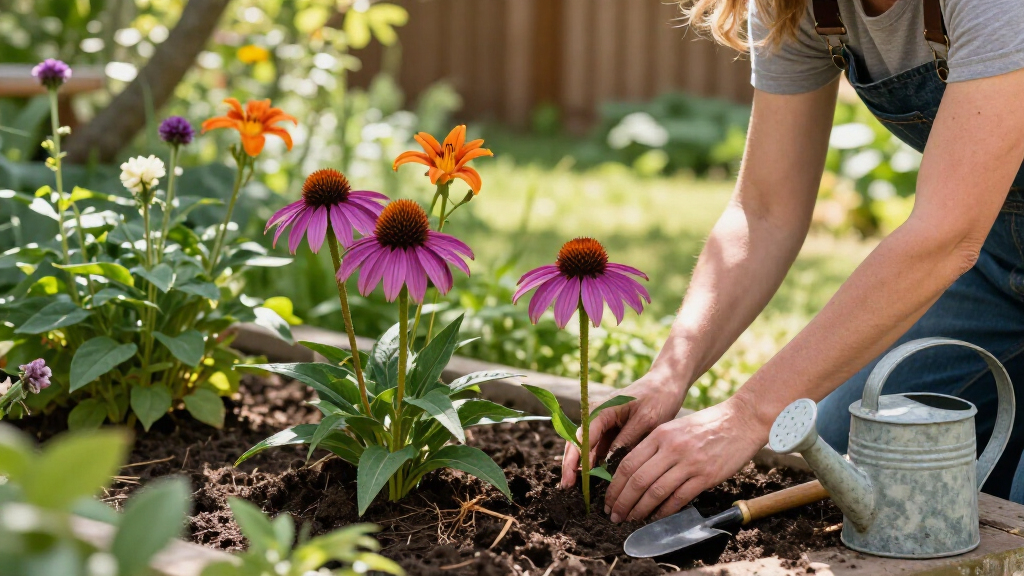
Garden enthusiasts are increasingly turning to pairing two bold perennials to create an easy, yet professionally styled late-season border. This trend leverages the visual impact of specific plant combinations to simplify garden design while delivering striking results, according to recent gardening trend reports. The approach is gaining popularity among both amateur gardeners and professionals seeking low-maintenance, high-impact plantings.
The trend centers around combining two particular perennials known for their vibrant, eye-catching foliage and flowers, which bloom late in the season. Experts suggest that these plants, when paired correctly, can provide a full, lush appearance that mimics professional landscaping. Although specific plant combinations are being promoted, detailed planting instructions and regional suitability are still under discussion, with some sources emphasizing the importance of choosing plants with complementary growth habits and color schemes.
Search interest in this approach has spiked over the past few months, indicating growing curiosity among gardeners. While the trend is rooted in longstanding principles of plant pairing and design, the recent focus on late-season color and bold foliage has amplified its popularity. Garden centers and online forums report increased inquiries about specific plant pairings, although no formal guidelines or official endorsements have yet been issued.
Why This Trend Matters for Garden Design
This trend matters because it offers a simple, effective way for gardeners to achieve a polished, professional look without extensive planning or maintenance. By focusing on just two bold perennials, gardeners can create a cohesive, vibrant border that lasts late into the season, extending the visual interest of their gardens. It also aligns with a broader movement toward low-maintenance yet impactful landscaping, making it accessible for a wide range of skill levels and garden sizes.
Furthermore, the trend encourages gardeners to experiment with plant combinations that emphasize color contrast and texture, which can enhance overall garden aesthetics. As interest in sustainable and simplified gardening grows, such approaches could help promote more widespread adoption of attractive, easy-to-maintain borders that boost curb appeal and garden satisfaction.
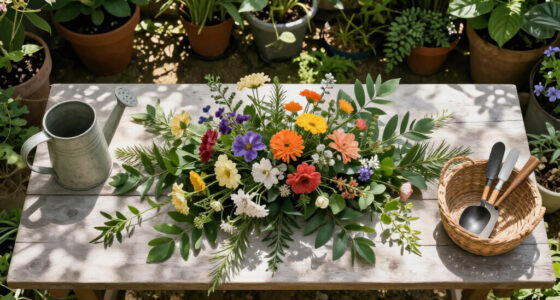
bold perennial plants for late-season garden border
As an affiliate, we earn on qualifying purchases.
As an affiliate, we earn on qualifying purchases.
Background of Late-Season Plant Pairings
Plant pairing has long been a fundamental principle of garden design, with traditional strategies focusing on complementary colors, textures, and bloom times. In recent years, there has been a renewed emphasis on late-season planting to extend garden interest and provide habitat for pollinators preparing for winter. The use of bold perennials—plants with striking foliage or flowers—has become particularly popular for creating focal points and visual impact during the final months of the growing season.
This trend is partly driven by the desire for low-effort, high-reward gardening solutions, as well as by increased interest in sustainable landscaping practices. Gardeners are increasingly seeking out plants that can provide color and structure late into autumn, with some regional variations based on climate and native species. While traditional plant combinations often involve multiple species, recent focus has shifted toward pairing just two plants for maximum effect with minimal effort.
Unconfirmed Details About Specific Plant Pairings
While the trend is gaining traction, it is not yet clear which specific perennial combinations are most recommended or suitable for different regions. Garden experts and sources are sharing general principles but have not yet standardized plant pairings or provided definitive planting guides. Additionally, regional climate differences and soil conditions may influence the success of certain plant pairs, and further testing or regional advice is still pending.
Expected Developments in Late-Season Plant Pairing Advice
In the coming months, gardening experts and horticultural organizations are expected to publish more detailed guidelines and case studies illustrating effective plant combinations. Garden centers may also begin offering curated plant packs designed for this specific purpose. Gardeners are advised to monitor regional recommendations and experiment with suggested pairings to find the best fit for their local conditions. Online forums and social media groups will likely continue sharing real-world results, helping refine the approach.
Key Questions
Which two perennials are best for late-season borders?
While specific recommendations vary, popular choices include plants like Russian Sage and Ornamental Kale, known for their vibrant foliage and late-season blooms. Experts suggest selecting plants with contrasting colors and textures for maximum visual impact.
Can this pairing work in all climates?
This approach is adaptable, but success depends on regional climate and soil conditions. Gardeners should consult local gardening resources or trial small sections before full planting.
Is this a low-maintenance strategy?
Yes, pairing just two bold perennials reduces the complexity of garden care and maintenance, making it a practical solution for busy gardeners.
When is the best time to plant these perennials?
The optimal planting time is typically early spring or early fall, allowing plants to establish roots before the peak of the growing season or winter dormancy.
Will this trend last beyond this season?
Given its simplicity and visual appeal, this approach is likely to remain popular, especially as interest in sustainable and low-effort gardening continues to grow.
Source: rss
Fall Picks
fall essentials
As an affiliate, we earn on qualifying purchases.