
TL;DR
Interest in repurposing household waste for gardening is rising, with a trend highlighting four smart ways to reuse old toilet paper rolls. Experts confirm these methods are practical and eco-friendly, though full adoption remains limited.
Gardening enthusiasts are increasingly turning to a simple household item — used toilet paper rolls — for eco-friendly gardening solutions. A recent surge in social media posts and gardening blogs highlights four practical ways to repurpose these everyday items, helping reduce waste and improve garden health. This trend underscores a growing interest in sustainable gardening practices, though it remains a trend rather than a formal recommendation.
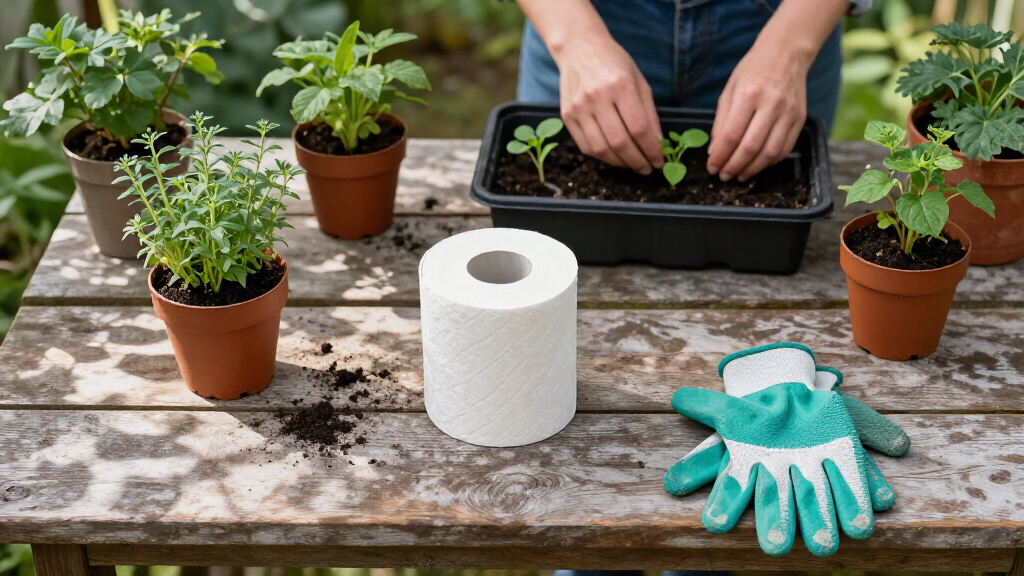
The trend involves four main methods: using toilet paper rolls as seed starters, biodegradable plant protectors, compost material, and soil aerators. Experts in sustainable gardening confirm that these uses are effective and environmentally friendly, especially since the rolls are biodegradable and can be directly planted into the soil without disturbing roots. The practice has gained traction on platforms like Instagram and gardening forums, with users sharing images and tips.
According to gardening specialist Laura Chen, ‘Toilet paper rolls are a versatile, low-cost resource that can help gardeners reduce waste and promote healthy plant growth.’ Many users report that starting seedlings in these rolls simplifies transplanting and reduces plastic waste. Additionally, some gardeners use them as natural pest barriers or as part of compost piles, noting that they decompose quickly and enrich the soil.
While the trend is popular online, there is limited formal research or endorsement from major gardening organizations. Nonetheless, environmental advocates emphasize the benefits of reusing household waste and reducing reliance on plastic pots. The trend’s popularity appears driven by a combination of sustainability concerns and cost-saving measures, especially among novice gardeners and eco-conscious consumers.
Environmental and Practical Benefits of Toilet Paper Roll Reuse
This trend matters because it offers a simple, accessible way for individuals to reduce household waste and promote sustainable gardening. Using toilet paper rolls as seed starters or soil amendments can decrease reliance on plastic pots and other non-biodegradable materials, aligning with broader environmental goals. For gardeners, these methods can also lower costs and make gardening more accessible, especially in urban or resource-limited settings.
Moreover, this practice encourages a circular approach to household waste, turning what is typically discarded into valuable gardening resources. As awareness of environmental issues grows, such small-scale habits can contribute to larger sustainability efforts. However, widespread adoption remains limited by lack of formal endorsement and awareness, making this more of a grassroots trend than a mainstream practice.
As an affiliate, we earn on qualifying purchases.
Rise of DIY and Sustainable Gardening Trends
The use of household waste in gardening has been a growing trend over recent years, driven by increased environmental awareness and the desire for cost-effective gardening solutions. Popularized by social media influencers and gardening communities, DIY projects involving recycled materials have gained momentum. The specific focus on toilet paper rolls as seed starters and soil enhancers is a recent development, with search interest spiking in the past few weeks.
Historically, gardeners have used biodegradable materials like coconut coir or peat pots; the current interest in toilet paper rolls builds on this tradition, emphasizing accessibility and waste reduction. The trend is also linked to broader movements promoting zero-waste lifestyles and urban gardening, where space and resources are limited.
While the practice is not new, the recent surge in online sharing and community engagement has amplified its visibility. Experts note that the trend’s growth is partly fueled by the pandemic’s impact on gardening habits, with more people seeking affordable, eco-friendly options for growing their own food and plants.
Extent of Adoption and Formal Endorsement
It is not yet clear how widespread the use of toilet paper rolls in gardening will become or whether major organizations will endorse these methods. The trend is primarily driven by social media and informal communities, with limited scientific validation or official guidelines at this stage.Potential for Broader Adoption and Further Research
Experts anticipate that as more gardeners share their experiences, the trend may expand into more formalized practices or recommendations. Future studies could evaluate the long-term effects of using toilet paper rolls in soil health and plant growth. Additionally, gardening organizations might consider testing and endorsing these methods if proven effective at scale.Key Questions
Are toilet paper rolls safe for all types of plants?
Yes, most biodegradable toilet paper rolls are safe for seedlings and plants, as they decompose naturally and do not contain harmful chemicals.
How do I prepare toilet paper rolls for gardening use?
Simply flatten the rolls, fill them with soil, plant your seeds, and keep them moist. When seedlings are ready, plant the entire roll into the ground.
Can I use toilet paper rolls in compost?
Yes, toilet paper rolls are compostable and can be added to compost piles, where they will break down and enrich the soil.
Are there any disadvantages to using toilet paper rolls in gardening?
Potential concerns include the presence of inks or chemicals in some rolls, so it’s best to use plain, uncolored options. Also, they should be used in moderation as part of a balanced gardening approach.
Will using toilet paper rolls replace traditional pots entirely?
While they are a sustainable alternative for seedlings and small plants, they are unlikely to replace traditional pots for larger or mature plants due to size and durability considerations.
Source: rss