
TL;DR

Get garden gear delivered free — and shop member deals
- Fast, free delivery on millions of items
- Access to Prime Big Deal Days deals on October 6–7
- Prime Video, Amazon Music and more included
Interest in the symbolic meanings of spring bulbs linked to birth months is rising, driven by a trend in personalized gardening. While the specific origins of this association remain unconfirmed, the concept connects each month to a unique flower with symbolic significance.
Growing curiosity surrounds the idea of associating each birth month with a specific spring bulb, believed to carry symbolic meanings. While the trend is gaining attention online, the origins and widespread acceptance of these associations remain unconfirmed. You might find it interesting to explore the meaning behind each. This development matters because it reflects a broader interest in personalized gardening and symbolic plant meanings, which can influence consumer choices and cultural practices.
Recent search trends indicate a spike in interest around the concept of ‘birth month bulbs,’ which links each of the 12 months to a particular spring flower. These flowers are said to embody traits or qualities associated with individuals born in that month, such as resilience, joy, or hope. The idea appears to be rooted in a combination of traditional flower symbolism and modern personalization trends, though no official or historical source confirms the specific pairings.
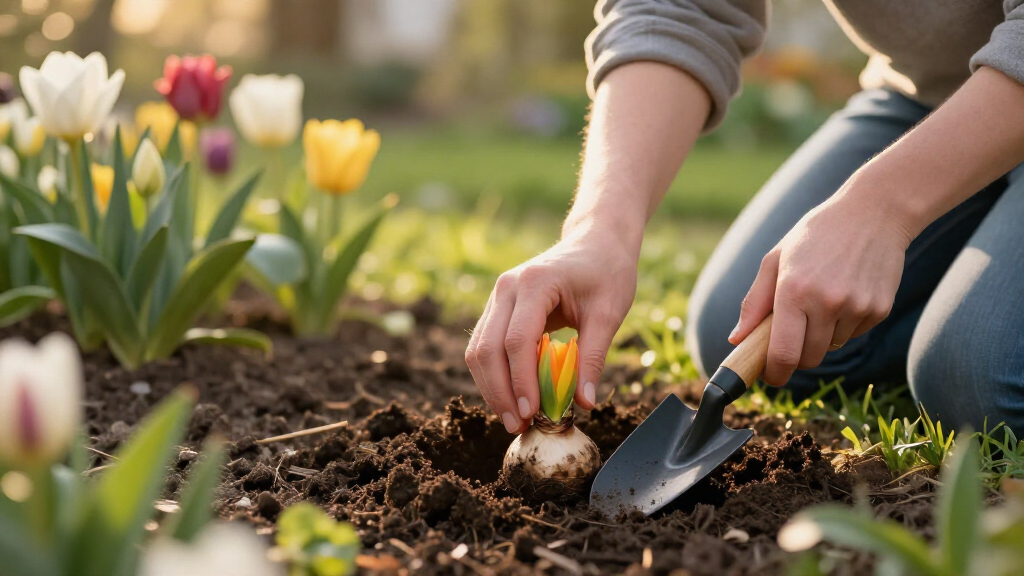
Among the most commonly mentioned bulbs are daffodils for March, tulips for April, and hyacinths for May. Each flower is believed to carry a distinct meaning: for example, daffodils often symbolize rebirth and new beginnings, aligning with March’s association with early spring. However, these meanings are largely based on general flower symbolism rather than a formalized system linked to birth months.
Experts in botany and cultural symbolism note that while flower meanings have long historical roots, the specific pairing of bulbs with birth months appears to be a modern trend. The associations are often shared on social media and gardening platforms, fueling curiosity and participation in personalized planting schemes, especially during the spring planting season.
Why the Birth Month Bulb Trend Matters
This trend highlights a growing desire among consumers to personalize their gardening experiences and connect with nature on a symbolic level. For many, planting a flower associated with their birth month offers a sense of identity and connection to natural cycles. It also reflects a broader cultural interest in symbolism, mindfulness, and self-expression through horticulture.
While the associations are not officially standardized, the popularity of this idea may influence gardening choices, gift-giving, and even local planting practices. It also underscores how traditional flower symbolism continues to evolve and adapt to contemporary interests, blending history with personal meaning.
spring flowering bulbs for planting
As an affiliate, we earn on qualifying purchases.
As an affiliate, we earn on qualifying purchases.
Origins and Cultural Roots of Flower Symbolism
Flower symbolism has a long history across cultures, with many flowers traditionally representing virtues, emotions, or traits. For example, daffodils have historically symbolized rebirth and hope, while tulips are associated with love and prosperity. However, the specific link between these flowers and birth months appears to be a recent development, with no clear historical precedent.
In recent years, there has been a surge in personalized and symbolic gardening practices, partly driven by social media trends. The idea of assigning specific flowers to birth months is believed to have gained popularity through online communities and lifestyle influencers, though the exact origin remains unconfirmed. This trend aligns with a broader movement toward meaningful, customized plantings that reflect individual identities.
Unconfirmed Origins and Standardization of Associations
It is not yet clear when or how the specific associations between each birth month and particular bulbs originated, nor whether these pairings are widely accepted or standardized across different cultures. The trend appears to be emerging from social media and informal sources, with no official authority or botanical standard backing these links.Potential for Formalization and Broader Adoption
As interest continues to grow, experts anticipate that the associations may become more formalized or standardized through gardening organizations or cultural institutions. Future developments could include official guides or educational campaigns that clarify or endorse specific flower-birth month pairings. Additionally, more communities may adopt these symbolic plantings into local gardening practices or celebrations during spring.Key Questions
Are the birth month bulb associations officially recognized?
No, these associations are not officially recognized by botanical or cultural authorities. They are primarily a modern trend based on personal and social media influences.
Which flowers are commonly linked to each month?
Commonly mentioned bulbs include daffodils for March, tulips for April, hyacinths for May, and others like crocuses, lilies, and irises for different months. However, these pairings vary and are not standardized.
Can planting these bulbs enhance personal or spiritual well-being?
Many believe planting flowers with personal significance can foster mindfulness and a deeper connection to nature, though scientific evidence supporting specific benefits is limited.
Is this trend applicable to all gardening regions?
Most of these bulbs are suitable for temperate climates typical of many North American and European regions, but suitability varies depending on local climate and growing conditions.
Source: rss
Fall Picks
fall essentials
As an affiliate, we earn on qualifying purchases.