
TL;DR

Get garden gear delivered free with Prime
- Fast, free delivery on millions of items
- Prime Video, Amazon Music and more included
- Member-only deals all year
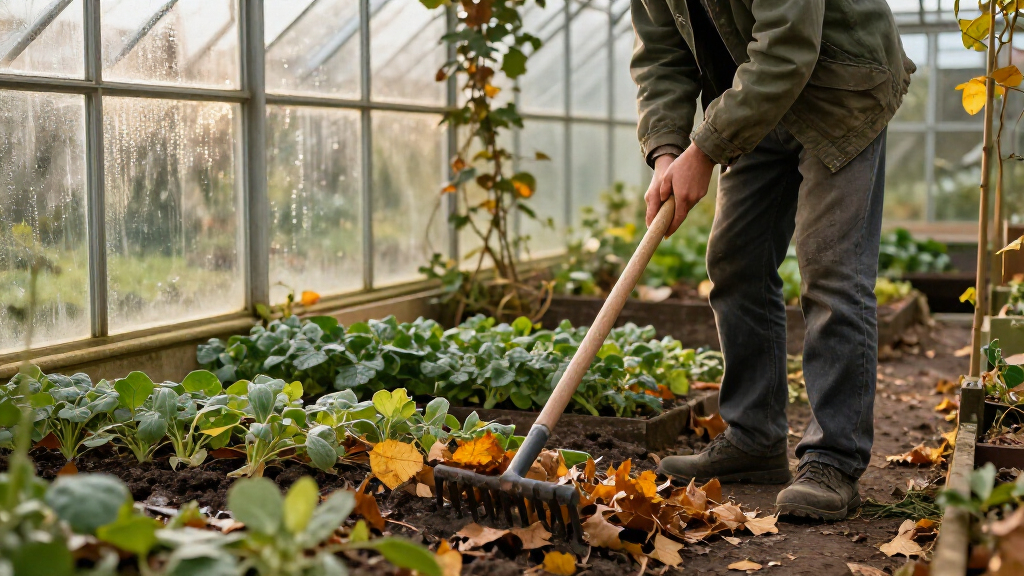
An Amateur Gardening report published Nov. 4 outlines autumn maintenance for greenhouses and polytunnels. Kim Stoddart recommends clearing foliage from plastic, delaying exterior cleaning until leaf fall eases, and airing growing spaces regularly to limit fungal disease risk.
Amateur Gardening published autumn maintenance advice on Nov. 4, with editor Kim Stoddart recommending that greenhouse and polytunnel owners remove plant debris from coverings, preserve airflow and store growing containers for reuse. The guidance focuses on protecting light levels and supporting plants and structures through the colder months.
Stoddart says foliage from tall-growing plants, including grapevines and tomatoes, can stick to plastic coverings at the end of the main growing season. If left there, it may rot, block light and eventually erode the plastic. She advises cleaning the inside first with a hose spray and a sponge or soft brush, removing debris from the covering and wiping surfaces down.
For the outside, Stoddart suggests waiting until most leaves have fallen, since leaves can continue dropping for several weeks. Her method for reaching the top of a polytunnel is to tie bedsheets together and pull them back and forth over the covering with another person’s help. She also recommends repairing damage to the plastic promptly and keeping it clean to help maximise the amount of ultraviolet light entering the growing space.
Her approach to trays and pots is flexible. Stoddart says she empties spent compost onto beds or borders, shakes planters and stores them without routinely washing trays or modules. She says gardeners may want to clean them if they are concerned about a particular pest, disease or eggs. Split modules can be supported by doubling up plastic trays, while yoghurt pots and supermarket trays can be saved as planting containers.
Protecting Light and Winter Growth
Autumn care can affect both the condition of a growing structure and what can be grown inside it during winter. Debris on plastic reduces light, while damage left unrepaired can shorten the useful life of a covering. Stoddart says her own polytunnel cover is at least 16 years old and still working well, but that is her experience, not a guarantee about how long other covers will last.
Ventilation is another part of the seasonal balance. As temperatures fall, gardeners may close doors and windows more often to retain warmth. Stoddart advises opening them for a short time several times a week, if possible, to allow airflow and help prevent fungal diseases from building up. She also recommends removing lower leaves that have turned yellow and continuing to harvest healthy leaves to support further growth.
Her advice also makes room for wildlife: she says she leaves some foliage or ground cover lower down so spiders and ground beetles can shelter over winter, while keeping debris off the plastic itself. That distinction offers a practical way to maintain the covering without clearing every potential habitat from the growing space.
Popular right now

De'Longhi Rivelia Fully Automatic Espresso Machine with Milk Frother, White

Bose QuietComfort Headphones (2nd Gen), Wireless Over-Ear Noise-Cancelling Headphones, Hazelnut Taupe

eufy C28 Robot Vacuum Cleaner and Mop for Pet Hair, 15,000 Pa
As an affiliate, we earn on qualifying purchases.
The Seasonal Maintenance Schedule
The article is a practical seasonal report, not a product test or a formal study. It was published by Amateur Gardening on Nov. 4, 2026, under the title “Growing under cover: Autumn tidy up.” Stoddart frames the work as preparation for the weeks and months ahead, when shorter days and lower temperatures change how gardeners manage enclosed growing areas.
The sequence in her advice reflects the conditions of autumn: clean debris from the inside first, but wait to tackle the exterior until falling leaves are less likely to cover it again. Meanwhile, containers can be emptied and put away, and doors or windows can be opened briefly to provide air even as gardeners seek to hold on to warmth.
“The more you look after your polytunnel or greenhouse, the more productive it will be for the longer term.”
— Kim Stoddart, Amateur Gardening editor
Choices Depend on Local Conditions
The report does not set out a single cleaning schedule for every greenhouse or polytunnel, nor does it specify a universal method for every covering material. Stoddart presents her own practices and allows readers to decide whether to wash trays, depending on concerns about pests or disease. The article provides no measured results comparing cleaned and uncleaned coverings, or data on how much cleaning affects cover lifespan or winter yields.
It also does not identify a particular disease outbreak, pest problem or damage event prompting the advice. The recommended ventilation frequency is general guidance; conditions will vary with weather, structure and plants. Readers should treat the article as seasonal gardening advice rather than a guarantee of specific results.
Tasks for the Coming Weeks
As autumn leaf fall continues, Stoddart’s suggested order is to remove foliage from the inside now and clean the exterior once fewer leaves are dropping. Gardeners can check plastic for damage and make repairs promptly, then store reusable trays and pots after emptying them. During colder weather, the guidance is to retain heat by keeping openings closed more often while still allowing brief periods of airflow through the week.
Plants remaining under cover can be checked for yellowing lower leaves, with healthy leaves harvested to support continued production. The report does not announce a follow-up event or later update; it directs readers to the Amateur Gardening website for additional gardening advice.
Key Questions
What should gardeners clean first?
Stoddart recommends starting with the inside of the greenhouse or polytunnel, removing foliage stuck to the plastic with a hose spray and a sponge or soft brush.
When should the exterior covering be cleaned?
She suggests waiting until most leaves have fallen, since leaves can continue dropping for several weeks and may stick to the exterior again.
Should trays and modules be washed before storage?
Stoddart says she does not routinely wash hers, but advises cleaning them if a gardener is concerned about a particular pest, disease or eggs.
Why open greenhouse doors or windows in cold weather?
Brief ventilation several times a week can allow airflow and help limit the buildup of fungal diseases, even while doors and windows are otherwise kept closed more to retain warmth.
Source: amateurgardening.com