TL;DR

Get garden gear delivered free — and shop member deals
- Fast, free delivery on millions of items
- Access to Prime Big Deal Days deals on October 6–7
- Prime Video, Amazon Music and more included
Gardener’s Path advises bringing healthy basil plants indoors as temperatures cool, since cold can blacken leaves and harm the herb. A sunny indoor spot, a pot with drainage and careful watering can help a plant keep producing leaves through winter; gardeners can also save seeds for spring.
Gardener’s Path has published seasonal advice for keeping basil growing through fall and winter, recommending that gardeners move healthy plants indoors as outdoor temperatures drop. The guidance matters because basil is sensitive to cold: the report says temperatures near 50°F can blacken leaves, while temperatures below 45°F pose a danger to the plant.
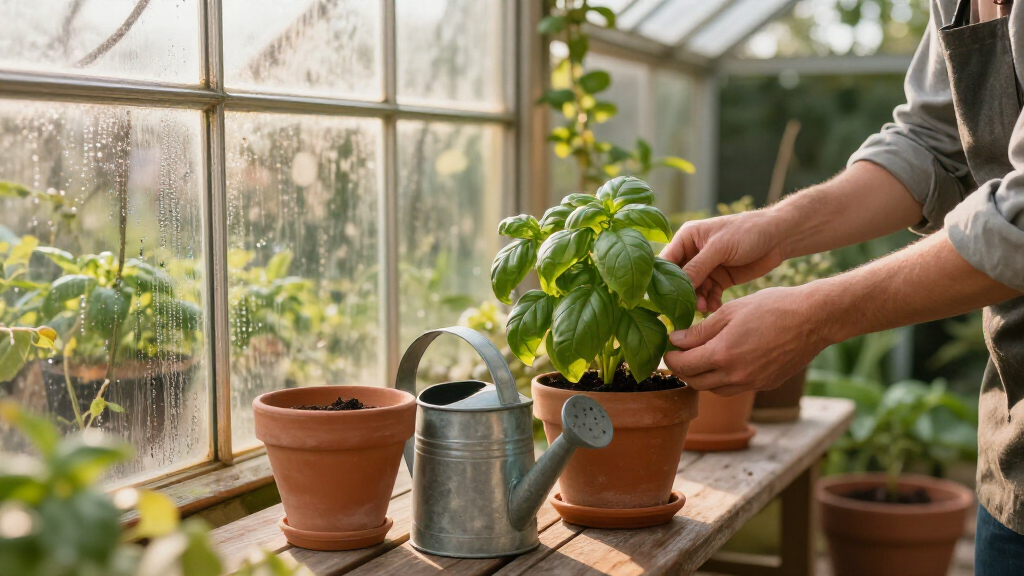
The report recommends choosing a healthy outdoor plant before cold weather damages its foliage, then moving it into a container with good drainage and a saucer or dish. A sunny windowsill is suggested as an indoor location. The pot should suit the plant’s size; the article says an established plant generally needs a container at least 8 inches deep and wide, while a deeper pot may be appropriate for a larger root system.
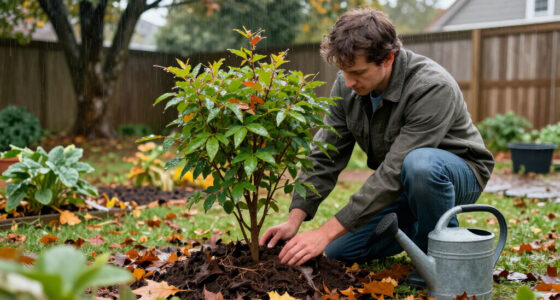
To transplant, the gardener should loosen the soil around the plant and lift it with the root ball intact, then place it in the prepared pot and fill around it with soil. The report notes that basil needs regular irrigation indoors, though it does not give a specific watering schedule. Gardeners should keep the plant in a warm, sunny place and monitor it for signs of cold damage or declining health.
The article also describes alternatives if a plant cannot be kept indoors. Gardeners can let it flower and die back, then save seeds from dried flower stalks for sowing the next year. The report advises collecting stalks after flowers turn brown, drying them indoors for several days, and storing the separated seeds in a dry, dark place. It also says older basil plants can become woody and produce less flavorful leaves, and suggests taking cuttings periodically to maintain younger growth.
Keeping Fresh Basil After Summer
For gardeners who want fresh leaves beyond the outdoor growing season, moving a plant inside may extend the harvest and avoid losing it to cold. This is especially relevant in places where summer is short or winter temperatures regularly fall below basil’s preferred range. The report’s temperature guidance gives readers a practical reason to act before leaves blacken, rather than waiting for frost damage.
The advice also offers more than one way to continue growing basil. Indoor care can preserve a plant for the colder months, while seed saving and propagation can support new growth later. Those approaches do not guarantee a particular yield: results will depend on the plant’s health and the conditions available indoors.
indoor basil plant pot with drainage
As an affiliate, we earn on qualifying purchases.
As an affiliate, we earn on qualifying purchases.
Basil’s Cold-Weather Limits
Basil, or Ocimum basilicum, is an annual herb in the mint family, according to the source report. It favors warm, sunny conditions. The article says gardeners in USDA Zone 10 or warmer may not need to bring plants inside unless local temperatures regularly dip below 50°F, but advises that cold exposure can still damage leaves.
Seasonal timing varies by location, so the report’s temperature thresholds are more useful than a single calendar date. It identifies temperatures near 50°F as a cold-stress concern and below 45°F as a danger zone. The supplied material does not provide regional forecasts or a detailed indoor-lighting plan; gardeners will need to account for their local conditions.
“Anything below 45°F is a danger zone.”
— Gardener’s Path report
Indoor Results Depend on Conditions
The source offers general seasonal guidance, not a guarantee that every transplanted basil plant will thrive indoors. It does not specify how many hours of light a plant needs, provide a humidity range or set a watering frequency. Indoor results may vary with available sunlight, warmth, pot size and plant health.
The supplied report excerpt also ends during its transplanting instructions, so it does not include all subsequent care details. Its suggestions about saving seeds and taking cuttings are practical options, but the material does not quantify germination rates, harvest amounts or how long a particular plant will remain productive.
Move Plants Before Cold Damage
Gardeners following the report should check local nighttime temperatures and move a healthy basil plant indoors before cold exposure blackens its leaves. The next step is to choose a container with drainage, preserve the root ball during transplanting and place the plant in a sunny indoor location. As fall progresses, they can watch for changes in leaf color and growth and adjust care to the conditions in their home.
Those who do not plan to keep a plant indoors can allow it to flower, collect its dried seeds and store them for spring sowing. Gardeners interested in a longer supply can also consult the report’s linked propagation guidance on taking cuttings. The source gives no follow-up date or formal next milestone; the immediate timing depends on when temperatures fall in each area.
Key Questions
When should I bring basil indoors?
The report advises moving basil inside as outdoor temperatures cool. It says temperatures near 50°F can blacken leaves and below 45°F are a danger, so gardeners should not wait for severe cold damage.
What kind of pot does basil need?
Use a container with good drainage. The report says an established plant should generally have a pot at least 8 inches deep and wide; larger plants may need more room for their roots.
Can basil keep producing leaves indoors all winter?
The report says a plant placed in a sunny indoor spot can continue growing through colder months, but it does not promise a particular harvest. Results depend on conditions and the plant’s health.
How can I save basil seeds for next year?
Wait for the flowers to turn brown, cut the flower stalks and dry them indoors for several days. Separate the small seeds and store them in a dry, dark place, the report advises.
Source: rss
Fall Picks
fall essentials
As an affiliate, we earn on qualifying purchases.