
TL;DR

Get garden gear delivered free — and shop member deals
- Fast, free delivery on millions of items
- Access to Prime Big Deal Days deals on October 6–7
- Prime Video, Amazon Music and more included
Online interest is spiking in a household tip that urges gardeners to keep old towels instead of discarding them, framed around advice attributed to a professional gardener. The underlying reuse practices are long-established among gardeners, but the specific viral claim and its origin are unverified.
A social-media-driven gardening tip — headlined “Don’t Throw Away Your Old Towels!” and framed around the habits of a professional gardener who reportedly saves worn towels for garden use — is drawing a sharp rise in online attention. The specific claims in the circulating post are unverified, but the underlying practices it references, using textile waste outdoors, are long-established among home gardeners and horticulture professionals.
The viral framing centers on a spouse described as a professional gardener who habitually sets aside old towels rather than throwing them out. Posts of this type typically list several outdoor uses for worn textiles, and this wave of interest follows a familiar pattern: a personal anecdote attached to practical household advice spreads through social platforms and content aggregators, driving search traffic around the core phrase.
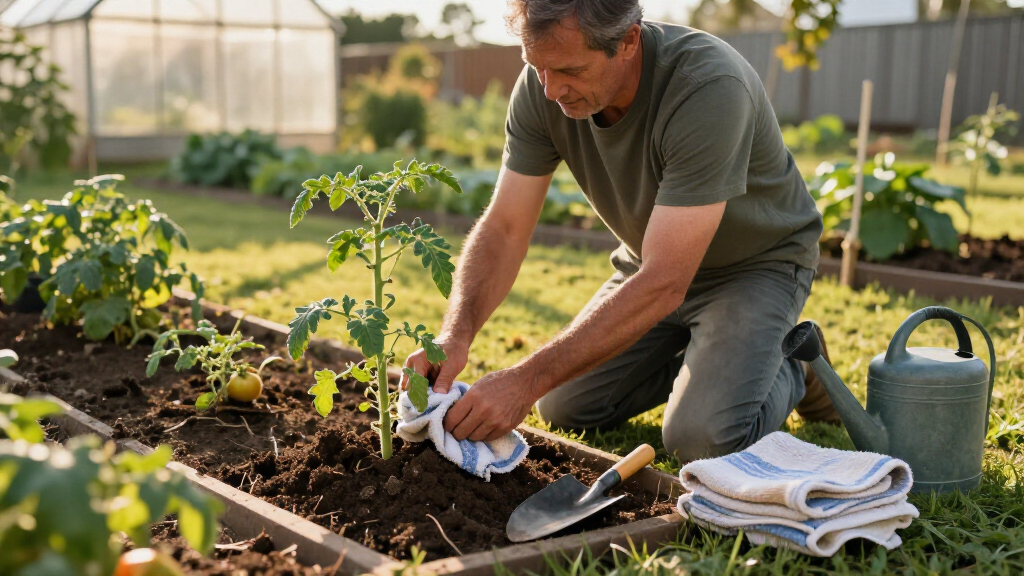
What is confirmed is the long-established practice itself. Gardeners have used old towels and similar fabric scraps for decades in ways that include weed suppression under mulch, wrapping container plants to insulate roots against frost, lining hanging baskets to retain moisture, wiping tools and hands, and covering newly seeded beds to keep soil damp during germination. Extension services and horticulture organizations in several countries have documented comparable uses for recycled textiles in home gardens.
What is not confirmed is the specific story. There is no verifiable record of the individual described, their professional credentials, or the exact routine attributed to them. The post’s authority rests entirely on the anecdotal framing, which is a common device in viral household-tip content and should not be read as expert endorsement.
Why Reuse Advice Spreads Fast
The interest spike reflects two reliable drivers of household-tip virality: cost savings and waste reduction. Textiles are a substantial household waste stream, and reuse guidance lets readers act immediately with materials they already own. Gardening advice framed around a named expert — even an unverifiable one — consistently outperforms generic tips, because readers weigh professional experience heavily when judging credibility.
For readers, the practical value is real regardless of the anecdote’s origin: towels are cheap, absorbent, and durable, which suits several garden tasks. Anyone following the advice should note that synthetic or dyed fabrics break down differently than natural fibers, and towels used outdoors will eventually shed fibers, so placement and eventual disposal still matter.
Textile Reuse Is Old Garden Practice
Using fabric waste in gardens predates the current social-media cycle by generations. Before commercial landscape fabric became widespread, homeowners commonly used burlap, carpet scraps, and old clothing for moisture retention and weed control. The broader “reuse before recycling” movement has kept such tips in steady circulation, with old towels a recurring staple because their absorbency and sturdiness suit outdoor work.
Viral household-tip posts follow a recognizable pattern: a first-person anecdote, an authority figure (a grandmother, a tradesperson, or in this case a professional gardener), and a list of money-saving uses. These posts resurface repeatedly across platforms, and spikes in search interest often follow their recirculation rather than any news event.
“Don’t throw away your old towels! My husband is a pro gardener, and he always saves them for the garden.”
— The circulating post (unverified)
What Can’t Be Verified Here
The trigger for the current spike is unconfirmed. The only verified information is the post’s existence and the surge of attention around it. There is no confirmed identity of the person described, no evidence of the professional gardening credentials claimed, and no way to confirm the routine attributed to them. Individual results with the tip — for example, how well towels suppress weeds or protect plants — vary with climate, fabric type, and placement, and no comparative data accompanies the post.
How to Try It Responsibly
Readers inclined to test the tip can start with low-risk uses: wiping tools, lining pots, or insulating containers ahead of frost. Natural-fiber towels are preferable for anything that will break down in soil. Interest in the post will likely follow the usual viral arc — a sharp peak followed by a decline — unless it is picked up by established gardening publications, which would provide the verification currently missing.
Key Questions
No. The anecdote is unverified, and no identifiable individual or credentials have been confirmed. Treat the story as a framing device rather than documented expert advice.
Do gardeners actually use old towels?
Yes. Reusing worn textiles for weed suppression, frost insulation, moisture retention, and cleanup in gardens is a long-established practice among home gardeners.
Are there any drawbacks to leaving towels in the garden?
Synthetic fibers shed microplastics and break down slowly, and dyed or treated fabrics can leave residues. Natural-fiber towels are the safer choice for soil contact, and any fabric left outdoors should be removed once it degrades.
Why is this tip getting attention now?
The post is circulating widely on social platforms, driving a spike in searches. The exact trigger for the current wave is unconfirmed.
What’s the best first use to try?
Low-risk starting points include wiping tools, lining the bottom of containers, and wrapping pots for frost protection — uses where results are easy to see and easy to reverse.
Source: rss
Fall Picks
fall essentials
As an affiliate, we earn on qualifying purchases.