To make environmental advocacy locally effective, you need to get involved in your community and focus on real, immediate concerns. By connecting with neighbors and local organizations, you can create shared ownership of issues like clean parks or safer waterways. Acting quickly on problems and gathering local data helps influence policies and builds trust. When you work together, you’ll see real change, and there’s much more you can do to make a lasting impact.

Get garden gear delivered free — and shop member deals
- Fast, free delivery on millions of items
- Access to Prime Big Deal Days deals on October 6–7
- Prime Video, Amazon Music and more included
Key Takeaways
- Engages community members directly, fostering ownership and immediate action on local environmental issues.
- Addresses tangible, community-specific needs to influence local policies and regulations effectively.
- Involves residents in data collection and monitoring, strengthening advocacy with firsthand information.
- Enables quick response to local environmental crises, motivating authorities to prioritize immediate concerns.
- Builds connections with local organizations and social networks, amplifying efforts and cultural shifts toward stewardship.
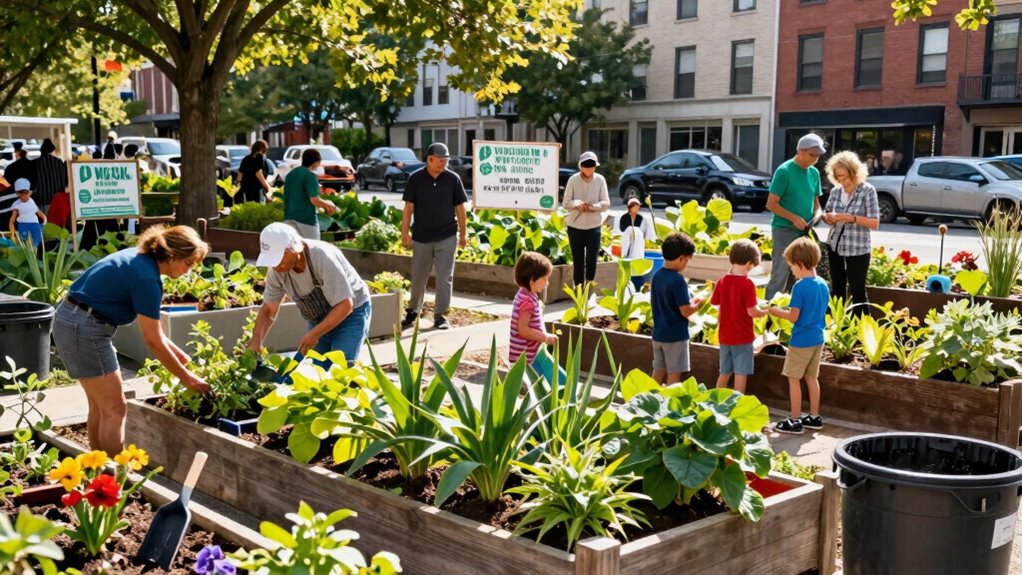
Local environmental advocacy often proves more effective than broader campaigns because it directly engages communities and addresses immediate concerns. When you focus on your local area, you create opportunities for genuine community engagement, which is vital for building trust and motivating action. People are more likely to support initiatives they see impacting their daily lives—cleaner parks, safer waterways, or improved air quality. Your ability to connect with neighbors, local organizations, and neighborhood groups makes it easier to rally collective effort and sustain momentum. This kind of engagement not only raises awareness but also fosters a sense of shared responsibility, empowering residents to take ownership of environmental issues.
Local advocacy builds trust, sparks action, and fosters shared responsibility for environmental change in the community.
Because local advocacy is rooted in tangible issues, it has a stronger potential to influence policy. When you demonstrate clear, community-backed needs, policymakers are more inclined to listen and act. Your efforts can lead to the development or revision of local ordinances, zoning laws, or conservation programs that directly benefit your community. By mobilizing residents to voice their concerns, you create a compelling mandate for change that decision-makers can’t ignore. This policy influence is often more immediate and impactful than nationwide campaigns, which tend to be more abstract and less tailored to specific community needs.
Engaging your community also helps gather valuable data and insights. When you involve residents in monitoring local environmental conditions or organizing cleanup events, you gather firsthand information that strengthens your advocacy. This grassroots input can be a powerful tool when negotiating with local authorities or presenting evidence for policy adjustments. Additionally, community engagement fosters partnerships with schools, businesses, and civic organizations, expanding your reach and resources. These collaborations can lead to innovative solutions and shared responsibility, making environmental efforts more sustainable over time. Moreover, utilizing local knowledge enhances the accuracy and relevance of your advocacy strategies. Developing a community-driven approach ensures that efforts are aligned with the specific needs and strengths of your area, making them more effective. Incorporating technological tools can also streamline data collection and communication, increasing the impact of your initiatives. Furthermore, leveraging social networks can amplify your message and mobilize broader support for local environmental causes.
Another key aspect of local advocacy’s effectiveness is its ability to adapt quickly. When issues arise—like a pollution spill or illegal dumping—you respond faster at the community level. Your immediate actions can set off a chain reaction, prompting authorities to prioritize the problem. The visibility of local efforts also inspires others to get involved, creating a ripple effect that amplifies your influence. Over time, sustained local advocacy can shift cultural attitudes toward environmental stewardship, making conservation a core value within the community. Additionally, focusing on biodiversity enhances the resilience of local ecosystems and fosters a deeper connection between residents and their natural environment.
Frequently Asked Questions
How Can Local Communities Measure Environmental Advocacy Success?
You can measure environmental advocacy success by tracking community engagement and policy influence. Look at how many residents participate in events or campaigns, indicating strong local support. Also, assess changes in local policies or regulations that favor environmental protection. If your efforts lead to tangible improvements, like cleaner parks or stricter pollution laws, it shows your advocacy is making a real difference. These indicators demonstrate your impact on the community and the environment.
What Funding Sources Support Local Environmental Advocacy Efforts?
Think of funding sources as the lifeblood of your advocacy efforts. You can tap into grant opportunities from government agencies, foundations, and environmental nonprofits that pour resources into your cause. Sponsorship partnerships with local businesses also act as sturdy bridges, providing financial support while boosting community engagement. Together, these funding streams energize your initiatives, helping you turn environmental dreams into tangible, impactful actions that resonate throughout your community.
How Do Cultural Differences Influence Local Environmental Campaigns?
Cultural perceptions and traditional practices shape how your community responds to environmental campaigns. If you respect and incorporate local values, you’ll build trust and encourage participation. For example, acknowledging traditional practices that support conservation can strengthen your message. Conversely, ignoring these cultural aspects may cause resistance. By understanding and integrating local beliefs, you make your advocacy more relatable, effective, and sustainable, fostering stronger community engagement and long-term environmental change.
What Role Do Schools Play in Local Environmental Advocacy?
Schools act as the roots of local environmental advocacy, grounding communities in knowledge and action. You might remember a story where a school’s recycling program sparked community-wide change. School programs and educational partnerships empower students to become environmental stewards, spreading awareness and inspiring action. By integrating environmental topics into curricula and collaborating with local groups, schools foster a culture of sustainability, making a lasting impact on the community’s ecological health.
How Can Individuals Effectively Collaborate With Local Governments?
You can effectively collaborate with local governments through active community engagement and policy advocacy. Attend public meetings, voice your concerns, and build relationships with officials. Share data and stories that highlight environmental issues important to your community. Partner with local organizations to amplify your message. By staying informed, persistent, and respectful, you’ll help influence policies that protect your environment and foster lasting change.
Conclusion
So, remember, your local efforts hold incredible power—if you stay committed and strategic, you can ignite real change. But here’s the catch: the true impact depends on your ability to harness community voices, build alliances, and stay persistent even when challenges arise. The question is, are you ready to take that next step? Because if you do, you might just discover a force capable of transforming your environment in ways you never imagined. The future’s in your hands—what will you do next?
Fall yard work Picks
leaf blowers
As an affiliate, we earn on qualifying purchases.