
TL;DR

Get garden gear delivered free with Prime
- Fast, free delivery on millions of items
- Prime Video, Amazon Music and more included
- Member-only deals all year
Three bird species—purple martins, purple finches, and barn swallows—are effective wasp predators. Experts recommend specific habitat features to attract these birds for natural pest control in your yard.
Three bird species—purple martins, purple finches, and barn swallows—are confirmed to prey on wasps, offering natural pest control for backyard gardens. Experts say that by creating suitable habitats, homeowners can attract these birds to their yards, reducing wasp populations and enjoying their beauty simultaneously.
Recent observations and bird conservation guidelines indicate that purple martins, purple finches, and barn swallows feed on wasps, especially during the late summer and fall months. These species are known for their insect-eating habits and are considered beneficial for controlling pest insects naturally. Bird enthusiasts and ornithologists recommend specific habitat modifications to attract these species, such as installing birdhouses, providing nesting sites, and planting native plants that support insect prey.
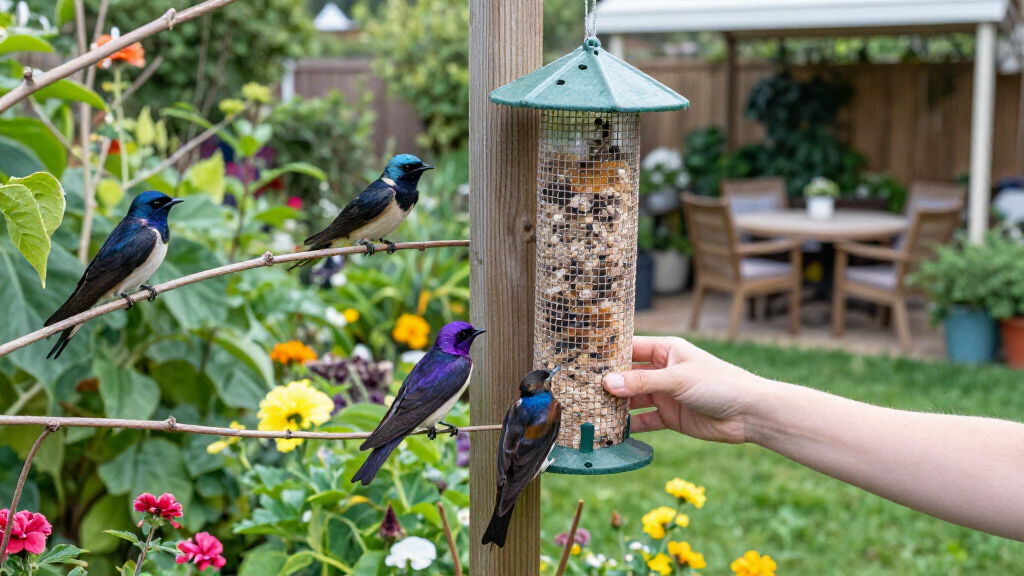
For example, purple martins prefer large, open spaces with communal nesting sites, which can be encouraged through the placement of martin houses at appropriate heights. Barn swallows are attracted to structures like eaves and fences, where they build mud nests, while purple finches benefit from native shrubs and trees that support insect populations. These birds are not only effective wasp predators but also add aesthetic value to gardens with their vibrant plumage and lively presence. Learn more about attracting hummingbirds and other beneficial birds to your yard.
While the natural predation of wasps by these birds can help reduce wasp nuisance, experts caution that attracting sufficient numbers to significantly impact wasp populations requires consistent habitat management and patience. It is also advised to avoid using chemical pesticides that could harm these beneficial birds.
Why Backyard Birds Matter for Natural Pest Control
Attracting these bird species to your yard offers a sustainable and chemical-free way to manage wasp populations, which can be a nuisance and pose health risks, especially to children and pets. Promoting biodiversity by supporting native insectivorous birds also benefits overall ecosystem health. Additionally, these birds contribute to the visual appeal of gardens and can enhance the outdoor experience, making yards more lively and vibrant. For homeowners seeking eco-friendly pest control options, understanding how to attract and support these bird species provides an effective, natural solution that aligns with conservation efforts.
As an affiliate, we earn on qualifying purchases.
Recent Trends in Backyard Bird Conservation and Pest Control
Over recent years, conservationists and backyard enthusiasts have increasingly recognized the role of native birds in controlling pest insects, including wasps. The three species highlighted—purple martins, purple finches, and barn swallows—are all native to North America and have shown adaptability to suburban environments. Historically, these birds have been appreciated for their beauty and insect-eating habits, but recent studies emphasize their importance in natural pest management. Bird-friendly practices, such as installing nesting sites and native plant gardening, have gained popularity among homeowners aiming to reduce reliance on chemical pesticides and promote local biodiversity.
These efforts are supported by organizations like the Audubon Society, which promote habitat creation and bird conservation as integral parts of sustainable gardening. The recognition of these birds’ role in pest control underscores a broader shift toward eco-conscious yard management.
Limitations and Unknowns in Using Birds for Wasp Control
While these birds are confirmed wasp predators, the extent to which they can control local wasp populations remains uncertain. Factors such as bird density, wasp abundance, and habitat quality influence effectiveness. Additionally, attracting sufficient numbers of these birds to make a measurable impact can take time and consistent habitat management. Researchers caution that relying solely on birds may not eliminate wasp problems entirely, especially in heavily infested areas.
Further studies are needed to quantify the actual reduction in wasp populations attributable to these birds in typical backyard settings.
Next Steps for Homeowners and Conservationists
Homeowners interested in attracting these beneficial birds should focus on creating bird-friendly habitats by installing appropriate nesting sites, planting native vegetation, and reducing pesticide use. Conservation groups will likely continue to promote these practices and conduct research to better understand the impact of native insectivorous birds on pest populations. Future efforts may include community programs to install birdhouses and native plant gardens, further supporting these species and their pest control role.
Monitoring bird populations and wasp activity over the coming seasons will help assess the effectiveness of these strategies and guide best practices for backyard pest management.
Key Questions
Which birds eat wasps and are suitable for backyard gardens?
Purple martins, purple finches, and barn swallows are three native North American species that feed on wasps and can be attracted to yards through habitat modifications.
How can I attract these birds to my yard?
Install birdhouses suitable for each species, plant native shrubs and trees that support insect prey, and reduce pesticide use to create a welcoming environment.
Do these birds significantly reduce wasp populations?
While they prey on wasps, the extent of their impact varies based on habitat quality and bird numbers. They can help reduce wasp nuisance but may not eliminate it entirely.
Are there any precautions to consider when attracting these birds?
Ensure birdhouses are properly maintained and placed at appropriate heights, and avoid using pesticides that could harm both the birds and their prey.
When is the best time to attract these birds for wasp control?
The late summer and fall months are ideal, as these birds are most active in insect hunting during this period.
Source: rss
Halloween Picks
halloween
As an affiliate, we earn on qualifying purchases.