
TL;DR

Get garden gear delivered free — and shop member deals
- Fast, free delivery on millions of items
- Access to Prime Big Deal Days deals on October 6–7
- Prime Video, Amazon Music and more included
Many gardeners notice tomato plants producing flowers without setting fruit. This article explains common causes and solutions to improve fruiting before the season ends. Confirmed issues include environmental stress and pollination problems.
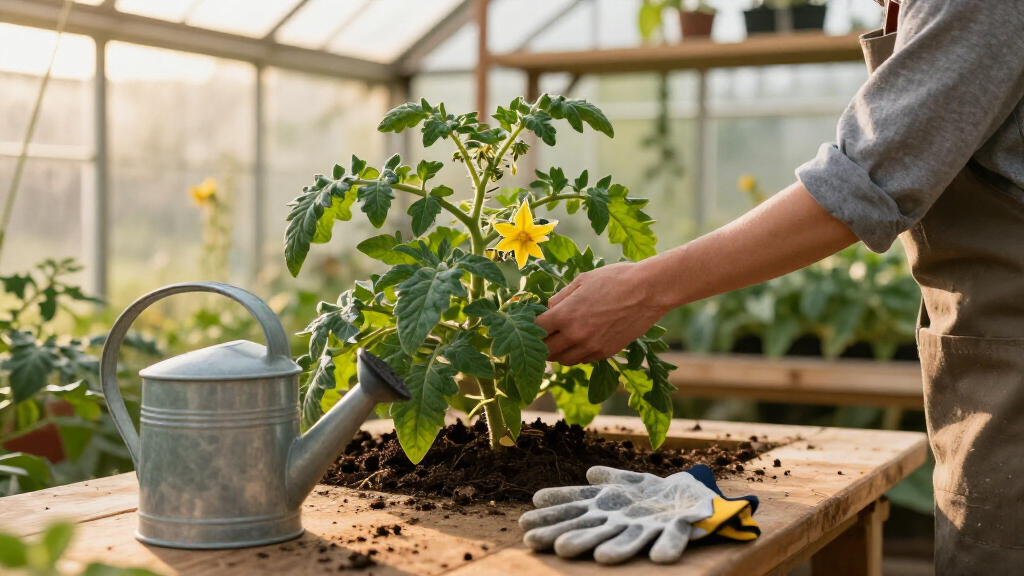
Many home gardeners are observing tomato plants that continue to produce flowers but fail to set fruit, raising concerns about the end of the growing season. Pruning plants at the right time can help improve overall health and yield. Experts confirm that environmental stressors and pollination issues are common causes of this problem, which can impact harvests if not addressed promptly. This situation matters because it directly affects gardeners’ yields and the overall success of their tomato crops.
According to horticulturists, the most common reason for tomato plants having flowers but no fruit is environmental stress, particularly high temperatures and inconsistent watering. When daytime temperatures exceed 85°F (29°C), tomato flowers often drop before setting fruit, a phenomenon known as blossom drop. Additionally, fluctuations in soil moisture can cause the plant to abort developing fruit, even if flowers are appearing.
Pollination problems are another significant factor. Tomatoes rely on bees and other pollinators, or sometimes wind, to transfer pollen from the stamens to the pistils within each flower. Understanding how to protect your garden from environmental stress can be crucial. If weather conditions are too hot, too humid, or too windy, pollination efficiency decreases, resulting in flowers that do not turn into fruit. Gardeners are advised to monitor weather patterns closely and consider manual pollination methods, such as gently shaking the plants or using a small brush to transfer pollen.
Experts recommend adjusting watering practices—keeping soil consistently moist but not waterlogged—and providing shade during the hottest parts of the day to mitigate heat stress. Learn more about pruning tomatoes for better yields. Ensuring adequate airflow around plants can also help reduce humidity and promote better pollination.
Impact of Flowering Without Fruit on Garden Yields
This issue directly affects the quantity and quality of tomato harvests for home growers and small-scale farmers. If flowers fail to develop into fruit, it can lead to a significant reduction in yield, especially as the growing season nears its end. Addressing the causes of blossom drop and pollination failure can help maximize remaining harvest potential and prevent total crop loss.
As an affiliate, we earn on qualifying purchases.
Common Causes of Blossom Drop and Fruit Set Failure
Tomato plants typically start flowering in mid to late summer. However, environmental factors such as high temperatures, low humidity, and inconsistent watering can cause flowers to drop prematurely. These issues tend to intensify during late summer and early fall, especially in regions experiencing heatwaves or drought conditions. Historically, gardeners have faced similar challenges, but recent climate variations have increased the frequency and severity of these problems. Prior advice from agricultural extension services emphasizes maintaining uniform soil moisture, providing shade, and ensuring proper pollination to improve fruit set.
“Manual pollination by gently shaking plants or using a small brush can improve fruit set when pollinators are scarce or weather conditions are unfavorable.”
— John Miller, experienced gardener and tomato grower
Unclear Factors and Limitations in Addressing the Problem
While environmental stress and pollination are confirmed causes, it is still unclear how much each factor contributes in specific cases. Additionally, the impact of early-season pests or diseases on flowering and fruiting remains less well understood. There is also limited data on how changing climate patterns will influence these issues in the long term, making it difficult to predict future trends or develop universal solutions.
Next Steps for Gardeners Facing Blossom Drop
Gardeners are advised to implement immediate measures such as maintaining consistent watering, providing shade during peak heat, and manually assisting pollination if needed. Monitoring weather forecasts closely can help time interventions effectively. Researchers and extension services are expected to develop more targeted strategies and possibly new tomato varieties resistant to heat stress. As the season progresses, gardeners should continue adjusting practices and consider harvesting any ripe fruit promptly to maximize yields.
Key Questions
Why are my tomato flowers dropping without forming fruit?
The most common reasons are environmental stress, especially high temperatures, and poor pollination. Ensuring consistent watering, providing shade, and helping with pollination can reduce flower drop.
Can I still get a harvest if my tomato plants have flowers but no fruit?
Yes, by addressing environmental conditions and manually assisting pollination, you can improve fruit set and harvest potential before the season ends.
What can I do to prevent blossom drop in the future?
Maintain consistent soil moisture, provide shade during hot weather, and support pollination through manual methods if natural pollinators are scarce.
When should I start harvesting my tomatoes?
Harvest ripe tomatoes as soon as they reach maturity to maximize yield and prevent overripening, especially as the season winds down.
Are there tomato varieties more resistant to heat stress?
Some newer varieties are bred for better heat tolerance, but consult local extension services or seed suppliers for recommendations suited to your region.
Source: rss
Fall yard work Picks
leaf blowers
As an affiliate, we earn on qualifying purchases.