TL;DR

Get garden gear delivered free with Prime
- Fast, free delivery on millions of items
- Prime Video, Amazon Music and more included
- Member-only deals all year
Six herbs can be planted in August that will keep growing as summer fades. These herbs provide ongoing fresh flavor for home cooks. The article details which herbs are best and why they matter.
Six herbs can be planted in August that will continue to grow into the fall, according to gardening experts. This allows home gardeners to maintain fresh, homegrown flavor even as summer ends, without the need to replant or buy herbs from stores.
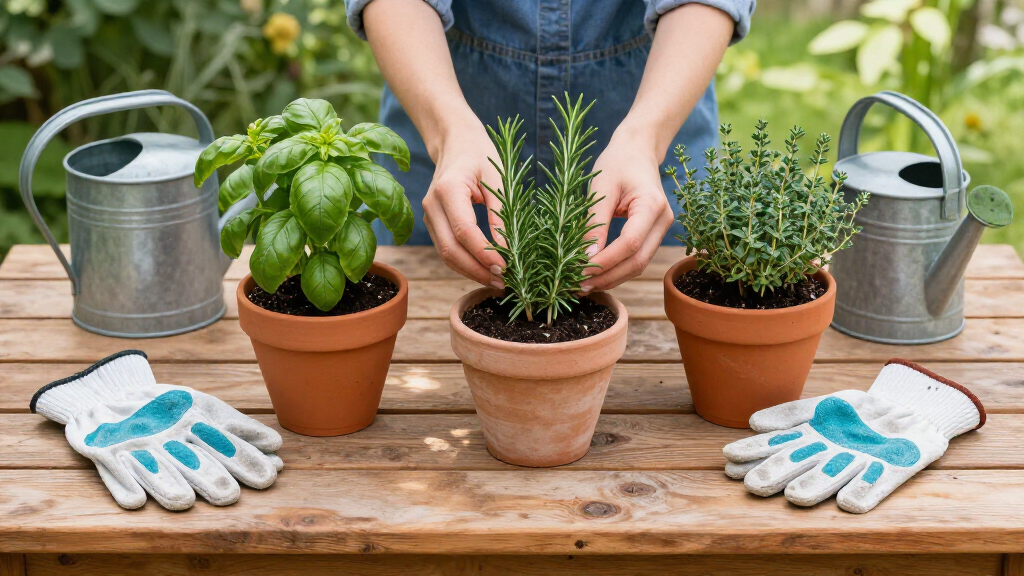
Gardening specialists recommend planting herbs such as basil, mint, parsley, chives, oregano, and thyme in August. These herbs are known for their resilience and ability to persist into cooler weather, especially when planted at the right time and with proper care. Experts from gardening outlets emphasize that many of these herbs have extended growing seasons if planted during late summer, providing fresh flavor for months. For example, basil and mint, traditionally considered summer herbs, can continue thriving if protected from frost, while hardy herbs like oregano and thyme often become more robust in cooler temperatures. The advice comes amid a trend of encouraging home gardeners to maximize their growing seasons and reduce reliance on store-bought herbs as summer wanes.Why August Planting of These Herbs Matters for Home Gardeners
Planting these six herbs in August enables gardeners to extend their harvesting season into fall, reducing the need to buy herbs from markets. This practice supports sustainable living, saves money, and enhances flavor in home cooking. Additionally, growing herbs at home can improve access to fresh, organic ingredients, which is increasingly important for health-conscious consumers. The advice also helps gardeners optimize their outdoor space and make the most of late-season planting, especially in regions with mild climates. As experts note, continuing to grow herbs into cooler months can also provide a natural way to enjoy fresh flavors without the need for indoor gardening setups.
As an affiliate, we earn on qualifying purchases.
Late Summer Planting Trends and Herb Growth Cycles
Traditionally, many herbs are planted in early spring or late spring, but recent gardening advice highlights the benefits of planting in August to extend the growing season. Some herbs, like basil and mint, are considered summer staples but can be kept alive with proper care, such as frost protection. Other herbs, including oregano and thyme, are more resilient and thrive in cooler weather, making August an ideal time for planting or replanting. This advice aligns with broader trends in sustainable, home-based food production, especially as many gardeners seek to maximize their harvests before winter. The recommendations are based on regional climate variations, with gardeners in milder climates able to extend their herb-growing season more easily.
“Plantting these six herbs in August allows you to enjoy fresh, homegrown flavors well into the fall. Proper care and timing are key.”
— Laura Jensen, gardening expert at GreenThumb Gardens
Regional Variations and Frost Risks for August Planting
It is not yet clear how regional climate differences will affect the success of planting these herbs in August, especially in areas prone to early frosts. While experts suggest that hardy herbs can survive cooler temperatures, specific frost dates and weather patterns could limit their growth. Gardeners in colder zones may need to take additional protective measures or delay planting until later in the season. Further regional guidance is expected to clarify optimal planting windows and care strategies.
Monitoring Weather and Protecting Herbs for Extended Harvests
Gardeners should monitor local weather forecasts and prepare to protect herbs from early frosts, such as using covers or indoor transplantation. Continued care and proper protection can help maximize the growing season and ensure herbs thrive into late fall. Experts recommend checking plant health regularly and harvesting herbs before any potential frost damage. Future advice may include specific techniques for overwintering herbs or extending their growth indoors.
Key Questions
Can I plant basil in August in colder regions?
In colder regions, basil may need protection from frost or may be better started indoors and transplanted outside later. Check local frost dates for best timing.
How do I protect herbs from early frost?
Use frost cloths, bring potted herbs indoors, or cover plants with blankets during cold nights to extend their growing season.
Are all herbs suitable for planting in August?
No, only hardy or frost-tolerant herbs like oregano and thyme are reliably planted in August. Tender herbs like basil and mint need extra care or protection.
How long can I expect these herbs to keep growing?
With proper protection, many herbs can continue to grow into late fall, sometimes until the first hard frost.
Source: rss
Halloween Picks
halloween
As an affiliate, we earn on qualifying purchases.