
TL;DR
This article identifies six cover crops recommended for planting after vegetable harvests to enhance soil fertility. Experts suggest these crops can improve soil structure and nutrient content for future planting.
Experts recommend planting six specific cover crops after vegetable harvests to improve soil health and fertility for the next planting season. These crops are suggested to enhance soil structure, add nutrients, and reduce erosion, benefiting gardeners and farmers preparing for future crops.
According to recent agricultural guidance, the six cover crops suitable for planting after vegetable harvesting are clover, vetch, winter rye, hairy vetch, oats, and radishes. These crops are known for their ability to fix nitrogen, improve soil texture, and suppress weeds. Experts from sustainable farming organizations emphasize that incorporating these cover crops can reduce the need for chemical fertilizers and improve crop yields in subsequent seasons.
Gardening specialists recommend selecting cover crops based on local climate and soil conditions. For example, clover and vetch are particularly effective in nitrogen fixation, while rye and oats help with soil erosion control and organic matter buildup. Radishes, especially daikon varieties, can break up compacted soil, aiding root penetration.
Farmers and gardeners are advised to plant these cover crops in late fall or early winter, depending on regional climate, to maximize their benefits before the next planting cycle begins. Proper termination methods, such as mowing or tilling, are also discussed to prepare the soil for upcoming crops.
Why Cover Crops After Harvest Matter for Soil Health
Planting cover crops after vegetable harvests is a proven method to improve soil fertility and structure, which can lead to higher yields and healthier plants in the following season. This practice reduces reliance on synthetic fertilizers, lowers erosion risk, and enhances biodiversity in the soil ecosystem. For gardeners and farmers, adopting these cover crops supports sustainable agriculture and long-term soil productivity, making it a vital step in crop rotation strategies.
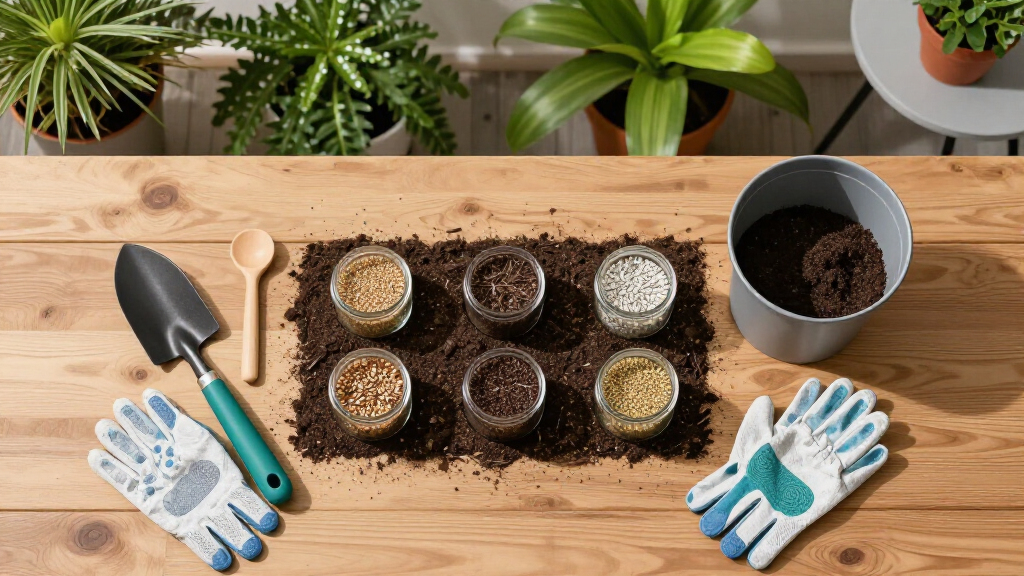
cover crop seed mix for soil health
As an affiliate, we earn on qualifying purchases.
As an affiliate, we earn on qualifying purchases.
Background on Cover Crops and Seasonal Planting Practices
Cover cropping is an age-old agricultural practice that has gained renewed attention amid concerns over soil degradation and the environmental impact of chemical fertilizers. Recent guidance emphasizes the importance of planting specific cover crops during the off-season, especially after main vegetable crops are harvested. These crops help replenish nutrients, improve soil structure, and suppress weeds, contributing to sustainable farm and garden management.
Previous studies have shown that cover crops like clover and vetch can significantly increase nitrogen levels in the soil, reducing the need for additional fertilization. The timing of planting these crops varies regionally but generally aligns with late fall or early winter to maximize benefits before the next planting cycle.
While the benefits are well-documented, some uncertainty remains about the best practices for terminating cover crops and integrating them into existing crop rotations, which can vary based on local conditions and crop choices.
“Choosing the right cover crop depends on your soil type and climate, but crops like clover and rye are generally versatile and beneficial.”
— Tom Johnson, Organic Farmer
Uncertainties About Cover Crop Termination and Management
While the benefits of planting cover crops are well-supported, there is still some debate about the best methods for terminating these crops and integrating them into existing soil management practices. The optimal timing and techniques may vary based on regional climate, crop types, and soil conditions, and further research is ongoing to refine these practices.
Next Steps for Gardeners and Farmers Planning Cover Crops
Practitioners are encouraged to select appropriate cover crops based on their local climate and soil needs, and to plan planting schedules accordingly. Future research may provide more detailed guidelines on termination methods and crop rotation schedules. Local extension services and agricultural organizations are expected to offer additional resources and support for implementing cover cropping strategies effectively.
Key Questions
Which cover crop is best for nitrogen fixation?
Clover and vetch are among the best cover crops for fixing nitrogen in the soil, making them ideal choices for enriching soil fertility.
When should I plant cover crops after harvesting vegetables?
Typically, late fall or early winter is recommended, depending on your regional climate and the specific crop you are planting.
How do I terminate cover crops before planting my next crop?
Common methods include mowing, tilling, or using herbicides, with timing optimized to prevent interference with subsequent planting.
Can cover crops help reduce soil erosion?
Yes, especially crops like rye and oats that provide ground cover during off-season periods, reducing erosion risk.
Are cover crops suitable for small home gardens?
Absolutely; many cover crops are easy to grow and can significantly improve soil health in small-scale gardening.
Source: rss