TL;DR

Get garden gear delivered free — and shop member deals
- Fast, free delivery on millions of items
- Access to Prime Big Deal Days deals on October 6–7
- Prime Video, Amazon Music and more included
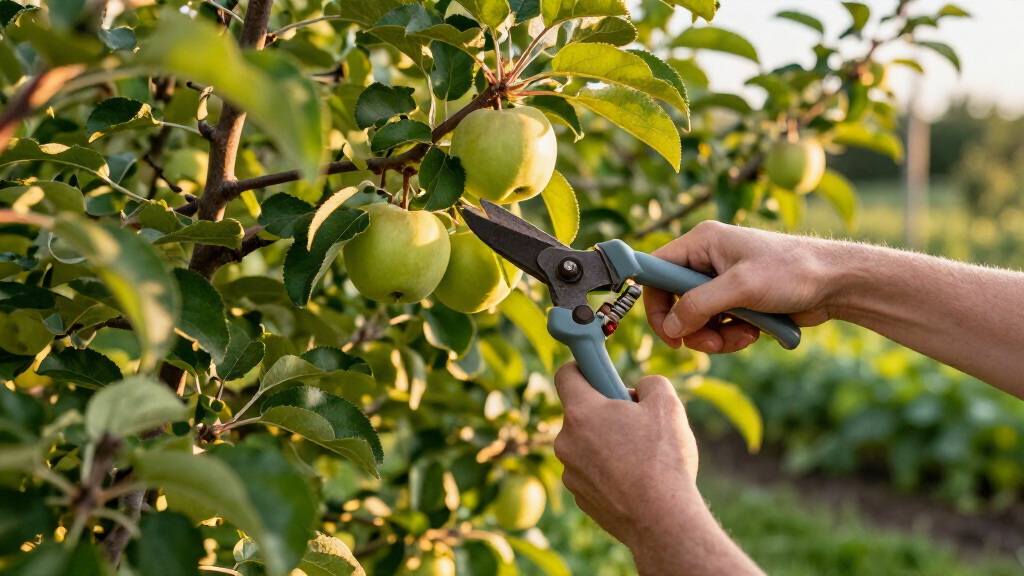
Six fruit tree varieties are identified as thriving with minimal neglect, making them ideal for stress-free gardening. This development offers gardeners a way to enjoy fresh fruit with less effort, especially in small or busy yards.
Six fruit trees—apple, pear, fig, mulberry, quince, and jujube—are confirmed to thrive with minimal care, providing a lush, stress-free harvest for gardeners with limited time or space. This development offers a practical solution for those seeking productive, low-maintenance fruit trees, especially in small yards or urban settings.
According to recent gardening guides and expert opinions, these six fruit trees are notably resilient and require little to no regular watering, fertilizing, or pruning. They are capable of producing abundant fruit even when neglected, making them ideal choices for busy or inexperienced gardeners. The selection includes varieties that are naturally drought-tolerant and adaptable to various soil conditions, reducing the need for intensive maintenance.
Gardening specialists emphasize that these trees can be grown in small spaces, such as container gardens or limited yard areas, without sacrificing yield. For example, fig trees are known for their drought resistance and minimal pruning needs, while jujube trees can withstand neglect and poor soil. Experts also note that some of these trees, like mulberry and quince, are less susceptible to pests and diseases, further reducing the need for intervention.
Low-Maintenance Fruit Trees Offer Stress-Free Harvests
This development is significant for urban gardeners, beginners, and those with limited time or physical ability to care for traditional fruit trees. By choosing these six varieties, gardeners can enjoy fresh, homegrown fruit without the labor-intensive care typically associated with orchard maintenance. It also encourages more people to grow their own food, contributing to sustainable living and local food security.
low maintenance fruit trees for small yard
As an affiliate, we earn on qualifying purchases.
As an affiliate, we earn on qualifying purchases.
Recent Trends in Low-Care Gardening and Fruit Production
In recent years, there has been a growing interest in low-maintenance gardening solutions, driven by urbanization, climate change, and busy lifestyles. Experts have increasingly recommended hardy, drought-tolerant fruit trees that can produce reliably with minimal intervention. This trend aligns with broader movements toward sustainable, eco-friendly gardening practices that reduce water and chemical use.
Historically, fruit trees require regular pruning, watering, and pest management. However, new varieties and cultivation techniques now enable successful growth with less effort, appealing to a broader demographic of gardeners and urban farmers. The identification of these six resilient trees is a recent addition to this evolving landscape.
What Specific Growing Conditions Support These Trees?
While these trees are noted for their resilience, specific details about the optimal soil types, climate zones, and watering needs are still being studied. It is not yet clear how they perform across diverse environments or under extreme weather conditions.
Further Research and Gardening Trials Are Expected
Researchers and gardening organizations plan to conduct more extensive trials to determine the best practices for cultivating these trees in various climates. Gardeners are encouraged to experiment with small plantings and share their experiences to refine care guidelines.
Key Questions
Can these trees be grown in containers?
Yes, many of these trees, such as fig and jujube, are suitable for container gardening, making them ideal for small spaces or urban environments.
Are these trees resistant to pests and diseases?
Some, like mulberry and quince, are naturally less susceptible to common pests and diseases, reducing the need for chemical treatments.
Do these trees require any special soil or climate conditions?
While generally adaptable, optimal growth varies by species. For example, jujube prefers dry, well-drained soil, and fig trees thrive in warm, dry climates. Specific care guidelines are still being developed.
Will neglect significantly reduce fruit yield?
While these trees are resilient, consistent neglect may still impact yield quality and quantity. Proper initial planting and occasional care can optimize production.
Source: rss
Fall Picks
fall essentials
As an affiliate, we earn on qualifying purchases.