
TL;DR

Get garden gear delivered free — and shop member deals
- Fast, free delivery on millions of items
- Access to Prime Big Deal Days deals on October 6–7
- Prime Video, Amazon Music and more included
Seven common plants are identified as highly flammable and should be kept away from fireworks to prevent fires. Experts warn homeowners to exercise caution during fireworks season.
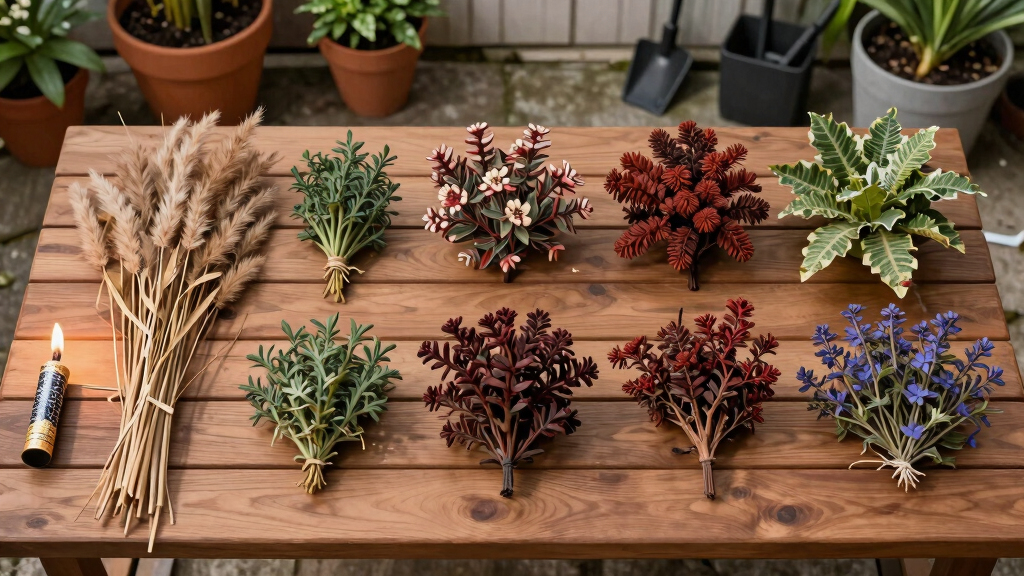
Authorities and fire safety experts have identified seven commonly grown plants that are unexpectedly highly flammable and pose a significant fire risk during fireworks displays. These plants, often found in residential gardens, can ignite easily if exposed to sparks or heat from fireworks, increasing the risk of house fires or wildfires.
According to fire safety officials, plants such as junipers, certain cypress varieties, juniper bushes, pampas grass, ornamental grasses, and dry shrubs are particularly flammable. Experts emphasize that these plants contain high levels of oils, resins, or dry foliage that can ignite quickly when exposed to sparks from fireworks. The warning comes ahead of the upcoming fireworks season, with authorities urging homeowners to assess their gardens and take precautions.
Fire departments have reported an increase in brush fires and property fires linked to outdoor fireworks use, especially in areas with dense vegetation. Experts suggest maintaining a safe distance between fireworks and flammable plants, and recommend removing or moistening such plants before celebrations to reduce fire risk.
Why Identifying Flammable Plants Is Critical for Fire Safety
This warning is significant because it highlights a previously overlooked fire hazard that can escalate quickly during fireworks events. With many homes and communities celebrating outdoors, understanding which plants pose a risk can help prevent fires, property damage, and potential injuries. Fire officials stress that simple precautions, such as clearing dry vegetation, can make a substantial difference in fire prevention during fireworks displays.
As an affiliate, we earn on qualifying purchases.
Background on Fire Risks and Vegetation During Fireworks Season
Fire safety experts have long warned about the dangers of fireworks igniting outdoor vegetation. However, recent studies and reports have identified specific plants that are unexpectedly flammable, even when they appear harmless. Historically, dry grasses and shrubs have been recognized as fire hazards, but new findings emphasize that some ornamental and landscape plants also pose risks. This development comes amid increasing wildfire concerns in many regions, especially during dry seasons.
“Many homeowners are unaware that certain plants in their gardens can ignite easily when exposed to fireworks sparks. Recognizing these plants is key to preventing fires.”
— Jane Smith, Fire Safety Expert
Uncertainties About Flammability Levels and Plant Identification
While experts have identified seven plants as highly flammable, the exact ignition thresholds and how they vary with environmental conditions remain unclear. Additionally, there is ongoing research into how different plant varieties or moisture levels influence flammability, and whether certain ornamental plants pose less risk than others.
Next Steps for Public Awareness and Fire Prevention Measures
Authorities plan to release detailed guidelines for homeowners on managing flammable vegetation ahead of fireworks celebrations. Fire departments will also increase outreach efforts, including community workshops and informational campaigns, to educate the public about specific plants to avoid or treat before fireworks use. Further research may also refine safety recommendations.
Key Questions
Which plants are most flammable and should be avoided near fireworks?
Experts highlight plants such as junipers, cypress, pampas grass, ornamental grasses, and dry shrubs as particularly flammable. These plants contain oils, resins, or dry foliage that ignite easily.
How can I reduce fire risk from plants during fireworks celebrations?
Remove or water down dry, flammable plants, create a safety clearance zone around fireworks, and avoid planting highly flammable species near areas where fireworks will be used.
Are all ornamental plants dangerous during fireworks displays?
No, not all ornamental plants are equally flammable. However, those with high oil or resin content, or that are dry and dead, pose greater risks. Identifying and managing these plants is crucial for safety.
What should I do if I suspect my garden has flammable plants?
Consult local fire safety guidelines and consider removing or treating these plants to reduce fire hazards. Contact your local fire department for specific recommendations.
Will there be official warnings or regulations about plants and fireworks safety?
Yes, fire safety agencies are expected to issue guidelines and conduct outreach campaigns to raise awareness about fire hazards related to vegetation during fireworks season.
Source: rss
Halloween Picks
halloween
As an affiliate, we earn on qualifying purchases.