To succeed in vermicomposting, you should use moist bedding like shredded newspaper or coconut coir, and avoid overfeeding worms or adding processed foods. Keep the environment balanced by monitoring moisture levels and preventing odors or pests. Never use chemicals, pesticides, or meat, and always check for signs of imbalance. Following these guidelines helps maintain healthy worms and produces quality compost—learn more to become a confident worm farmer.

Get garden gear delivered free with Prime
- Fast, free delivery on millions of items
- Prime Video, Amazon Music and more included
- Member-only deals all year
Key Takeaways
- Use appropriate bedding materials like shredded newspaper or coconut coir, keeping it moist but not soggy.
- Feed worms only small amounts of kitchen scraps they can consume within a few days to prevent odors.
- Avoid adding processed foods, greasy leftovers, meat, or chemicals to prevent pests and foul smells.
- Regularly monitor and adjust moisture levels to keep bedding damp, preventing it from becoming too dry or soggy.
- Do not overfeed or ignore signs of imbalance such as mold or sour smell, which indicate poor composting conditions.
Popular right now

Philips Café Aromis Automatic Espresso Machine with LatteGo Pro Milk System

Dyson Ball Animal 3 Upright Vacuum – Corded, 290 AW, De‑tangling Motorbar Cleaner Head, 3 Suction Modes

Dreame L40 Ultra Gen 2 Robot Vacuum and Mop with 25,000 Pa Suction
As an affiliate, we earn on qualifying purchases.
Essential Do’s for Successful Vermicomposting
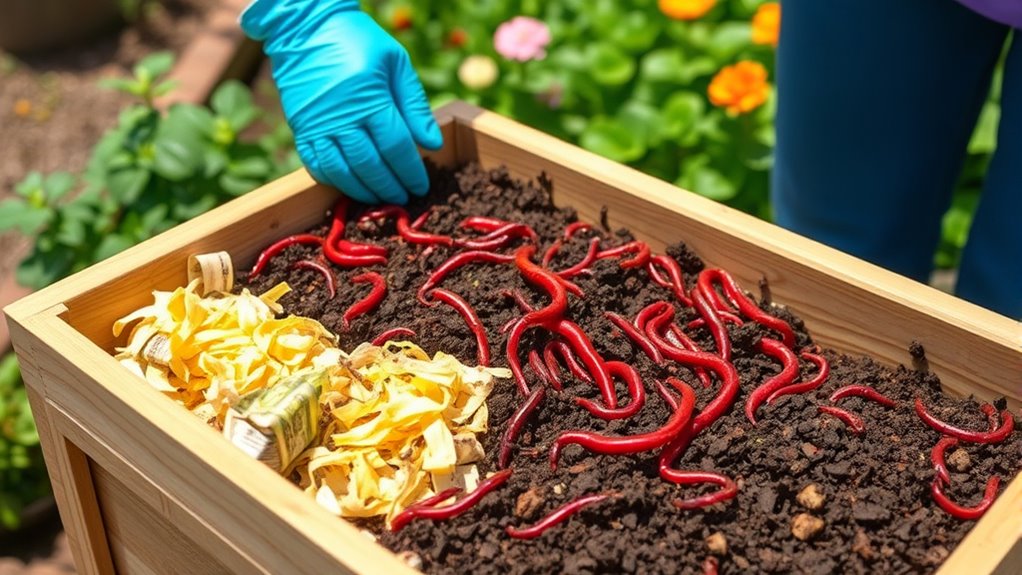
To guarantee your vermicomposting efforts succeed, you need to follow some essential do’s. First, choose the right bedding materials, such as shredded newspaper, coconut coir, or composted manure, which provide a comfortable habitat for your worms. These materials should be moist but not soggy, so managing moisture levels is key. Keep the bedding damp by adding water as needed, ensuring it feels like a wrung-out sponge. Proper moisture promotes healthy worm activity and prevents dry or anaerobic conditions. Regularly check the bedding’s moisture and adjust accordingly. Avoid overly wet or dry bedding, which can harm your worms and slow composting. Consistently managing bedding quality and moisture levels creates an ideal environment for efficient decomposition.
Common Don’ts to Avoid in Worm Composting
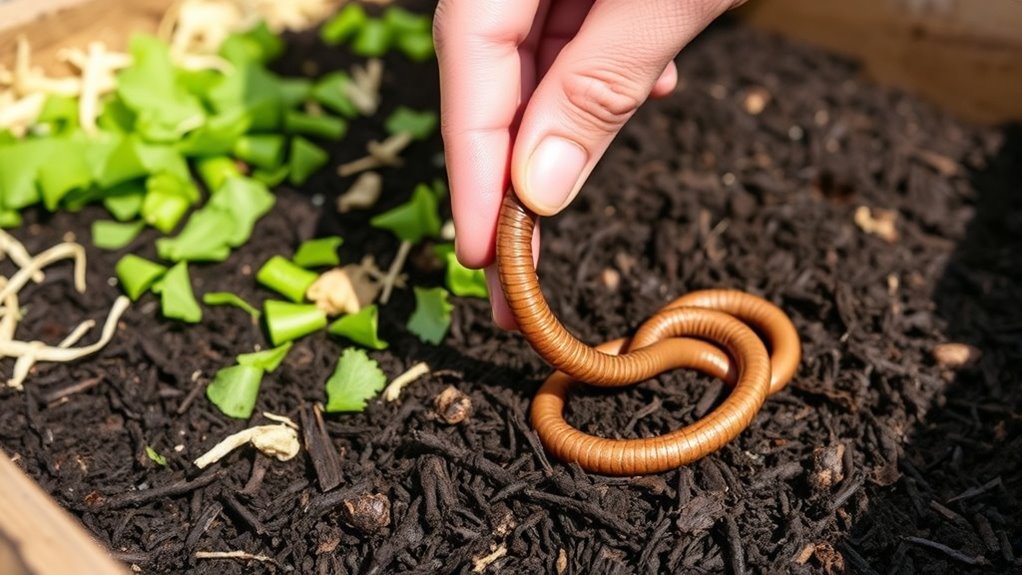
While maintaining proper bedding and moisture levels is essential, avoiding common mistakes can make or break your worm composting success. One major don’t is overfeeding worms, which can lead to foul odors and attract pests. Feed them only what they can consume in a few days, and avoid adding large amounts of food at once. Another mistake is using chemical additives or pesticides, which can harm or kill your worms. Stick to natural kitchen scraps and avoid processed foods, greasy leftovers, or meat. Also, don’t ignore signs of imbalance, like mold or a sour smell, as these indicate issues. Ensuring the appropriate environment is crucial for healthy worm activity and efficient composting. By steering clear of overfeeding and chemicals, you’ll create a healthy environment that keeps your worms thriving and your composting on track.
Frequently Asked Questions
Can Vermicomposting Be Done Indoors Year-Round?
Yes, you can do vermicomposting indoors year-round. As part of your indoor gardening setup, create suitable worm habitats in a bin with proper airflow, moisture, and bedding. Keep the habitat in a cool, dark spot away from direct sunlight and extreme temperatures. Regularly maintain the bin, adding food scraps and monitoring moisture levels, so your worms thrive and continuously process organic waste, providing nutrient-rich compost for your indoor plants.
How Long Does It Take for Worms to Produce Compost?
You’ll see worms produce compost in about three to six months, depending on conditions. As they reproduce, worm reproduction accelerates, increasing the compost production rate. Keep the bedding moist and maintain proper temperature to promote faster compost maturation. Regularly add food scraps and avoid overfeeding, allowing the worms to efficiently break down organic matter. With patience and proper care, you’ll have rich, finished compost ready for your plants in a few months.
What Are Signs of a Healthy Worm Bin?
You’ll spot a healthy worm bin by its worm bin indicators, like active worms moving freely and consistent moisture. The compost quality should look dark, crumbly, and earthy, with a pleasant smell. If you notice less odor, minimal pests, and no foul smells, these are signs your bin is thriving. Regularly check these indicators to guarantee your worms stay healthy and produce quality compost efficiently.
Are There Specific Worm Species Best for Composting?
You should choose worm species like red wigglers, Eisenia fetida, for composting efficiency. These worms are best suited for breaking down organic waste quickly and effectively. They thrive in bin environments, increase compost quality, and reproduce rapidly. Avoid using species like nightcrawlers or earthworms, which aren’t as efficient in composting. By selecting the right worm species, you’ll create a vibrant, productive worm bin that turns waste into rich compost efficiently.
How Do Temperature Fluctuations Affect Worm Survival?
You might think worms thrive in dramatic temperature swings, but nope, they actually hate them. Fluctuations threaten their survival, so you need to focus on temperature regulation and moisture control. Keep their environment steady—not too hot or cold—and maintain proper moisture levels. That way, your worms stay healthy, happy, and productive. Remember, stable conditions are key; chaos in their habitat means chaos in your compost.
Conclusion
Follow these do’s and don’ts, and you’ll turn your worm bin into a composting superstar! Ignore the rules, and your worms might revolt, your compost could turn into a smelly disaster, and your garden dreams might go up in smoke. Stay vigilant, keep it balanced, and watch your worms work miracles. With the right care, you’ll create gold from garbage faster than you can say “vermicomposting”! Your garden—and your sanity—will thank you for it.