
TL;DR

Get garden gear delivered free — and shop member deals
- Fast, free delivery on millions of items
- Access to Prime Big Deal Days deals on October 6–7
- Prime Video, Amazon Music and more included
Gardeners are experiencing increased plant damage from pests. This article explains how to identify leaf damage, determine the culprit, and take quick action to protect plants. The development highlights the importance of prompt pest management.
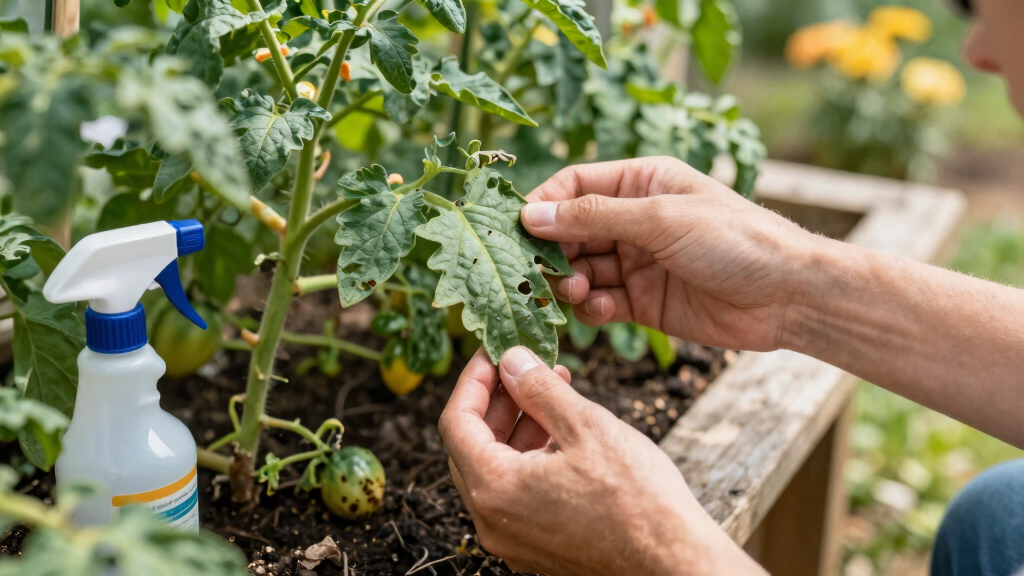
Gardeners are noticing increased leaf damage on their plants, caused by various pests such as insects and caterpillars. Identifying the specific culprit quickly is crucial to prevent further harm and save affected plants, making pest recognition and control a priority this season.
Confirmed reports from horticultural experts indicate that common pests like aphids, caterpillars, and beetles are responsible for visible leaf damage in home gardens and urban landscapes. Experts recommend observing specific damage patterns—such as holes, chewed edges, or discoloration—to help identify the pest involved. Once identified, gardeners can employ targeted control methods, including organic insecticides, manual removal, or encouraging natural predators. Authorities emphasize the importance of early detection to prevent pest populations from escalating, which can lead to significant crop loss or plant death if left unchecked.
Additionally, some pest species are developing resistance to certain chemical treatments, prompting a shift toward integrated pest management (IPM) strategies that combine biological, cultural, and chemical controls for sustainable results. Local extension services are advising gardeners to regularly inspect plants, especially during peak pest activity seasons, and to act promptly upon noticing damage.
Why Recognizing Leaf Damage Quickly Matters
Early identification of pest-related leaf damage is essential to prevent widespread infestations that can threaten entire gardens or crops. Prompt action minimizes the use of chemical pesticides, supports environmental health, and saves gardeners time and money. Understanding pest signs also helps gardeners adopt more sustainable, targeted control methods, reducing the risk of resistance and collateral damage to beneficial insects.
organic insecticide for aphids and caterpillars
As an affiliate, we earn on qualifying purchases.
As an affiliate, we earn on qualifying purchases.
Recent Trends in Garden Pest Damage
Over the past few years, reports from horticultural experts and gardening communities have documented an increase in pest activity, partly due to changing climate conditions and habitat disruptions. Pests such as aphids, caterpillars, and beetles are emerging as common culprits of leaf damage across various regions. The rise in pest resistance to some chemical treatments has prompted a shift toward integrated pest management practices. Gardeners are encouraged to familiarize themselves with the specific signs of pest damage to act swiftly and effectively.
Unclear Which Pests Are Most Active This Season
While common pests like aphids and caterpillars are confirmed as frequent culprits, it is still unclear which specific species are most prevalent in different regions this season. The extent of pest resistance to chemical controls and the impact of climate change on pest behavior are ongoing research areas, and local pest patterns may vary.
Monitoring and Early Action to Protect Your Garden
Gardeners are advised to conduct regular inspections of their plants, especially during peak pest activity periods. Experts recommend learning to recognize specific leaf damage signs and applying appropriate control methods promptly. Local extension services and gardening groups are expected to provide updated guidance on pest trends and management techniques this season.
Key Questions
How can I tell if my plant damage is caused by pests?
Look for signs such as holes in leaves, chewed edges, discoloration, or sticky residues. Specific damage patterns can help identify the pest involved.
What are the most effective ways to control leaf-eating pests?
Targeted organic insecticides, manual removal, and encouraging natural predators like ladybugs are effective methods. Early detection is key to success.
Are chemical pesticides safe for my garden and environment?
When used appropriately and according to label instructions, chemical pesticides can be safe. However, integrated pest management practices prioritize environmentally friendly methods and minimal chemical use.
Can pest damage be prevented entirely?
While complete prevention is difficult, regular monitoring, healthy plant care, and early intervention significantly reduce the risk of severe damage.
When should I seek professional pest management advice?
If pest damage worsens despite initial control efforts or if you’re unsure about pest identification, consult local extension services or professional pest management experts.
Source: rss
Fall Picks
fall essentials
As an affiliate, we earn on qualifying purchases.