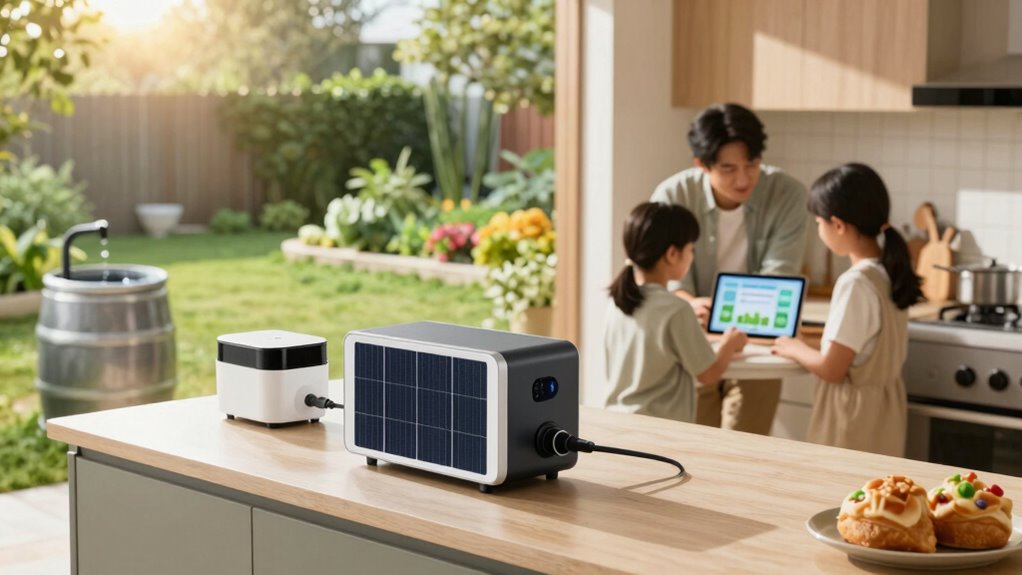

Simpler household systems make it easier for you to adapt during emergencies by reducing dependencies on complex networks and fragile supply chains. With fewer components, troubleshooting becomes straightforward, and maintenance is less stressful. Integrating renewable energy and water-saving strategies enhances your resilience, keeping essentials running during disruptions. Clear, manageable systems also boost your confidence and organization. If you want to discover more practical steps to strengthen your home’s resilience, keep exploring these strategies.

Get garden gear delivered free with Prime
- Fast, free delivery on millions of items
- Prime Video, Amazon Music and more included
- Member-only deals all year
Key Takeaways
- Simplified systems reduce dependencies on fragile supply chains and complex networks, making households more adaptable during disruptions.
- Fewer components lower points of failure, ensuring essential functions remain operational during emergencies.
- Easy-to-maintain setups enable quick troubleshooting and repairs, minimizing downtime.
- Integrating renewable energy and water conservation methods enhances self-sufficiency during outages.
- Simplification supports better resource management and preparedness, strengthening overall household resilience.
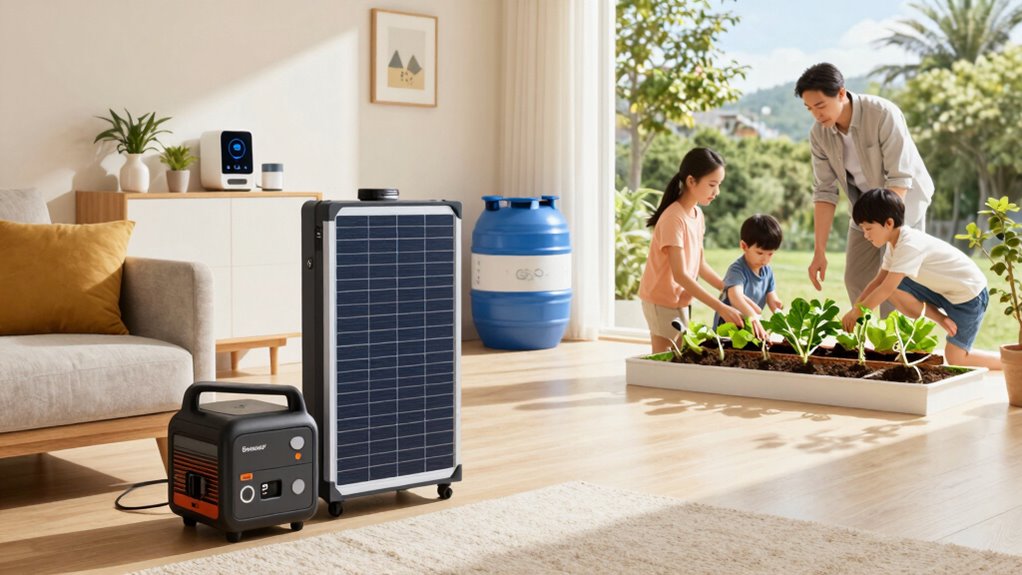
In today’s unpredictable world, simplifying household systems can profoundly boost your resilience during emergencies. When you streamline how your home operates, you reduce dependencies on complex networks and fragile supply chains, making it easier to adapt when disruptions occur. For instance, adopting renewable energy sources like solar panels or wind turbines means you aren’t solely reliant on the grid. These systems can provide your household with power during outages, guaranteeing your essential needs—like lighting, heating, and communication—continue without interruption. Plus, renewable energy systems are scalable and can be tailored to your household’s specific energy consumption, making them a practical investment for long-term resilience. Incorporating smart technology can further enhance efficiency and monitoring, allowing you to manage your systems remotely and respond swiftly to issues. Water conservation is another vital element in simplifying your household’s systems and boosting resilience. By reducing water use, you lessen your reliance on municipal water supplies, which can become scarce during droughts or infrastructure failures. Installing low-flow fixtures, rainwater harvesting systems, and drought-tolerant landscaping makes it easier to manage your water needs efficiently. These practices not only save water but also lessen your household’s environmental impact, creating a more sustainable living situation that’s better prepared for supply disruptions. When you simplify water management, you also lower your utility bills, freeing up resources that can be directed toward other emergency preparedness measures. Additionally, reducing household complexity can lead to a more organized living space, decreasing stress and improving overall household resilience. Simplified systems can also make it easier to incorporate renewable energy sources effectively, ensuring that your home remains functional even during power outages. Fewer components mean fewer potential points of failure, making maintenance and troubleshooting more straightforward. This streamlined approach can also make it easier to adopt energy-efficient appliances, which further reduces energy demand and increases your home’s resilience. For example, a simplified energy setup with solar panels and a basic battery backup can be maintained with minimal technical expertise. Similarly, water-saving fixtures are simple to install and manage, requiring little ongoing effort. This approach ensures that your household remains functional and comfortable, even when external services are disrupted. Additionally, understanding local renewable resources available in your area can help optimize your system choices and resilience planning.
As an affiliate, we earn on qualifying purchases.
Frequently Asked Questions
How Do Simpler Systems Reduce Household Energy Costs?
Simpler systems reduce your household energy costs by boosting energy efficiency, meaning you use less energy for the same comfort. When you install straightforward, easy-to-operate solutions, you minimize waste and lower utility bills. These systems are often less expensive upfront and require less maintenance, leading to long-term cost savings. By simplifying your home’s energy setup, you gain better control, reduce consumption, and save money while maintaining a comfortable living environment.
Can Simpler Systems Be Easily Upgraded Over Time?
Like a well-placed stepping stone, simpler systems are designed with scalability in mind, making upgrades smoother over time. You won’t face many integration difficulties because these systems are built to adapt easily to new technologies. While some concerns around scalability exist, choosing flexible, modular designs guarantees you can upgrade components without disrupting your household’s resilience. So, yes, simpler systems can be upgraded with minimal hassle, growing alongside your needs.
Do Simpler Systems Require Specialized Technical Knowledge?
Simpler systems generally don’t require much technical expertise, making DIY installation feasible for most homeowners. You can often set them up without specialized technical skills, which simplifies maintenance and upgrades over time. While some basic knowledge helps, many systems are designed for easy understanding and user-friendly installation. If you’re comfortable with simple tools and instructions, you won’t need extensive technical expertise to get started or upgrade your household systems.
How Quickly Can a Household Implement These Simpler Systems?
You can implement simpler systems quickly, often through DIY installation that requires minimal technical skills. Many systems are designed for easy setup, so you won’t need to wait long to see benefits. Plus, a favorable cost comparison shows these solutions are affordable, allowing you to enhance your household resilience promptly without significant expenses or delays. This swift implementation helps you respond faster to emergencies and reduces reliance on complex, costly setups.
Are There Any Common Challenges in Adopting Simpler Household Systems?
You might face some common challenges when adopting simpler household systems, mainly due to complexity barriers and user resistance. These barriers can make it hard to understand or trust new setups. To overcome this, you should focus on clear instructions, involve everyone in the process, and highlight the benefits. Staying patient and open-minded will help you gradually ease into the change and enjoy the increased resilience these systems offer.
Conclusion
By embracing simpler systems, you make your household more resilient, adaptable, and easier to manage. Some might worry that simplicity means sacrificing comfort or convenience, but that’s not true—you actually gain peace of mind and efficiency. When you reduce complexity, you’ll find it’s easier to handle emergencies, save resources, and enjoy your home more. Start small today; a simpler system could be just what your household needs to thrive in any situation.
Fall yard work Picks
leaf blowers
As an affiliate, we earn on qualifying purchases.