When you use recirculating water systems, you create an environment where contaminants like dirt, organic matter, and microorganisms can quickly build up if not properly maintained. Because the water isn’t constantly flushed out, these pollutants can multiply and spread, increasing health risks. This means you need to be diligent with sanitation, including regular cleaning, filtration, and disinfection. Continuing will help you understand how proper hygiene practices keep your system safe and effective.
Key Takeaways
- Continuous reuse of water allows contaminants to accumulate rapidly without proper sanitation.
- Recirculating systems can harbor microorganisms, increasing contamination risks if not regularly disinfected.
- Dead zones or stagnation areas promote microbial growth, necessitating strict sanitation protocols.
- The buildup of dirt, organic matter, and pathogens demands frequent cleaning and filtration.
- Maintaining water quality requires ongoing monitoring and hygiene practices to prevent system failure.
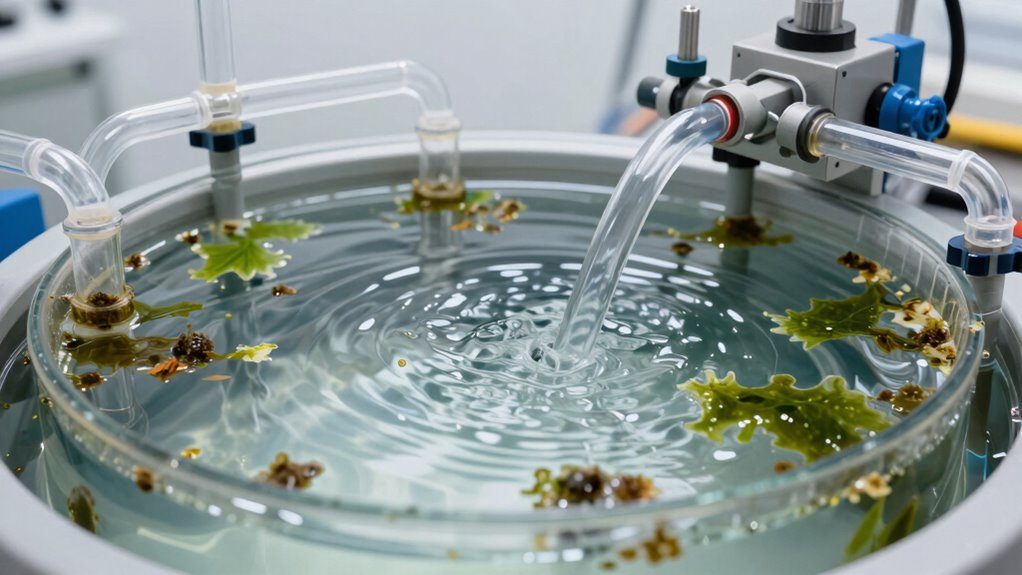
Recirculating water systems play a pivotal role in modern sanitation by minimizing water waste and promoting sustainable practices. When you use these systems, you’re actively involved in water recycling, which means the same water is reused multiple times rather than constantly drawing from fresh supplies. While this approach conserves water, it also introduces new challenges that make sanitation more essential. Since water is continually recirculated, any contaminants introduced during use can multiply quickly if not properly managed. This means that maintaining strict hygiene practices becomes indispensable to prevent the spread of bacteria, viruses, and other pathogens.
Recirculating water systems require strict sanitation to prevent contamination and ensure safe, sustainable water reuse.
You need to recognize that recirculating water isn’t just about saving resources; it also demands a higher level of sanitation vigilance. The nature of water recycling means that dirt, organic matter, and microorganisms don’t get flushed away with each cycle. Instead, they can accumulate, creating an environment where germs thrive if proper sanitation measures aren’t in place. That’s why regular cleaning, filtration, and disinfection of the system are essential. If you neglect these steps, you risk contaminating the entire water cycle, which could compromise health and safety. Water quality management becomes crucial in maintaining the integrity of the system. Additionally, understanding microorganism behavior in recycled water can help tailor more effective sanitation strategies. Implementing proper sanitation protocols**** ensures contaminants are effectively controlled and minimized.
Moreover, because recirculating water systems are often used in settings like industrial processes, irrigation, or even in large-scale cooling systems, the need for meticulous hygiene practices becomes even more apparent. You must be proactive about monitoring water quality and implementing appropriate sanitation protocols. This could include adding disinfectants or installing UV sterilizers to guarantee pathogens are eliminated. When you focus on hygiene practices, you’re not just protecting the integrity of the water; you’re also preventing disease transmission among users and the environment. Proper sanitation practices are crucial to prevent the buildup of microorganisms and ensure the safety of the water cycle.
The role of water recycling in these systems means you have to be vigilant and disciplined. Regular testing and maintenance are necessary to detect potential contamination early. Educating staff or users about proper handling and sanitation procedures can substantially reduce risks. Additionally, understanding water quality testing techniques can help you maintain safe and clean water. Ultimately, recirculating water systems, while sustainable and efficient, elevate the importance of strict sanitation. You’re responsible for making sure that the cycle remains clean and safe, which demands ongoing attention to hygiene practices. This combination of water recycling and sanitation safeguards public health while supporting eco-friendly water management.

American Water Solutions SS24WS Pro Products Sani-System Liquid Sanitizer Concentrate for Water Softeners, Reverse Osmosis Systems, And Water Coolers (24 Pack).
- NSF Certified: Certified for safety and quality
- Safe for Equipment: Won't harm water softener parts
- Fast Action: Works in 60 seconds
As an affiliate, we earn on qualifying purchases.
As an affiliate, we earn on qualifying purchases.
Frequently Asked Questions
How Does Recirculating Water Affect Microbial Growth?
Recirculating water boosts microbial growth by promoting biofilm formation and nutrient accumulation. As water continuously circulates, microbes settle and form protective biofilms on surfaces, making them harder to remove. Nutrients in the water also build up, providing ample food for microorganisms. This environment encourages rapid microbial proliferation, which can lead to contamination and health risks if not properly sanitized. Regular cleaning and disinfection become essential in such systems.
What Are the Best Sanitation Methods for Recirculating Systems?
You should regularly use effective filtration techniques, like mechanical and biological filters, to remove debris and microbes from recirculating water. Complement this with chemical treatments, such as disinfectants or sanitizers, to kill remaining pathogens. It’s essential to monitor water quality consistently and perform routine cleaning and maintenance. Combining filtration and chemical sanitation ensures your system stays healthy, reduces microbial growth, and maintains safe, clean water for your setup.
How Often Should Recirculating Water Be Tested for Contaminants?
Like a vigilant guard, you should test your recirculating water at least weekly for contaminants. Regular water testing is key for effective contamination control, preventing harmful buildup that can compromise your system. Keep an eye out for changes in water clarity, smell, or taste, and increase testing frequency if you notice any issues. Consistent monitoring helps guarantee your system stays clean and safe for continued use.
What Equipment Is Necessary to Maintain Water Quality?
To maintain water quality, you need essential equipment like water filtration systems to remove debris and contaminants, ensuring clarity and purity. Additionally, chemical treatment equipment helps control bacteria and algae growth, keeping the water safe and balanced. Regularly monitor and adjust these systems based on testing results. Properly maintaining filtration units and chemical dosing equipment is vital for effective sanitation, preventing issues that arise from recirculating water.
Are There Specific Regulations for Sanitation in Recirculating Water Systems?
Yes, there are specific regulations for sanitation in recirculating water systems. You must guarantee regulation compliance by following sanitation standards set by local, state, and federal agencies. These standards typically require regular cleaning, disinfection, and monitoring to prevent contamination. By adhering to these regulations, you help maintain water quality, protect public health, and avoid penalties. Staying updated on any regulatory changes is essential for ongoing compliance.
Conclusion
Just like a mirror reflects every detail, recirculating water can magnify sanitation issues if you don’t keep up with proper cleaning. You’re responsible for breaking the cycle of contamination before it spreads, ensuring safe, clean water for everyone. Think of it as tending a garden—neglect one part, and weeds take over. Stay vigilant and maintain your sanitation routines; it’s the key to keeping water safe and healthy for all.