
Time-of-Use rates reward smarter energy habits by encouraging you to shift electricity use to off-peak hours when rates are lower. When you run appliances during these times, you save money and lessen demand during peak periods. This helps you manage your bills and reduces strain on the grid. By making small adjustments, you can enjoy savings and contribute to a more efficient energy system. Keep going to discover how these habits can benefit both your wallet and the environment.
Key Takeaways
- TOU rates encourage shifting energy use to off-peak times, reducing costs and promoting efficient consumption.
- They incentivize consumers to schedule high-energy activities when electricity is cheaper.
- Smarter habits decrease peak demand, benefiting the overall energy grid and reducing environmental impact.
- Consistent adjustments in energy use lead to long-term savings and sustainable practices.
- Understanding demand patterns helps consumers make informed decisions that optimize energy efficiency.
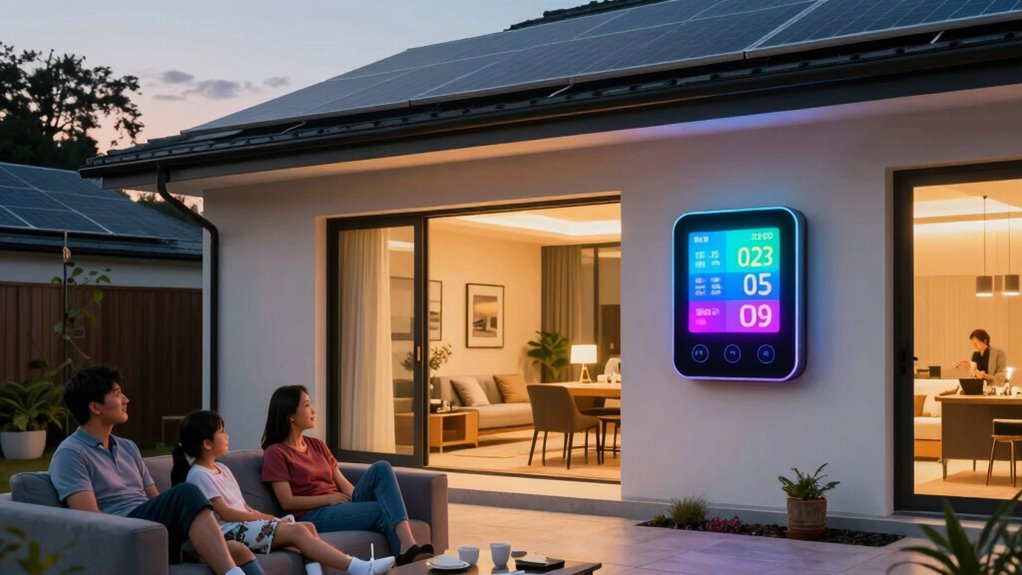
Many utility companies now offer Time-of-Use (TOU) rates, which charge different prices depending on the time of day you use electricity. These rates are designed to reflect the varying demand for energy throughout the day. During peak hours, when everyone’s appliances, HVAC systems, and electronics are running at full tilt, electricity costs more. Conversely, during off-peak periods, prices drop, encouraging you to shift your energy use to these times. This setup isn’t just about saving money; it rewards your smarter energy habits by incentivizing you to be mindful of when you consume power.
Time-of-Use rates reward smarter energy habits and encourage mindful electricity use throughout the day.
When you understand peak hours, you realize that your energy consumption during these times can *considerably* impact your bills. By avoiding high-demand periods—say, running your dishwasher or laundry machine late in the evening—you can reduce your costs. Instead, scheduling these tasks during off-peak hours helps you take advantage of lower rates. Not only does this save you money, but it also alleviates pressure on the grid during busy times, contributing to a more stable and sustainable energy system. Over time, these small adjustments add up, leading to *meaningful* energy savings on your monthly bill.
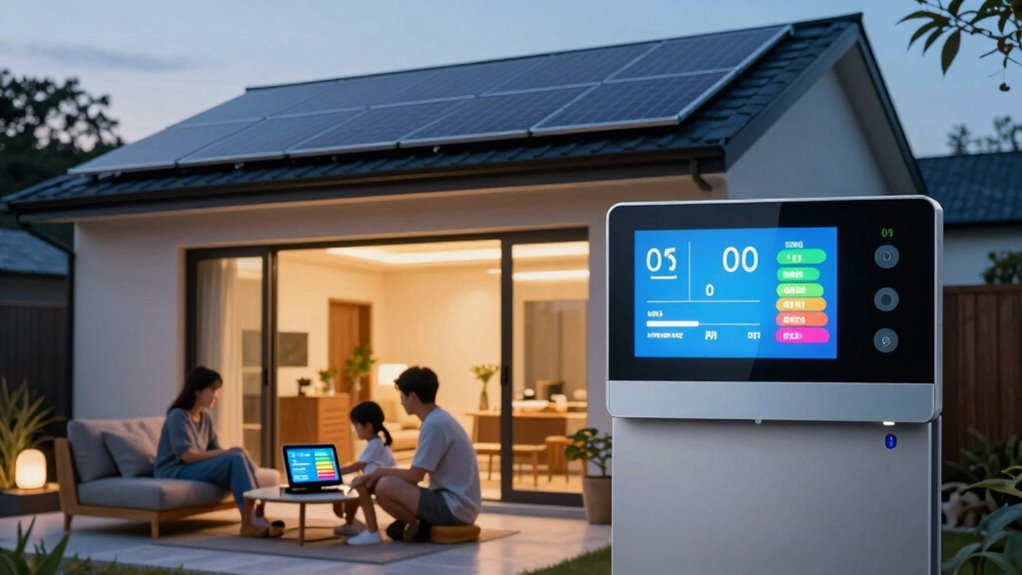
Participating in a TOU rate plan pushes you to develop smarter energy habits naturally. You start to *contemplate* the timing of your energy use, making conscious choices that benefit both your wallet and the environment. For example, you might set your water heater to operate overnight or use smart home devices to automate high-energy activities during off-peak hours. These habits don’t require drastic changes but rather small, consistent adjustments that make a big difference. As you become more aware of peak hours, you’re more likely to plan your energy consumption around them, leading to better energy management overall.
This approach also encourages you to become more energy-efficient. When you know that using appliances during peak hours costs more, you might invest in energy-saving devices or improve your home’s insulation to reduce overall demand. Additionally, understanding energy demand patterns can help you make more informed decisions about your energy use. Over time, these smarter habits help you cut down on unnecessary energy use, which benefits the environment and reduces your carbon footprint. In the end, Time-of-Use rates reward your efforts to be a more mindful energy consumer, making it easier to save money while contributing to a more sustainable future.
As an affiliate, we earn on qualifying purchases.
Frequently Asked Questions
How Do TOU Rates Vary Between Different Energy Providers?
You’ll notice that TOU rates vary between energy providers because they set dynamic pricing based on local energy demand and supply. Some providers offer lower rates during off-peak hours, encouraging consumer savings by shifting usage. Others might have more complex rate structures. Comparing these rates helps you identify the best options for your energy habits, allowing you to save money and use energy more efficiently by taking advantage of time-based pricing.
Are There Any Penalties for Using Energy During Peak Hours?
Yes, there are penalties for using energy during peak hours. About 30% of energy providers implement peak pricing, which increases costs during high-demand times. If you use energy during peak pricing periods, you’ll pay higher rates, effectively penalizing excessive consumption. However, off-peak benefits encourage you to shift usage to cheaper, lower-demand times, helping you save money while reducing strain on the grid during busy hours.
Can TOU Rates Be Customized for Individual Household Needs?
Yes, your rates can be customized for your household needs through personalized billing and adaptive rates. Utilities often offer these options to better match your energy usage patterns, helping you save money and reduce waste. With adaptive rates, your costs fluctuate based on demand, encouraging smarter energy habits. Personalized billing provides insights tailored to your consumption, making it easier to manage your energy use efficiently and cost-effectively.
What Technologies Help Monitor and Manage TOU Rate Usage?
You can use smart meters and energy apps to monitor and manage your TOU rate usage effectively. Smart meters provide real-time data on your energy consumption, helping you identify peak and off-peak periods. Energy apps allow you to track your usage patterns, set alerts, and adjust your habits accordingly. By leveraging these technologies, you’ll optimize your energy use, save money, and make smarter choices during different rate periods.
How Do TOU Rates Impact Overall Electricity Grid Stability?
Time-of-use rates influence grid demand by encouraging you to shift energy use to off-peak times, helping balance supply and demand. This reduces stress on the electricity grid during peak hours, improving overall stability. Your smarter energy habits, driven by these rates, help prevent outages and lower the need for additional power plants. As a result, the grid becomes more reliable, efficient, and sustainable for everyone.
Conclusion
By shifting your energy use to off-peak hours, you can save money and reduce strain on the grid—it’s like taking a gust of fresh air in a crowded room. Time-of-use rates make you more conscious of your habits, rewarding smarter choices with lower bills. Embrace these rates, and you’ll find yourself effortlessly balancing comfort and savings, transforming your energy habits into a sustainable rhythm. It’s a small change that can make a big difference.