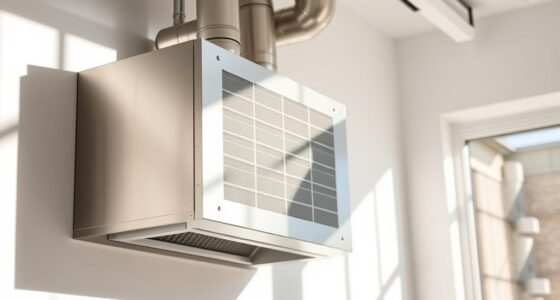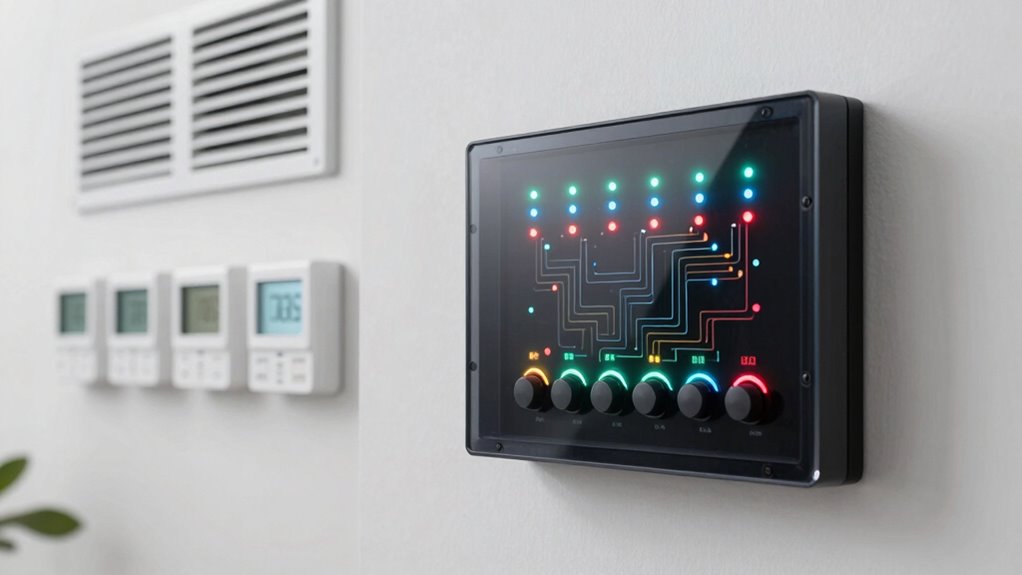

Multi-zone systems give you customized comfort by independently controlling different areas in your home, but this flexibility comes with added complexity. You’ll need multiple dampers, thermostats, and a more intricate control setup, which makes installation and maintenance more challenging. While the system can save energy and improve comfort, it requires careful planning and professional setup. If you keep exploring, you’ll find out how this trade-off can benefit your home in the long run.

Get garden gear delivered free with Prime
- Fast, free delivery on millions of items
- Prime Video, Amazon Music and more included
- Member-only deals all year
Key Takeaways
- Multi-zone systems require multiple dampers, thermostats, and control panels, increasing system complexity.
- Enhanced flexibility allows independent zone temperature control, but demands careful planning and professional installation.
- Greater system customization leads to higher initial costs and more intricate maintenance routines.
- Simplified single-zone systems are easier to install and maintain but lack individualized comfort options.
- The trade-off favors flexibility and energy efficiency over ease of setup and straightforward operation.
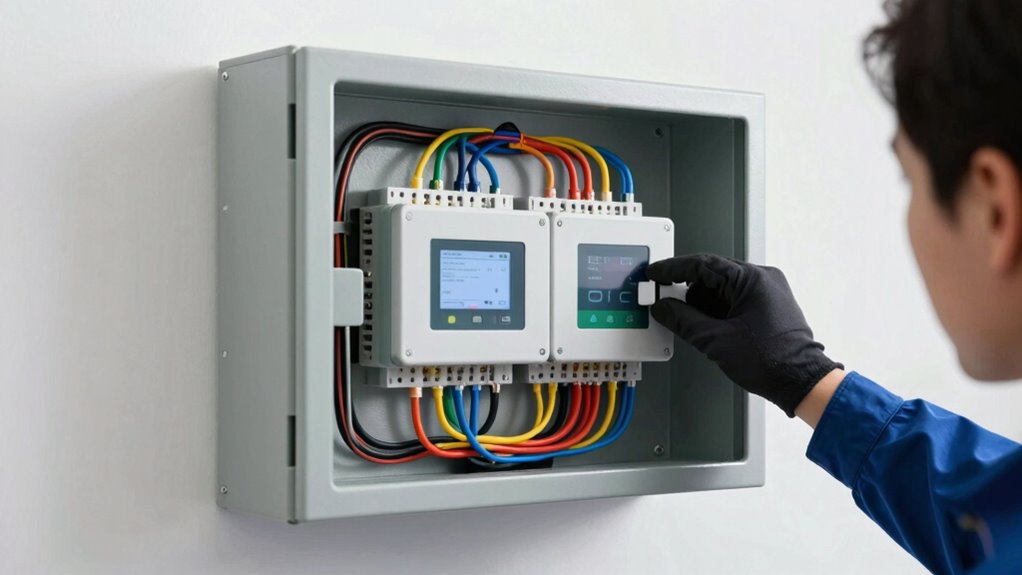
While single-zone HVAC systems offer straightforward operation, multi-zone systems provide greater flexibility at the cost of increased complexity. When you opt for a multi-zone setup, you’re choosing to control different areas of your home independently, which means you can customize temperature settings for each zone. This flexibility allows you to enjoy personalized comfort while potentially reducing energy waste. Instead of heating or cooling the entire house uniformly, you target only the spaces in use, which can improve energy efficiency. However, this advantage comes with a trade-off: the installation process becomes more complicated, requiring careful planning and a capable technician to set up the multiple dampers, thermostats, and control panels.
Multi-zone HVAC systems offer personalized comfort and energy savings but require careful installation and ongoing maintenance.
The increased energy efficiency of multi-zone systems is a significant benefit, especially in larger homes or spaces with varying heating or cooling needs. By precisely controlling each zone, you avoid wasting energy on unoccupied or less-used areas. Over time, this targeted approach can lead to lower utility bills and a smaller environmental footprint. But achieving these benefits depends heavily on proper installation. The setup involves installing multiple dampers within ductwork, connecting separate thermostats, and configuring the control system to coordinate all zones seamlessly. This complexity demands professional expertise, which can make the initial installation more costly and time-consuming compared to simpler single-zone systems. Proper system design, including understanding system components****, is essential for ensuring reliable operation.
You might also notice that multi-zone systems give you more control over your comfort, but this comes with increased maintenance considerations. The added components — dampers, sensors, and controls — require regular inspections to guarantee smooth operation. If not properly maintained, these parts can cause uneven heating or cooling, reducing the system’s overall efficiency. Additionally, understanding the system design and how each component interacts can help ensure optimal performance. Incorporating proper maintenance practices can also extend the lifespan of your system and prevent costly repairs down the line. Despite this, many homeowners find the trade-off worthwhile because they value the ability to adjust temperatures individually and avoid overheating or overcooling parts of their home. Recognizing the importance of system reliability can help ensure long-term satisfaction with your HVAC setup.
In essence, choosing a multi-zone HVAC system involves balancing the desire for tailored comfort and energy savings against the realities of installation complexity and ongoing maintenance. You gain the ability to optimize your home’s climate on a room-by-room basis, which can improve both comfort and efficiency. Nonetheless, it’s essential to recognize that this flexibility demands a more intricate setup and a higher level of ongoing care. If you’re comfortable with the added complexity and want to maximize energy efficiency, a multi-zone system could be the ideal choice — just be prepared for the initial investment and the necessary professional installation.
As an affiliate, we earn on qualifying purchases.
Frequently Asked Questions
How Do Multi-Zone Systems Impact Overall Energy Efficiency?
Multi-zone systems can improve your overall energy efficiency by allowing you to control temperature in different areas, reducing energy waste. However, this added system complexity might lead to higher upfront costs and maintenance. While you may see cost savings over time through targeted heating and cooling, managing multiple zones requires more attention, and if not optimized, it could offset some efficiency benefits.
What Are the Initial Installation Costs for Multi-Zone HVAC Systems?
You’ll find that initial installation costs for multi-zone HVAC systems are higher than single-zone setups due to a more complex design. The cost comparison shows increased expenses for additional dampers, thermostats, and zoning equipment. You might face installation challenges like proper ductwork adjustments and system calibration, which can extend installation time. While upfront costs are steeper, the flexibility and energy savings often justify the investment over time.
Can Multi-Zone Systems Be Integrated With Smart Home Technology?
Imagine walking into your home, greeted by perfect comfort in each zone. Multi-zone systems easily integrate with smart home tech, allowing you to control temperatures via voice control or remote access. You can adjust settings from anywhere, whether you’re at work or on vacation. This seamless integration enhances flexibility, letting you manage your environment effortlessly. With compatible smart devices, your multi-zone system becomes a personalized comfort hub.
How Do Maintenance Requirements Differ Between Single-Zone and Multi-Zone Systems?
You’ll find that maintenance requirements differ mainly due to zoning control in multi-zone systems, which adds some maintenance complexity compared to single-zone setups. With multiple zones and more components like dampers and thermostats, you’ll need to check these parts regularly, guarantee proper calibration, and address potential issues promptly. Single-zone systems are simpler to maintain, requiring less frequent inspections and fewer adjustments overall.
Are Multi-Zone Systems Suitable for Small or Single-Room Applications?
Ever imagined installing a multi-zone system in a single room? They can be suitable but aren’t always the best choice. While multi-zone systems offer single-room optimization and provide cost-effective solutions for larger spaces, they might be overly complex and pricey for just one room. For small or single-room applications, standard single-zone systems often deliver simplicity, efficiency, and affordability, making them a more practical choice.
Conclusion
So, next time you marvel at your fancy multi-zone system’s endless options, remember: it’s really just a high-maintenance diva demanding constant attention. You trade simplicity for flexibility, juggling thermostats and zones like a circus performer. Sure, you get tailored comfort, but don’t be surprised when troubleshooting feels like decoding ancient hieroglyphs. In the end, you’ve chosen complexity over ease—because who needs straightforward when you can have a little chaos?
Columbus Day / Indigenous Peoples' Day Picks
long weekend sales
As an affiliate, we earn on qualifying purchases.