If you’re choosing between single-zone and multi-zone mini splits, consider your comfort needs and setup complexity. Single-zone systems are simple, efficient for one room, and cost less upfront, making them ideal if only one space needs climate control. Multi-zone units give you the flexibility to independently control multiple rooms, but they require more wiring, installation, and higher costs. To discover which option best fits your home and lifestyle, keep exploring the differences.

Get garden gear delivered free — and shop member deals
- Fast, free delivery on millions of items
- Access to Prime Big Deal Days deals on October 6–7
- Prime Video, Amazon Music and more included
Key Takeaways
- Single-zone mini splits provide consistent comfort in one room, but lack flexibility for other areas.
- Multi-zone units allow independent temperature control across multiple spaces, enhancing overall home comfort.
- Installation complexity and cost are higher for multi-zone systems, which may impact overall comfort and convenience.
- Proper calibration and insulation are crucial in multi-zone setups to prevent uneven temperature distribution.
- The choice depends on your home’s layout and comfort needs, balancing simplicity versus customized climate control.
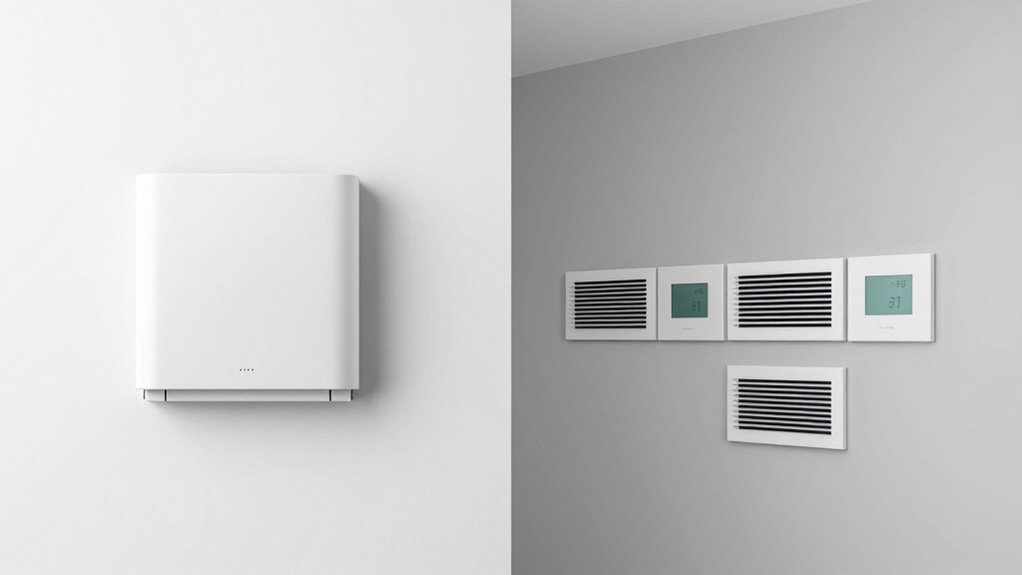
Are you trying to decide between single-zone and multi-zone mini splits for your home? Understanding the key differences can help you make the right choice. Single-zone systems are designed to cool or heat just one area or room, making them straightforward and often more affordable upfront. Multi-zone units, on the other hand, allow you to control multiple areas independently, providing greater flexibility but with some added complexity. When comparing these options, energy efficiency plays a vital role. Single-zone mini splits tend to be more energy-efficient for targeted spaces because they only operate in one zone, reducing unnecessary energy use. Multi-zone systems can be just as efficient if installed correctly, but if you’re not careful, they might waste energy by cooling or heating unused areas, especially if zones aren’t well insulated or properly calibrated.
Choosing between single-zone and multi-zone mini splits depends on your space, budget, and desired energy efficiency.
Installation complexity is another significant factor to contemplate. Single-zone systems are generally easier and quicker to install since they involve fewer components and require less ductwork or piping. You simply mount the indoor and outdoor units, connect them, and you’re set. Multi-zone mini splits demand a more intricate setup. They require multiple indoor units connected to a single outdoor compressor, which involves more extensive wiring, refrigerant piping, and precise calibration to ensure each zone maintains the desired temperature. This complexity can increase installation costs and time, and it might require professional expertise to ensure everything functions efficiently. Additionally, high-quality components in multi-zone systems can improve overall performance and lifespan, making them a worthwhile investment for some homeowners.
If you prioritize simplicity and cost-effective installation, a single-zone mini split might be your best choice. It’s ideal for a single room or small space where you want quick, reliable climate control without fuss. However, if you have multiple rooms or different zones within your home that need independent temperature control, investing in a multi-zone system makes more sense. Although the initial setup is more complex and potentially pricier, the convenience of managing several zones from a single system can outweigh those drawbacks. Plus, multi-zone units can provide a more balanced and comfortable environment throughout larger homes or spaces with varying heating and cooling needs.
Ultimately, your decision hinges on your specific needs, budget, and willingness to handle installation complexity. If you only need to cool or heat one space efficiently, a single-zone mini split offers simplicity and energy savings. But if you want to customize comfort across multiple rooms and are prepared for a more involved installation, multi-zone systems provide the flexibility you’re looking for. Weigh these factors carefully to find the option that aligns with your home’s layout and your comfort priorities.
single zone mini split air conditioner
As an affiliate, we earn on qualifying purchases.
As an affiliate, we earn on qualifying purchases.
Frequently Asked Questions
How Do Installation Costs Compare Between Single-Zone and Multi-Zone Systems?
You’ll find that installation costs for single-zone mini splits are generally lower since they involve fewer components and simpler setup. Multi-zone systems tend to be more expensive initially because they require additional indoor units and complex ductwork, but they offer greater expansion potential. If you plan to add more zones later, investing in a multi-zone system might save you money and hassle in the long run, despite the higher upfront costs.
Can Multi-Zone Mini Splits Be Expanded With Additional Indoor Units Later?
Can you expand your multi-zone mini split later? Absolutely. These systems offer great expandability options, allowing you to add indoor units as your needs grow. Just keep in mind retrofit considerations—some setups may require additional wiring or modifications. Planning ahead makes expansion smoother, so consult your installer about compatibility and future upgrade options. With proper planning, your system can adapt easily to changing comfort requirements.
What Maintenance Differences Exist Between Single-Zone and Multi-Zone Setups?
You need to stay on top of maintenance for both setups. With multi-zone systems, you’ll perform filter replacements more often since there are more indoor units, and refrigerant checks are vital to guarantee proper cooling across all zones. Single-zone units generally require less maintenance, but regular filter changes and refrigerant level checks are still necessary. Proper upkeep keeps your mini split running efficiently, no matter the configuration.
Are There Noise Level Differences Between Single-Zone and Multi-Zone Systems?
You’ll notice noise levels are often similar between single-zone and multi-zone mini splits, but multi-zone systems can sometimes be noisier due to multiple indoor units operating simultaneously. This may slightly impact indoor comfort, especially if units run at higher speeds. However, modern mini splits are designed to minimize noise, so with proper installation, both systems provide quiet operation that helps maintain a comfortable indoor environment.
How Does Energy Efficiency Vary in Different Climate Conditions?
Your mini split’s energy efficiency can be a game-changer across different climates. In hot, humid areas, systems with advanced humidity control save energy by reducing the need for extra dehumidifiers. Conversely, in colder climates, multi-zone units with solar impact features optimize power use for each zone. You’ll find that climate conditions directly influence how well your mini split conserves energy, making the right choice essential for maximum efficiency.
Conclusion
Choosing between single-zone and multi-zone mini splits depends on your comfort needs. While multi-zone systems offer personalized temperatures for multiple rooms, they can be pricier upfront. Notably, homes with multi-zone setups tend to see energy savings of up to 30% because you only cool or heat occupied spaces. So, consider your lifestyle and budget carefully—sometimes, a single-zone system provides just enough comfort without the extra cost. Your choice can make a significant difference in both comfort and savings.
Halloween Picks
halloween
As an affiliate, we earn on qualifying purchases.