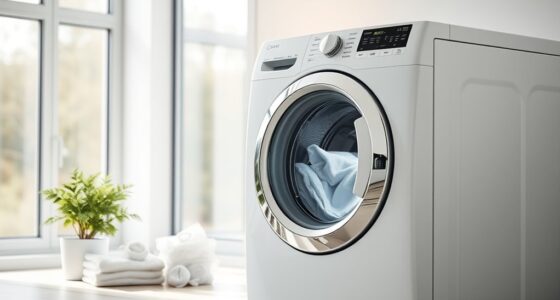
To reduce microfibers during laundry, opt for eco-friendly detergents with gentle ingredients that preserve fabric strength. Wash clothes at lower temperatures to minimize fiber damage, and avoid overloading your machine to decrease friction. Installing microfiber filters on your washer helps catch shed fibers before they reach water systems. Using delicate cycles and air-drying methods can also extend clothing life and further cut microfiber release. Keep exploring to discover more simple steps for cleaner, greener laundry habits.
Key Takeaways
- Use eco-friendly detergents with milder ingredients to prevent fiber damage and reduce shedding.
- Wash full loads on gentle cycles with cooler water to minimize fabric stress.
- Install microfiber-catching filters on washing machines and clean them regularly.
- Turn clothes inside out and avoid overloading to decrease friction and fiber loss.
- Opt for air-drying or low-heat settings to preserve fabric integrity and extend clothing lifespan.

Every time you do laundry, tiny microfibers shed from your clothes and enter waterways, contributing to environmental pollution. These microfibers, often too small to see, come from synthetic fabrics like polyester, nylon, and acrylic, which are common in many garments. As you wash, these fibers detach and are washed away with the wastewater, eventually reaching oceans, lakes, and rivers. This process not only harms aquatic life but also enters the food chain, affecting ecosystems and human health. Understanding fiber shedding is vital if you want to minimize your impact.
Microfibers shed from clothes during laundry harm ecosystems and human health.
One of the main culprits behind fiber shedding is the type of laundry detergent you use. Many conventional detergents contain chemicals that can weaken fabric fibers, making them more prone to breakage during washing cycles. Harsh surfactants and additives not only strip away dirt but also damage the structural integrity of your clothes over time. Choosing gentler, eco-friendly laundry detergents can help reduce fiber shedding. These detergents typically use milder ingredients that clean effectively without compromising fabric durability. By switching to such options, you preserve your clothes longer and reduce the amount of microfibers released during each wash.
Another effective step is to pay attention to your laundry routine. Using cooler water temperatures, for example, can lessen the stress on fabric fibers, decreasing fiber shedding. Hot water may seem effective at cleaning, but it can be tough on delicate fibers, causing them to break apart more easily. Additionally, washing full loads helps distribute the mechanical action more evenly, reducing excessive strain on individual garments. Avoid overloading your washing machine, as this can increase friction and fiber loss. Using gentle wash cycles also lessens the agitation that causes fibers to detach. Incorporating fabric care tips can further help maintain the longevity of your clothes.
You can also consider installing microfiber-catching devices on your washing machine. These filters are designed to trap microfibers before they escape with wastewater. Regularly cleaning out these filters prevents clogging and ensures they work efficiently. Another option is to wash clothes inside out, which minimizes direct friction on the fabric’s outer surface, reducing fiber shedding. When drying, air-drying or using low-heat settings can help maintain fabric integrity, further lowering microfiber release.

24 PCS Lint Traps, Stainless Steel Lint Catcher for Washing Machine, Pet Hair Remover for Laundry, Upgrade Traps Laundry Mesh Washer Hose Filter with 24 PCS Cable Ties
Application: Washing machine lint catcher measures 10.6 inches in length and 2 inches in width, fits most washing…
As an affiliate, we earn on qualifying purchases.
As an affiliate, we earn on qualifying purchases.
Frequently Asked Questions
Do Microfiber Filters Work on All Washing Machines?
Microfiber filters don’t work on all washing machines. For effective filter installation, you need to verify your machine’s compatibility, as some models may have compatibility issues that prevent easy attachment. Your best bet is to consult the filter manufacturer’s guidelines and your washing machine’s user manual to ensure a proper fit. If compatibility issues arise, consider alternative solutions or specialized filters designed for your specific washer.
How Often Should I Replace My Microfiber Filter?
You should replace your microfiber filter regularly to maintain peak performance. Follow the replacement guidelines provided by the manufacturer, typically every few months or after a certain number of washes. Consistent filter maintenance ensures it captures microfibers effectively, prevents clogging, and prolongs your washing machine’s lifespan. Keep an eye on signs of wear, and don’t delay replacing your filter when needed. Regular maintenance keeps your laundry eco-friendly and your machine running smoothly.
Can Natural Fibers Also Shed Microfibers?
Yes, natural fibers can shed microfibers too. Over time, natural fiber shedding occurs due to fiber degradation, especially with frequent washing or wear. You might notice tiny fibers coming loose from cotton, wool, or linen fabrics. To minimize this, wash natural fiber clothes carefully, use gentle cycles, and avoid over-drying. This helps reduce microfiber release from natural textiles, just like with synthetic ones.
Are Microfiber Shedding Levels Different Across Fabric Types?
Yes, microfiber shedding levels vary across fabric types due to different fiber types and their shedding rates. You’ll notice synthetic fabrics like polyester and nylon shed more microfibers because they have higher shedding rates, especially during washing. Natural fibers such as cotton and wool shed fewer microfibers, but they still release some. To minimize microfiber release, choose natural fibers and wash synthetic fabrics carefully, using filters or specialized laundry bags.
What Is the Environmental Impact of Microfiber Pollution?
Microfiber pollution is like a hidden leak, quietly harming our planet. It causes environmental toxicity, affecting both land and water ecosystems. Marine debris from tiny fibers pollutes oceans, threatening marine life and ecosystems. When you shed microfibers, you contribute to this damage, making it harder for wildlife to survive. Addressing microfiber pollution helps protect marine environments and reduces overall environmental toxicity, ensuring a healthier planet for future generations.

ECOS Laundry Detergent Liquid, 100 Loads – Dermatologist Tested Laundry Soap – Hypoallergenic, EPA Safer Choice Certified, Plant-Powered – Free & Clear, 50 Fl Oz (Pack of 2)
CLIMATE POSITIVE AND SUSTAINABLE – Not only is this laundry detergent formula effective and kind to sensitive skin,…
As an affiliate, we earn on qualifying purchases.
As an affiliate, we earn on qualifying purchases.
Conclusion
By taking simple steps like using microfiber filters and washing clothes less often, you can make a real difference in reducing microfiber pollution. Did you know that a single load of laundry can release up to 700,000 microfibers into the water? Imagine how much trash you can prevent from reaching our oceans by just changing your laundry habits. Every small effort counts—start today and help protect our environment for tomorrow.

12 PCS Pet Hair Remover for Laundry, Washing Machine Fur Catcher, Effective Cat Dog Laundry Pet Hair Catcher for Clothes, Sheets, Towels, Fleece Blankets, Won’t Damage Fabric
12 Pieces: Unlike other brands that only offer 2–3 pieces per pack, our 12-piece laundry hair catcher set…
As an affiliate, we earn on qualifying purchases.
As an affiliate, we earn on qualifying purchases.
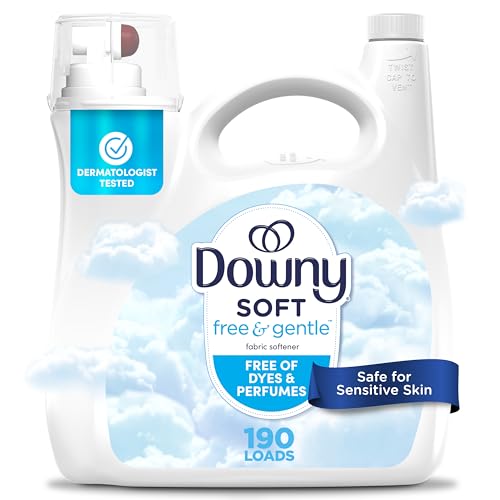
Downy Free & Gentle Liquid Fabric Softener, 140 fl oz, 190 Loads, Hypoallergenic, Sensitive Skin Friendly Fabric Conditioner Liquid
HYPOALLERGENIC: Downy fabric softener is hypoallergenic and dermatologist-tested, making it gentle on sensitive skin
As an affiliate, we earn on qualifying purchases.
As an affiliate, we earn on qualifying purchases.