
To make a big impact, start your retrofit with high-energy-consuming areas like insulation, windows, and HVAC systems. These upgrades can markedly reduce your energy use, save you money, and improve comfort. Use available financial incentives, like rebates and tax credits, to make these improvements more affordable. Engaging your community can also boost support and amplify savings. Keep exploring these strategies to maximize your retrofit’s benefits and create lasting sustainability.

Get garden gear delivered free — and shop member deals
- Fast, free delivery on millions of items
- Access to Prime Big Deal Days deals on October 6–7
- Prime Video, Amazon Music and more included
Key Takeaways
- Focus on high-energy-consuming building parts like insulation, windows, and HVAC systems for maximum impact.
- Leverage financial incentives such as rebates and tax credits to offset upgrade costs and accelerate projects.
- Engage the community through informational sessions and collaborative efforts to enhance support and collective benefits.
- Combine infrastructure upgrades with community initiatives, maximizing energy savings and environmental benefits.
- Incorporate additional energy-efficient improvements like lighting and appliances to amplify long-term sustainability.
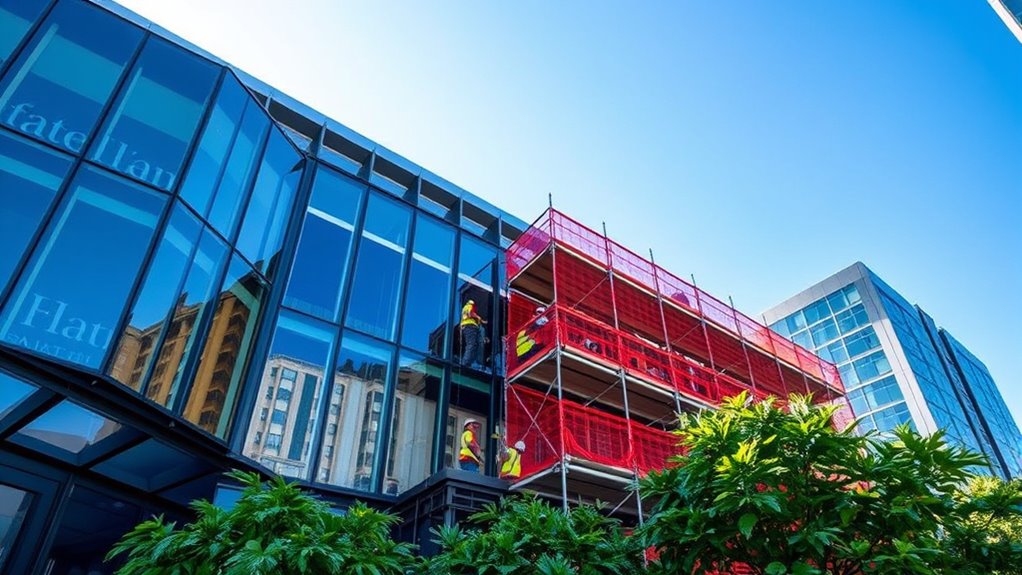
Deciding where to begin your retrofit can feel overwhelming, but focusing on high-impact areas can make a significant difference. One of the smartest first steps is to identify parts of your building that consume the most energy. Prioritizing these areas ensures your efforts lead to noticeable savings and environmental benefits. To make this process smoother, explore available financial incentives. Many governments and utility companies offer rebates, tax credits, or grants for energy-efficient upgrades. These incentives can offset costs and motivate you to undertake substantial improvements early on. By taking advantage of financial incentives, you not only reduce upfront expenses but also accelerate your retrofit timeline, making the project more feasible and financially attractive.
Beyond the technical aspects, community engagement plays a crucial role in the success of your retrofit. When you involve your neighbors, local organizations, or community groups, you create a sense of shared purpose and collective benefit. Community engagement can help you gather support, share knowledge, and even pool resources for larger projects. It also fosters a culture of sustainability, inspiring others to follow suit. Hosting informational sessions, workshops, or neighborhood meetings can be effective ways to educate and motivate your community. When people see the tangible benefits—whether cost savings, improved comfort, or environmental impact—they’re more likely to participate actively and advocate for further upgrades.
Focusing on high-impact areas with community support and financial incentives allows you to maximize your retrofit’s effectiveness from the start. For example, upgrading insulation, windows, or HVAC systems can drastically reduce energy consumption and costs. These improvements often qualify for rebates or tax credits, making them more affordable. Additionally, engaging your community can lead to collective efforts like shared renewable energy projects or neighborhood-wide efficiency initiatives, amplifying the overall impact. Incorporating energy-efficient upgrades, such as efficient lighting or appliances, can further enhance your retrofit’s benefits and sustainability.
energy efficient insulation for homes
As an affiliate, we earn on qualifying purchases.
As an affiliate, we earn on qualifying purchases.
Frequently Asked Questions
How Do I Prioritize Retrofit Projects for Maximum Impact?
To prioritize retrofit projects for maximum impact, start with a thorough cost-benefit analysis to identify the most efficient options. Engage stakeholders early to understand their needs and gain support. Focus on projects that offer high energy savings, low costs, and strong community benefits. By combining data-driven insights with stakeholder input, you guarantee your retrofit efforts deliver the greatest environmental and economic returns.
What Are the Common Challenges Faced During Retrofit Implementations?
You’ll face challenges like steering retrofitting regulations, which can be complex and vary by location. Engaging stakeholders often proves difficult, especially when balancing their interests and concerns. Delays may occur due to permit approvals or funding issues. Technical difficulties and sourcing reliable materials also pose hurdles. To succeed, stay proactive in understanding regulations and actively involve stakeholders early, ensuring clear communication to smooth the retrofit process.
How Can Retrofits Be Financed Effectively?
You can finance retrofits effectively by exploring various financing options like loans, grants, and incentives that suit your project. Using funding strategies such as public-private partnerships or energy savings performance contracts helps minimize upfront costs. Make certain to evaluate each option’s terms and long-term benefits, and consider engaging financial advisors to craft a tailored plan. This approach ensures your retrofit investments are sustainable and maximize impact.
What Are the Latest Technologies Used in Impactful Retrofits?
You’d think retrofits would be all about traditional upgrades, but the latest tech is smart sensors and AI optimization. These tools actively monitor and adjust energy use in real time, making your retrofit not just efficient but intelligent. Ironically, the most impactful upgrades now come from digital brains that learn and adapt, rather than just adding insulation or new windows. Embrace these innovations and watch your retrofit truly transform.
How Do Retrofits Contribute to Long-Term Sustainability Goals?
Retrofits boost your long-term sustainability goals by enhancing energy efficiency, which reduces your overall energy consumption. This decrease lowers greenhouse gas emissions, helping combat climate change. By upgrading existing buildings with modern, eco-friendly technologies, you cut costs and minimize environmental impact. Your efforts contribute to a greener future, aligning with global sustainability targets and ensuring your operations remain resilient and responsible over time.
Conclusion
Starting your retrofit isn’t just about choosing the biggest project; it’s about making meaningful change. While large upgrades catch the eye, the smallest improvements often deliver the most impact. Think of it like planting a seed—you might begin with a single, simple step, but it can grow into something much greater. Don’t wait for the perfect project. Focus on where you can start today, because even small actions can lead to big, lasting change.
Fall yard work Picks
leaf blowers
As an affiliate, we earn on qualifying purchases.