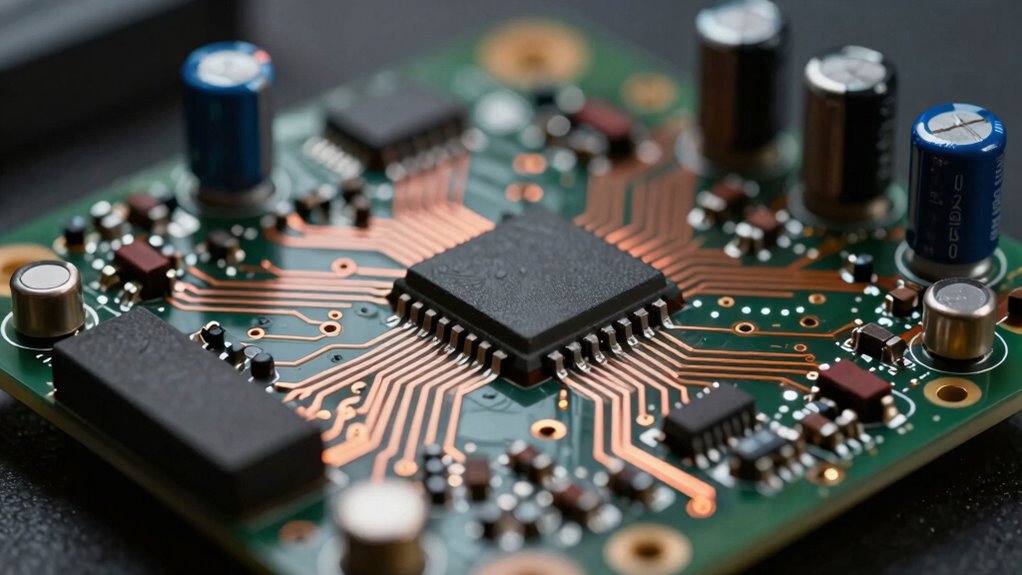

You prioritize essential circuits over total capacity because they guarantee critical functions stay operational during outages, protecting safety and crucial operations. These circuits are designed with backup sources or alternative pathways, making system resilience their main focus. This approach prevents less important loads from draining resources and risking failure of high-priority systems. Understanding why this matters helps you build more reliable, safety-focused systems—there’s plenty more to discover about how this strategy boosts overall resilience.
Get ready for Prime Big Deal Days — try Prime free
Exclusive member deals on October 6–7, plus fast free delivery. Cancel anytime.
As an affiliate, we earn on qualifying purchases.
Key Takeaways
- Essential circuits prioritize critical functions, ensuring vital operations remain active during power disruptions.
- They are designed with redundancy to maintain operation despite system failures.
- Load management focuses on high-priority loads, preventing less critical devices from compromising essential systems.
- Their importance is heightened in high-stakes environments like healthcare and data centers.
- Overall system resilience depends on protecting critical circuits, not just maximizing total capacity.
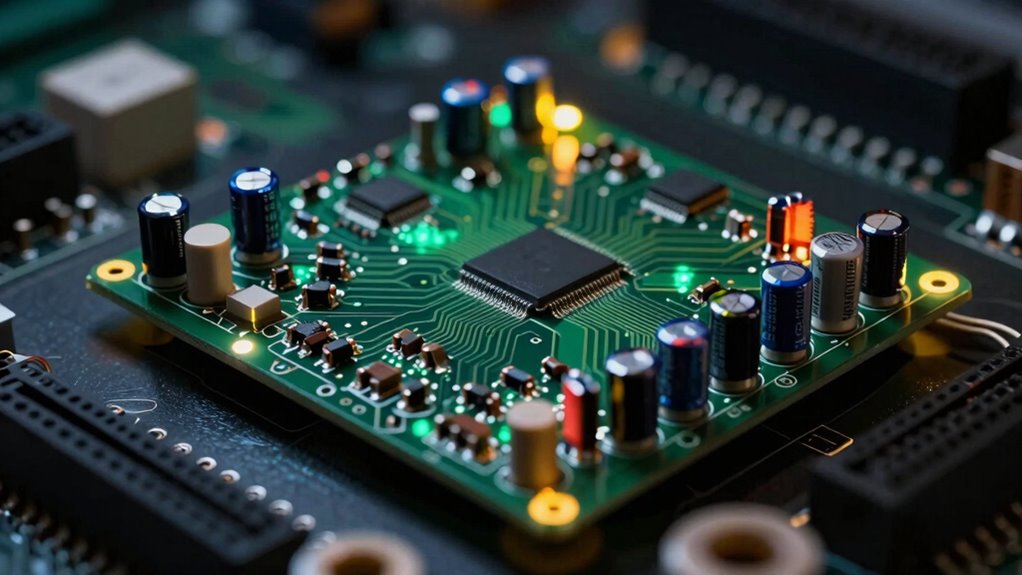
Understanding the difference between essential circuits and total capacity is paramount when evaluating electrical systems. Essential circuits are designed to keep critical functions running during power disruptions, prioritizing the most important loads. Total capacity, on the other hand, refers to the overall power an electrical system can handle at full load. While total capacity might seem impressive, it doesn’t always reflect the system’s ability to maintain indispensable operations under stress. That’s where power redundancy and load prioritization come into play, making essential circuits more significant in specific contexts.
Power redundancy ensures that essential circuits remain operational even if one part of the system fails. Instead of relying solely on the maximum capacity, these circuits are built with backup sources or alternative pathways to guarantee continuous power. This redundancy isn’t about pushing the system to its limits; it’s about safeguarding the core functions most needed during outages or emergencies. When you focus on essential circuits with built-in redundancy, you’re prioritizing reliability over sheer capacity. This approach ensures that critical systems—like emergency lighting, medical equipment, or security systems—stay active when they’re needed most, regardless of the overall load. Understanding the importance of system resilience can help in designing more robust electrical setups capable of withstanding unexpected failures.
Additionally, understanding the distinction between essential circuits and total capacity helps in designing more resilient and efficient electrical systems, especially in high-stakes environments like healthcare or data centers. Load prioritization is central to why essential circuits are more important than total capacity. Not all loads are equally urgent or critical. For instance, running a coffee machine isn’t as vital as keeping life support systems functioning in a hospital. Essential circuits are deliberately designed to handle these high-priority loads first, ensuring that the most important functions get power during outages or overload situations. This focus prevents less critical equipment from draining resources needed for indispensable applications. Recognizing the importance of load prioritization can significantly enhance system planning and emergency preparedness. Properly managing and understanding system resilience can make all the difference during unforeseen failures, ensuring critical operations continue seamlessly.
As an affiliate, we earn on qualifying purchases.
Frequently Asked Questions
How Do Essential Circuits Impact Overall System Reliability?
Essential circuits profoundly boost your system’s reliability by prioritizing critical functions. They enable effective redundancy planning, ensuring backup pathways are available if a primary circuit fails. This improves fault tolerance, allowing your system to continue operating smoothly during failures. By focusing on essential circuits, you minimize downtime and maintain core operations, making your overall system more resilient and dependable, especially in high-stakes environments where reliability is vital.
Can Total Capacity Compensate for Fewer Essential Circuits?
Total capacity alone can’t compensate for fewer essential circuits because redundancy planning and circuit prioritization are paramount. Essential circuits guarantee critical systems stay operational during failures, while total capacity addresses overall load. Relying solely on capacity risks outages if essential circuits aren’t prioritized. You need to balance both, emphasizing essential circuits for reliability, and use redundancy planning to safeguard indispensable functions, rather than just increasing total capacity.
What Factors Determine the Importance of a Circuit?
You determine a circuit’s importance through redundancy planning, circuit prioritization, and criticality to operations. Redundancy planning guarantees backup options, while circuit prioritization ranks circuits based on their role in essential functions. Critical circuits directly support crucial systems, making them more important than total capacity alone. By evaluating these factors, you can ensure reliable performance and safeguard your most essential operations against failures or disruptions.
Are Essential Circuits More Cost-Effective Than Increasing Total Capacity?
Essential circuits are often more cost-effective than increasing total capacity because a thorough cost analysis shows they target critical functions without overspending. They also offer better scalability considerations, allowing you to expand or upgrade only where necessary, rather than investing heavily in full capacity. This focused approach minimizes waste, optimizes resources, and guarantees that your infrastructure meets current needs while remaining adaptable for future growth.
How Do Essential Circuits Influence Energy Efficiency?
Think of essential circuits as the heartbeats of your system, pulsating with purpose. They critically influence energy efficiency by reducing unnecessary power consumption and focusing power where it’s needed most. Circuit optimization guarantees these vital pathways operate smoothly, minimizing waste. As a result, you conserve energy, lower costs, and extend equipment life, making your entire system more efficient and reliable, much like a well-tuned orchestra delivering perfect harmony.
Conclusion
So, now you see why crucial circuits hold more significance than total capacity. They guarantee critical functions keep running when it matters most, providing reliability and safety. Would you rather have a system that can handle everything in theory, or one that guarantees the essentials in practice? Prioritizing essential circuits isn’t just smart—it’s indispensable for resilience and peace of mind in any electrical setup.
NFL season / tailgating Picks
team gear
As an affiliate, we earn on qualifying purchases.