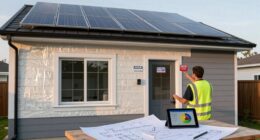
Home battery storage systems let you store excess solar energy for later use, helping you maximize your solar investment and gain energy independence. They can provide backup power during outages and optimize energy use by storing excess power generated during the day. To make the most of your system, it’s important to choose compatible batteries and inverters that suit your needs. If you continue exploring, you’ll discover how these components work together for an efficient, future-proof setup.
Play games included with Prime
Start a Prime free trial and play with Amazon Luna on your devices.
As an affiliate, we earn on qualifying purchases.
Key Takeaways
- Home battery storage allows storing excess solar energy for later use, increasing energy independence and reducing reliance on the grid.
- The capacity of the battery determines how much energy can be stored and used during periods without sunlight or outages.
- Compatibility between batteries and inverters is essential for efficient system operation and future upgrades.
- Choosing the right inverter type (string or microinverter) affects system performance, especially in shaded or uneven roofs.
- Proper system planning includes considering storage needs, inverter options, and future expansion to maximize long-term benefits.
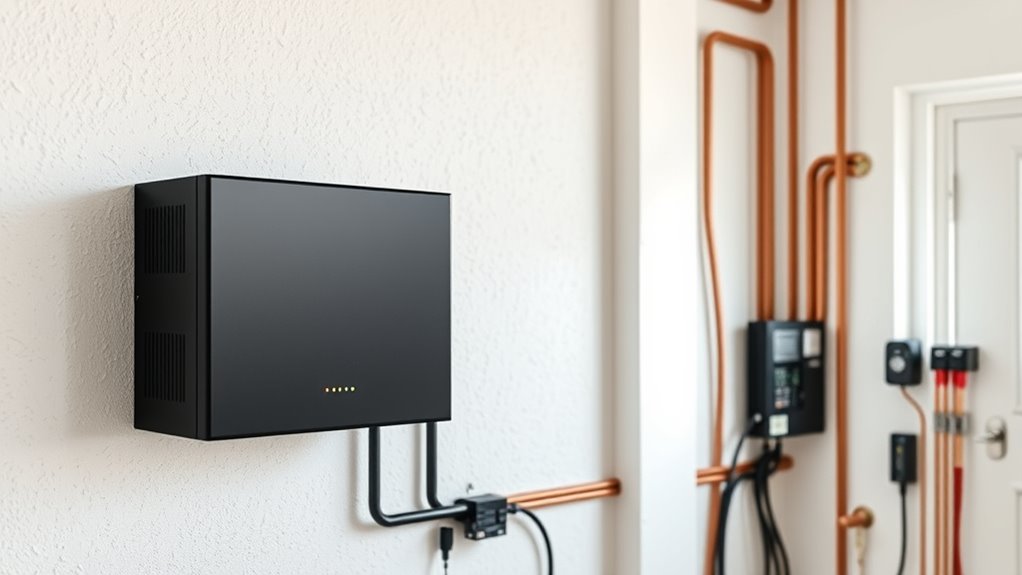
Home battery storage systems have become an essential part of modern energy solutions, allowing you to store excess solar power or electricity from the grid for later use. When considering these systems, understanding how your solar setup interacts with storage options is crucial. One key factor is solar panel efficiency, which directly impacts the amount of energy you can generate and store. Higher efficiency panels convert more sunlight into electricity, maximizing your energy harvest even in limited space. This means you get more power to charge your batteries, making your investment more worthwhile. As you evaluate different systems, focus on panels with proven efficiency ratings and consider how they fit within your available roof space or installation area.
Equally important are inverter types, as they play a vital role in managing the flow of electricity between your solar panels, storage batteries, and household appliances. There are mainly two types: string inverters and microinverters. String inverters connect multiple panels to a single inverter, which simplifies setup and can be cost-effective. However, their performance can be affected by shading or dirt on individual panels, reducing overall efficiency. Microinverters, on the other hand, are installed on each panel, allowing each one to operate independently. This setup maximizes energy production, especially if your roof has shading issues or panels are oriented differently. When integrating batteries into your system, choosing the right inverter type becomes even more critical, as it determines how smoothly energy flows between your panels, batteries, and home. Additionally, understanding energy storage capacity helps ensure your system meets your household’s needs effectively.
Inverter types also influence your system’s compatibility with different battery options and future upgrades. Some inverters are designed specifically for AC-coupled or DC-coupled systems, impacting how you can expand or modify your setup later. If you’re planning for long-term flexibility, selecting an inverter with modular or hybrid capabilities can save you money and hassle down the line. Ultimately, your choice of inverter should align with your energy goals, budget, and the technical specifications of your solar panels and batteries.
As an affiliate, we earn on qualifying purchases.
Frequently Asked Questions
What Is the Average Lifespan of Home Battery Storage Systems?
You can expect your home battery storage system to last around 10 to 15 years. Battery degradation over time reduces capacity, affecting performance. Factors like usage patterns, temperature, and maintenance influence its lifespan. To maximize longevity, keep the system in a cool environment, avoid deep discharges, and follow manufacturer guidelines. Regular monitoring helps spot issues early, ensuring you get the most out of your investment for many years.
How Much Does a Typical Home Battery System Cost?
A typical home battery system costs between $10,000 and $15,000, including installation considerations. When doing a cost comparison, consider the battery’s capacity, brand, and warranty. Installation factors like permits, location, and integration with your solar system also influence the overall price. While upfront costs seem high, financing options and potential energy savings make it a worthwhile investment for reliable backup power and long-term energy management.
Are Home Batteries Environmentally Friendly and Recyclable?
Home batteries can be environmentally friendly if properly recycled, reducing their environmental impact. Recycling processes help recover valuable materials like lithium, cobalt, and nickel, preventing harmful waste and conserving resources. While they do have some environmental footprint during manufacturing and disposal, responsible recycling considerably minimizes negative effects. By choosing batteries from reputable manufacturers with recycling programs, you help ensure a more sustainable and eco-friendly energy storage solution for your home.
Can Home Batteries Function During Power Outages?
Yes, your home battery can provide backup power during outages, ensuring your essential devices stay operational. When the grid goes down, the battery automatically switches to supply energy, giving you grid independence and peace of mind. This way, you won’t be left in the dark, and your household remains functional. Investing in a home battery enhances your energy resilience, making outages less disruptive and more manageable.
What Maintenance Is Required for Home Battery Storage?
Think of maintaining your home battery like tending a garden; regular care guarantees growth and safety. You should follow a maintenance checklist that includes inspecting for battery safety issues, checking for corrosion, and ensuring proper ventilation. Keep an eye on the battery’s performance and update firmware when needed. Regular maintenance helps prevent malfunctions, prolongs lifespan, and keeps your system running smoothly, much like nurturing a healthy, thriving garden.
Conclusion
By understanding home battery storage, you take control of your energy, maximize your savings, and embrace a sustainable future. You harness power from the sun, store energy for when you need it, and reduce reliance on the grid. You become more resilient, more independent, and more responsible. Home battery storage isn’t just about technology; it’s about empowering yourself, making smarter choices, and shaping a cleaner tomorrow. Ready to take charge? The future is in your hands.
Fall yard work Picks
leaf blowers
As an affiliate, we earn on qualifying purchases.