
After a disturbance like a wildfire or landslide, you’ll notice barren land where life struggles to return. Pioneer species such as mosses and grasses jump-start soil formation by breaking down rock and adding organic matter. As soil improves, larger plants like shrubs and trees grow, increasing biodiversity. Over time, the ecosystem stabilizes into a mature, self-sustaining community. If you explore further, you’ll discover how each stage shapes the resilient balance of nature’s recovery process.
Key Takeaways
- Succession begins after disturbance, with pioneer species colonizing barren areas and initiating soil development.
- Organic matter from pioneer decay improves soil, enabling growth of larger plants and increasing biodiversity.
- As soil quality advances, shrubs and trees establish, leading to ecosystem maturation and greater complexity.
- Increased plant diversity supports diverse animals, insects, and fungi, stabilizing the environment over time.
- The climax community forms a stable, self-sustaining ecosystem with balanced soil, plants, and animal life.

Have you ever wondered how ecosystems change over time? It’s a fascinating process, and one of the first steps in ecological succession involves plant colonization. When a disturbance occurs—like a wildfire, landslide, or human activity—the area is often left barren, with little to no life. But over time, life begins to re-establish itself. The first organisms to arrive are typically hardy, small plants like mosses, lichens, or grasses. These pioneer species are essential because they can tolerate harsh conditions and start the process of soil development. As these plants grow, they break down the substrate, helping to create a richer, more stable environment. Their decay adds organic matter to the soil, gradually improving its structure and nutrient content. This soil development is a key factor in attracting more diverse plant species, which can now take root.
As the soil becomes more fertile and stable, larger plants like shrubs or young trees start to grow. Their roots penetrate deeper, further enriching the soil with organic material and minerals. At this stage, the ecosystem begins to resemble its eventual mature state. The accumulation of organic matter and improved soil quality support the growth of a wider variety of plants, which in turn attracts animals, insects, and fungi. Each new layer of life interacts with the soil and among themselves, fostering increased biodiversity. This process is gradual but relentless, with each stage paving the way for the next.
Throughout this progression, the environment becomes more complex and stable. The initial bare ground transforms into a thriving community of plants and animals. The soil’s development plays a pivotal role, acting as the foundation for the entire ecosystem. As plant diversity increases, so does the stability of the habitat, which can support larger animals and more intricate food webs. Additionally, soil development influences the rate at which succession occurs, making it a critical component of ecological recovery. Over decades or even centuries, the ecosystem reaches a climax community—its most stable and self-sustaining state. This final stage embodies balance, where the environment can sustain itself with minimal external influence.
In essence, ecological succession is a dynamic journey from disturbance to stability. It all begins with plant colonization and soil development, setting the stage for a complex, interconnected web of life. The process highlights nature’s resilience, showing how ecosystems can recover and evolve over time, creating vibrant habitats from seemingly lifeless landscapes.

Wildflower Seeds Butterfly and Humming Bird Mix – Large 1 Ounce Packet 7,500+ Seeds – 23 Open Pollinated Annual and Perennial Species
EXTRA LARGE PACKET: Embark on a wildflower journey with our generous 1-ounce packet, bursting with over 7,500 pure…
As an affiliate, we earn on qualifying purchases.
As an affiliate, we earn on qualifying purchases.
Frequently Asked Questions
How Long Does Ecological Succession Typically Take?
Ecological succession can take anywhere from decades to centuries, depending on factors like soil regeneration and climate impact. You might notice faster changes in areas with rich soil and stable climates, while harsher conditions slow down the process. Your actions, such as reducing disturbance and supporting soil health, can influence how quickly ecosystems reach stability. Overall, patience is key, as nature gradually restores balance over time.
What Are the Key Factors Influencing Succession Speed?
Did you know succession can take anywhere from a few decades to centuries? You influence its speed through species interactions and nutrient cycling. Fast-paced succession occurs when species quickly adapt and cooperate, boosting nutrient cycling. Conversely, disturbances or poor soil quality slow progress. Your actions, like restoring habitats or reducing pollution, can accelerate succession, helping ecosystems stabilize faster and support diverse species communities.
Can Human Activities Accelerate or Hinder Succession?
Yes, human activities can both accelerate and hinder succession. Human impact, like deforestation or pollution, often disrupt natural processes, slowing or preventing ecological restoration. Conversely, conservation efforts and active management can speed up succession, helping ecosystems recover faster. By understanding how our actions influence succession, you can support practices that promote stability and biodiversity, ensuring ecosystems thrive and adapt over time.
How Do Invasive Species Affect Ecological Succession?
Invasive species can profoundly disrupt ecological succession; they often outcompete native species, altering the natural progression of ecosystems. Did you know that invasive plants can establish up to 20 times faster than native ones? These species threaten ecosystem balance by reducing biodiversity and changing habitat structures. By hindering native plant growth, invasive species can prevent ecosystems from reaching stability, making it harder for natural succession to restore the environment.
Is Succession Always a Linear Process?
Succession isn’t always a linear process; it can follow different paths depending on disturbance patterns. You might see it jump stages or even revert to earlier ones due to environmental changes. Some areas experience primary succession, starting from bare ground, while others undergo secondary succession after disturbances like fire or storms. These stages can overlap or change direction, showing succession’s dynamic and sometimes unpredictable nature.
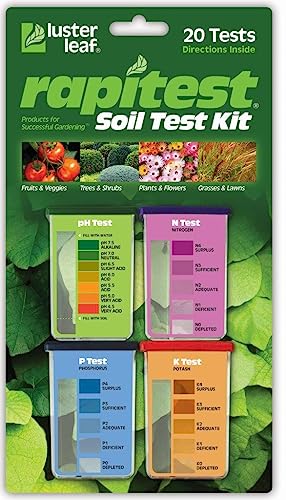
Rapitest Soil Test Kit for Gardens, Vegetables, Flowers and Lawns. USA designed and assembled soil tester completely, quickly and accurately measures/analyzes soil pH acidity and garden nutrients.
Quick, at home results for Soil pH, Nitrogen, Phosphorous and Potash Innovative and inexpensive soil test kit features…
As an affiliate, we earn on qualifying purchases.
As an affiliate, we earn on qualifying purchases.
Conclusion
As you observe ecological succession, remember it’s like a gentle river carving its path through the landscape—constant, unstoppable, and ever-changing. Each disturbance may shake things up, but nature’s resilience guides it back toward stability. You should see succession as a dance of life, where every step, whether forward or backward, moves the ecosystem closer to harmony. Embrace this cycle, for it’s the heartbeat of our planet’s persistent, beautiful rebirth.

Running Silver: Restoring Atlantic Rivers And Their Great Fish Migrations
As an affiliate, we earn on qualifying purchases.
As an affiliate, we earn on qualifying purchases.

Biomes and Ecosystems Set of 7
As an affiliate, we earn on qualifying purchases.
As an affiliate, we earn on qualifying purchases.