
Environmental justice legislation is essential for protecting vulnerable communities from unfair pollution and hazards. It ensures laws address inequalities, promote accountability, and require stronger enforcement to prevent corporations and authorities from ignoring environmental risks. Your involvement can make a difference—community activism, advocacy, and pushing for policy change are powerful tools in this fight. By supporting these efforts, you help create safer, fairer environments for everyone. Stay with us to learn how you can help shape this important movement.

Get garden gear delivered free — and shop member deals
- Fast, free delivery on millions of items
- Access to Prime Big Deal Days deals on October 6–7
- Prime Video, Amazon Music and more included
Key Takeaways
- Effective enforcement of environmental laws is essential to ensure justice and prevent exploitation of vulnerable communities.
- Community activism raises awareness, advocates for policy change, and holds authorities accountable for environmental disparities.
- Collective action empowers marginalized groups to demand fair treatment and influence environmental policy implementation.
- Addressing systemic inequalities requires targeted interventions and stronger oversight to protect at-risk populations.
- Community engagement in enforcement processes fosters transparency, trust, and lasting environmental justice.

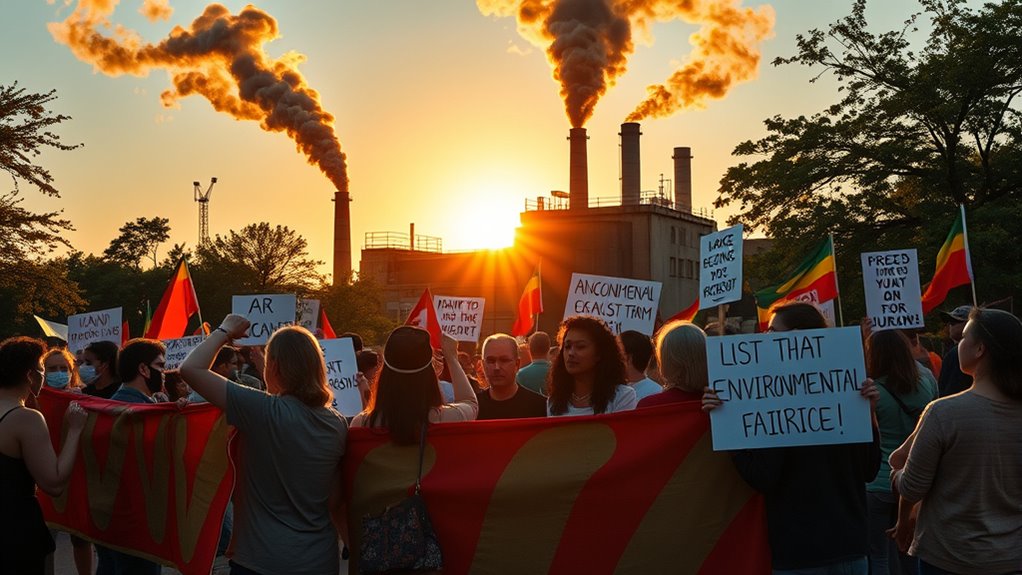
Have you ever wondered why some communities bear the brunt of environmental hazards while others remain relatively unaffected? It’s a question that highlights the deep inequalities woven into our society. Often, marginalized neighborhoods face higher levels of pollution, contaminated water, and unsafe living conditions because of systemic neglect and a lack of effective policy enforcement. But change is possible when communities take action, and that’s where community activism comes into play. When residents organize and raise their voices, they shine a spotlight on these injustices, demanding that policymakers prioritize environmental equity. Community activism isn’t just about protests; it involves education, advocacy, and holding local officials accountable for enforcing environmental laws. When communities actively participate in these efforts, they transform from passive victims to powerful agents of change.
Communities can become agents of change through activism, education, and holding officials accountable for environmental justice.
Effective policy enforcement is essential in ensuring that environmental justice measures are more than just words on paper. It’s one thing to pass legislation aimed at reducing pollution or protecting vulnerable populations, but it’s another to see those laws actually implemented and followed through. Too often, policies exist but are poorly enforced, allowing corporations or local authorities to bypass regulations that safeguard communities. Strong enforcement mechanisms require oversight, transparency, and accountability. When you’re part of a community pushing for these changes, your involvement can help pressure officials to prioritize inspections, penalize violators, and uphold environmental standards. This active engagement makes a tangible difference, ensuring laws serve their purpose and lead to real improvements. Recognizing the importance of policy enforcement mechanisms can empower communities to hold authorities accountable and ensure laws are meaningful.
As a resident or advocate, you have a role in shaping policy enforcement by supporting community-led initiatives and holding decision-makers accountable. Participating in local meetings, signing petitions, and collaborating with environmental organizations amplifies your voice. It’s about creating a collective demand for justice, where authorities recognize that communities won’t accept neglect or exploitation. When policies are enforced consistently, it reduces the risk of environmental hazards disproportionately impacting vulnerable populations. This also fosters trust within communities, showing that their concerns are heard and addressed.
Ultimately, fighting for environmental justice isn’t just about passing laws; it’s about ensuring those laws are enforced and upheld through community activism. Your involvement, combined with persistent policy enforcement, can challenge the status quo and push for a healthier, fairer environment for everyone. When communities stand together and advocate for their rights, they begin to level the playing field, making sure that environmental hazards don’t continue to target those who can least afford it. Your voice matters in this fight for fairness, and collective action can lead to meaningful change.
environmental justice advocacy toolkit
As an affiliate, we earn on qualifying purchases.
As an affiliate, we earn on qualifying purchases.
Frequently Asked Questions
How Does Environmental Justice Legislation Impact Small Communities?
You’ll find that environmental justice legislation considerably impacts small communities by empowering them through policy advocacy. It gives you a voice to fight for fair treatment and protection from environmental hazards. This legislation helps you hold authorities accountable, ensuring your community’s needs are prioritized. With these laws, you gain tools and support to create lasting change, fostering resilience and fairness for everyone in your neighborhood.
What Are the Main Challenges in Enforcing These Laws?
Think of legal enforcement as trying to catch a shadow—you know it’s there, but pinning it down is tough. You face challenges like limited resources, inconsistent policies, and community activism that can both support and complicate enforcement. Small communities often lack the legal muscle needed to hold polluters accountable, making it harder to guarantee fairness. Your active involvement and persistent advocacy are key to strengthening enforcement and overcoming these hurdles.
How Can Individuals Get Involved in Environmental Justice Efforts?
You can get involved in environmental justice efforts through grassroots activism and community education. Join local groups advocating for fair policies, participate in protests, or volunteer for awareness campaigns. Educate yourself and others about environmental issues impacting your community, and share this knowledge to inspire action. Your involvement helps amplify voices, hold decision-makers accountable, and push for equitable solutions that protect vulnerable populations and promote environmental fairness.
Are There International Equivalents to Environmental Justice Legislation?
Oh, sure, international treaties are just like local laws, right? Well, not quite. You can look into global treaties like the Stockholm Declaration or the Paris Agreement, which aim for policy harmonization across nations. These agreements are your global justice champions, fighting for fairness beyond borders. While they don’t enforce local environmental justice laws, they set the stage for worldwide action, proving that justice isn’t just a local issue—it’s a global one too.
How Do Economic Factors Influence Environmental Justice Policies?
Economic factors play a big role in shaping environmental justice policies because they influence policy decisions and priorities. When there’s a strong economic impact, policymakers might favor industries that boost growth but harm vulnerable communities. You’ll find that economic interests often sway policy influence, making it harder to implement strict environmental protections for marginalized groups. Balancing economic benefits with social fairness is vital to creating effective, equitable environmental policies.
Conclusion
You can champion change by championing fairness through focused, forward-thinking legislation. Environmental justice efforts empower everyone, eradicating elitism and elevating equity. By boldly bridging barriers and breaking biases, you become a beacon of balance and betterment. Remember, your dedication delivers dollars of dignity, diversity, and devotion to a cleaner, fairer future. Ultimately, your active advocacy amplifies awareness, inspiring inclusive action and igniting impactful, enduring change.
Fall Picks
fall essentials
As an affiliate, we earn on qualifying purchases.