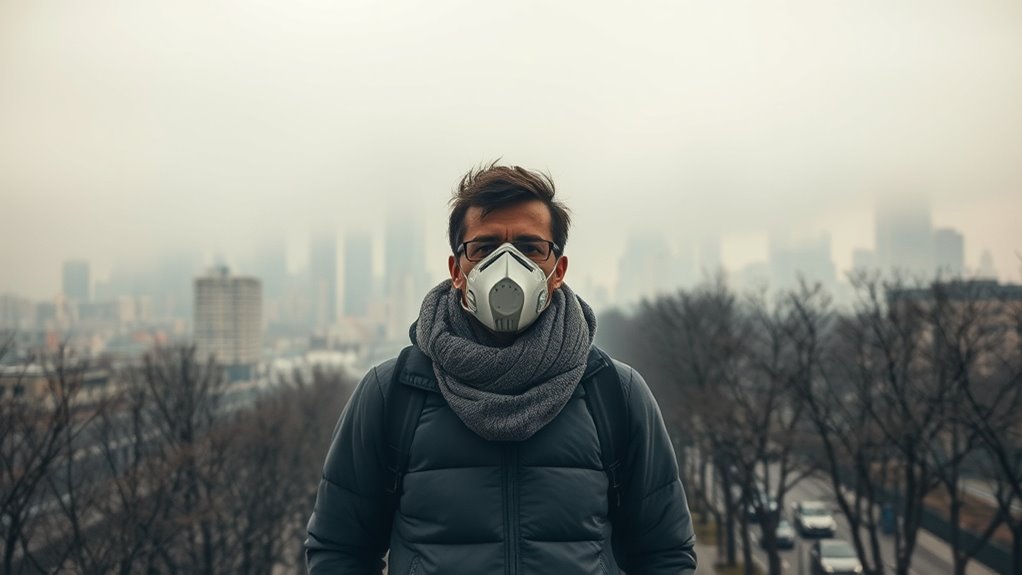

Exposure to indoor air pollution can harm your health by irritating your respiratory system and increasing the risk of asthma, bronchitis, and other illnesses. Common pollutants like dust, mold, pet dander, and chemicals from cleaning products or furniture build up indoors, especially without good ventilation. To protect yourself, improve air quality with regular ventilation, air purifiers, cleaning, and controlling humidity. Keep exploring ways to breathe easier and stay healthier indoors.
Key Takeaways
- Air pollution can cause respiratory problems, worsen asthma, and increase the risk of lung diseases.
- Prolonged exposure to indoor pollutants may be more harmful than outdoor pollution due to constant contact.
- Using air purifiers, maintaining good ventilation, and regular cleaning help reduce indoor air pollutants.
- Controlling humidity and avoiding indoor smoking can prevent mold growth and reduce airborne irritants.
- Monitoring air quality and choosing low-emission products support healthier indoor environments and protect respiratory health.
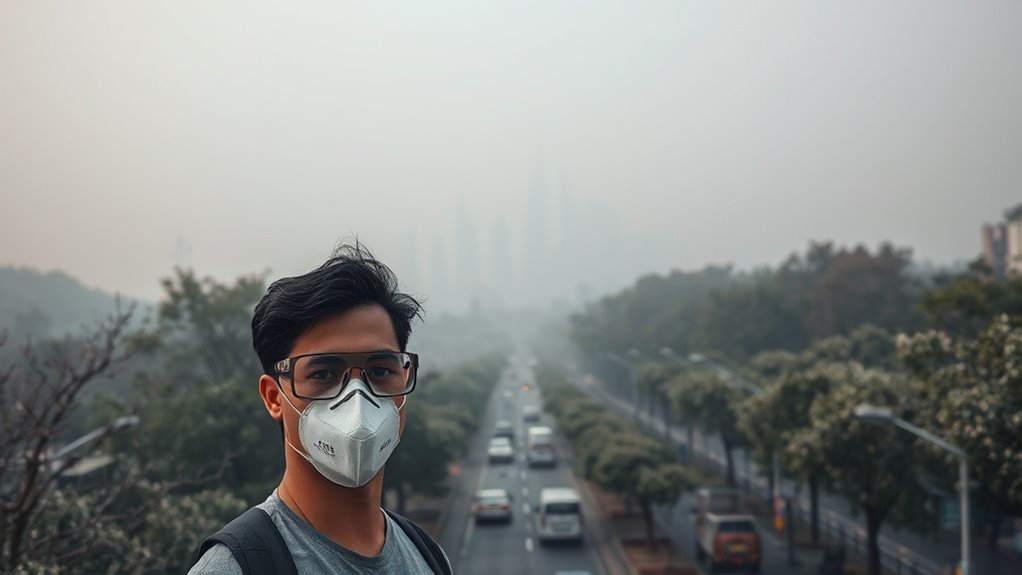
Have you ever wondered how the air we breathe impacts our health? It’s easy to overlook, but the quality of the air inside your home and workplace plays a vital role in your overall well-being. Indoor air quality can sometimes be more harmful than outdoor pollution because we spend so much time indoors. Poor indoor air can contain pollutants like dust, mold, pet dander, tobacco smoke, and chemicals from cleaning products or furniture. These pollutants can irritate your respiratory system and increase the risk of respiratory illnesses. If you notice frequent coughing, wheezing, or congestion, indoor air quality might be a contributing factor. Respiratory illnesses, such as asthma or bronchitis, often worsen when indoor air is polluted. That’s why maintaining good indoor air quality is essential for protecting your lungs and preventing health problems.
Indoor air quality affects your health more than you might realize; pollutants can irritate your lungs and worsen respiratory issues.
You can take straightforward steps to improve indoor air quality. Regularly ventilate your space by opening windows or using exhaust fans to let fresh air in and push stale, contaminated air out. Using air purifiers equipped with HEPA filters can help trap airborne pollutants and allergens. Keep your home clean by dusting and vacuuming frequently, especially carpets and upholstery, which trap dust and pet dander. Avoid smoking indoors, as tobacco smoke is a major indoor air pollutant linked to respiratory illnesses. Be mindful of the products you use; choose natural or low-emission cleaning supplies and avoid aerosols or strong chemicals that can release harmful fumes into the air. Additionally, implementing air purification technology can further enhance your indoor environment by actively reducing airborne contaminants.
Controlling humidity levels can prevent mold growth, another source of indoor air pollution that can exacerbate respiratory issues. Keep humidity below 50% using dehumidifiers if necessary. If you or someone in your household has allergies or asthma, consider investing in air quality monitors to track pollutant levels and identify problem areas. Regular maintenance of heating and cooling systems, including changing filters, also reduces indoor pollutants. These simple practices can make a significant difference in reducing exposure to indoor pollutants that threaten respiratory health.
Ultimately, awareness of indoor air quality and proactive measures can help you breathe easier and reduce the risk of developing or worsening respiratory illnesses. You don’t have to wait for outdoor pollution levels to rise before taking action; improving your indoor environment creates a healthier space for you and your loved ones every day. Protecting yourself from indoor pollutants isn’t complicated—it’s about making small, consistent choices that keep the air around you clean and safe.
HEPA air purifier for indoor allergens
As an affiliate, we earn on qualifying purchases.
As an affiliate, we earn on qualifying purchases.
Frequently Asked Questions
How Does Air Pollution Affect Children Differently Than Adults?
You might notice that children are more vulnerable to air pollution because of their vulnerability factors. Their developing lungs and immune systems make them more susceptible to respiratory issues and developmental impacts. As a result, pollution can cause long-term health problems, affecting their growth and cognitive development. Because they breathe more air relative to their size, you should take extra precautions to limit their exposure and protect their health.
Can Air Purifiers Significantly Reduce Indoor Air Pollution Risks?
Ever wonder if air purifiers really make a difference? Indoor filtration can considerably cut indoor air pollution risks when you choose a purifier with high efficiency. But not all purifiers are equal—some trap tiny particles better than others. So, you might be surprised how much cleaner your air becomes. Keep an eye on purifier efficiency ratings, and you’ll breathe easier knowing you’re reducing harmful indoor pollutants effectively.
What Are the Long-Term Health Effects of Low-Level Pollution Exposure?
You might wonder about the long-term health effects of low-level pollution exposure. Over time, you could develop chronic respiratory issues like asthma or bronchitis, and your cardiovascular health may decline, increasing risks of heart disease and stroke. Even low pollution levels can accumulate effects, so it is crucial to minimize exposure whenever possible. Taking steps to improve air quality helps protect your long-term well-being and reduces these health risks.
How Do Weather Changes Influence Air Pollution Levels?
Weather changes, like seasonal variations and shifting weather patterns, directly influence air pollution levels. During colder months, temperature inversions trap pollutants close to the ground, increasing pollution. In contrast, wind and rain help disperse and remove pollutants, lowering their concentration. You’ll notice higher pollution levels during still, foggy days or in winter, while windy, rainy days tend to clear the air, improving overall air quality and health.
Are There Specific Foods That Can Help Protect Against Pollution-Related Health Issues?
Imagine arming your body with a shield of antioxidant-rich foods and detoxifying herbs. You can boost your defenses by eating berries, leafy greens, and nuts, which act like warriors fighting off harmful particles. Incorporate herbs like cilantro and turmeric to help your body detoxify. These natural allies support your health, making you more resilient against pollution’s sneaky attack and keeping your system clear and strong.
Conclusion
Air pollution is like a sneaky fog that silently threatens your health. By staying informed and taking simple steps—like checking air quality reports, wearing masks, and keeping indoor air clean—you can defend yourself against its harmful effects. Think of your lungs as a delicate garden; with care and awareness, you can protect it from the storm outside. Stay vigilant, breathe easy, and let your health flourish amidst the haze.