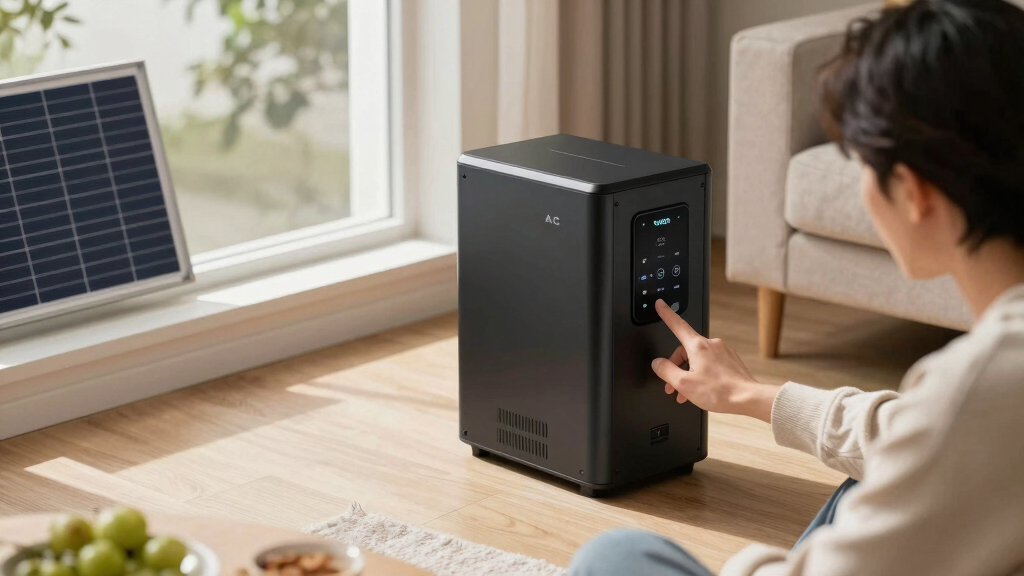

Choosing the best AC coupled battery backup for an existing solar setup involves balancing capacity, compatibility, and ease of integration. For 2026, a few models stand out: Jackery Battery Pack 3600 Extra Capacity offers high portability and expandable power, ideal for those needing versatile backup solutions. Anker SOLIX S2000 provides a long runtime in a compact form, perfect for homeowners seeking a lightweight yet capable system. Meanwhile, HumsiENK 15.36kWh with hybrid inverter is suited for full-home backup, offering scalability and robust power. Each has distinct tradeoffs: larger capacity units tend to be heavier and more complex to install, while portable options may have limited output or expansion capabilities. This guide will help you understand which fits your needs best.
Complete the kit


Key Takeaways
- The Jackery 3600 Plus excels in portability and expandability, making it suitable for those who want flexible backup capacity.
- The Anker SOLIX S2000 offers a long runtime and multiple outlets in a lightweight package, ideal for smaller households or emergency use.
- The HumsiENK 15.36kWh system is best suited for whole-home backup, but requires professional installation and has a higher upfront cost.
- Battery chemistry, especially LiFePO4, is common across these options, emphasizing safety and longevity.
- Tradeoffs often involve weight, complexity, and cost—higher capacity units tend to be larger and more expensive, while portable systems may have limited output and expansion.


| ac coupled battery backup for existing solar | Dimensions | Capacity |
|---|---|---|
| Jackery Battery Pack 3600 Extr | 14.8 x 12.5 x 9 inches | 3584Wh |
| PECRON F1000LFP Power Station | 15 x 8.5 x 8.4 inches | 960Wh |
| Anker SOLIX S2000 Portable Pow | 8.19" x 11.1" x 12.7" | — |
| HumsiENK 15.36kWh Home Backup | 35.04 x 24.41 x 8.58 inches | 15.36kWh |
| PECRON Portable Power Station | — | — |
More Details on Our Top Picks
Jackery Battery Pack 3600 Extra Capacity, 3584Wh LiFePO4 Expansion Battery
The Jackery HomePower 3600 Plus stands out for its high capacity and portable design. With 3584Wh and 3600W output, it can handle most home backup needs and can be expanded with additional units. Its lightweight, luggage-style form with wheels makes it ideal for users who prioritize mobility, such as RV owners or those with multi-location setups. Compared to larger, stationary systems, this model sacrifices some total capacity but excels in ease of use and transport. The setup can be complex if multiple units are needed for a full household, and its weight can be a concern for manual movement. Still, its safety features and hybrid charging options make it a versatile choice for those seeking flexible AC coupling.
Pros:- High-capacity, expandable battery for long-term needs
- Supports multiple charging methods including solar and AC
- Lightweight with wheels for portability
- Built with high-temp resistant ceramic battery cells for safety
Cons:- Heavy at 55.1 pounds, difficult to carry manually
- Requires multiple units for larger power needs
- Complex setup for larger configurations
Best for: Homeowners needing portable, expandable backup power with solar compatibility
Not ideal for: Large households requiring extensive power, or those seeking a permanently installed system
- Capacity:3584Wh
- Output Power:3600W
- Voltage:120V & 240V (parallel)
- Weight:55.1 pounds
- Dimensions:14.8 x 12.5 x 9 inches
- Number of Outlets:4
Our verdict“This pick offers excellent portability and scalability, making it ideal for users who value flexibility and ease of transport.”
PECRON F1000LFP Power Station, 1500W AC Output, 960Wh Solar Generator, UPS, LiFePO4 Battery, Fast Charging, 23.9lb
The PECRON F1000LFP offers 960Wh and 1500W AC output, making it suitable for powering essential appliances during outages or outdoor adventures. Its LiFePO₄ chemistry ensures safety and long lifespan, with 80% charge in just 1.4 hours via solar or AC. While it doesn’t match the capacity of larger systems, its compact 23.9-pound frame makes it highly portable—ideal for emergency kits, camping, or small backup needs. The multiple output ports, including USB and DC, provide versatility, though the solar panel is sold separately, which could add to costs. Its quiet operation and UPS function make it a dependable backup option for those who need mobility and quick setup.
Pros:- Compact, lightweight design for portability
- Fast charging with solar and AC support
- Multiple output ports for versatile device charging
- Reliable LiFePO₄ chemistry for safety and lifespan
Cons:- Solar panel sold separately, increasing total cost
- Limited capacity for large or multiple devices
- Requires careful setup for solar connections
Best for: Individuals or small households needing portable backup or emergency power
Not ideal for: Homes requiring full-house backup or higher-capacity solutions
- Capacity:960Wh
- Power Output:1500W
- Weight:23.9 lb
- Dimensions:15 x 8.5 x 8.4 inches
- Input Charging:AC, solar
- Number of Output Ports:10
Our verdict“This model excels in portability and reliable backup for small loads, perfect for on-the-go power needs and emergency preparedness.”
Anker SOLIX S2000 Portable Power Station, 2010Wh, 3000W Peak, Home Backup
The Anker SOLIX S2000 provides 2010Wh of capacity and a peak output of 3000W, making it well-suited for home backup, especially for critical appliances like refrigerators or medical devices. Its lightweight (35.7 pounds) and compact design make it easier to move around compared to larger stationary systems. With the ability to support solar input and multiple outlets, it suits users who want long runtime in a manageable form factor. However, it lacks the extensive expansion options of larger systems and doesn’t feature 12V DC ports, which might be limiting for some applications. This model is best for users who want a balance between capacity, portability, and ease of use without professional installation complexity.
Pros:- Long runtime of up to 35 hours for essential appliances
- Lightweight and easy to transport
- Supports solar input and multiple charging methods
- High-capacity battery with long cycle lifespan
Cons:- Limited to 8 outlets, which may be insufficient
- No 12V DC port available
- Price and availability may vary
Best for: Homeowners needing reliable, long-lasting backup with portability
Not ideal for: Large households or those needing very high capacity or extensive expansion
- Watt-hours:2010Wh
- Peak Power:3000W
- Item Weight:35.7 pounds
- Dimensions:8.19″ x 11.1″ x 12.7″
- Supports Solar:Yes
- Additional Features:Multiple outlets, USB, DC
Our verdict“This pick strikes a good balance for those who want a portable yet capable backup system for daily home needs or emergencies.”
HumsiENK 15.36kWh Home Backup Lithium Iron Phosphate Battery with 8000W Hybrid Inverter
The HumsiENK 15.36kWh system offers a massive capacity with 15.36kWh of stored energy, paired with an 8000W hybrid inverter capable of split-phase output. Its automotive-grade LiFePO₄ cells provide exceptional longevity, with over 6,000 cycles at 80% DoD. The built-in smart monitoring and mobility features like wheels support professional installation and easy management. This system is ideal for those seeking a full-home backup solution that can handle large loads, especially in areas prone to outages or with existing solar integration. However, the complexity of setup and higher initial investment make it less suitable for casual users or renters. It’s best for those with a permanent installation and significant backup needs.
Pros:- Massive 15.36kWh capacity for whole-home backup
- Powerful 8000W hybrid inverter with split-phase support
- Long cycle life and durable LiFePO₄ cells
- Smart features and mobility for easy management
Cons:- Requires freight shipping and professional installation
- Higher initial cost compared to smaller systems
- Complex setup for non-professionals
Best for: Homeowners wanting scalable, whole-house backup with professional installation
Not ideal for: Renters or users with small backup requirements
- Capacity:15.36kWh
- Inverter Power:8000W continuous
- Cycle Life:6000+ cycles
- Dimensions:35.04 x 24.41 x 8.58 inches
- Protection Features:Overcharge, over-discharge, short circuit
Our verdict“This system suits homeowners with significant backup needs looking for scalable, reliable energy storage and professional support.”
PECRON Portable Power Station E3800 LFP, 3840Wh LiFePO4 Battery Backup, 120/240V 4200W AC Output, Expandable to 53.76kWh, Solar Generator for Home, Camping, RV
The PECRON E3800 offers a substantial 3840Wh capacity with the ability to expand to an impressive 53.76kWh, making it suitable for prolonged outages or extensive off-grid use. Its multiple output options, including 120/240V AC, DC, and USB ports, support a wide variety of devices. Fast charging via AC or solar, coupled with UPS functionality, makes it highly reliable. Despite its weight of 87.3 pounds, its design caters to those who need significant power with future expansion. The setup can be complex, and the cost may be considerable, but its long-term potential for large-scale backup or off-grid living makes it appealing for serious users.
Pros:- High capacity with expansion to over 50kWh
- Multiple output options for diverse devices
- Fast charging and UPS support
- Long-lasting LiFePO₄ chemistry
Cons:- Heavy at 87.3 pounds, less portable
- Complex setup requiring technical know-how
- Higher initial investment
Best for: Homeowners requiring maximum capacity and future expansion for backup or off-grid living
Not ideal for: Renters or those seeking lightweight, portable solutions
- Battery Capacity:3840Wh
- Expandable Capacity:53.76kWh
- AC Output:4200W
- Number of Outlets:4
- Solar Input:3000W
Our verdict“This system is well-suited for users who want a scalable, large-capacity backup or off-grid power with room for future expansion.”
How We Picked
Our selection focuses on systems compatible with existing solar setups, emphasizing AC coupling, battery chemistry (preferably LiFePO4), capacity, portability, and ease of integration. We compared capacity, inverter power, expandability, and user convenience, prioritizing models with proven reliability and smart features. Cost considerations also played a role, along with user reviews and manufacturer reputation, to ensure these options meet common home backup needs in 2026.
Factors to Consider When Choosing Best Ac Coupled Battery Backup For Existing Solar
When selecting an AC coupled battery backup for an existing solar system, it’s essential to consider capacity, compatibility, scalability, and portability. Larger systems provide more backup power but often come with higher costs and installation complexity. Portable options are perfect for emergency use or small households but may lack the capacity for entire-home backup. Understanding your power needs, the size of your solar setup, and future expansion plans will help you choose the right system. Compatibility with your current inverter and grid specifications is also vital to ensure seamless integration.Capacity and Power Output
Determine your essential load and total backup duration to select a system with enough capacity. Larger systems like the HumsiENK offer whole-house backup, while portable units like the PECRON or Jackery are suited for smaller loads. Power output (measured in watts) must match or exceed your peak consumption, especially if you plan to run high-wattage appliances. Always check if the inverter supports your existing solar system’s voltage and phase requirements.
Portability and Installation
Decide whether you need a system that is portable or permanently installed. Portable units like the Jackery and PECRON are easier to move and set up but typically have limited capacity. Larger, stationary systems like the HumsiENK are designed for fixed installation and often require professional setup, especially when integrating with existing solar and grid systems. Weigh the tradeoff between mobility and capacity to match your specific backup needs.
Scalability and Expandability
If you anticipate your power needs growing or want to future-proof your setup, consider systems like the PECRON E3800 or HumsiENK, which can be expanded. Ensure your existing solar inverter can support the additional input and output requirements. Expandability often involves additional batteries, inverters, or both, so plan for future upgrades when choosing your system.
Battery Chemistry and Longevity
LiFePO₄ remains the preferred chemistry for home backup due to its safety, stability, and cycle life. Systems with 3000+ cycles, like the Anker SOLIX or PECRON, typically last over a decade with proper maintenance. Investing in quality batteries reduces replacement costs and ensures consistent performance over time.
Frequently Asked Questions
Can I connect these battery systems directly to my existing solar inverter?
Most of these systems are designed for AC coupling, meaning they can integrate with existing solar inverters that support AC grid-tied configurations. However, compatibility depends on your inverter’s specifications. It’s crucial to verify that the inverter supports the voltage, phase, and grid standards in your location. In some cases, professional consultation or additional equipment might be necessary to ensure seamless integration.
What size battery do I need for my home backup?
The ideal battery size depends on your household’s power consumption and desired backup duration. For example, a small household might manage with 1-2kWh for critical circuits, while larger homes or whole-house backup could require 10kWh or more. Consider what appliances you want to run during an outage, and choose a system that can comfortably supply that load for the duration needed.
Are LiFePO₄ batteries safe for home backup use?
Yes, LiFePO₄ batteries are among the safest chemistry options for home backup. They are thermally stable, less prone to overheating or catching fire, and have a long cycle life. This safety profile makes them a preferred choice for stationary storage systems, especially when compared to lithium-ion equivalents that may pose higher risks under certain conditions.
How long do these batteries typically last?
High-quality LiFePO₄ batteries generally last between 3000 to 6000 cycles at 80% DoD, translating to over a decade of service in most cases. Proper maintenance, avoiding deep discharges, and following manufacturer guidelines can help maximize lifespan. For large systems like the HumsiENK, this longevity ensures years of reliable backup power with minimal replacement costs.
What is the typical cost range for these battery backups?
Prices vary significantly based on capacity, features, and brand. Portable units like the Jackery or PECRON typically range from $1,000 to $3,500, while larger, stationary systems like the HumsiENK can cost upwards of $10,000 or more. Expansion options and professional installation can add to the total expense. It’s important to weigh upfront costs against long-term reliability and scalability.
Conclusion
For users seeking portable, flexible backup power that can be expanded as needed, the Jackery Battery Pack 3600 Plus or PECRON E3800 are excellent choices. Homeowners wanting a reliable, long-lasting system for critical loads should consider the Anker SOLIX S2000 for its balance of capacity and portability, or invest in the HumsiENK for whole-home backup with professional setup. Larger households or those planning for future expansion will find the HumsiENK or PECRON best suited, despite higher costs and installation needs. Ultimately, your choice depends on your specific power demands, budget, and whether mobility or permanence takes priority—these options cover a broad spectrum of needs for 2026.