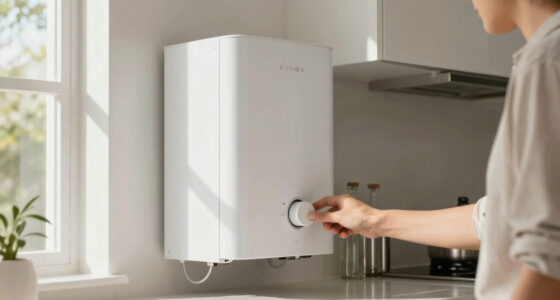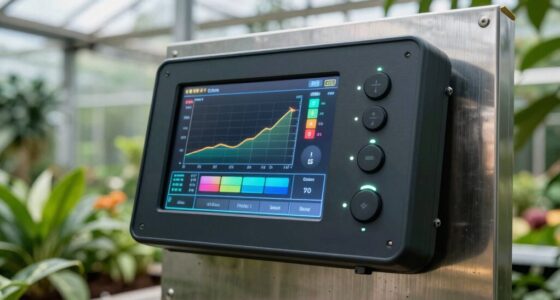

As homes become increasingly electrified, managing electrical loads efficiently is more important than ever. Whether you’re incorporating EV chargers, solar systems, or high-demand appliances, having the right smart load management device can prevent overloads, optimize energy use, and keep your system safe. The top picks for 2026 include the ABB ReliaHome Flex Kit for its comprehensive load balancing, the Emporia Vue 3 for detailed energy monitoring, and the BLACKBOX EV Charger for dedicated EV fast charging without panel upgrades. Each offers distinct advantages and tradeoffs, so understanding their roles helps you choose the best fit for your electrified household.

Get garden gear delivered free with Prime
- Fast, free delivery on millions of items
- Prime Video, Amazon Music and more included
- Member-only deals all year
Complete the kit


Key Takeaways
- The ABB ReliaHome Flex Kit excels in dynamic load balancing for high-demand appliances, making it ideal for homes with multiple EV chargers or water heaters.
- The Emporia Vue 3 offers in-depth energy data and supports solar and net metering, suited for energy-conscious households seeking detailed insights.
- The BLACKBOX EV Charger provides fast, high-current EV charging without requiring panel upgrades, but needs professional installation and compatible chargers.
- The Smart Home Energy Monitor with 16 Sensors caters to homes needing circuit-level energy monitoring and privacy-focused operation, especially in rentals or shared spaces.
- Each device’s connectivity and installation complexity vary, influencing suitability based on technical skill and existing infrastructure.
| ABB ReliaHome Flex Kit with Hub and Wireless Controllers for Residential Load Management |  | Best Overall for Dynamic Load Balancing | Includes: 1 Hub, 2 Wireless Controllers | Load Capacity: 60 A | Certification: UL 916 | VIEW LATEST PRICE | See Our Full Breakdown |
| Emporia Vue 3 Home Energy Monitor – Smart Home Automation Module and Real-Time Electricity Usage Monitor |  | Best for Detailed Energy Monitoring | Certification: UL Listed, CE Listed | Installation: Circuit panel, supports single and multi-phase systems | Sensors: Sixteen 50A branch sensors | VIEW LATEST PRICE | See Our Full Breakdown |
| EV Charger BLACKBOX 240V 60-100A Service – No Electrical Panel or Service Upgrade Required |  | Best for Fast EV Charging without Panel Upgrades | Output Voltage: 240 volts | Input Voltage: 240 volts | Current Rating: 50 A | VIEW LATEST PRICE | See Our Full Breakdown |
| Smart Home Energy Monitor with 16 50A Circuit Sensors, Real-Time Power & Cost Tracking, Compatible with Home Assistant |  | Best for Circuit-Level Monitoring and Privacy | Circuit Sensors: 16 x 50A sensors | Supported Voltages: Single-phase up to 240VAC, split-phase, three-phase | Connectivity: WiFi, MQTT, LAN | VIEW LATEST PRICE | See Our Full Breakdown |
| ABB ReliaHome Flex Hub FXH1W Wireless Ethernet Control Unit for Energy Management |  | Best for Centralized Residential Control | Model: FXH1W | Connectivity: Ethernet | Certification: UL 916 | VIEW LATEST PRICE | See Our Full Breakdown |
| smart load management device for electrified home | Connectivity | Certification |
|---|---|---|
| ABB ReliaHome Flex Kit with Hu | Ethernet, Wireless mesh network | UL 916 |
| Emporia Vue 3 Home Energy Moni | Wi-Fi, internet required | UL Listed, CE Listed |
| EV Charger BLACKBOX 240V 60-10 | — | — |
| Smart Home Energy Monitor with | WiFi, MQTT, LAN | — |
| ABB ReliaHome Flex Hub FXH1W W | Ethernet | UL 916 |
More Details on Our Top Picks
ABB ReliaHome Flex Kit with Hub and Wireless Controllers for Residential Load Management
The ABB ReliaHome Flex Kit stands out for its ability to intelligently balance loads across high-demand appliances like EV chargers and water heaters. Compared with other options, it offers a flexible, retrofit-friendly solution that supports up to 60A without requiring costly panel upgrades. Its hub and wireless controllers simplify operation, and integration with the ReliaHome app allows remote management. However, it needs Ethernet connectivity for setup, which could be a drawback in homes without wired networks. Still, its focus on dynamic balancing makes it a top choice for homes with multiple high-power devices.
Pros:- Enables intelligent load balancing to prevent circuit overloads
- Supports high-demand appliances like EV chargers and water heaters
- Easy integration with remote app for control and monitoring
- Compatible with any electrical brand and suitable for retrofit or new builds
Cons:- Requires Ethernet connection for hub setup
- Limited to residential use, not suitable for commercial applications
- Installation may require professional expertise
Best for: Homes with multiple high-demand appliances seeking reliable load balancing
Not ideal for: Households without Ethernet infrastructure or those preferring Wi-Fi-only systems
- Includes:1 Hub, 2 Wireless Controllers
- Load Capacity:60 A
- Certification:UL 916
- Connectivity:Ethernet, Wireless mesh network
- Compatibility:Any home electrical brand
- Application:Residential load management, retrofit and new construction
Our verdict“The best choice for homes needing robust, flexible load balancing with wired connectivity.”
Emporia Vue 3 Home Energy Monitor – Smart Home Automation Module and Real-Time Electricity Usage Monitor
The Emporia Vue 3 offers comprehensive real-time energy data, supporting solar, net metering, and detailed reporting. Compared to load balancing solutions, it provides a granular view of your consumption, helping you identify energy savings opportunities. Installation in your circuit panel is straightforward for those familiar with electrical work, but it relies on Wi-Fi and internet, which may limit its functionality in less connected homes. Its sensor array allows for monitoring critical loads, making it ideal for energy-conscious households aiming to reduce costs and manage solar integration.
Pros:- Supports solar and net metering integration
- Includes sensors for critical load monitoring
- Real-time data and detailed reports via app
- UL and CE certified for safety
Cons:- Requires Wi-Fi and internet for full functionality
- Additional sensors needed for three-phase systems
- Data retention limited to 7 days for minute data
Best for: Homeowners seeking detailed energy insights and solar management
Not ideal for: Users seeking active load balancing or without stable Wi-Fi
- Certification:UL Listed, CE Listed
- Installation:Circuit panel, supports single and multi-phase systems
- Sensors:Sixteen 50A branch sensors
- Connectivity:Wi-Fi, internet required
- Data Retention:7 days for minute data
- Dimensions:10 x 5 x 5 inches
- Warranty:1 year
Our verdict“Ideal for households focused on detailed energy tracking and solar management, with some dependency on internet stability.”
EV Charger BLACKBOX 240V 60-100A Service – No Electrical Panel or Service Upgrade Required
The BLACKBOX EV Charger supports fast charging at up to 48 amps, designed to plug into existing outlets without requiring a panel upgrade. Its intelligent energy management ensures safe, efficient charging, making it suitable for various EVs. Compared with load balancing systems, it’s focused solely on EV charging, but installation must be performed by a qualified electrician. Its high current capacity makes it a perfect fit for households prioritizing EVs but not needing extensive load management beyond charging.
Pros:- Supports multiple EV charging rates up to 48 amps
- No electrical panel upgrades needed
- Intelligent energy management and safety protections
- Easy installation with professional help
Cons:- Requires electrician for installation
- Charger units sold separately
- Limited to EV charging only
Best for: Homeowners with EVs seeking fast, hassle-free charging without upgrading their electrical panel
Not ideal for: Homes needing comprehensive load management for multiple high-demand appliances
- Output Voltage:240 volts
- Input Voltage:240 volts
- Current Rating:50 A
- Item Dimensions:4″D x 6″W x 8″H
- Color:Grey
- Warranty & Support:Amazon Return Policy, 30-Day Guarantee
Our verdict“A targeted solution for EV owners needing fast charging without costly panel upgrades, with some installation complexity.”
Smart Home Energy Monitor with 16 50A Circuit Sensors, Real-Time Power & Cost Tracking, Compatible with Home Assistant
This energy monitor is designed for advanced users who want detailed, local control over their home’s energy data. Its 16 sensors support multiple circuits, including split-phase and three-phase systems, and it can operate independently of cloud services via MQTT. Compared to more consumer-oriented options, it’s quite technical to install and configure but offers excellent privacy and customization. It’s perfect for rental homes, shared apartments, and energy-savvy households that want detailed insights without sacrificing privacy or needing cloud reliance.
Pros:- Supports real-time, circuit-level energy monitoring
- Operates without cloud, via MQTT and LAN
- Suitable for multiple phases and complex systems
- Ideal for privacy-focused users
Cons:- Requires technical setup for MQTT and LAN
- No mobile app or simplified interface
- Installation can be complex for non-technical users
Best for: Technical users and energy-conscious households needing detailed circuit data and local control
Not ideal for: Those preferring plug-and-play solutions or minimal setup
- Circuit Sensors:16 x 50A sensors
- Supported Voltages:Single-phase up to 240VAC, split-phase, three-phase
- Connectivity:WiFi, MQTT, LAN
- Warranty:1 year
- Dimensions:3.1 x 1.2 x 4.18 inches
- Weight:4.09 pounds
Our verdict“Best for technically inclined users seeking detailed, private energy data at circuit level.”
ABB ReliaHome Flex Hub FXH1W Wireless Ethernet Control Unit for Energy Management
The ABB ReliaHome Flex Hub FXH1W serves as the core of a residential energy management system, providing reliable Ethernet connectivity for dynamic load balancing and appliance control. Compared with Wi-Fi-only options, its Ethernet connection offers more stable communication, especially in larger or complex homes. It integrates well with high-demand appliances and supports remote monitoring via app. However, it requires a wired connection, which could be a limitation for some homes, and installation may need professional assistance. Its focus on centralized control makes it ideal for households with multiple high-demand devices that demand reliability.
Pros:- Supports dynamic load balancing to prevent overloads
- Ethernet connectivity ensures reliable communication
- App-based control for real-time monitoring
- Compatible with various home layouts
Cons:- Requires Ethernet wiring; not Wi-Fi only
- Installation may need professional help
- Limited to ABB energy management systems
Best for: Homes needing a wired, reliable central control system for energy management
Not ideal for: Homes without Ethernet infrastructure or those preferring Wi-Fi-only devices
- Model:FXH1W
- Connectivity:Ethernet
- Certification:UL 916
- Application:Residential energy management
- Compatibility:Any home layout and electrical brand
- Installation:Retrofit and new construction
Our verdict“The best wired, reliable solution for central energy management in larger or complex homes.”
How We Picked
Our selection process focused on devices that integrate seamlessly into electrified homes, balancing functionality, ease of use, and compatibility. We prioritized systems that support real-time monitoring, load balancing, and high-demand appliances like EV chargers. Safety certifications and installation requirements also played a key role, ensuring each product is reliable and suitable for residential use. Devices were evaluated for scalability, user control, and whether they complement existing home automation ecosystems, aiming to provide options for different household scenarios and budgets.
| smart load management device for electrified home | Certification | Connectivity |
|---|---|---|
| ABB ReliaHome Flex Kit with Hu | UL 916 | Ethernet, Wireless mesh network |
| Emporia Vue 3 Home Energy Moni | UL Listed, CE Listed | Wi-Fi, internet required |
| EV Charger BLACKBOX 240V 60-10 | — | — |
| Smart Home Energy Monitor with | — | WiFi, MQTT, LAN |
| ABB ReliaHome Flex Hub FXH1W W | UL 916 | Ethernet |
Factors to Consider When Choosing Best Smart Load Management Device For Electrified Homes
Choosing the best smart load management device depends on your home’s specific needs, existing infrastructure, and your automation goals. If you prioritize dynamic load balancing for multiple high-demand appliances, a system like the ABB ReliaHome Flex Kit offers robust control, especially with wired Ethernet. For detailed energy insights, the Emporia Vue 3 provides comprehensive data to help optimize your energy costs. If your focus is fast EV charging without panel upgrades, the BLACKBOX EV Charger is a straightforward, high-current option. For households that demand circuit-level privacy and control, a device like the energy monitor with multiple sensors fits well. Understanding your home’s demands and your technical comfort level is key to choosing the right system.Load Balancing vs. Energy Monitoring
Deciding between load balancing devices like the ABB ReliaHome Flex Kit and energy monitors like the Emporia Vue 3 depends on your priorities. Load balancers actively manage power distribution to prevent overloads, making them suitable for homes with multiple high-power devices. Energy monitors, meanwhile, focus on providing real-time data, empowering you to make informed decisions but not actively control loads. Consider your household’s complexity and whether automation or data insights are more valuable for your situation.
Connectivity Needs and Installation
Some systems, such as the ABB Flex Kit and Flex Hub, rely on Ethernet for stable operation, which may require professional installation. Others, like the Emporia Vue 3 and energy monitors, depend on Wi-Fi and internet, offering more flexibility but possibly less reliability in unstable networks. Your existing infrastructure and willingness to handle installation complexity should guide your choice. For rental or shared spaces, privacy-focused, local-control options may be preferable.
Specialized Use Cases
If you need high-current EV charging without upgrading your service panel, the BLACKBOX EV Charger is a dedicated solution. Conversely, for households with solar panels, systems like the Emporia Vue 3 that support net metering can help maximize renewable energy use. For households seeking comprehensive automation with reliable connectivity, professional-grade solutions like the ABB ReliaHome Flex Hub provide centralized control and load balancing, suited for larger or more complex homes.
Frequently Asked Questions
What is load balancing in smart home energy management?
Load balancing involves distributing electrical demand across circuits to prevent overloads. Smart load management devices can dynamically adjust or limit power to high-demand appliances, ensuring your system remains safe and compliant with capacity limits. This feature is especially useful in homes with multiple EV chargers, water heaters, or solar inverters, as it helps optimize energy use without costly panel upgrades.
Can these systems be installed in existing homes?
Yes, most of the devices reviewed are designed for retrofit installation in existing homes. Systems like the ABB ReliaHome Flex Kit and Flex Hub connect via existing wiring and Ethernet, often requiring professional installation. The energy monitors and EV chargers are generally plug-in or panel-based, with straightforward installation for qualified electricians. Always consider your home’s wiring and infrastructure before choosing a system to ensure compatibility and ease of setup.
Will I need professional help to install these devices?
Many of these systems, particularly load balancers and centralized hubs, require professional electrical installation due to the complexity and safety considerations involved. The EV charger and some energy monitors are simpler to install but still benefit from qualified help, especially when dealing with high current loads or wiring modifications. Assess your comfort level and technical skills, and consult a licensed electrician if unsure.
How do these devices enhance safety in an electrified home?
These smart devices help prevent overloads by controlling and balancing electrical demand, reducing the risk of circuit damage or fire. They also monitor real-time energy use, alerting you to unusual consumption patterns that could indicate faults. For EV chargers, safety features like automatic shutoff and protective protections ensure secure operation, especially during high-current charging sessions.
Are these systems compatible with smart home automation platforms?
Compatibility varies across products. The Emporia Vue 3 integrates with popular platforms like Google Home and Amazon Alexa, while the energy monitor with MQTT supports custom automation via Home Assistant. The ABB systems focus more on dedicated control and may require additional integration steps. Evaluate your existing smart home ecosystem and choose a device that supports the platforms you prefer for seamless control and automation.
Conclusion
For homeowners seeking comprehensive load balancing and centralized control, the ABB ReliaHome Flex Kit or the ABB Flex Hub make excellent choices, especially if Ethernet wiring is feasible. Those prioritizing detailed energy insights and solar management will appreciate the Emporia Vue 3, though it requires reliable Wi-Fi. EV owners needing fast, no-upgrade charging should opt for the BLACKBOX EV Charger, but keep in mind the installation complexity. Finally, households focused on circuit-level privacy and flexibility, particularly in rentals or shared spaces, will find the energy monitor with 16 sensors ideal. Your selection hinges on your technical comfort, infrastructure, and priority between active control versus data insights.
Halloween Picks
halloween
As an affiliate, we earn on qualifying purchases.