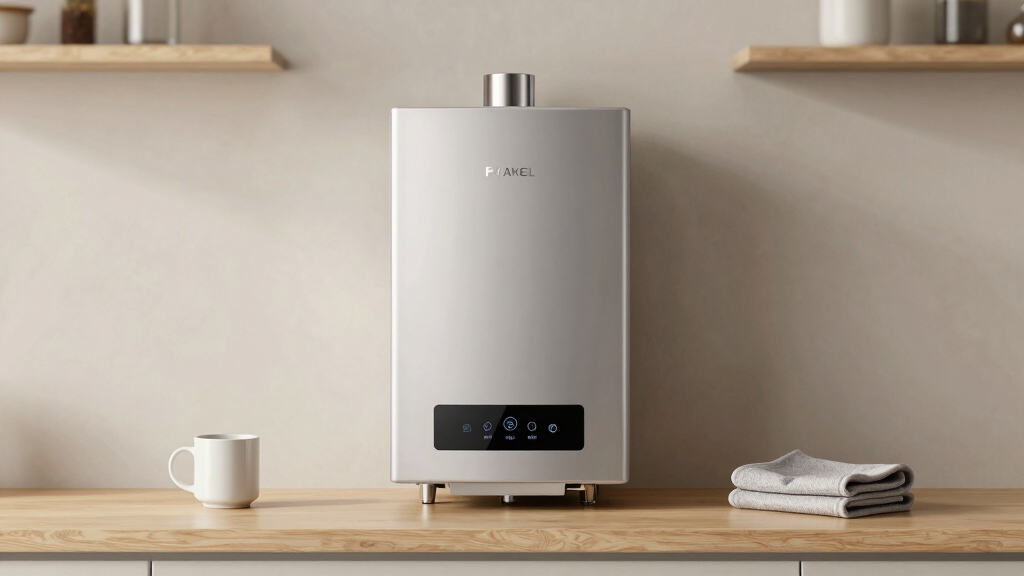

Finding the best electric tankless water heater for whole house use means balancing performance, capacity, and cost. The Westinghouse 18kW with Wi-Fi stands out as a smart, reliable choice for those who want convenience and smart home compatibility. For higher flow needs, the APUS 27kW offers impressive instant hot water, suited for larger households. Meanwhile, the WINTEMP 36kW delivers powerful capacity for demanding households, but at a higher price point. Buyers face tradeoffs like upfront cost versus long-term energy savings and flow rate versus installation complexity. Keep reading for a detailed breakdown to help you pick the right model for your home.

Get garden gear delivered free with Prime
- Fast, free delivery on millions of items
- Prime Video, Amazon Music and more included
- Member-only deals all year
Complete the kit


Key Takeaways
- Higher wattage models generally provide greater flow rates, but often come with increased installation complexity and cost.
- Smart features like Wi-Fi can add convenience but are not essential for basic performance and may increase price.
- Flow rate (GPM) is critical in choosing a heater; larger households need models with at least 6 GPM capacity.
- Build quality and safety certifications, such as ETL, significantly impact long-term reliability and safety.
- Price ranges vary widely; investing in a slightly more expensive unit can result in better performance and durability over time.


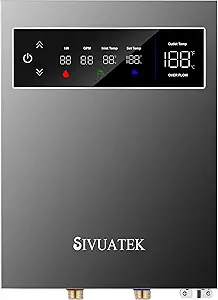


| electric tankless water heater for whole house use | Voltage | Flow Rate | Maximum Temperature | Dimensions |
|---|---|---|---|---|
| Westinghouse 18kW Electric Tan | 240V | 4.2 GPM | 140°F | — |
| APUS 27kW Electric Tankless Wa | 240V | up to 6.5 GPM | — | 17.7 × 11.4 × 3.5 inches |
| Fogatti 18kW Tankless Water He | — | Max 4.4 GPM | — | 17.1 x 12.9 x 3.9 inches |
| 27kW Electric Tankless Water H | 240 volts | 7.4 GPM | 140°F | 14.13" W x 15.86" H x 3.18" D |
| Tankless Water Heater Electric | 240V | 4.17 GPM | — | 17x13x3.9 inches |
| WINTEMP 36kW Electric Tankless | 240 volts | 8.7 gpm | 140 °F | — |
| 18kW Tankless Water Heater Ele | 240V | — | — | 15.87" x 11.14" x 2.87" |
| 18kW Electric Tankless Water H | 240V | 2.8 gpm | 125 °F | — |
| Vancepic 18kW Electric Tankles | 240V | — | 131 °F | — |
More Details on Our Top Picks
Westinghouse 18kW Electric Tankless Water Heater with Wi-Fi, Compatible with Alexa & Google Home
This Westinghouse model stands out for its seamless smart home compatibility, offering Wi-Fi control, and compatibility with Alexa and Google Home. Compared to the APUS 27kW unit, it provides easier integration for those who want remote control but sacrifices higher flow rates. Its compact size makes installation in tight spaces straightforward, yet it requires a robust electrical setup—240V and 75A wiring—which can add costs. While it heats water quickly, flow rate can decrease if inlet temperatures are low, limiting performance in colder climates. This pick makes the most sense for small households prioritizing smart features and space saving.
Pros:- Instant hot water with fast heating capacity
- Smart control via Wi-Fi app, compatible with Alexa and Google Home
- Compact size fits in small spaces and easy to install
- Safety features including overheat, dry-fire, and leak protection
Cons:- Professional installation recommended, adding to costs
- Flow rate varies with inlet temperature, potentially affecting performance
- Requires 240V/75A electrical connection, which may need upgrades
Best for: Homeowners seeking a compact, Wi-Fi-enabled unit to control via smart home devices in small spaces.
Not ideal for: Large households with high simultaneous hot water demands or those in colder climates, due to limited flow rate and performance variability.
- Power Source:Hard Wiring Required
- Wattage:18 KW
- Voltage:240V
- Flow Rate:4.2 GPM
- Maximum Temperature:140°F
- Certifications:ETL Certified
Our verdict“Ideal for small households wanting smart home integration and space efficiency, but less suited for high-demand applications.”
APUS 27kW Electric Tankless Water Heater, 240V, Up to 6.5 GPM, 3s Instant
The APUS 27kW model offers a high flow rate of up to 6.5 GPM, making it well-suited for large families or busy households with multiple simultaneous hot water uses. Compared to the Fogatti 18kW unit, it delivers significantly more hot water, but at the expense of requiring a more complex electrical setup—three 40A breakers and proper wiring—making installation more involved. Its digital temperature control ensures precise adjustments, reducing energy waste. While it provides reliable performance, inlet water temperature can still influence flow, especially during cold weather. This heater is best for those who need substantial hot water capacity and have the electrical capacity for installation.
Pros:- Provides continuous hot water for multiple simultaneous uses
- Digital control with precise temperature adjustment
- Energy-efficient self-modulating technology reduces electricity use
- Compact wall-mounted design saves space
Cons:- Requires professional installation due to electrical complexity
- Electrical setup demands 3×40 A breakers, which may not be available
- Performance varies with inlet water temperature and household demand
Best for: Large households needing reliable, high-flow hot water with precise temperature control.
Not ideal for: Small homes or renters with limited electrical capacity, due to its heavy power requirements and installation complexity.
- Power:27kW
- Voltage:240V
- Flow Rate:up to 6.5 GPM
- Temperature Range:86°F–140°F
- Dimensions:17.7 × 11.4 × 3.5 inches
- Installation:Wall-mounted, indoor use
Our verdict“Best for large households with sufficient electrical capacity seeking high flow and precise control, but not suited for small or rental properties.”
Fogatti 18kW Tankless Water Heater Electric 240V, Max 4.4 GPM, Whole House
The Fogatti 18kW heater delivers a reliable flow of hot water, suitable for small to medium homes. It offers precise temperature control within ±1°F, making it a solid choice compared to the Tankless Water Heater Electric 18kW with similar specs but without safety certifications. Its compact design makes installation straightforward, yet it requires a dedicated 240V circuit with 2×40 AMP breakers—an aspect that might complicate DIY setups. Performance diminishes if inlet water is cold or multiple outlets are used simultaneously, limiting its effectiveness in very demanding households. It makes the most sense for homes needing dependable hot water without excessive flow demands.
Pros:- Provides continuous hot water for multiple points of use
- Precise temperature control within ±1°F
- Compact and wall-mountable design saves space
- ETL-certified with comprehensive safety features
Cons:- Requires a dedicated 240V circuit with specific breakers
- Flow rate may decrease with colder inlet temperatures
- Installation may need professional electrical work
Best for: Small to medium-sized homes or households with moderate hot water needs and space constraints.
Not ideal for: Large households or homes in cold climates, where higher flow rates and colder inlet temperatures could reduce performance.
- Electrical Requirement:240V, 2 x 40 AMP circuit breakers
- Flow Rate:Max 4.4 GPM
- Temperature Range:86°F to 140°F
- Dimensions:17.1 x 12.9 x 3.9 inches
- Water Connection:3/4 inch NPT
- Efficiency:Up to 98%
Our verdict“A dependable, space-saving choice for small to medium homes, but less effective in high-demand or cold-weather situations.”
27kW Electric Tankless Water Heater, NOVIEEX 240V, 7.4 GPM, Indoor, Whole House Use
The NOVIEEX 27kW heater is designed for demanding households needing high flow capacity—supporting up to 7.4 GPM—making it ideal for large homes or those with multiple bathrooms running simultaneously. Compared with the APUS 27kW unit, it offers slightly higher flow, but the electrical demands are similar, requiring a dedicated 3×40A breaker. Its high efficiency (99.8%) and safety features, such as leak and over-temperature protection, make it a robust choice for continuous hot water supply. Its heavier build and electrical requirements mean professional installation is strongly recommended. It excels where high volume and reliability are priorities, though it’s limited to indoor use.
Pros:- High flow rate supports multiple outlets simultaneously
- Precise temperature control with LED display and smart locking
- High efficiency with 99.8% conversion rate
- Comprehensive safety features including leak and over-temperature protection
Cons:- Requires a dedicated 3×40A double-pole circuit breaker
- Heavy-duty installation may need professional assistance
- Limited to indoor use only
Best for: Large households or homes with high hot water demand seeking maximum flow and energy efficiency.
Not ideal for: Small homes or renters with limited electrical capacity or space constraints, due to high power needs and installation complexity.
- Power:27 kW
- Voltage:240 volts
- Flow Rate:7.4 GPM
- Maximum Temperature:140°F
- Dimensions:14.13″ W x 15.86″ H x 3.18″ D
- Mount Type:Wall
Our verdict“Best suited for large homes demanding high flow and energy savings, but requires significant electrical setup and professional installation.”
Tankless Water Heater Electric 18kW 240V 4.17 GPM Instant Heating
This 18kW electric tankless heater offers a practical balance of flow rate and size, suitable for small to medium households. It provides a steady supply of hot water at 4.17 GPM, which is enough for 2-3 fixtures simultaneously, especially in moderate climates. Compared to the Westinghouse 18kW unit, it emphasizes versatile installation options and safety certifications, but it shares similar electrical requirements—two 40A breakers—which could be a hurdle for some. Its compact design and safety features make it a reliable choice, but performance may decline if inlet water is very cold or demand exceeds capacity. It’s a solid pick where space and electrical capacity are considerations.
Pros:- Provides instant, endless hot water on demand
- Precise temperature control with LED display
- Versatile installation options for various spaces
- ETL certified with multiple safety features
Cons:- Requires specific electrical setup (two 40A breakers)
- Flow rate can vary with inlet temperature
- Installation may need professional electrical work
Best for: Small to medium households needing reliable, on-demand hot water without high flow demands.
Not ideal for: Large households or homes in very cold climates, where higher flow rates or colder inlet temperatures might cause issues.
- Power:18kW
- Voltage:240V
- Flow Rate:4.17 GPM
- Temperature Range:86°F–140°F
- Dimensions:17x13x3.9 inches
- Installation Requirements:2 x 40A breakers
Our verdict“A dependable, space-efficient choice for small to medium homes, balancing performance with electrical requirements.”
WINTEMP 36kW Electric Tankless Water Heater 240V ETL Certified WiFi
This model stands out for its impressive 8.7 GPM flow rate, making it ideal for larger households with multiple bathrooms. Compared with smaller units like the Vancepic 18kW, this heater manages higher demand effortlessly, but it demands a significant electrical upgrade—requiring a 300A service, which can be a hurdle for many homes. Its self-modulating technology reduces energy waste, and WiFi control adds convenience. The compact design saves space, yet installation complexity and power requirements are notable tradeoffs. If your home can support its electrical needs, this heater delivers reliable, continuous hot water for busy households.
Pros:- High flow rate of 8.7 GPM supports multiple fixtures simultaneously
- Energy-efficient self-modulating technology reduces power consumption
- WiFi control for remote temperature adjustments
- Compact, space-saving wall-mounted design
Cons:- Requires a 300A electrical service, not suitable for all homes
- Installation may need professional electrical work
- Higher power draw during operation increases energy costs
Best for: Homes with 3-5 bathrooms needing high flow capacity and remote temperature management.
Not ideal for: Small homes or apartments with limited electrical capacity or no room for a 300A service.
- Power Source:AC
- Wattage:36 KW
- Voltage:240 volts
- Flow Rate:8.7 gpm
- Maximum Temperature:140 °F
- Maximum Pressure:150 psi
Our verdict“This heater is perfect for large households with the electrical capacity to support its high power needs and desire for smart controls.”
18kW Tankless Water Heater Electric 240V, Whole House, Gray
Compared with the WINTEMP 36kW, this 18kW model offers a more accessible installation, suitable for smaller homes or those with limited electrical capacity. It delivers reliable, instant hot water across multiple points thanks to its 99.8% efficiency and smart temperature control with an LED display. However, its maximum temperature of 131°F and limited flow rate may restrict performance for larger households or those with high hot water demand. Installation requires two 40-amp circuit breakers, which could complicate setup for some users. This heater makes the most sense for homes with moderate hot water needs and a desire for energy efficiency at a lower price point.
Pros:- Provides consistent hot water for multiple fixtures
- High thermal efficiency of 99.8% reduces energy costs
- Compact, space-saving design fits easily in tight spaces
- Smart temperature control with clear LED display
Cons:- Requires two 40-amp circuit breakers, adding complexity
- Limited temperature range (86°F to 131°F) may not suit all preferences
- Flow rate may be insufficient for very high demand scenarios
Best for: Families with moderate hot water demand and limited electrical capacity seeking a cost-effective solution.
Not ideal for: Large households with high simultaneous hot water needs or homes with existing electrical constraints beyond 40A circuits.
- Power:18kW
- Voltage:240V
- Dimensions:15.87″ x 11.14″ x 2.87″
- Water Connection:3/4″ NPT
- Temperature Range:86°F to 131°F
- Efficiency:99.8%
Our verdict“This model is a solid choice for smaller households looking for reliable, efficient hot water at an affordable price.”
18kW Electric Tankless Water Heater, Self-Modulating, 240V
This pick emphasizes compactness and instant hot water, supporting up to 4.3 GPM, making it suitable for smaller homes or specific fixtures. Unlike the larger WINTEMP or the dual-circuit 18kW models, its small size (11″ W x 3″ H) allows installation in tight spaces, but it caps at 125°F, limiting its use for households requiring higher temperatures. Its smart regulation and 99.8% efficiency make it energy-friendly, yet its flow rate and maximum temperature restrict its suitability for full-home hot water supply. This makes it an ideal point-of-use heater or for homes with limited space and moderate demand.
Pros:- High flow rate of 4.3 GPM supports multiple fixtures at once
- Compact, space-saving design easily fits in tight spots
- Energy-efficient 99.8% and smart regulation
- Multiple safety protections including leakage and overheat
Cons:- Limited maximum temperature of 125°F may not be suitable for all needs
- Flow rate may be insufficient for large demand scenarios
- Requires a dedicated 240V circuit with a 40A breaker
Best for: Use at specific points where space is limited, such as under sinks or small apartments needing reliable hot water.
Not ideal for: Large homes or households that require multiple fixtures to run simultaneously at high flow rates and higher temperatures.
- Power Source:Corded Electric
- Wattage:18 KW
- Voltage:240V
- Flow Rate:2.8 gpm
- Maximum Temperature:125 °F
- Certifications:ETL
Our verdict“This model suits small-scale or point-of-use applications where space and energy efficiency are priorities over maximum flow and temperature.”
Vancepic 18kW Electric Tankless Water Heater 240V Whole House
Compared to the larger 36kW WINTEMP, the Vancepic’s 18kW capacity offers a more modest but still adequate solution for smaller households. It delivers instant hot water for 2-3 points with a maximum temperature of 131°F, making it suitable for moderate demand. Its compact design and easy wall-mount setup provide flexibility in placement, and safety features like leakage and overheat protection add peace of mind. However, its limited pressure capacity (87 psi) and inability to support as many fixtures simultaneously as higher-capacity models mean it’s best for homes with lower hot water needs. This heater is a budget-friendly, space-efficient option that performs well within its limits.
Pros:- Supports hot water for 2-3 usage points simultaneously
- Energy-efficient with up to 99% thermal efficiency
- Compact, lightweight, easy to install
- Includes safety features like leakage and overheat protections
Cons:- Limited to 2-3 fixtures, not suitable for whole-house high demand
- Maximum pressure of only 87 psi may limit certain plumbing setups
- Installation may still require a professional for proper wiring
Best for: Small to medium homes with 2-3 fixtures needing reliable hot water without high simultaneous demand.
Not ideal for: Large households or homes with high water demand and multiple simultaneous fixtures needing higher flow rates.
- Power Source:electric
- Wattage:18 KW
- Voltage:240V
- Maximum Temperature:131 °F
- Maximum Pressure:87 psi
- Item Dimensions:13.8″ W x 18.7″ H
Our verdict“This heater offers a practical, budget-conscious solution for small households or secondary applications where space and cost matter most.”
How We Picked
Products were evaluated based on performance metrics like flow rate and heating capacity, ensuring they can handle whole house demand. Usability factors, including installation complexity and smart features, were considered alongside build quality and safety certifications. Value was assessed by comparing price versus features and capacity. We prioritized models with proven reliability, positive user feedback, and features that enhance convenience without unnecessary complexity. The ranking reflects a balance between affordability, performance, and future-proof features, aiming to guide different types of buyers from budget-conscious to premium seekers.Factors to Consider When Choosing Best Electric Tankless Water Heater For Whole House Use
Choosing the best electric tankless water heater for your entire house requires understanding several key factors. Beyond just wattage and flow rate, consider how your household’s hot water demand, installation space, and budget influence your decision. A well-chosen unit can save energy and reduce long-term costs, but a poor fit might lead to inadequate hot water or higher expenses.Flow Rate and Capacity
Flow rate, measured in gallons per minute (GPM), determines how much hot water your system can produce simultaneously. Larger households with multiple bathrooms need models offering at least 6 GPM or more to avoid running out of hot water during peak usage. Oversized units, while more expensive, can handle higher demands and future growth, but may be underutilized in smaller homes, leading to unnecessary costs.
Wattage and Power Requirements
Wattage directly impacts the heater’s ability to supply hot water quickly and at a consistent temperature. Higher wattage units, like 27kW or 36kW models, typically support higher flow rates but require robust electrical systems—often a 240V supply with dedicated circuits. Failing to match your home’s electrical capacity can lead to installation issues or the need for costly upgrades.
Installation and Space Considerations
Ease of installation varies among models; some units are designed for straightforward DIY setup, while others require professional wiring and plumbing. Compact models are ideal for homes with limited space, but may sacrifice some capacity or features. Always check your available electrical panel capacity and space constraints before selecting a unit to avoid surprises during installation.
Features and Smart Capabilities
Smart features like Wi-Fi connectivity can enhance control and maintenance but often come with a higher price. For most users, basic models deliver reliable hot water without these extras. Consider whether remote monitoring or app controls align with your needs, or if they are simply added costs with limited use in your household.
Price, Reliability, and Certification
While budget-friendly models appeal to cost-conscious buyers, investing a bit more can mean increased durability and safety. Look for certifications like ETL or UL, which verify safety standards. Reliable brands with positive reviews tend to offer better long-term performance, reducing the risk of failures or costly repairs down the line.
Frequently Asked Questions
How do I know if my electrical system can support a high-wattage tankless heater?
To support a high-wattage electric tankless water heater, your home’s electrical panel needs to handle the increased load, often requiring a dedicated 240V circuit with sufficient amperage—usually 50-100 amps depending on the unit. It’s advisable to have a licensed electrician evaluate your existing wiring capacity before purchasing, as upgrading your electrical system might be necessary to ensure safe and reliable operation.
Is a smart electric tankless water heater worth the extra cost?
Smart features can add convenience by allowing remote control, usage monitoring, and maintenance alerts. If you enjoy integrating connected devices into your home or want to optimize energy use, these features may justify the higher price. However, for basic hot water needs, a straightforward model without smart capabilities will often perform just as well at a lower cost.
What flow rate do I need for a household with multiple bathrooms?
For households with multiple bathrooms or high simultaneous hot water use, aim for a unit providing at least 6 GPM or higher. This ensures that multiple fixtures—like showers, sinks, and appliances—can operate at once without running out of hot water. Carefully calculate your household’s peak demand to choose a model that can comfortably meet your needs, avoiding cold surprises during busy mornings.
How often should I expect to perform maintenance on an electric tankless water heater?
Routine maintenance typically involves flushing the unit annually to remove mineral build-up, especially in areas with hard water. Regular inspections of electrical connections and safety features are recommended to ensure ongoing reliable operation. Proper maintenance extends the lifespan of the heater and maintains its efficiency, ultimately saving money over time.
Is it better to buy a more powerful unit now or upgrade later if my household grows?
Purchasing a higher-capacity unit from the start can be more cost-effective and convenient, especially if you anticipate increased hot water demand. Upgrading later may require significant electrical work and new installation costs. Consider your current and future household size carefully to avoid underperforming units or costly upgrades down the line.
Conclusion
For most households, the Westinghouse 18kW with Wi-Fi offers a reliable, feature-rich option that balances performance and convenience, making it ideal for average-sized homes. The APUS 27kW stands out as the best choice for larger households that need higher flow rates without the premium price tag. For those with demanding hot water needs or larger families, investing in the WINTEMP 36kW provides ample capacity at a higher cost. Budget-conscious buyers focusing on simplicity and basic performance should consider the more straightforward, affordable models. Overall, your choice depends on household size, electrical capacity, and whether you value smart features or maximum flow rate.Fall yard work Picks
leaf blowers
As an affiliate, we earn on qualifying purchases.