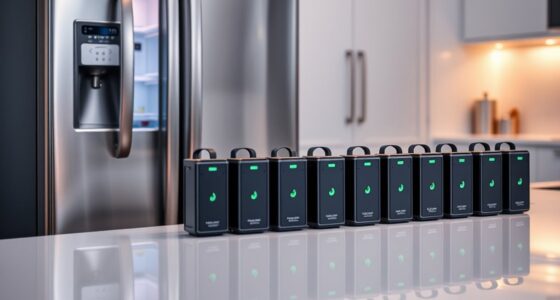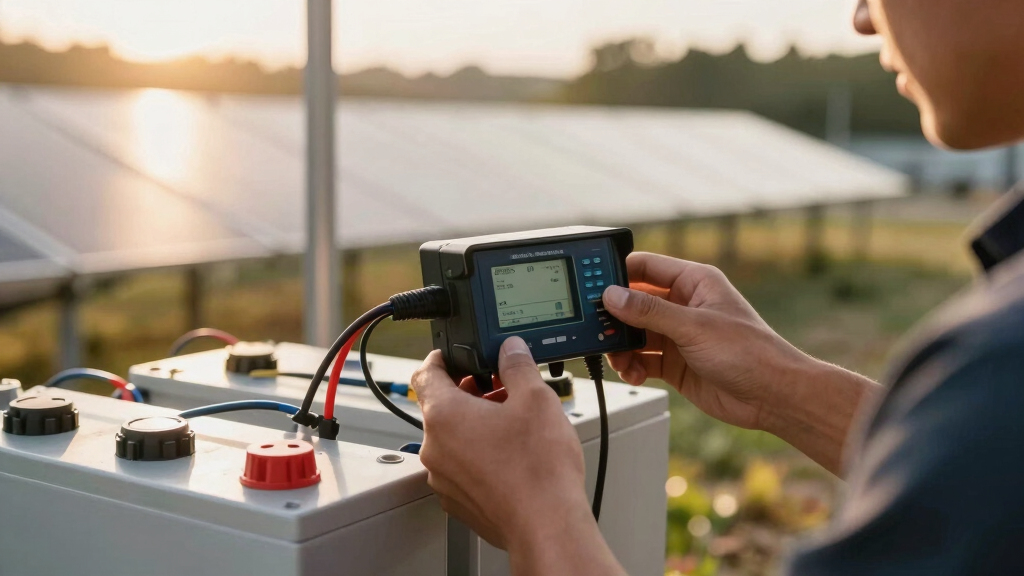

When selecting the best MPPT charge controller for battery systems, the key considerations include efficiency, capacity, and usability. The Victron Energy SmartSolar MPPT stands out as the overall top pick thanks to its reliability and advanced features. For those seeking high capacity, the 100A MPPT Solar Charge Controller offers robust power handling, while the LiTime 12V/24V 30A is a great option for smaller or beginner setups. Each of these options balances cost with performance, but tradeoffs exist—like complexity versus simplicity or capacity versus affordability. Keep reading for a detailed breakdown of each product to help you make an informed choice.
Complete the kit


Key Takeaways
- Efficiency ratings above 99% are common among the best controllers, directly impacting energy harvest and system performance.
- Higher capacity controllers, like 100A models, are suited for large-scale setups but often come with increased complexity and cost.
- Bluetooth and app monitoring features are increasingly standard, enhancing usability without adding significant expense.
- Build quality and compatibility with different battery chemistries remain critical, especially for long-term reliability.
- Price varies widely, but investing in a reputable brand often pays off in durability and ease of maintenance.


| mppt charge controller for battery system | Model | Warranty |
|---|---|---|
| LiTime 12V/24V 30A MPPT Solar | 12V/24V 30A | 2 Years |
| Dyness MPPT Solar Charge Contr | Dyness-mppt-40a | — |
| LiTime 12V-48V 60A MPPT Solar | — | 2 Years |
| 100A MPPT Solar Charge Control | — | — |
| Victron Energy SmartSolar MPPT | — | Warranty details available |
| Victron Energy SmartSolar MPPT | MPPT 75|15 | Not specified |
| 60A MPPT Solar Charge Controll | — | — |
| Victron SmartSolar MPPT Charge | — | — |
| Victron Energy SmartSolar MPPT | SCC110050210 | Warranty Unit Count 1 |
| Ampinvt 80 Amp MPPT Solar Char | AP-80C | — |
More Details on Our Top Picks
LiTime 12V/24V 30A MPPT Solar Charge Controller Bluetooth LCD Display
The LiTime 30A MPPT Solar Charge Controller stands out for its exceptional efficiency, surpassing many competitors like the Victron 45A model, with over 99% maximum power point tracking. Its integrated Bluetooth and LCD display make system monitoring straightforward, especially for those comfortable with technical setups. The aluminum construction ensures durability and effective heat dissipation, which is vital for reliable long-term operation. However, its 30A limit may restrict larger or expanding systems, and the need for some technical knowledge to optimize configuration could challenge beginners. Compared to other options like the Dyness 40A controller, it offers slightly lower current capacity but excels in thermal management and build quality. This pick suits smaller, well-versed DIYers or those prioritizing efficiency and durability in limited-space setups.Pros:- Over 99% MPPT efficiency ensures maximum energy harvest
- Built-in Bluetooth for remote system monitoring
- Durable die-cast aluminum construction with excellent heat dissipation
- Multiple protections including reverse connection and over-temperature
Cons:- Limited to 30A, not suitable for larger systems
- Requires some technical knowledge for optimal setup
- Bluetooth module is built-in but no external port for additional accessories
Best for: Technically inclined homeowners with small to medium solar setups looking for high efficiency and durable build quality.
Not ideal for: Large off-grid systems requiring higher current capacity, or users preferring plug-and-play simplicity without technical adjustments.
- Model:12V/24V 30A
- Bluetooth:Yes
- Display:LCD
- Protection Features:Reverse Connection, Overpower, Overvoltage, Short-circuit, Over-temperature
- Battery Compatibility:LiFePO4, Sealed Lead-acid, Gel Lead-acid
- Material:Die-cast aluminum
- Warranty:2 Years
Our verdict“This controller suits experienced users who need reliable, efficient, small to medium solar systems with remote monitoring capabilities.”
Dyness MPPT Solar Charge Controller with Bluetooth APP Control 40A 12V/24V
The Dyness 40A MPPT controller shines with its support for multiple battery types, including lithium and lead-acid, making it more adaptable than the LiTime 30A, especially for users with varied battery needs. Its Bluetooth app control and LCD display facilitate easy monitoring and adjustments, which is an advantage over simpler controllers. The support for up to 600W at 12V and 1200W at 24V makes it suitable for mid-sized off-grid systems, but the need for manual selection of lithium battery voltage adds complexity. Compared to the LiTime model, it offers higher current capacity but may require more technical skill to set up correctly. It’s ideal for RV owners or off-grid enthusiasts who want flexibility in battery choices and system monitoring.Pros:- Supports multiple battery types including lithium and lead-acid
- Bluetooth app control for monitoring and adjustments
- Supports up to 600W at 12V and 1200W at 24V
- Comprehensive safety protections for reliable operation
Cons:- Requires manual setup for lithium battery voltage
- Limited to 40A, not suitable for larger systems
- Bluetooth range may be restricted in larger setups
Best for: Off-grid enthusiasts and RV owners needing flexible battery support and reliable Bluetooth monitoring.
Not ideal for: Users with very large systems exceeding 40A or those preferring simple plug-and-play solutions with minimal setup.
- Model:Dyness-mppt-40a
- Max Current:40A
- Voltage Compatibility:12V/24V
- Supported Power:600W at 12V, 1200W at 24V
- Battery Types:Lithium, AGM/sealed, gel, flooded
- Bluetooth:Yes
- Display:Yes
- Protection Features:Overcharge, over-discharge, PV overvoltage, overheating
Our verdict“This controller is well-suited for off-grid users needing flexible battery options and remote monitoring, even if it involves a bit of setup effort.”
LiTime 12V-48V 60A MPPT Solar Charge Controller, Max 200V PV Input
The LiTime 60A controller stands out for its support of voltages up to 48V and a high current capacity, making it a more powerful choice compared to the 30A model. Its 99% tracking efficiency maximizes power extraction, and the LCD display simplifies system monitoring. With support for multiple battery types and a wide PV input voltage of up to 200V, it caters to more complex and larger setups. However, its setup complexity might challenge less experienced users, and 60A may still limit very large off-grid systems. Compared to the Dyness 40A, it offers higher current handling but requires more technical knowledge for configuration. It’s best suited for users with intermediate to advanced technical skills seeking scalable, multi-voltage system compatibility.Pros:- Over 99% MPPT efficiency for optimal energy collection
- Supports voltages up to 200V PV input for flexible array design
- Multiple battery compatibility including LiFePO4 and lead-acid
- LCD display for straightforward monitoring
Cons:- Setup may require technical expertise
- Limited to 60A, not suitable for very large systems
- Complex wiring and configuration might be intimidating for beginners
Best for: Intermediate to advanced users building larger, multi-voltage solar systems who need high current and flexible system options.
Not ideal for: Beginners or those with small, simple systems where ease of use is more important than high capacity.
- Max PV Input Voltage:200V
- Current:60A
- Supported Voltages:12V, 24V, 36V, 48V
- Supported Battery Types:LiFePO4, Lead-acid
- Protection Features:Overpower, over-voltage, short-circuit, over-temperature
- Warranty:2 Years
Our verdict“This controller offers powerful capacity and flexibility for users with technical skills aiming to expand larger or multi-voltage solar systems.”
100A MPPT Solar Charge Controller 250VDC Max Input, 99.9% Efficiency, 12V/24V/36V/48V Auto, APP Monitoring, LCD Display for Lithium/Lead-Acid Batteries
The 100A MPPT controller from this selection provides robust performance for large-scale or demanding off-grid setups, outperforming smaller controllers such as the LiTime 30A or Dyness 40A in current capacity. Its efficiency reaches an impressive 99.9%, maximizing energy harvest even under challenging conditions. The wide voltage compatibility and support for up to 5200W input at 12V systems make it ideal for heavy-duty applications. The inclusion of APP, RS485, and Modbus monitoring expands system oversight, appealing to professionals and advanced users. However, the complex wiring and setup may be overwhelming for novices, and Bluetooth monitoring requires an extra module. This is a clear choice for sizable or complex systems where maximum load handling and remote monitoring are priorities.Pros:- Exceptional efficiency of 99.9% maximizes energy use
- Supports up to 5200W input at 12V systems
- Remote monitoring via APP, RS485, and Modbus
- Handles high current loads of 100A reliably
Cons:- Setup complexity can be challenging for beginners
- Requires additional Bluetooth module for app connectivity
- Price and size may be prohibitive for small systems
Best for: Professionals or advanced users managing large, high-capacity solar installations requiring reliable remote system management.
Not ideal for: Casual users or small-scale systems that do not need such high current capacity or complex monitoring features.
- Max Input Voltage:250VDC
- Max Input Power:5200W
- Rated Current:100A
- Supported Voltages:12V, 24V, 36V, 48V
- Efficiency:99.9%
- Monitoring:APP, RS485, Modbus
Our verdict“This controller is best suited for large, demanding solar systems managed by experienced users needing maximum capacity and remote oversight.”
Victron Energy SmartSolar MPPT Charge Controller 150V, 45A, 12/24/36/48V
The Victron Energy SmartSolar 45A controller offers a refined balance between high efficiency and system integration, supporting voltages up to 150V and enabling synchronization with other Victron controllers. Its intelligent algorithms optimize battery health, while the VictronConnect app simplifies setup and ongoing management. Compared with the LiTime and Dyness controllers, it emphasizes system-wide coordination and remote oversight, ideal for users with existing Victron components. Its slightly higher price may deter budget-conscious buyers, but the integrated monitoring and synchronization justify the investment for sophisticated setups. This controller excels in environments where system integration and advanced monitoring are valued, such as remote or grid-tied configurations.Pros:- Highly efficient MPPT technology maximizes power output
- Supports system-wide synchronization with multiple controllers
- Easy configuration and monitoring via VictronConnect app
- Protects batteries with intelligent load disconnect
Cons:- Requires compatible Victron system components
- Price may be higher compared to simpler controllers
- Setup and configuration can be complex for new users
Best for: Advanced users or system integrators seeking seamless monitoring, synchronization, and system-wide optimization.
Not ideal for: Beginners or small systems where simple, standalone controllers suffice, due to its complexity and cost.
- Input Voltage:150V
- Max Current:45A
- Compatible Voltages:12/24/36/48V
- Warranty:Warranty details available
- Monitoring:VictronConnect app
- Efficiency:High
Our verdict“This controller is ideal for experienced system builders seeking integrated monitoring and future scalability within the Victron ecosystem.”
Victron Energy SmartSolar MPPT Solar Charge Controller 75V, 15A, 12/24V
This Victron Energy model stands out for its combination of reliable MPPT technology and user-friendly Bluetooth connectivity, making it an excellent choice for both novices and experienced users. Its ability to efficiently harvest power even in shaded conditions surpasses many basic controllers, and synchronized operation with multiple units enhances scalability. Compared with the larger, more complex 60A models, this unit’s simplicity makes it more accessible for smaller systems, though it offers less current capacity. The absence of detailed warranty info may be a concern for long-term reliability, and it requires compatible batteries for optimal performance. Ideal for small to medium off-grid setups, where ease of use and system monitoring are priorities. Not suited for large-scale solar farms due to its limited current capacity. Pros include efficient MPPT operation, Bluetooth monitoring, and synchronized multi-controller support. Cons involve unclear warranty details and reliance on compatible batteries. Perfect for users seeking a reliable, easy-to-monitor controller for moderate system sizes.
Pros:- Efficient MPPT technology maximizes power output in shaded conditions
- Bluetooth connectivity simplifies system monitoring and configuration
- Supports synchronization with multiple controllers for scalable systems
Cons:- Warranty information is not specified, which may concern some buyers
- Limited to 15A current, unsuitable for high-demand applications
Best for: Small to medium off-grid solar systems needing remote monitoring and easy setup
Not ideal for: Large solar farms or systems requiring high current capacity beyond 15A
- Brand:Victron Energy
- Model:MPPT 75|15
- Voltage:12/24V
- Maximum Voltage:75V
- Current:15A
- Connectivity:Bluetooth
- Warranty:Not specified
Our verdict“This controller suits small to medium setups where ease of use and system monitoring are key priorities.”
60A MPPT Solar Charge Controller 200VDC Max Input, 99.9% Efficiency, 12V/24V/36V/48V Auto, APP Monitoring, LCD Display for Lithium/Lead-Acid Batteries
This 60A controller offers exceptional efficiency, reaching up to 99.9%, making it ideal for large or demanding solar setups. Its support for high-voltage inputs (up to 200VDC) and multiple battery types ensures versatility, especially compared to smaller units like the Victron 75V model. The inclusion of an LCD display and app monitoring provides real-time oversight, though the setup process can be complex for beginners and may require additional Bluetooth modules for app access. Its high current capacity makes it suitable for substantial off-grid, RV, or industrial applications, but this comes with a higher purchase price. Best suited for users who need robust, high-capacity systems, willing to handle a more involved installation. Not ideal for small or simple setups due to its complexity and cost. Pros include ultra-high efficiency, support for multiple battery types, and comprehensive monitoring options. Cons involve a potentially steep learning curve and the need for extra modules for full app functionality. This pick is perfect for experienced users deploying large, high-demand solar systems.
Pros:- Up to 99.9% efficiency maximizes energy harvest
- Supports multiple battery types and voltages
- Real-time monitoring via LCD and app options
Cons:- Setup complexity may challenge beginners
- Higher price point compared to basic controllers
Best for: Large off-grid systems, RVs, or industrial applications requiring high current and high voltage handling
Not ideal for: Beginners or small residential setups with limited budget and simpler needs
- Max Input Voltage:200VDC
- Max Solar Capacity:3120W
- Rated Current:60A
- Supported Battery Voltages:12V, 24V, 36V, 48V
- Efficiency:99.9%
- Protection Features:Reverse polarity, over/under-charge, short circuit, over-current, surge
Our verdict“This controller is ideal for advanced users managing large, high-capacity solar systems needing maximum efficiency and monitoring features.”
Victron SmartSolar MPPT Charge Controller (150V, 60A)
This Victron model is designed for high-voltage, high-current applications, making it well-suited for large solar arrays. Its ability to handle up to 150V and 60A allows it to efficiently convert energy from expansive panel setups, outperforming smaller controllers in high-demand environments. The straightforward design and proven brand reliability appeal to professional installers, but the lack of detailed durability or warranty info leaves some questions about long-term use. Compared to the 75V Victron SmartSolar, this unit offers much higher capacity but demands careful installation and voltage management. It’s a strong choice for large-scale projects but less suitable for smaller or simpler systems. Best for experienced users building extensive solar arrays, who can manage the higher voltage and current. Not ideal for small residential setups or those with limited technical skills. Pros include high capacity handling, robust brand reputation, and efficient energy conversion. Cons involve the need for precise installation and uncertain warranty details. Ideal for large, high-voltage solar systems with professional installation capabilities.
Pros:- Handles up to 150V and 60A for large, demanding setups
- Efficient MPPT technology maximizes energy harvesting
- Built by a trusted brand with proven reliability
Cons:- Requires careful setup and voltage management
- Limited warranty info may concern some buyers
Best for: High-capacity, large-scale solar installations requiring high voltage and current handling
Not ideal for: Small residential or portable systems with lower power demands
- Voltage:150V
- Current:60A
- Included Components:Solar Charge Controller
Our verdict“This controller suits large-scale solar projects that demand high voltage, high current, and professional-grade reliability.”
Victron Energy SmartSolar MPPT Solar Charge Controller 100V, 50A, 12/24V
This Victron SmartSolar model offers a solid balance of capacity and monitoring features, making it suitable for larger home or small commercial systems. Its ability to handle up to 100V and 50A provides more flexibility than the 75V model, particularly for expanding installations. The fast MPPT tracking and app connectivity support efficient energy management, but setup may require some technical understanding, especially for optimizing performance. Compared with the 75V, 15A version, this unit handles more power but at a higher initial cost. It’s less suited for tiny or portable systems, where simplicity and lower price points are preferred. Best for those who want a reliable, scalable controller for larger residential systems, with monitoring capabilities. Not ideal for complete beginners or very small setups. Pros include good capacity, fast MPPT tracking, and app control. Cons involve a need for technical knowledge during setup and higher cost. This controller makes sense for homeowners expanding their solar capacity and wanting monitoring flexibility.
Pros:- Supports up to 100V and 50A for larger systems
- Fast MPPT tracking improves energy harvest
- App connectivity for system monitoring and configuration
Cons:- Requires some technical setup knowledge
- More expensive than smaller capacity controllers
Best for: Larger residential solar systems or small commercial setups needing scalability
Not ideal for: Small portable systems or users with limited technical skills
- Model:SCC110050210
- Voltage:12/24V
- Maximum Voltage:100V
- Current:50A
- Warranty:Warranty Unit Count 1
Our verdict“This model is well-suited for larger residential systems seeking scalable capacity and remote monitoring.”
Ampinvt 80 Amp MPPT Solar Charge Controller 48V 36V 24V 12V Auto, 80A Solar Panel Regulator Max Input Power 1100W-4500W, for AGM Sealed Gel Flooded Lithium Battery
The Ampinvt 80A controller offers impressive versatility, supporting multiple battery types including lithium, AGM, gel, and flooded lead-acid. Its high current capacity makes it highly suitable for large, high-demand systems like RVs, industrial setups, or expansive home solar arrays. The LCD display and Wi-Fi remote monitoring add convenience, though some setup complexity may challenge users unfamiliar with advanced configurations. Compared to the smaller Victron models, this unit handles much higher power levels, but its broader feature set comes with increased complexity. The unit’s auto voltage detection simplifies installation, but the need for additional purchase for Wi-Fi monitoring can increase overall costs. Best for experienced DIYers or professionals managing large, mixed-battery systems, who prioritize flexibility and high power. Not ideal for beginners or small-scale applications. Pros include support for multiple battery chemistries, high current capacity, and remote monitoring. Cons involve complex setup and extra costs for Wi-Fi modules. This pick fits users needing a robust, flexible controller capable of handling diverse battery types and large loads.
Pros:- Supports multiple battery types including lithium and lead-acid
- High efficiency with over 99% tracking rate
- LCD display and Wi-Fi remote monitoring enhance usability
Cons:- Wi-Fi remote monitoring requires additional purchase
- Complex setup may be challenging for less experienced users
Best for: Large, mixed-battery systems requiring high current capacity and remote management
Not ideal for: Beginners or small systems with simple needs and limited technical skills
- Model:AP-80C
- Max Input Power:1100W-4500W
- Max Input Voltage:150V
- System Voltage:12V/24V/48V
- Tracking Rate:≥99%
- Display:LCD with real-time data
Our verdict“This controller is ideal for experienced users managing large, diverse battery systems with a need for remote monitoring and high power capacity.”
How We Picked
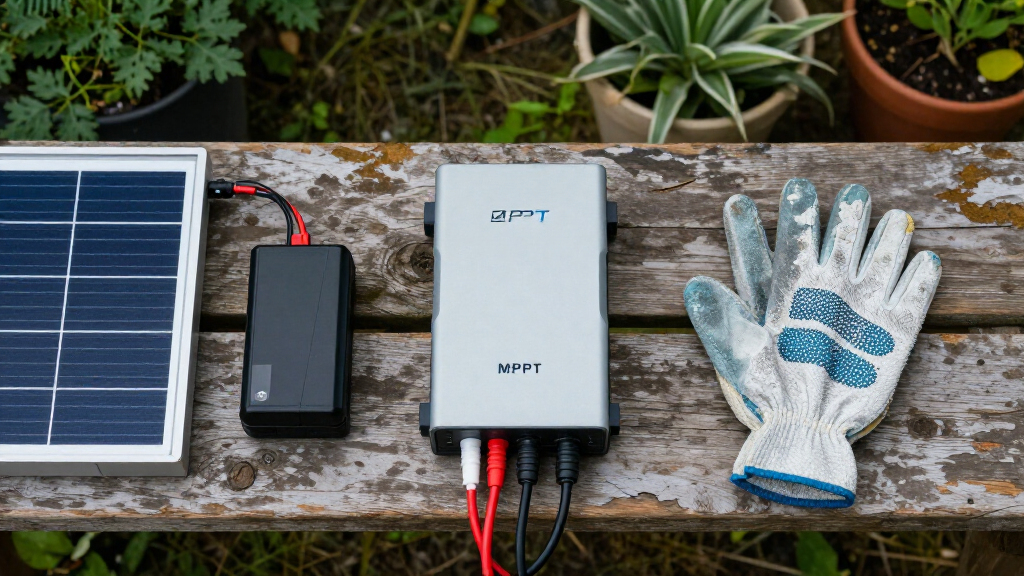
The products in this roundup were evaluated based on several key criteria. Performance metrics such as maximum current capacity, input voltage range, and efficiency were prioritized because they directly affect system output and reliability. Usability factors like Bluetooth connectivity, LCD displays, and app monitoring were also considered, as easier management can save time and reduce errors. Build quality, compatibility with various battery types, and overall value—balancing cost against features—shaped the rankings. Products with proven durability and positive user feedback earned higher positions, ensuring that the top choices deliver both performance and longevity.Factors to Consider When Choosing Best Mppt Charge Controller For Battery Systems
Choosing the right MPPT charge controller involves balancing multiple factors to match your specific battery system and energy needs. While higher capacity controllers handle larger arrays and more power, they also tend to be more expensive and complex. Ease of use, such as Bluetooth monitoring or LCD displays, can make everyday operation smoother, especially for beginners. Compatibility with different battery chemistries ensures long-term performance and safety. Understanding input voltage limits prevents system bottlenecks, while considering efficiency helps maximize energy harvest. Finally, assessing build quality and brand reputation can prevent costly replacements or repairs down the line.Capacity and Compatibility
Matching your controller’s capacity with your solar array and battery bank is vital. Oversizing can lead to unnecessary costs and complexity, while undersized units risk overloading and damage. Check the maximum input voltage and current ratings to ensure compatibility with your panels, especially if you plan to expand your system later. Consider your battery chemistry and voltage requirements to select a controller that supports your setup without compromising safety or performance.
Efficiency and Performance
High efficiency in an MPPT controller ensures more energy from your solar panels reaches your batteries, directly impacting system effectiveness. Most top models now boast efficiencies above 99%, which is beneficial for maximizing output. However, remember that efficiency can vary under different conditions, so look for controllers with good performance in both low and high-light scenarios. A more efficient controller reduces waste and can shorten charging times, especially important in off-grid or limited sunlight situations.
Usability Features
Features like Bluetooth connectivity, mobile app monitoring, and clear LCD displays make managing your system more straightforward. For beginners, these tools can reduce setup errors and simplify troubleshooting. More advanced users may appreciate remote control and real-time data to optimize performance. However, additional features often increase the cost, so consider whether these extras align with your comfort level and technical skills.
Durability and Brand Reputation
Investing in a controller from a reputable brand often translates into better build quality and reliable performance over time. Look for products with positive user reviews and proven durability, especially if your system will be exposed to harsh environments. Features like corrosion resistance and quality components can extend the lifespan of your controller. Avoid overly cheap options that might save money initially but could lead to costly failures later.
Cost and Long-Term Value
While budget constraints matter, opting solely for the cheapest controller can compromise performance and durability. Consider your system’s scale and future expansion plans—spending a little more upfront on a high-quality controller can save money over its lifespan. Assess whether the added features, higher capacity, or superior efficiency justify the higher price. Remember, reliable operation and ease of maintenance often outweigh initial savings.
Frequently Asked Questions
Can I use a smaller MPPT controller for a large battery bank?
Using a smaller controller than recommended for your system can lead to overloading and reduced lifespan. It may also prevent your system from harvesting maximum energy, especially during peak sunlight. Always match or slightly oversize the controller’s capacity relative to your solar array and battery bank to ensure safe, efficient operation. If you need to expand later, consider future-proofing with a slightly higher capacity model from the start.
Is Bluetooth monitoring necessary for a home solar setup?
Bluetooth monitoring adds convenience by allowing you to check system status remotely and make adjustments without opening the controller. For small or static setups, it might be a nice-to-have feature, but not essential. Larger or more complex systems benefit significantly from real-time data access, helping prevent issues early. If you prefer simplicity or limited budget, models without Bluetooth still deliver strong performance, but app monitoring can streamline maintenance.
How important is efficiency in an MPPT charge controller?
Efficiency directly influences how much energy your system can harvest from your panels. Higher efficiency means less energy loss during conversion, which translates into faster battery charging and better overall system performance. Most modern controllers achieve over 99% efficiency, but differences may matter in low-light or high-demand scenarios. Investing in a highly efficient controller ensures you maximize your solar investment, especially in off-grid or resource-constrained environments.
Should I prioritize a controller with a high input voltage range?
Yes, a broader input voltage range allows more flexibility in panel configurations and future expansion. It enables you to connect higher-voltage panels or arrays without replacing the controller. This flexibility can be particularly valuable if you plan to upgrade your system later. However, ensure the controller’s voltage ratings match your panel specifications to avoid damaging your equipment. A high input voltage rating often correlates with increased versatility and future-proofing.
Is a more expensive MPPT controller worth the investment?
Higher-priced controllers often come with better build quality, higher capacities, advanced features like Bluetooth monitoring, and longer warranties. For large or critical systems, investing more upfront can lead to greater reliability, reduced maintenance, and potentially higher energy yields. However, for small or temporary setups, a budget-friendly model may suffice. Weigh your system size, future needs, and budget carefully to determine if the extra investment aligns with your long-term goals.
Conclusion
For most users, the Victron Energy SmartSolar MPPT offers a reliable, feature-rich experience that balances performance and ease of use, making it the best overall choice. Those with larger systems or seeking maximum capacity should consider the 100A MPPT Controller, despite its higher cost and complexity. Beginners or small-scale setups benefit from simpler, budget-friendly models like the LiTime 12V/24V 30A. For high-end, professional-grade systems, investing in premium controllers with advanced monitoring can justify the price, while cost-conscious buyers should prioritize proven brands with good warranties. Matching your specific needs and budget will lead to the most satisfying and reliable solar experience.