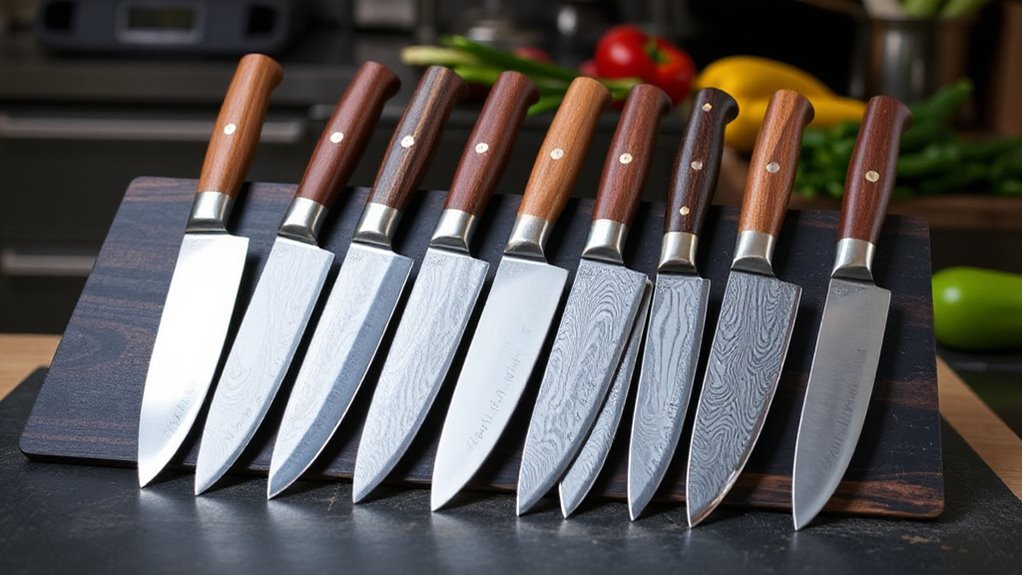
If you’re searching for nakiri knives, you’re likely looking for a precise, lightweight tool for vegetable prep. The Shun Premier 5.5-Inch Nakiri stands out as the best overall for its combination of sharpness, balance, and craftsmanship. For those prioritizing affordability without sacrificing quality, the imarku 7 Inch Nakiri offers excellent value. Meanwhile, the HOSHANHO Damascus Nakiri appeals to buyers seeking a visually striking, high-performance knife. Each of these options highlights the key tradeoffs in this category: price versus craftsmanship, traditional styling versus modern materials, and beginner-friendly versus professional-grade tools. Continue reading for a detailed breakdown of all 15 picks to find your ideal nakiri knife.
Get ready for Prime Big Deal Days — try Prime free
Exclusive member deals on October 6–7, plus fast free delivery. Cancel anytime.
Start your free trialAs an affiliate, we earn on qualifying purchases.
Complete the kit


Key Takeaways
- The top-rated nakiri knives balance sharpness, edge retention, and ease of handling, with premium options offering the best combination of these qualities.
- Materials like VG10 steel and layered high-carbon steel consistently outperform basic stainless steels in edge durability and corrosion resistance.
- Handle design and ergonomics matter significantly—comfort and grip quality can influence long-term usability more than aesthetic appeal.
- Price ranges vary widely; however, well-made mid-tier knives often deliver excellent performance without the premium price tag.
- Traditional Japanese craftsmanship remains a hallmark of high-end nakiri knives, but modern manufacturing techniques offer compelling alternatives for budget-conscious buyers.
| Shun Premier 5.5-Inch Nakiri Knife |  | Best for Precision Vegetable Work | Brand: Shun | Manufacturer: Kai | Product Type: Nakiri Knife | VIEW ON AMAZON | See Our Full Breakdown |
| imarku 7 Inch Nakiri Knife – Japanese High-Carbon Stainless Steel Chef Knife |  | Best Value for Versatile Vegetable and Meat Prep | Brand: imarku | Blade Length: 7 inches | Blade Material: Japanese high-carbon stainless steel | VIEW ON AMAZON | See Our Full Breakdown |
| HOSHANHO 7 Inch Nakiri Knife, Ultra Sharp Japanese Kitchen Chef Knife |  | Best for Sharpness and Versatility | Blade Length: 7 inches | Material: Japanese 10Cr15CoMoV high carbon stainless steel | Blade Hardness: 60HRC | VIEW ON AMAZON | See Our Full Breakdown |
| PAUDIN 7-Inch Nakiri Knife – 9-Layer High Carbon Steel Kitchen Knife, Ultra Sharp Vegetable and Meat Chopping Cleaver |  | Best for Durability and Craftsmanship | Blade Length: 7 inches | Steel Type: 9-layer Damascus composite steel with 10Cr15CoMoV core | Hardness: 62 HRC | VIEW ON AMAZON | See Our Full Breakdown |
| Shun Classic 6.5″ Nakiri Knife |  | Best for Traditional Craftsmanship and Longer Blade | Blade Length: 6.5 inches | Steel: VG-MAX steel with 68 layers of Damascus | Edge: 16-degree angle | VIEW ON AMAZON | See Our Full Breakdown |
| imarku Nakiri Knife 7 Inch – Japanese High Carbon Stainless Steel Vegetable Chopper |  | Best Overall for Versatile Vegetable Preparation | Blade Length: 7 inches | Blade Material: SUS440A high-carbon stainless steel | Hardness: HRC 58+ | VIEW ON AMAZON | See Our Full Breakdown |
| HOSHANHO Damascus Nakiri Knife 6.5″ – Japanese Super Steel Vegetable Knife |  | Best for Sharpness and Deep Traditional Craftsmanship | Blade Length: 6.5 inches | Blade Material: Damascus 10Cr15CoMoV steel core | Hardness: 62 HRC | VIEW ON AMAZON | See Our Full Breakdown |
| Mercer Culinary Genesis 7-Inch Nakiri Vegetable Knife, Black |  | Best for Professional Precision and Durability | Blade Length: 7 inches | Material: High-carbon German steel | Handle: Non-slip Santoprene | VIEW ON AMAZON | See Our Full Breakdown |
| KAWAHIRO Japanese Nakiri Knife, 7 Inch VG10 High Carbon Stainless Steel Vegetable Knife with Ruby Wood Handle |  | Best for Handcrafted Luxury and Precision | Blade Length: 7 inches | Blade Material: VG10 high carbon steel | Hardness: 62 HRC | VIEW ON AMAZON | See Our Full Breakdown |
| PAUDIN 7″ Nakiri Knife – High Carbon Stainless Steel Vegetable Cleaver with Ergonomic Handle |  | Best for Versatile, Everyday Vegetable Prep | Blade Length: 7 inches | Steel: 5Cr15Mov high-carbon stainless steel | Hardness: 56+ HRC | VIEW ON AMAZON | See Our Full Breakdown |
| Sunnecko 7″ Nakiri Knife with Sheath |  | Best Overall for Lightweight Precision | Brand: Sunnecko | Blade Length: 7 inches | Blade Edge: Plain | VIEW ON AMAZON | See Our Full Breakdown |
| HOSHANHO 7 Inch Nakiri Knife, Ultra Sharp Vegetable Cleaver |  | Best for Precision Edge Retention and Aesthetic Finish | Brand: HOSHANHO | Blade Length: 7 inches | Blade Thickness: 2.5mm | VIEW ON AMAZON | See Our Full Breakdown |
| Milk Street 6.75-inch Nakiri Knife by Christopher Kimball |  | Best for Ergonomic Control and Daily Vegetable Prep | Blade Length: 6.75 inches | Material: 1.4116 German Steel | Blade Height: 2 inches | VIEW ON AMAZON | See Our Full Breakdown |
| Cuisinart 7″ Nakiri Knife with Blade Guard, Stainless Steel Collection |  | Best for Safe Storage and Easy Maintenance | Brand: Cuisinart | Blade Length: 7 inches | Blade Material: Stainless Steel | VIEW ON AMAZON | See Our Full Breakdown |
| FAMCÜTE 7-Inch Nakiri Knife, Hand-Forged Ultra Sharp Japanese Chef Knife |  | Best for High-End Sharpness and Style | Brand: FAMCÜTE | Blade Length: 7 inches | Steel: 5-layer 9Cr18MoV | VIEW ON AMAZON | See Our Full Breakdown |
| nakiri knife | Blade Length | Handle Material | Edge Angle |
|---|---|---|---|
| Shun Premier 5.5-Inch Nakiri K | 5.5 inches | Pakkawood | 16 degrees |
| imarku 7 Inch Nakiri Knife | 7 inches | FSC-Certified Pakkawood | 15° |
| HOSHANHO 7 Inch Nakiri Knife | 7 inches | Pakkawood | 15 degrees |
| PAUDIN 7-Inch Nakiri Knife | 7 inches | Black wood with full-tang construction | 13° double-bevel |
| Shun Classic 6.5" Nakiri Knife | 6.5 inches | Pakkawood | — |
| imarku Nakiri Knife 7 Inch | 7 inches | FSC-Certified pakkawood | — |
| HOSHANHO Damascus Nakiri Knife | 6.5 inches | Olive wood | 15 degrees |
| Mercer Culinary Genesis 7-Inch | 7 inches | — | — |
| KAWAHIRO Japanese Nakiri Knife | 7 inches | Ruby wood and turquoise | — |
| PAUDIN 7" Nakiri Knife | 7 inches | Pakkawood | — |
| Sunnecko 7" Nakiri Knife with | 7 inches | Pakkawood | 12° double-bevel |
| HOSHANHO 7 Inch Nakiri Knife | 7 inches | Rosewood | 12° double-bevel |
| Milk Street 6.75-inch Nakiri K | 6.75 inches | Polymer with textured finish | — |
| Cuisinart 7" Nakiri Knife with | 7 inches | — | — |
| FAMCÜTE 7-Inch Nakiri Knife | 7 inches | — | 14° |
More Details on Our Top Picks
Shun Premier 5.5-Inch Nakiri Knife
The Shun Premier 5.5-inch Nakiri stands out for its exquisite craftsmanship and emphasis on vegetable slicing. Its VG-MAX steel core with 68 layers of Damascus creates a sharp, durable edge, ideal for precise dicing that surpasses the performance of more basic options like the imarku 7-inch Nakiri. The hammered tsuchime finish minimizes food sticking, making it easier to work efficiently. However, its specialized shape means it’s less versatile for tasks beyond vegetables, and the 16-degree edge requires careful handling to prevent chipping. Compared with larger or more multi-purpose knives, this one excels at detailed vegetable prep but isn’t suited for heavy-duty cutting or meat work. If you prioritize craftsmanship and precision for vegetables, this knife is a top choice.
Pros:- Optimized for precise vegetable slicing and dicing
- Hammered finish reduces drag and prevents food sticking
- Sharp VG-MAX Damascus blade with a 16-degree edge
- Comfortable ambidextrous Pakkawood handle
Cons:- Specialized shape limits versatility for other tasks
- Requires careful maintenance to preserve sharpness
Best for: Home chefs who focus on vegetable prep and appreciate Japanese craftsmanship
Not ideal for: Cooks needing a multi-purpose knife for heavy-duty tasks or meat prep
- Brand:Shun
- Manufacturer:Kai
- Product Type:Nakiri Knife
- Blade Length:5.5 inches
- Blade Material:VG-MAX steel with 68 layers of Damascus cladding
- Edge Angle:16 degrees
- Handle Material:Pakkawood
- Handedness:Left and right-handed
- Origin:Japan
Our verdict“This Nakiri is perfect for dedicated vegetable prep and those who value craftsmanship over all-purpose utility.”
imarku 7 Inch Nakiri Knife – Japanese High-Carbon Stainless Steel Chef Knife
The imarku 7-inch Nakiri offers a compelling balance of affordability and functionality. Its razor-sharp 15° edge made from Japanese high-carbon stainless steel ensures smooth slicing through vegetables, meats, and fruits, making it more versatile than the more focused Shun Premier. The hollow-edge hammered finish reduces sticking, which improves efficiency in busy kitchens. Its ergonomic Pakkawood handle with full-tang construction provides excellent balance and a confident grip. However, being hand wash only limits convenience, and its shape is better suited to vegetables than larger or heavier tasks. Compared to the premium PAUDIN or HOSHANHO knives, this one provides great value but may require more careful handling to maintain sharpness. It makes sense for home cooks wanting a reliable, all-around Nakiri without a high price tag.
Pros:- Razor-sharp 15° edge for smooth, precise cuts
- Anti-stick hollow-edge reduces food drag
- Ergonomic, non-slip Pakkawood handle with full-tang balance
- Comes in gift-ready packaging with protective sheath
Cons:- Hand wash only, not dishwasher safe
- Shape favors vegetable prep over heavy-duty tasks
Best for: Home cooks seeking an affordable, versatile vegetable and light meat knife
Not ideal for: Professional kitchens or users expecting dishwasher-safe tools
- Brand:imarku
- Blade Length:7 inches
- Blade Material:Japanese high-carbon stainless steel
- Edge Angle:15°
- Handle Material:FSC-Certified Pakkawood
- Construction:Full tang
- Included:Knife, protective sheath, gift box
Our verdict“This Nakiri balances price and performance well, making it ideal for versatile cooking at home.”
HOSHANHO 7 Inch Nakiri Knife, Ultra Sharp Japanese Kitchen Chef Knife
The HOSHANHO 7-inch Nakiri is distinguished by its ultra-sharp, hand-polished blade made from high carbon stainless steel, designed for effortless slicing of vegetables, meat, and fruits. Its 15-degree edge provides a fine, precise cut that rivals more expensive Japanese knives like the Shun Classic, but at a potentially lower price point. The scalloped hollow side enhances non-stick performance, making it suitable for various ingredients. Its ergonomic Pakkawood handle offers comfort during extended use. The main tradeoff is the high carbon steel’s need for careful maintenance to prevent rust, and the handle may be less durable if exposed to excessive moisture. This knife’s versatility makes it a solid option for serious home chefs who want a sharp, all-around tool.
Pros:- Extremely sharp, hand-polished blade
- Versatile for vegetables, meat, and fruits
- Ergonomic handle reduces fatigue
- Stylish design with scalloped hollow side
Cons:- High carbon steel requires careful rust prevention
- Handle may be less durable with excessive moisture
Best for: Experienced home cooks who want a sharp, versatile Nakiri for different ingredients
Not ideal for: Beginners or those seeking low-maintenance, dishwasher-safe knives
- Blade Length:7 inches
- Material:Japanese 10Cr15CoMoV high carbon stainless steel
- Blade Hardness:60HRC
- Handle Material:Pakkawood
- Edge Angle:15 degrees
Our verdict“This knife offers sharpness and versatility for users willing to maintain it properly.”
PAUDIN 7-Inch Nakiri Knife – 9-Layer High Carbon Steel Kitchen Knife, Ultra Sharp Vegetable and Meat Chopping Cleaver
The PAUDIN 7-inch Nakiri emphasizes durability and craftsmanship with its 9-layer Damascus composite steel construction and 10Cr15CoMoV core. Its 62 HRC hardness delivers excellent edge retention, suitable for consistent vegetable and meat slicing. The 2.5mm thick blade and 13° double-bevel edge provide robust cutting power, especially compared with thinner, more delicate knives like the Shun Premier. Its full-tang handle with a protective sheath ensures safety and control. A key consideration is that this knife isn’t designed for chopping through bones or frozen meats, and the higher price may be a barrier for casual cooks. Compared to cheaper single-layer knives, its layered steel offers a blend of strength and aesthetic appeal, making it a good investment for serious cooks seeking longevity.
Pros:- Exceptional sharpness and edge retention at 62 HRC
- Balanced full-tang construction for control
- Elegant Damascus wave pattern with handcrafted finish
- Includes a protective sheath for safe storage
Cons:- Not suitable for chopping hard bones or frozen meats
- Requires hand washing; not dishwasher safe
Best for: Cooks who want a durable, handcrafted Nakiri for frequent vegetable and meat slicing
Not ideal for: Users on a tight budget or those needing a knife for heavy-duty bones or frozen food
- Blade Length:7 inches
- Steel Type:9-layer Damascus composite steel with 10Cr15CoMoV core
- Hardness:62 HRC
- Blade Thickness:2.5mm
- Edge Angle:13° double-bevel
- Handle Material:Black wood with full-tang construction
Our verdict“This Nakiri offers durability and craftsmanship for serious cooks willing to invest in long-term performance.”
Shun Classic 6.5″ Nakiri Knife
The Shun Classic 6.5-inch Nakiri combines traditional Japanese craftsmanship with modern performance features. Its VG-MAX steel with 68 layers of Damascus provides excellent edge retention, and the 16-degree angle ensures precise cuts. The D-shaped Pakkawood handle offers a secure grip, especially for longer slicing sessions, making it more comfortable than smaller, hand-held options like the Shun Premier. While it’s crafted with the same attention to detail as the Premier, its slightly longer blade makes it more versatile for different vegetable sizes. Nevertheless, like other high-end Japanese knives, it requires hand washing and is priced accordingly. Compared to the imarku or HOSHANHO, it offers a more refined aesthetic and craftsmanship but at a higher cost.
Pros:- Exceptional sharpness and edge retention
- Comfortable D-shaped handle for extended use
- Beautiful Damascus pattern and craftsmanship
- Handcrafted in Japan
Cons:- Requires hand washing to maintain quality
- Limited to vegetable slicing tasks
Best for: Serious home cooks seeking an elegant, handcrafted vegetable knife with a longer blade
Not ideal for: Casual cooks or those preferring dishwasher-safe, low-maintenance knives
- Blade Length:6.5 inches
- Steel:VG-MAX steel with 68 layers of Damascus
- Edge:16-degree angle
- Handle Material:Pakkawood
- Handle Shape:D-shaped
- Country of Origin:Japan
Our verdict“This Nakiri is ideal for those who value traditional craftsmanship and a longer blade for versatile vegetable prep.”
imarku Nakiri Knife 7 Inch – Japanese High Carbon Stainless Steel Vegetable Chopper
The imarku 7-inch nakiri stands out for its razor-sharp forged SUS440A high-carbon stainless steel blade, which balances durability with ease of maintenance. Its hammered texture reduces food sticking, making repetitive chopping less laborious, a clear advantage over the smoother blade of the HOSHANHO Nakiri. The ergonomic, non-slip pakkawood handle ensures comfort for both left- and right-handed users, providing a secure grip during extended use. While it excels at vegetable prep and light meat slicing, its blade shape is less suited for heavy-duty meat cutting, unlike the KAWAHIRO VG10, which handles tougher tasks more efficiently. The lack of detailed warranty info is a minor concern. This pick makes the most sense for home cooks who want a reliable, sharp, and gift-worthy vegetable knife.
Pros:- Razor-sharp forged blade with HRC 58+ resists rust and chipping
- Handmade hammered texture reduces food sticking and cutting effort
- Ergonomic, non-slip pakkawood handle suitable for left- and right-handed users
- Comes in a premium gift box for gifting purposes
Cons:- Blade shape is optimized for vegetables, less effective for heavy meat
- Warranty details not clearly stated
Best for: Home cooks seeking a durable, sharp nakiri that doubles as a gift option.
Not ideal for: Heavy meat cutters or professional butchers who need a versatile all-purpose knife.
- Blade Length:7 inches
- Blade Material:SUS440A high-carbon stainless steel
- Hardness:HRC 58+
- Handle Material:FSC-Certified pakkawood
- Construction:Forged
- Blade Edge:Plain
Our verdict“This knife is ideal for home cooks who want a sharp, reliable vegetable knife with a premium look and feel.”
HOSHANHO Damascus Nakiri Knife 6.5″ – Japanese Super Steel Vegetable Knife
The HOSHANHO Damascus Nakiri is distinguished by its 62 HRC Damascus steel core, which offers exceptional edge retention and a razor-sharp 15-degree bevel, surpassing the softer 56+ HRC steels found in some competitors like the PAUDIN. Its hand-sharpened blade and traditional Damascus pattern highlight artisanal craftsmanship, appealing to those who value aesthetics alongside performance. The ergonomic olive wood handle provides comfort and balance, though it requires careful maintenance, especially since wooden handles tend to need more attention than synthetic ones. Its specialized shape is less versatile outside vegetable prep, making it less suitable for heavy-duty tasks compared to a chef’s knife. For dedicated vegetable prep enthusiasts, this offers razor-sharp precision with a unique visual appeal. This model is ideal for those who prioritize blade sharpness and traditional craftsmanship over versatility.
Pros:- High-hardness Damascus steel core (62 HRC) offers excellent sharpness and durability
- Hand-sharpened 15-degree edge for precise slicing
- Beautiful, traditional Damascus pattern enhances visual appeal
- Ergonomic olive wood handle provides comfort and stability
Cons:- Specialized shape limits versatility beyond vegetable prep
- Requires careful maintenance and hand washing to prevent corrosion
- Wooden handle may degrade over time with improper care
Best for: Vegetable enthusiasts and traditional craftsmanship lovers who value sharpness and aesthetics.
Not ideal for: Users needing a versatile all-purpose knife or easy maintenance, as Damascus steel and wood require special care.
- Blade Length:6.5 inches
- Blade Material:Damascus 10Cr15CoMoV steel core
- Hardness:62 HRC
- Edge Angle:15 degrees
- Handle Material:Olive wood
- Included:Gift box, certificate of authenticity
Our verdict“This knife suits those who prioritize razor-sharp edges, traditional artistry, and aesthetic appeal for vegetable preparation.”
Mercer Culinary Genesis 7-Inch Nakiri Vegetable Knife, Black
The Mercer Genesis Nakiri is favored by professionals for its high-carbon German steel forged construction, which balances durability with sharpness. Its ergonomic, non-slip handle ensures comfort during prolonged use, making it suitable for busy kitchens. Compared with the imarku, which emphasizes giftability, the Mercer offers a more industrial, professional feel and is built for consistent performance. While sturdy and reliable, it demands hand washing, which might be a drawback for those seeking dishwasher-safe options. Its blade length and construction make it perfect for precise vegetable slicing but less adaptable for heavy-duty tasks. This makes it a good choice for serious cooks who prioritize durability and precision. This pick is best for professional kitchens or dedicated home cooks who need a reliable vegetable knife.
Pros:- High-quality forged German steel for durability and edge retention
- Ergonomic, non-slip handle for comfort and safety
- Excellent for precise vegetable slicing and chopping
- Built to professional standards for consistent performance
Cons:- Requires hand washing; not dishwasher safe
- Made in Taiwan, which may concern those seeking domestic manufacturing
Best for: Professional chefs or serious home cooks demanding durable, precise vegetable prep tools.
Not ideal for: Casual cooks preferring dishwasher-safe or multi-purpose knives or those with limited space for hand washing.
- Blade Length:7 inches
- Material:High-carbon German steel
- Handle:Non-slip Santoprene
- Origin:Taiwan
Our verdict“This knife suits professional and dedicated home cooks who prioritize durability and precision in vegetable prep.”
KAWAHIRO Japanese Nakiri Knife, 7 Inch VG10 High Carbon Stainless Steel Vegetable Knife with Ruby Wood Handle
The KAWAHIRO VG10 Nakiri offers a handcrafted approach, with its VG10 high carbon steel blade forged to 62 HRC, ensuring enduring sharpness and edge retention. Its traditional wet stone sharpening process results in a razor-sharp edge, while the ergonomic ruby wood handle with turquoise and ebony accents delivers a luxurious feel. The inclusion of a velvet-lined wooden gift box makes it a premium gift for culinary enthusiasts. Compared with the imarku’s more utilitarian design, the KAWAHIRO emphasizes craftsmanship and aesthetics, though that comes with higher maintenance needs, especially to prevent corrosion. Its blade shape is highly specialized for vegetables, limiting its adaptability for other tasks, like heavy meat slicing. This makes it ideal for collectors or those seeking a luxury vegetable knife. This model is perfect for aficionados who want a handcrafted, elegant tool with exceptional sharpness.
Pros:- Handcrafted VG10 steel blade with 62 HRC for superior sharpness
- Traditional wet stone hand-sharpening enhances edge precision
- Luxurious ruby wood handle with turquoise and ebony accents
- Includes elegant velvet-lined gift box
Cons:- Specialized for vegetables, less versatile for broader tasks
- Requires careful maintenance and hand washing
- Higher price point for handcrafted luxury
Best for: Collectors or home chefs seeking a handcrafted, elegant vegetable knife with exceptional sharpness.
Not ideal for: Users looking for a versatile all-purpose knife or those who prefer low-maintenance tools, due to steel and handle care requirements.
- Blade Length:7 inches
- Blade Material:VG10 high carbon steel
- Hardness:62 HRC
- Handle Material:Ruby wood and turquoise
- Included:Gift box, manual
Our verdict“This knife is best suited for collectors and enthusiasts who desire a handcrafted, luxury vegetable knife with exceptional edge retention.”
PAUDIN 7″ Nakiri Knife – High Carbon Stainless Steel Vegetable Cleaver with Ergonomic Handle
The PAUDIN 7-inch Nakiri combines practicality with a reasonable price, offering a 5Cr15Mov high-carbon stainless steel blade with 56+ HRC, which makes it easier to re-sharpen but slightly less durable than premium steels. Its wave pattern adds a decorative touch, although it’s mainly aesthetic rather than functional like true Damascus. Compared to the imarku or Mercer, the PAUDIN emphasizes affordability and ease of maintenance, making it suitable for everyday use. Its ergonomic pakkawood handle provides a comfortable grip, but the steel’s moderate hardness means it may require more frequent sharpening. The blade’s thin profile makes vegetable slicing effortless, though it’s less suited for heavy-duty meat work. For those seeking a budget-friendly, versatile vegetable knife, this is a compelling option. This model fits best for home cooks who want a reliable, easy-to-maintain nakiri without high-end features.
Pros:- Razor-sharp edge with easy re-sharpening due to moderate steel hardness
- Rust-resistant, durable stainless steel blade
- Ergonomic, comfortable pakkawood handle
- Attractive wave pattern for aesthetic appeal
Cons:- Wave pattern is decorative, not true Damascus steel
- Steel hardness (56+ HRC) is moderate, requiring more frequent sharpening
- Less durable for heavy or prolonged chopping sessions
Best for: Home cooks who want a budget-friendly, reliable vegetable knife for daily use.
Not ideal for: Cooks needing a high-end or professional-grade knife that withstands heavy chopping and frequent sharpening.
- Blade Length:7 inches
- Steel:5Cr15Mov high-carbon stainless steel
- Hardness:56+ HRC
- Handle Material:Pakkawood
- Special Features:Decorative wave pattern
Our verdict“This nakiri is well-suited for everyday vegetable prep in home kitchens seeking affordability and decent performance.”
Sunnecko 7″ Nakiri Knife with Sheath
This Sunnecko nakiri stands out for its exceptional balance between precision and ease of use. Its hand-polished 12° double-bevel edge ensures smooth, sharp cuts, rivaling higher-end options like the FAMCÜTE but at a more accessible price point. The lightweight design (just 0.48 lb) and ergonomic Pakkawood handle make extended vegetable prep comfortable, especially for those with hand fatigue issues. While it excels at vegetable and boneless meat slicing, its high-carbon steel requires careful maintenance to prevent rust. Compared with the Cuisinart, it offers superior edge retention and a more refined handle, but the Cuisinart’s stainless steel is more forgiving in daily cleaning. This pick makes the most sense for home cooks who want a precise, lightweight nakiri that’s easy to handle and comes with a protective sheath for storage.
Pros:- Hand-polished 12° edge for smooth, precise cuts
- Extremely lightweight (0.48 lb) with ergonomic handle reduces hand fatigue
- High-carbon stainless steel resists rust and maintains sharpness
- Includes protective sheath and gift-ready packaging
Cons:- Designed mainly for vegetables and boneless meat, not suitable for bones
- High-carbon steel requires careful maintenance to avoid dulling or rust
Best for: Home cooks seeking a lightweight, precise vegetable knife with a comfortable handle
Not ideal for: Heavy-duty tasks like bone cutting or frequent dishwasher cleaning, due to the high-carbon steel’s maintenance needs
- Brand:Sunnecko
- Blade Length:7 inches
- Blade Edge:Plain
- Construction Type:Forged
- Steel:High-carbon stainless steel
- Edge Angle:12° double-bevel
- Handle Material:Pakkawood
- Weight:0.48 lb
- Included Components:1 knife with protective sheath
Our verdict“This nakiri is ideal for home cooks prioritizing lightweight, precise vegetable prep with easy storage.”
HOSHANHO 7 Inch Nakiri Knife, Ultra Sharp Vegetable Cleaver
The HOSHANHO 7-inch nakiri is designed for those who want a combination of sharpness and durability. Its 9-layer composite steel with a 10Cr15CoMoV super steel core achieves an impressive 62 HRC, offering outstanding edge retention compared with the Sunnecko. The hammered Tsuchime finish not only adds visual appeal but also helps reduce food sticking during slicing. The octagonal rosewood handle provides a comfortable, balanced grip, making longer prep sessions less tiring. Compared to the Milk Street, this knife’s edge retention and steel quality are superior, but its straight edge limits rocking cuts. Its specialty is vegetable work, so it’s less versatile for general kitchen tasks. This knife is best suited for cooks who prioritize razor-sharp, long-lasting edges and a beautiful finish for vegetable prep.
Pros:- Extremely hard steel core (62 HRC) for excellent edge retention
- Hammered Tsuchime texture reduces sticking and adds style
- Comfortable octagonal rosewood handle provides good grip
- Forged construction for strength and durability
Cons:- Straight edge limits rocking and slicing techniques
- Specialized for vegetables, less versatile for other tasks
Best for: Vegetable-focused cooks who want high edge retention and aesthetic appeal
Not ideal for: Heavy-duty or bone-in meat cutting, as the blade is optimized for vegetables
- Brand:HOSHANHO
- Blade Length:7 inches
- Blade Thickness:2.5mm
- Edge Angle:12° double-bevel
- Steel Core:10Cr15CoMoV
- Layers:9-layer composite steel
- Rockwell Hardness:62 HRC
- Handle Material:Rosewood
- Finish:Hammered Tsuchime
Our verdict“This pick suits those seeking a visually stunning, long-lasting vegetable knife with professional-grade sharpness.”
Milk Street 6.75-inch Nakiri Knife by Christopher Kimball
The Milk Street nakiri offers a slightly shorter 6.75-inch blade for those who prefer a more manageable size without sacrificing cutting power. Its German 1.4116 steel provides a sharp, durable edge suitable for everyday vegetable work, comparable to the Cuisinart but with a more ergonomic handle that enhances control. The textured handle improves grip safety, making it a good choice for users who work quickly or have smaller hands. However, its smaller size may feel limiting for larger hands or extensive prep tasks, and it demands hand washing and careful maintenance—similar to the Sunnecko’s high-carbon steel but less forgiving in daily cleaning routines. Compared with the FAMCÜTE, its slightly shorter blade can be more precise for small, detailed cuts. This is a smart pick for home cooks needing a reliable, easy-to-control vegetable knife for frequent use.
Pros:- Sharp German steel blade with good durability
- Ergonomic, textured handle enhances grip and safety
- Compact size ideal for detailed vegetable prep
- Broad blade acts as a finger guard
Cons:- Requires hand washing—dishwasher not recommended
- Limited to vegetable prep, not suitable for heavy or bone-in tasks
Best for: Home cooks who prefer a smaller, controllable vegetable knife for regular prep
Not ideal for: Heavy-duty tasks or use in dishwashers, due to the need for careful maintenance
- Blade Length:6.75 inches
- Material:1.4116 German Steel
- Blade Height:2 inches
- Handle Material:Polymer with textured finish
- Care Instructions:Hand wash and dry immediately
Our verdict“This knife fits cooks who need a small, precise vegetable cutter with comfortable handling for daily use.”
Cuisinart 7″ Nakiri Knife with Blade Guard, Stainless Steel Collection
The Cuisinart 7-inch nakiri offers a straightforward stainless steel blade that appeals to cooks who want a reliable, low-maintenance vegetable knife. It’s less refined than the HOSHANHO or FAMCÜTE in terms of steel quality and edge retention, but its stainless steel construction makes it easier to care for and clean, ideal for those who prefer a no-fuss approach. The included blade guard adds safety for storage, making it perfect for kitchens with limited space or for those who store knives loosely. Compared with the Sunnecko, it’s slightly less precise and more general-purpose, but it’s a solid entry-level choice. This knife makes the most sense for casual cooks or beginners who want a durable, safe, and affordable nakiri for everyday vegetable tasks.
Pros:- High-quality stainless steel blade for low maintenance
- Includes a matching blade guard for safe storage
- Highly rated by customers, with a 4.7/5 from 83 reviews
- Good for precise vegetable chopping and slicing
Cons:- Less sharp and durable than high-carbon steel options
- Less versatile for tasks beyond vegetables, such as meat or bones
Best for: Beginner or casual cooks who prioritize safety and low maintenance
Not ideal for: Cooks seeking professional-grade edge retention or precision slicing, as stainless steel dulls faster
- Brand:Cuisinart
- Blade Length:7 inches
- Blade Material:Stainless Steel
- Collection:Stainless Steel
- Model Number:C77SS-7NAKPK
- Included Components:7″ stainless steel nakiri, blade guard
Our verdict“This nakiri suits beginners or casual cooks who want a safe, easy-to-maintain vegetable knife with storage convenience.”
FAMCÜTE 7-Inch Nakiri Knife, Hand-Forged Ultra Sharp Japanese Chef Knife
The FAMCÜTE nakiri is crafted for those who value ultra-sharp edges and eye-catching design. Its 14° edge angle combined with 5-layer 9Cr18MoV steel reaching a maximum HRC of 62 makes this knife exceptionally sharp and durable—more so than the others in this lineup. The wide hammered blade and warm rosewood handle not only enhance its aesthetic appeal but also provide comfort during prolonged prep. Compared to the Sunnecko, the FAMCÜTE offers a finer, sharper edge with a more traditional Japanese feel. Its high-carbon steel demands careful maintenance, similar to the Sunnecko, but the superior sharpness and craftsmanship justify the extra care. This knife makes an excellent gift or a premium addition for serious home cooks who want the best in slicing precision and style.
Pros:- Ultra-sharp 14° edge for precise, effortless cuts
- High HRC 62 steel for lasting sharpness and durability
- Wide hammered blade reduces sticking, stylish rosewood handle
- Hand-forged craftsmanship for aesthetic appeal
Cons:- High carbon steel requires careful, regular maintenance to prevent rust
- More expensive and delicate than simpler models
Best for: Cooks who prioritize ultra-sharp edges and elegant craftsmanship in vegetable prep
Not ideal for: Everyday casual use or those who prefer low-maintenance stainless steel knives
- Brand:FAMCÜTE
- Blade Length:7 inches
- Steel:5-layer 9Cr18MoV
- Hardness:Max HRC 62
- Edge Angle:14°
- Handle:Rosewood
Our verdict“This premium nakiri is best suited for serious home chefs seeking professional-level sharpness and craftsmanship.”
How We Picked
To determine the best nakiri knives, I focused on several key factors: blade performance, edge retention, build quality, handle ergonomics, and value for price. I compared these aspects across a diverse range of brands and price points to ensure options suit different skill levels and budgets. Knives that balanced sharpness, durability, and comfort ranked higher, while those with significant tradeoffs or inconsistent quality were rated lower. This approach helps buyers identify knives that not only perform well out of the box but also maintain their edge and comfort over time. The final ranking reflects a combination of craftsmanship, user experience, and overall value, making it easier to choose based on individual needs and preferences.Factors to Consider When Choosing Nakiri Knives
Selecting the right nakiri knife involves more than just choosing the most expensive or the most popular. Understanding key factors can help you match a knife to your cooking style, budget, and skill level. From blade material to handle design, each element affects how well the knife performs and how comfortable it is to use day after day. Being aware of common pitfalls, like choosing a blade that’s too heavy or a handle that doesn’t fit your grip, can save you from frustration and improve your prep work. Before making a purchase, consider these critical factors to ensure your chosen nakiri enhances your kitchen experience.Blade Material and Sharpness
The quality of the steel directly impacts how sharp the knife can get and how well it retains that edge. High-carbon steels like VG10 or layered Damascus steels typically outperform basic stainless steels in edge durability. Cheaper stainless steels may require more frequent sharpening, which can be inconvenient for daily use. When choosing, consider whether you prefer a knife that stays sharp longer or one that’s easier to sharpen at home. Remember, a sharper blade reduces prep time and improves safety, but it also needs proper care to prevent rust and corrosion.
Handle Design and Comfort
A well-designed handle ensures comfort during extended use and reduces fatigue. Traditional Japanese nakiri handles are often lightweight and ergonomic, but some may feel too slim or small depending on your hand size. Consider handle material—wood can offer a warm grip but might require more maintenance, while synthetic handles tend to be more durable and easier to clean. A balanced knife with a handle that fits your grip can dramatically improve control and safety, especially when slicing large quantities of vegetables.
Blade Size and Weight
Most nakiri knives fall between 6.5 to 7 inches in length, with weight varying from ultra-light to moderate. Lighter knives are easier to maneuver, making them ideal for delicate cuts and prolonged prep sessions, while heavier options can provide more force for chopping dense vegetables. It’s important to match the weight to your strength and comfort level to prevent fatigue or accidental slips. Remember, a well-balanced knife feels natural in your hand, regardless of size.
Price and Value
While premium nakiri knives offer superior materials and craftsmanship, they come at a higher cost. Conversely, budget options can be surprisingly capable but often lack the longevity or finesse of pricier counterparts. Focus on the features that matter most to you—such as edge retention or handle comfort—and weigh that against your budget. Sometimes, investing a little more upfront results in a knife that lasts longer and performs better, reducing replacement costs over time.
Maintenance and Care
Proper care extends the life of your nakiri knife. High-end steel blades generally require regular honing and occasional sharpening, and they benefit from hand washing and thorough drying to prevent rust. Cheaper stainless steels are more forgiving but still need careful handling to avoid damage. Choosing a knife with straightforward maintenance requirements can save time and frustration, especially if you’re new to Japanese knives. Additionally, storing your nakiri properly—preferably in a knife block or on a magnetic strip—keeps the blade sharp and safe.
Frequently Asked Questions
Can I use a nakiri knife for slicing meat?
While nakiri knives excel at vegetable prep due to their straight, thin blades, they are not ideal for slicing meat, especially larger cuts or bones. Their design favors precise, clean cuts of soft or medium-firm produce. For meat, a gyuto or chef’s knife offers more versatility and strength. Using a nakiri on meat can dull the blade faster and may lead to uneven slices. If you frequently prepare meat, consider keeping a separate, more robust knife for that purpose.
Should I choose a lighter or heavier nakiri knife?
The decision depends on your comfort and the type of prep work you do. Lighter nakiri knives are easier to maneuver, making them suitable for detailed, delicate slicing and extended use without fatigue. Heavier knives can help with forceful chopping, especially for dense vegetables or root crops. Try to select a knife that feels balanced in your hand; a well-balanced knife improves control and reduces strain regardless of weight. Avoid overly heavy knives if you have limited strength or wrist issues.
Is a Damascus-patterned blade better than a plain steel one?
Damascus-patterned blades often appeal because of their aesthetic and the layered steel construction, which can enhance strength and flexibility. However, the pattern itself does not necessarily indicate superior performance — it’s mainly a visual feature. The underlying steel quality, edge retention, and sharpening ease matter more for everyday use. If you prefer a visually striking knife and are willing to maintain it properly, a Damascus pattern can be a great choice. For those prioritizing straightforward maintenance, a plain high-quality steel may be more practical.
How often do I need to sharpen a nakiri knife?
The sharpening frequency depends on how often you use the knife and the steel quality. High-carbon steels like VG10 tend to hold an edge longer but require more careful maintenance to prevent rust. Typically, daily users might need to sharpen or hone their nakiri every few weeks, while occasional users can extend that to a few months. Regular honing with a ceramic or steel rod helps maintain the edge between sharpenings. Proper technique and the right sharpening tools extend the lifespan of the blade and keep it performing at its best.
Entry-level nakiri knives are usually made from simpler stainless steels, with basic handle designs, and may lack the fine craftsmanship of premium options. They are often lighter, easier to handle, and suitable for beginners. Premium knives, on the other hand, feature high-carbon steels, layered Damascus construction, and meticulously crafted handles, offering sharper edges, better durability, and a more refined feel. The primary difference lies in materials and craftsmanship, which directly impact performance, longevity, and ease of maintenance. Choosing between them depends on your budget, skill level, and how much you value longevity and cutting precision.
Conclusion
For casual cooks or those just starting with Japanese knives, the imarku 7 Inch Nakiri provides excellent value and ease of use. Serious home chefs or professionals seeking a blend of beauty, performance, and durability will appreciate the Shun Premier 5.5-Inch Nakiri as a top-tier choice. If style and craftsmanship matter most, the HOSHANHO Damascus Nakiri offers a striking kitchen tool that performs well with proper care. Beginners should lean toward lighter, easier-to-maintain options, while experienced users might prioritize premium steels and traditional craftsmanship for daily demanding use. Ultimately, your choice should align with your cooking style, budget, and how much time you want to spend maintaining your knife.
As an affiliate, we earn on qualifying purchases.NFL season / tailgating Picks
team gear