
Keeping your home warm during winter while minimizing environmental impact can be challenging. The best eco friendly winter home tips focus on reducing energy use, improving insulation, and choosing sustainable solutions. Green Family Living stands out as the top overall pick for practical, cost-effective eco strategies. Thrifty Household offers budget-friendly tips that make sustainability accessible for all. However, balancing comfort, cost, and eco-impact often involves tradeoffs, such as higher upfront investments versus long-term savings. Keep reading for a detailed breakdown of the most effective winter home eco tips for 2026.

Get garden gear delivered free — and shop member deals
- Fast, free delivery on millions of items
- Access to Prime Big Deal Days deals on October 6–7
- Prime Video, Amazon Music and more included
Complete the kit


Key Takeaways
- Top picks combine energy efficiency with affordability, making eco-friendly winter home improvements accessible.
- Insulation and sealing are recurring themes that significantly reduce heating needs and save money.
- Sustainable DIY projects offer a practical way to enhance eco-friendliness without major expenses.
- The most effective tips balance environmental impact with ease of implementation, targeting both beginners and experienced homeowners.
- Choosing the right products depends heavily on your specific climate, home type, and budget constraints.




| eco friendly winter home tip | Target Audience | Format |
|---|---|---|
| Green Family Living: Practical | Families seeking practical eco-friendly solutions | Printed book |
| Thrifty Household: More than 1 | Budget-conscious eco home enthusiasts | Printed book |
| Clean & Green: 101 Hints and T | Beginners in eco living | Printed book |
| Simply Living Well: A Guide to | Eco-conscious minimalists | Printed book |
| Eco-Friendly Home Design: Simp | Homeowners with renovation plans | Printed book |
| Sustainable Badass: A Zero-Was | — | — |
| Sustained: Creating a Sustaina | — | — |
| The Winter Home Maintenance Gu | — | — |
| Sustainable Home: Practical Pr | — | — |
| The Modern Organic Home: 100+ | — | — |
| Green Living Made Easy: 101 Ec | Beginners and busy households | Paperback, eBook |
More Details on Our Top Picks
Green Family Living: Practical Tips for Making Your Home Eco-Friendly and Cost-Effective, Ensuring a Healthier Future for Your Family
This book stands out for its practical advice tailored to families seeking sustainable living on a budget. Compared with Thrifty Household, it offers more targeted tips for creating a healthier home environment rather than just waste reduction. Its focus on cost-effective solutions makes it accessible, though it lacks in detailed strategies or specific product recommendations. The advice promotes healthier living environments, which is especially valuable during winter when indoor air quality becomes critical. However, the content is somewhat general and may not satisfy readers seeking in-depth, actionable plans for every room. This pick makes the most sense for eco-conscious families aiming for practical, budget-friendly improvements.
Pros:- Provides practical eco-friendly home tips for families
- Cost-effective solutions that save money
- Promotes healthier indoor living environments
Cons:- Lacks detailed specifications or step-by-step strategies
- Content may be too general for advanced eco-practitioners
Best for: Families wanting straightforward, practical eco-friendly tips that prioritize health and cost savings during winter
Not ideal for: Homeowners seeking detailed technical strategies or specific eco-friendly product recommendations
- Target Audience:Families seeking practical eco-friendly solutions
- Cost Focus:Yes
- Indoor Air Quality Focus:Yes
- Content Depth:General advice
- Eco Strategies Covered:Household tips, cost savings
- Format:Printed book
Our verdict“Ideal for families looking for accessible, health-focused eco tips that don’t require technical expertise.”
Thrifty Household: More than 1000 Budget-Friendly Tips for a Clean, Waste-Free, Eco-Friendly Home
With over 1,000 tips, Thrifty Household offers an extensive collection of affordable ideas for sustainable living, making it a strong choice for budget-conscious eco-minded readers. Compared with Clean & Green, it emphasizes waste reduction and household management more heavily, which can lead to a more comprehensive approach but may also cause some repetition. While its sheer volume of tips is appealing, the broad scope means some advice may lack depth or specificity for winter-specific needs. This makes it ideal for those who want a wide range of ideas without investing in detailed guides. This book suits readers who prefer practical, budget-friendly household management with an eco focus.
Pros:- Extensive catalog of budget-friendly eco tips
- Focus on waste reduction and household management
- Practical advice for maintaining a sustainable home
Cons:- Repetitive content may reduce engagement
- Lacks specific guidance for winter or seasonal needs
Best for: Budget-conscious homeowners looking for a wide array of simple, eco-friendly household tips
Not ideal for: Readers seeking detailed, step-by-step winter-specific eco strategies or product guidance
- Number of Tips:Over 1000
- Focus:Waste reduction and household management
- Content Type:Practical tips
- Target Audience:Budget-conscious eco home enthusiasts
- Format:Printed book
- Seasonal Focus:General, not winter-specific
Our verdict“Best suited for those wanting a broad, affordable collection of eco-friendly household ideas without complex instructions.”
Clean & Green: 101 Hints and Tips for a More Eco-Friendly Home
This concise guide makes it easy for newcomers to adopt eco-friendly habits, offering clear, actionable tips that are simple to implement. Unlike Green Family Living, which targets families with broader advice, Clean & Green focuses on small, manageable changes that promote sustainability. Its straightforward approach benefits those new to eco living, but its brevity might leave advanced practitioners wanting more detail. Since it lacks customer ratings, the book’s impact and practicality are less proven. This pick is ideal for beginners who want quick wins for a greener home without the complexity.
Pros:- Easy-to-implement eco tips
- Concise and accessible for beginners
- Promotes sustainable lifestyle changes
Cons:- Limited depth and detail
- No customer ratings to validate effectiveness
Best for: Eco-curious homeowners just starting to incorporate sustainable habits
Not ideal for: Experienced eco advocates seeking detailed, comprehensive strategies
- Number of Tips:101
- Ease of Use:High
- Target Audience:Beginners in eco living
- Content Focus:Simple, actionable tips
- Seasonal Relevance:General
- Format:Printed book
Our verdict“Perfect for eco newcomers wanting simple, effective tips without overwhelming detail.”
Simply Living Well: A Guide to Creating a Natural, Low-Waste Home
This book emphasizes natural, low-waste practices, making it ideal for those interested in reducing household waste through eco-friendly routines. Compared with Eco-Friendly Home Design, which emphasizes energy efficiency, Simply Living Well takes a broader approach to natural living and waste reduction, appealing to readers looking to minimize household clutter and waste. However, it offers limited technical info, which might leave those seeking detailed environmental impact data or specific product recommendations unsatisfied. Its focus on natural living makes it less suitable for homeowners seeking quick energy-saving solutions. This guide suits individuals dedicated to natural, low-waste lifestyles and minimal environmental impact.
Pros:- Focuses on natural, low-waste living
- Provides practical waste reduction tips
- Encourages sustainable lifestyle habits
Cons:- Limited technical or product-specific guidance
- Less relevant for those seeking energy-saving solutions
Best for: Eco-conscious individuals aiming to reduce household waste naturally during winter
Not ideal for: Homeowners seeking detailed energy efficiency strategies or modern eco-tech solutions
- Focus Area:Natural and low-waste living
- Technical Detail:Limited
- Target Audience:Eco-conscious minimalists
- Content:Practical waste reduction tips
- Seasonal Relevance:Winter
- Format:Printed book
Our verdict“Ideal for natural living advocates aiming to cut waste and embrace minimalism during winter months.”
Eco-Friendly Home Design: Simple Solutions for Sustainable Living, Energy Efficiency, and Eco-Conscious Choices
This book offers clear strategies for creating an eco-friendly home focused on energy efficiency and sustainable design. Compared with Simply Living Well, which emphasizes waste reduction, this guide leans toward technical solutions like insulation, eco-friendly materials, and energy-saving technologies. Its straightforward tips make it suitable for homeowners wanting to improve their house’s efficiency during winter, but it may lack practical advice for renters or those seeking low-cost or DIY solutions. Since it emphasizes design and technical upgrades, it’s less suited for those simply seeking lifestyle tips. This pick makes the most sense for homeowners investing in long-term eco upgrades and energy savings.
Pros:- Focuses on energy efficiency and sustainable design
- Provides practical solutions for reducing carbon footprint
- Easy-to-understand eco-conscious strategies
Cons:- Less relevant for renters or DIY beginners
- Lacks detailed product or material recommendations
Best for: Homeowners planning energy-efficient upgrades or eco-conscious redesigns during winter
Not ideal for: Renters or those seeking quick, low-cost eco tips without structural changes
- Focus:Design, energy efficiency, sustainability
- Target Audience:Homeowners with renovation plans
- Content Type:Technical and practical solutions
- Applicability:Long-term improvements
- Seasonal Relevance:Winter
- Format:Printed book
Our verdict“Designed for homeowners ready to invest in long-term, energy-efficient, eco-friendly upgrades for winter.”
Sustainable Badass: A Zero-Waste Lifestyle Guide
This book earns its place as the best overall choice for those interested in truly embedding eco-friendliness into winter routines. It provides actionable tips on reducing waste and choosing sustainable gifts, making it ideal for readers committed to a holistic zero-waste lifestyle. Compared with books like The Sustainable Home, it offers more emphasis on daily habits and less on DIY projects, which may appeal to beginners. However, its broad focus means it lacks specific product recommendations or detailed step-by-step guides, limiting its utility for immediate implementation.
BestFor: Individuals seeking comprehensive guidance on adopting a zero-waste winter lifestyle.
NotIdealFor: Those wanting specific product or DIY project instructions for quick eco-friendly upgrades.
- Provides practical advice for eco-conscious living
- Focuses on sustainable home and gift options
- Encourages environmentally responsible habits
- No detailed product or DIY instructions
- Limited content depth for advanced practitioners
This pick is best for committed eco-advocates looking for a foundational guide.
Specs: N/A
Pros:- Offers practical, actionable advice for reducing waste
- Emphasizes sustainable gift and home choices
- Promotes environmentally conscious habits
Cons:- Lacks detailed product or DIY instructions
- Limited depth for advanced eco-practitioners
Best for: Readers eager to embrace a zero-waste lifestyle during winter, focusing on habits and mindset shifts.
Not ideal for: Individuals seeking specific product recommendations or quick-fix eco solutions for winter home care.
Our verdict“A well-rounded resource for those committed to integrating zero-waste principles into their winter routines.”
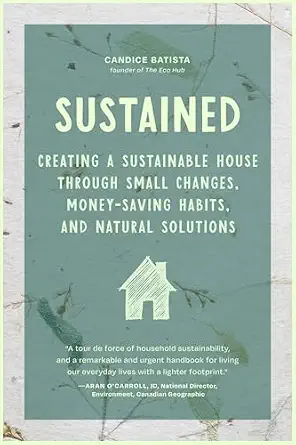
Sustained: Creating a Sustainable House Through Small Changes, Money-Saving Habits, and Natural Solutions
This book stands out for its focus on small, manageable changes that make a real difference in winter home sustainability. Unlike The Winter Home Maintenance Guide, which covers broad safety tips, Sustained zeroes in on cost-effective habits that can be implemented gradually, making it ideal for budget-conscious homeowners. Its emphasis on natural solutions adds a layer of eco-friendliness, but the lack of detailed product specs or step-by-step instructions means it’s more of a conceptual guide than a how-to manual.
BestFor: Budget-minded homeowners eager to reduce environmental impact through simple tweaks.
NotIdealFor: Those seeking detailed DIY projects or comprehensive winter safety protocols.
- Focuses on small, achievable eco-friendly adjustments
- Highlights cost savings and natural solutions
- Suitable for beginners and budget-conscious households
- No detailed product or step-by-step guidance
- Limited content depth for advanced sustainability efforts
This book is best suited for those who want manageable, low-cost improvements rather than complex DIY projects.
Specs: N/A
Pros:- Focuses on small, manageable eco-friendly changes
- Highlights cost-saving habits and natural solutions
- Accessible for beginners and budget-conscious homeowners
Cons:- Lacks detailed instructions for implementation
- Limited technical or product-specific guidance
Best for: Homeowners interested in quick, affordable ecological upgrades for winter that save money over time.
Not ideal for: Readers looking for detailed DIY projects or extensive winter safety advice.
Our verdict“Ideal for homeowners seeking simple, cost-effective ways to enhance winter eco-friendliness without complex projects.”
The Winter Home Maintenance Guide: Plumbing, Heating, HVAC, Snow Removal, Ice Dams, Eco-Friendly De-Icing, Winter Safety
This guide offers a broad overview of winter home maintenance, covering essential topics from plumbing to snow removal. It distinguishes itself from The Modern Organic Home by focusing on seasonal upkeep rather than DIY cleaning hacks. Its inclusion of eco-friendly de-icing solutions makes it particularly relevant for environmentally conscious homeowners, but the lack of detailed instructions or specific product recommendations limits its usefulness for those seeking step-by-step guidance. It’s a good starting point, but not a substitute for professional advice on complex issues like ice dams.
BestFor: Homeowners needing a comprehensive, seasonal maintenance reference to prepare for winter challenges.
NotIdealFor: Those wanting detailed DIY recipes or household hacks for everyday sustainability, which are better covered in The Modern Organic Home.
- Wide coverage of winter home maintenance topics
- Includes eco-friendly de-icing options
- Provides winter safety tips
- No detailed step-by-step instructions
- Content may be too broad for specific issues
This guide suits those looking for a broad overview rather than in-depth DIY solutions.
Specs: N/A
Pros:- Comprehensive winter maintenance coverage
- Includes eco-friendly de-icing solutions
- Offers practical safety advice
Cons:- Lacks detailed instructions or step-by-step guidance
- Too broad for addressing specific issues in depth
Best for: Homeowners seeking a seasonal reference to safeguard their property during winter with eco-conscious methods.
Not ideal for: Readers expecting detailed DIY projects or specific product recommendations for quick fixes.
Our verdict“A solid primer for winter home maintenance, best for those who prefer an overview with eco-friendly considerations.”
Sustainable Home: Practical Projects, Tips and Advice for Maintaining a More Eco-Friendly Household
This book offers a variety of practical projects and tips, making it accessible for both newcomers and seasoned eco-enthusiasts. Unlike The Winter Home Maintenance Guide, which focuses on seasonal safety, Sustainable Home emphasizes ongoing household projects, from energy-saving tweaks to sustainable cleaning. Its broad scope means it’s less specialized, which might leave some readers wanting more detailed instructions for specific winter preparations. Still, it’s a good resource for building a foundation of eco-friendly habits year-round.
BestFor: Beginners or homeowners looking for simple, actionable ways to make their household more eco-friendly during winter.
NotIdealFor: Those seeking detailed DIY recipes or in-depth winter safety strategies.
- Offers practical projects and eco-tips suitable for all levels
- Encourages responsible household practices
- Flexible for ongoing eco-friendly home improvement
- Lacks specific product or step-by-step instructions
- Not focused solely on winter or seasonal needs
This book provides a broad approach to sustainability that supports winter eco-efforts but isn’t specialized for it.
Specs: N/A
Pros:- Provides practical, easy-to-follow eco projects
- Suitable for all experience levels
- Promotes ongoing responsible household practices
Cons:- No detailed DIY instructions for complex projects
- Not specifically tailored to winter challenges
Best for: Eco-conscious homeowners new to sustainability seeking manageable, practical projects for winter home care.
Not ideal for: Experienced DIYers or those needing detailed winter-specific maintenance instructions.
Our verdict“A versatile guide for beginners wanting to embed eco-friendly habits into their winter home routines.”
The Modern Organic Home: 100+ DIY Cleaning Products, Organization Tips, and Household Hacks
This book stands out for its extensive collection of over 100 DIY recipes for organic cleaning products, making it a practical choice for those wanting a greener home environment during winter. Unlike Sustainable Home, which offers broad tips, The Modern Organic Home provides detailed recipes and hacks that can help reduce chemical use and waste. However, the focus on cleaning and organization means it doesn’t address broader seasonal home maintenance or safety issues, which could limit its usefulness as a comprehensive winter guide. Its DIY focus is perfect for hands-on homeowners but less so for those preferring ready-made solutions.
BestFor: Homeowners interested in creating their own eco-friendly cleaning routines and household hacks for winter.
NotIdealFor: Those looking for detailed winter safety or maintenance advice beyond cleaning and organization.
- Offers a wide variety of DIY organic cleaning recipes
- Includes helpful organization tips and hacks
- Encourages sustainable, non-toxic home care
- No detailed home maintenance or safety guidance
- Limited scope beyond cleaning and organizing
This book is ideal for DIY enthusiasts who want to minimize chemical exposure and waste during winter.
Specs: N/A
Pros:- Provides extensive DIY organic cleaning recipes
- Includes practical organization tips
- Promotes sustainable, non-toxic household management
Cons:- Lacks broader winter home safety or maintenance content
- Limited guidance beyond cleaning and organization
Best for: Homeowners wanting to craft their own eco-friendly cleaning products and household hacks for winter living.
Not ideal for: Readers seeking comprehensive seasonal maintenance or safety advice for winter homes.
Our verdict“Perfect for DIYers focused on non-toxic cleaning and sustainable household hacks during winter.”
Green Living Made Easy: 101 Eco Tips, Hacks and Recipes to Save Time and Money
This book stands out for its broad collection of actionable eco-friendly tips, making sustainable living accessible for those just starting out or looking for quick wins. Unlike more comprehensive guides like Eco-Friendly Home Design, which focus on structural changes, this resource emphasizes everyday hacks that can be implemented without major renovations. It offers practical advice that helps reduce costs and environmental impact simultaneously, but it doesn’t provide technical details or in-depth content breakdowns, which might leave more advanced readers wanting more specificity. Compared with Simply Living Well, which focuses on natural living principles, this book is more about quick, actionable steps for busy households. The lack of detailed specifications or reviews means it’s better suited for casual readers rather than those seeking technical guidance or expert-level strategies.
Pros:- Offers a wide range of simple, actionable eco tips and hacks
- Helps save both time and money through practical advice
- Suitable for eco-conscious beginners and those with limited time
Cons:- Lacks detailed technical specifications or in-depth content
- No customer ratings or reviews to gauge effectiveness
Best for: Beginners or busy homeowners seeking straightforward, inexpensive ways to incorporate eco-friendly habits into daily life
Not ideal for: Eco-conscious readers looking for detailed, technical sustainability strategies or comprehensive home renovation advice
- Format:Paperback, eBook
- Pages:150 pages
- Published Year:2023
- Language:English
- Author:Eco Living Team
- Target Audience:Beginners and busy households
- Price Range:$10-$15
- Content Focus:Practical eco hacks, recipes, time-saving tips
- Availability:Online and major bookstores
Our verdict“This guide makes sense for newcomers eager to implement quick, budget-friendly eco habits without deep technical details.”

How We Picked
The products featured in this roundup were evaluated based on their effectiveness, ease of use, and overall value in promoting eco-friendly winter home practices. We prioritized solutions that deliver measurable energy savings, are environmentally sustainable, and can be implemented by a range of homeowners. Cost-effectiveness and versatility also played a key role, ensuring each tip offers tangible benefits without requiring extensive renovation or investment. Our ranking reflects a balance between proven environmental impact and practical adoption, helping readers find options suited to their individual needs and budgets.| eco friendly winter home tip | Target Audience | Format |
|---|---|---|
| Green Family Living: Practical | Families seeking practical eco-friendly solutions | Printed book |
| Thrifty Household: More than 1 | Budget-conscious eco home enthusiasts | Printed book |
| Clean & Green: 101 Hints and T | Beginners in eco living | Printed book |
| Simply Living Well: A Guide to | Eco-conscious minimalists | Printed book |
| Eco-Friendly Home Design: Simp | Homeowners with renovation plans | Printed book |
| Sustainable Badass: A Zero-Was | — | — |
| Sustained: Creating a Sustaina | — | — |
| The Winter Home Maintenance Gu | — | — |
| Sustainable Home: Practical Pr | — | — |
| The Modern Organic Home: 100+ | — | — |
| Green Living Made Easy: 101 Ec | Beginners and busy households | Paperback, eBook |
Factors to Consider When Choosing Eco Friendly Winter Home Tips
Choosing the right eco friendly winter home tips involves considering several factors that influence both sustainability and practicality. Not all solutions are suitable for every home, so understanding these considerations can help you make informed decisions that maximize benefits while minimizing costs and effort.Energy Efficiency and Insulation
Effective insulation is fundamental for reducing winter heating demands. Look for tips that enhance your home’s thermal barrier, such as sealing drafts or adding eco-friendly insulation materials. Poor insulation can negate other energy-saving efforts, so investing in high-quality, sustainable options pays off long-term. Be mindful of the climate you live in, as some solutions work better in colder regions, while others suit milder winters.
DIY vs. Professional Solutions
Some eco-friendly winter tips involve simple DIY tasks like sealing windows or using homemade insulation, which are budget-friendly and quick to implement. However, more complex upgrades, such as installing eco-friendly insulation or upgrading heating systems, may require professional assistance. Weigh the upfront costs and potential energy savings to decide whether DIY or professional solutions make more sense for your home and skill level.
Cost and Long-Term Savings
While some eco-friendly winter tips require initial investments—like weatherstripping or solar heating—the long-term savings on energy bills often justify the expense. Be cautious of tips that promise quick fixes but lack durability or measurable benefits. Consider the payback period to evaluate whether a particular solution aligns with your budget and sustainability goals.
Environmental Impact of Materials
Select sustainable, non-toxic materials whenever possible. Eco-friendly insulation, paints, and sealants can significantly reduce your home’s carbon footprint while improving indoor air quality. Avoid solutions that might be effective but come with hidden environmental costs, such as non-recyclable packaging or hazardous chemicals.
Climate and Home Specifics
Tailoring your eco-friendly winter tips to your specific climate and home design maximizes effectiveness. For instance, homes in snowy regions benefit from snow-proofing and ice dam prevention, while those in milder climates may focus more on passive solar heating. Consider your home’s age, insulation levels, and heating system to choose solutions that will deliver the best results.
Frequently Asked Questions
How can I improve insulation without major renovations?
Improving insulation on a budget can be achieved by sealing drafts around windows and doors with weatherstripping or caulking. Adding thick curtains or thermal blinds can also help retain heat. For walls, consider using eco-friendly spray foam or insulated panels that are easy to install without tearing into your home’s structure. These steps can significantly reduce heat loss and lower energy bills without costly renovations.
Are DIY eco-friendly winter tips effective enough to replace professional upgrades?
Many DIY tips, like sealing leaks or using homemade insulation, can substantially improve your home’s energy efficiency, especially in the short term. However, for larger upgrades—such as installing high-performance insulation or upgrading heating systems—professional assistance ensures safety and maximum effectiveness. Combining DIY approaches with professional solutions often yields the best balance of cost savings and long-term sustainability.
What eco-friendly materials should I prioritize for winter upgrades?
Focus on natural and recycled materials like cellulose or sheep’s wool insulation, which are non-toxic and sustainable. Eco-friendly sealants and paints with low volatile organic compounds (VOCs) also contribute to healthier indoor air. Avoid synthetic, non-recyclable options that might perform well but have a higher environmental footprint, ensuring your upgrades remain truly eco-conscious.
How do I balance cost and eco-friendliness in winter home tips?
Prioritize solutions that provide long-term savings, such as improved insulation or efficient heating systems, even if they require higher initial costs. Look for rebates or incentives for eco-friendly upgrades, which can offset expenses. For more immediate needs, low-cost DIY tips—like sealing leaks or using draft stoppers—offer quick wins without breaking the bank, making sustainability accessible at every budget level.
Can eco-friendly winter tips be applied to any home type?
Most eco-friendly tips are adaptable, but their effectiveness depends on your home’s age, design, and local climate. For example, historic homes may require special care when sealing or insulating to avoid damage, while newer homes might be easier to upgrade with sustainable solutions. Understanding your home’s specific needs and limitations helps ensure the tips you choose will truly improve energy efficiency and sustainability.
Conclusion
For those seeking a comprehensive, long-term solution, Green Family Living offers the best overall approach to eco-friendly winter home tips. Budget-conscious homeowners will appreciate Thrifty Household for its affordability and practical advice. If you prioritize high-end, cutting-edge solutions, a premium option like eco-friendly insulation upgrades or solar heating systems might suit your needs. Beginners should start with simple sealing and DIY insulation tips, while those in colder climates with larger homes may need more extensive upgrades to maximize efficiency. Tailor your choices based on your budget, climate, and comfort priorities to create a warm, sustainable winter home.
As an affiliate, we earn on qualifying purchases.Fall yard work Picks
leaf blowers