
If you’re looking for the best smart baseboard heater thermostats, I’d recommend options like Mysa, meross, Honeywell, and Cadet. These models support remote control, scheduling, voice commands, and seamless smart home integration. They’re compatible with various wiring setups and offer features like energy monitoring for better efficiency. Choosing the right one depends on your system and automation needs. Keep going to discover the top picks and what makes them stand out.
Key Takeaways
- Support for high-voltage systems up to 240V and load capacities up to 3800W ensures compatibility with various baseboard heaters.
- Integration with popular smart home platforms like Apple HomeKit, Alexa, Google Assistant, and Matter enables effortless voice and app control.
- Easy DIY installation with clear wiring instructions, often requiring only four wires, makes setup straightforward without professional help.
- Features programmable schedules, geofencing, and energy monitoring for enhanced comfort and energy efficiency.
- Sleek, compact designs with user-friendly interfaces and remote control options optimize home heating management.
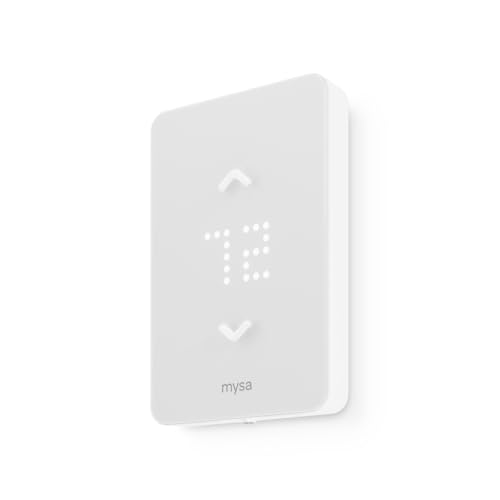
Mysa Smart Thermostat LITE - Line Voltage Electric Baseboard Heater Thermostat 120V/240V | DIY Install | HomeKit, Alexa, Google | Wi-Fi Programmable | App Control
WIFI CONNECTED SMART THERMOSTAT FOR 120V-240V electric baseboard heaters, fan-forced heaters, wall heaters, and convector units.
As an affiliate, we earn on qualifying purchases.
Mysa Smart Thermostat LITE for Electric Baseboard Heaters
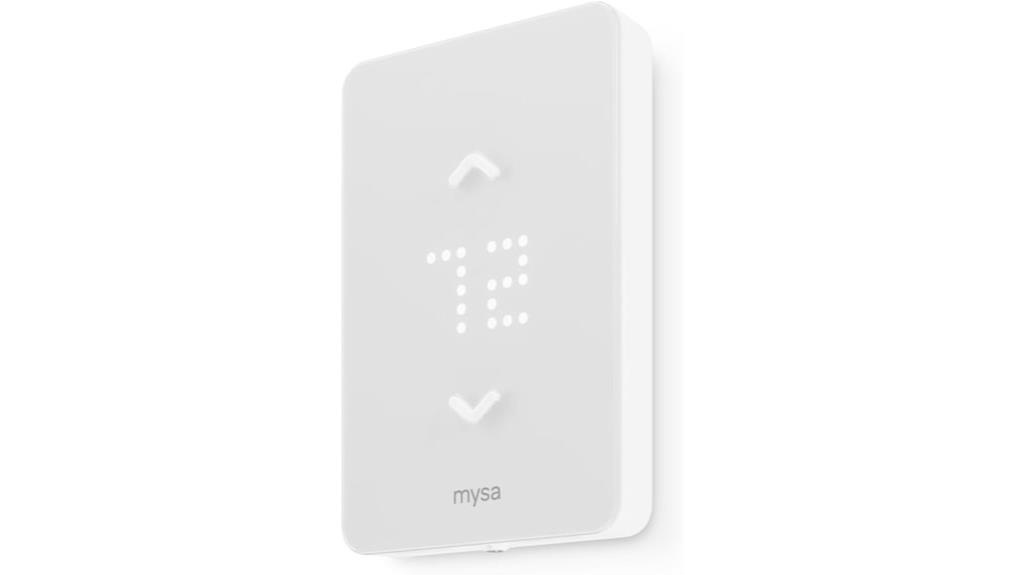
If you’re looking for an easy-to-install, WiFi-enabled thermostat that can control line voltage electric baseboard heaters, the Mysa Smart Thermostat LITE is an excellent choice. It works with 120V-240V systems, including baseboards, fan-forced heaters, and convectors, requiring just four wires for installation. Designed for spaces like garages, sunrooms, or workshops, it offers a sleek, minimalist look with durable components. You can control it remotely via the free app, schedule heating, and monitor energy use. Certified for safety and backed by a 2-year warranty, it makes managing your electric heating simple and cost-effective.
Best For: homeowners or DIY enthusiasts seeking an easy-to-install, WiFi-enabled thermostat to control line voltage electric baseboard heaters in spaces like garages, sunrooms, or workshops.
Pros:
- Easy 4-wire installation with step-by-step video guide, no electrician needed
- Supports remote control, scheduling, and energy monitoring via free app, compatible with Apple HomeKit, Alexa, and Google Assistant
- Compact, sleek design with durable components and a 2-year warranty for reliable performance
Cons:
- Not suitable for low-voltage or two-wire heating systems
- Requires at least four wires (neutral or second live wire), limiting compatibility with some setups
- First available date listed as April 17, 2025, which may be a placeholder or future release

meross Smart Thermostat for Electric Baseboard and in-Wall Heaters Work with HomeKit, Alexa and Google Home, 120V-240V Wi-Fi Programmable Thermostat with Easy Install, Energy Saving, 4 Wires Needed
Easy to Install: It takes less than 30 mins to install your smart thermostat, compatible with the Electric...
As an affiliate, we earn on qualifying purchases.
meross Smart Thermostat for Electric Baseboard and In-Wall Heaters

The meross Smart Thermostat stands out as an excellent choice for homeowners seeking precise control over their electric baseboard and in-wall heaters. It’s compatible with 120V-240V systems and supports high loads up to 16A, making it versatile for various setups. Installation is straightforward, taking around 30 minutes with just four wires needed. The sleek wall-mounted design features a backlit LCD display for easy programming and control via app, voice commands, or physical interface. It supports Apple HomeKit, Alexa, Google, and SmartThings, offering seamless smart home integration. Plus, energy monitoring and scheduling help optimize comfort and reduce costs effortlessly.
Best For: homeowners seeking precise, smart control of electric baseboard and in-wall heaters with easy installation and seamless smart home integration.
Pros:
- Compatible with 120V-240V systems and supports high loads up to 16A, suitable for various setups
- Easy installation within 30 minutes requiring only four wires, with a sleek wall-mounted design and backlit LCD display
- Supports multiple smart platforms including Apple HomeKit, Alexa, Google, and SmartThings for versatile voice and app control
Cons:
- Does not include electric baseboard heaters, requiring separate purchase of the heating units
- Limited to electric heating systems, not compatible with other types of heating appliances
- Requires a Wi-Fi connection for app control; may not function fully offline

Mysa Smart Thermostat for Electric Baseboard Heaters 240V | Remote Control with 100% Free APP | Easy Install | HomeKit, Alexa, Google Home | Wi-Fi Programmable | Temp. & Humidity Alerts
About this item Before You Buy: Mysa works only with high/line voltage electric heating systems, including 120–240V electric...
As an affiliate, we earn on qualifying purchases.
Mysa Smart Thermostat for Electric Heaters

Looking for a thermostat that seamlessly integrates with your high-voltage electric baseboard heaters? The Mysa Smart Thermostat is an excellent choice. Designed specifically for 120–240V systems, it supports loads up to 3800W and works with baseboards, fans, convectors, and radiant ceilings. It requires at least four wires, including a neutral or second live wire, making installation straightforward for compatible setups. The sleek, compact design features adaptive display technology, adjustable brightness, and easy control via app, buttons, or voice assistants like Alexa, Google, and Apple HomeKit. Plus, it offers energy insights, scheduling, and geofencing to optimize your home’s comfort and efficiency.
Best For: homeowners with high-voltage electric heating systems seeking a smart, energy-efficient thermostat with easy installation and voice control compatibility.
Pros:
- Compatible with a wide range of high-voltage electric heaters up to 3800W.
- Supports smart features like scheduling, geofencing, and energy insights for optimized comfort.
- Easy to install with a sleek, compact design and compatibility with Alexa, Google Assistant, and Apple HomeKit.
Cons:
- Requires at least four wires, including neutral or second live wire, limiting compatibility with some existing setups.
- Not suitable for low-voltage or two-wire systems.
- May be more expensive than basic thermostats due to advanced features and smart integrations.

MOES Programmable Smart Thermostat for Electric Baseboard Heaters, 2.4G WiFi Compatible with 120V/240V Electric Heating, Remote Control via Smart Life/TUYA APP, Compatible with Alexa/Google Home
【NOTE】 Requires at least four wires in the electrical box, including a neutral or a second live wire,...
As an affiliate, we earn on qualifying purchases.
MOES Programmable Smart Thermostat for Electric Baseboard Heaters

For homeowners seeking precise control over their electric baseboard heaters, the MOES Programmable Smart Thermostat stands out as an ideal choice. It connects seamlessly to 2.4G WiFi networks, allowing remote adjustments via the Smart Life or TUYA app. Compatible with Alexa and Google Home, it offers hands-free temperature management. Designed for high-voltage systems like 120V and 240V, it includes a frosted display for easy reading and an easy-grip knob for manual control. You can schedule heating times remotely, helping to save energy and costs. Its programmable feature guarantees your home stays comfortable while optimizing energy efficiency effortlessly.
Best For: homeowners seeking precise, remote control and energy-efficient management of electric baseboard heaters.
Pros:
- Compatible with 2.4G WiFi networks and smart home voice assistants for convenient remote operation.
- Features a frosted display and easy-grip knob for clear visibility and manual adjustments.
- Programmable scheduling helps optimize energy use and reduce costs effectively.
Cons:
- Requires at least four wires in the electrical box, including neutral or second live wire, for installation.
- Designed specifically for high-voltage systems, limiting use in low-voltage applications.
- May involve a learning curve for users unfamiliar with smart thermostats or app-based controls.
meross Smart Thermostat for Home with WiFi and Voice Control
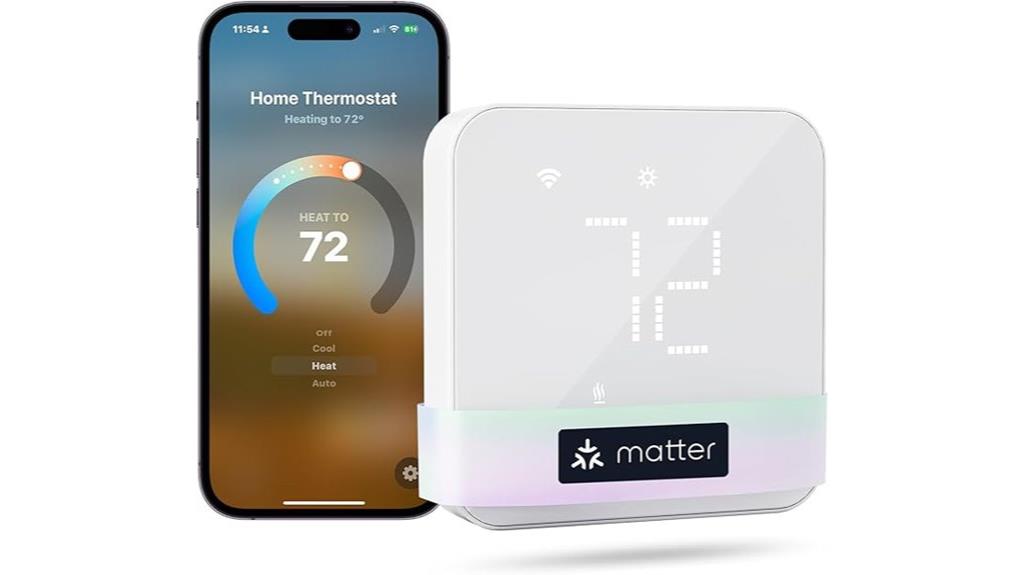
If you want a versatile thermostat that seamlessly integrates with your smart home setup, the meross Smart Thermostat for Home with WiFi and Voice Control is an excellent choice. It works with most HVAC systems, including heating, cooling, and heat pumps, though it requires a C-wire. Easy to install in under 30 minutes using the Meross app, it offers smart scheduling, voice control, and remote access via Wi-Fi. Compatible with Matter, Alexa, Apple Home, Google Assistant, and Samsung SmartThings, it helps optimize energy use and provides alerts for system issues. With a sleek design and high customer ratings, it’s a reliable upgrade for effortless home comfort.
Best For: homeowners seeking a versatile, easy-to-install smart thermostat compatible with most HVAC systems and integrated with popular voice assistants for enhanced home comfort.
Pros:
- Supports a wide range of HVAC systems (excluding electric baseboard heaters) with easy DIY installation in under 30 minutes
- Compatible with multiple smart home platforms including Matter, Alexa, Apple Home, Google Assistant, and Samsung SmartThings
- Features customizable scheduling, remote control, energy monitoring, and system alerts for convenience and efficiency
Cons:
- Requires a C-wire for proper installation; may need an adapter for systems lacking one
- Supports only 2.4GHz Wi-Fi networks, not 5GHz
- Not suitable for electric baseboard heaters, limiting compatibility with certain heating setups
Electric Baseboard Heaters Thermostat, Programmable Thermostat with LCD Display

A programmable thermostat with an LCD display is an excellent choice for those seeking precise and easy-to-use control over their electric baseboard heaters. It offers a temperature range of 5–60°C with ±1°C accuracy, ensuring reliable comfort. The high-precision sensor detects temperatures accurately within 0–50°C, and the microcontroller-based system provides strong anti-interference. The clear, scratch-resistant LCD screen displays data effortlessly, making adjustments straightforward. Designed specifically for electric heating systems, this thermostat simplifies operation and enhances efficiency. Its user-friendly interface and reliable performance make it a smart addition for maintaining home warmth with minimal effort.
Best For: those who want precise, user-friendly control of their electric baseboard heaters for consistent home comfort.
Pros:
- Accurate temperature control within ±1°C for reliable comfort
- Easy-to-read, scratch-resistant LCD display enhances user experience
- Strong anti-interference microcontroller ensures stable operation
Cons:
- Limited sensor range (0–50°C) may not cover extreme outdoor conditions
- Set temperature range (5–60°C) might be restrictive for some preferences
- Requires compatible electric heating systems for optimal performance
Wi-Fi Smart Thermostat for Electric Baseboard Heaters

The Wi-Fi Smart Thermostat for electric baseboard heaters offers a convenient way to control your heating remotely, making it ideal for homeowners seeking energy efficiency and flexible temperature management. Designed specifically for 120-240V systems, it features an LCD display showing current and target temperatures, time, and Wi-Fi status. Installation is straightforward with included components and a proprietary wall plate that fits standard electrical boxes. You can control it manually via touch, through smartphone apps (Smart Life, Tuya), or with voice commands using Alexa and Google Assistant. This device helps maintain comfortable temperatures effortlessly while optimizing energy use from anywhere.
Best For: homeowners with electric baseboard heating systems seeking remote control, energy efficiency, and easy installation.
Pros:
- Supports remote management via app and voice commands for convenience.
- Easy to install with included components and proprietary wall plate.
- Compatible with both Alexa and Google Assistant for seamless smart home integration.
Cons:
- Not compatible with 24V central heating or single-pole systems.
- Limited to 120-240V systems only, restricting use in some setups.
- Customer rating of 3.8 stars suggests some users may experience installation or functionality issues.
Honeywell Programmable Thermostat for Electric Baseboard Heaters

Honeywell’s RLV4305A1000 programmable thermostat stands out for electric baseboard heater users who need precise temperature control and flexible scheduling. Its digital design offers a 5-2 day program, allowing separate schedules for weekdays and weekends, with four daily periods—wake, leave, arrive, and sleep. The thermostat features TRIAC switching for silent operation and accuracy within ±0.27°F, minimizing temperature swings. Easy to install with a simple 2-wire connection, it’s compatible with line voltage systems up to 240V and 3,500W. Its backlit display and quick setup make it a user-friendly choice for maintaining consistent, comfortable warmth in your home.
Best For: homeowners with electric baseboard heating systems seeking precise temperature control and flexible scheduling.
Pros:
- Supports 5-2 day programming with separate weekday and weekend schedules.
- Features silent TRIAC switching for quiet operation and accurate temperature regulation within ±0.27°F.
- Easy to install with a simple 2-wire connection and user-friendly backlit display.
Cons:
- Not compatible with resistive loads under 0.83A or over 14.6A, or systems involving contactors or relays.
- Cannot be used with low-voltage control systems or central heating setups.
- Limited to line voltage electric heating applications at 240V up to 3,500W.
Stelpro Z-Wave Plus KI STZW402WB+ Thermostat for Electric Baseboards and Convectors
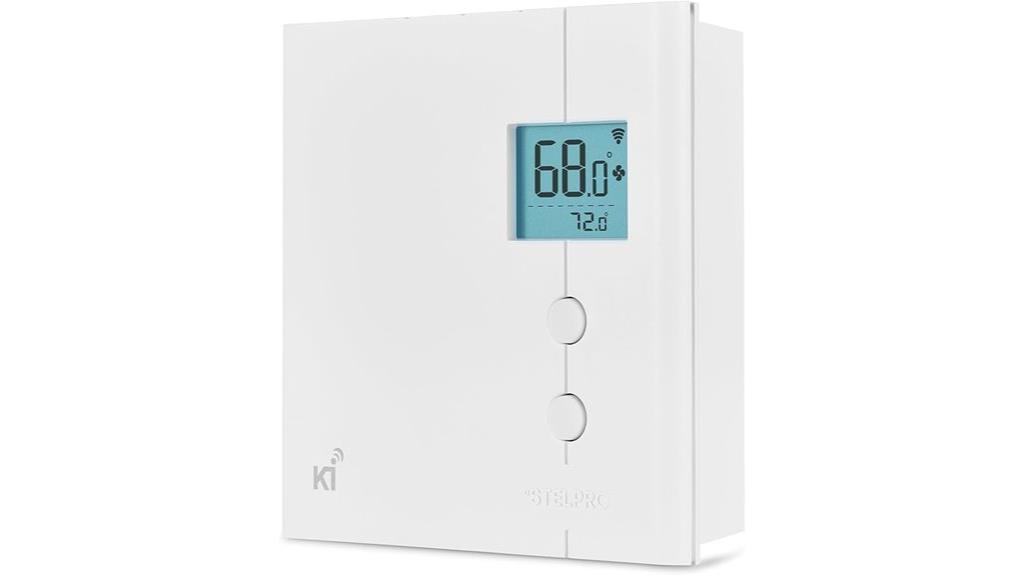
If you’re seeking a reliable and energy-efficient way to control electric baseboards or convectors remotely, the Stelpro Z-Wave Plus KI STZW402WB+ Thermostat stands out as an excellent choice. This first Z-Wave line voltage thermostat in North America connects with just two wires, making installation straightforward. Compatible with popular smart home platforms like SmartThings, Vera, and Wink, it allows you to control your heating from anywhere via your mobile device or computer. With features like scheduling, ECO mode, and automation options using sensors, it helps optimize comfort and save energy. Certified UL and backed by a 5-year warranty, it’s a smart, reliable addition to any modern home.
Best For: homeowners seeking a reliable, energy-efficient remote control solution for electric baseboards and convectors compatible with popular smart home platforms.
Pros:
- Easy to install with a simple 2-wire connection suitable for line voltage setups
- Compatible with multiple smart home platforms like SmartThings, Vera, and Wink for seamless automation
- Features scheduling, ECO mode, and sensor pairing options to optimize comfort and energy savings
Cons:
- Requires a Z-Wave hub or gateway for remote control and automation features
- Limited to 240V electric baseboard and convector applications, not suitable for other heating types
- No built-in batteries; dependent on power supply for operation
meross Smart Wi-Fi Thermostat Outlet Plug

For anyone seeking a reliable way to control their heating devices remotely, the meross Smart Wi-Fi Thermostat Outlet Plug offers an ideal solution. This compact, easy-to-use device supports Apple Home, Alexa, Google Home, and SmartThings, allowing seamless integration into your smart home setup. You can control it via the Meross app or voice commands, making adjustments simple from anywhere. Its features include timer modes, energy monitoring, and real-time temperature display. With a maximum load of 15A and safety features like compressor delay and child lock, it ensures safe, efficient operation. It’s perfect for managing infrared heaters, fans, or even refrigerators effortlessly.
Best For: homeowners and remote users seeking a reliable, smart way to control heating and cooling devices with energy monitoring and safety features.
Pros:
- Compatible with popular smart home platforms like Apple Home, Alexa, Google Home, and SmartThings.
- Supports multiple timer modes and real-time temperature monitoring for customized comfort.
- Safety features such as compressor delay and child lock ensure secure operation.
Cons:
- Maximum load of 15A may limit use with high-power appliances.
- Requires Wi-Fi connection; offline operation is limited to preset schedules.
- May be less suitable for users seeking a more advanced or integrated HVAC control system.
Honeywell Home CT410B Manual Thermostat

The Honeywell Home CT410B Manual Thermostat is an excellent choice for those seeking simple, reliable control over their electric baseboard or convector heaters. Its non-programmable design makes it straightforward to operate, with a temperature range from 40°F to 80°F. The 4-wire setup ensures easy installation and a secure OFF position. It can handle loads up to 5280W, making it suitable for single or multiple heaters. The bimetal sensor provides consistent temperature regulation without complicated settings. Overall, this thermostat offers durable, worry-free performance for anyone wanting basic, effective control of their electric heating without hassle.
Best For: homeowners or landlords seeking a simple, reliable, manual control thermostat for electric baseboard or convector heaters without the need for programming features.
Pros:
- Easy to install with a 4-wire design and double-line break for positive OFF
- Durable bimetal sensor provides consistent temperature regulation
- Capable of controlling multiple heaters up to 5280W, suitable for various load configurations
Cons:
- Non-programmable, lacking advanced scheduling or smart features
- Temperature adjustment range limited to 40°F–80°F (4°C–27°C)
- Not compatible with low-voltage or modern smart thermostat systems
Sensi Lite Smart Thermostat

The Sensi Lite Smart Thermostat stands out as an ideal choice for homeowners seeking an energy-efficient and easy-to-install control system. With its Energy Star certification and compatibility with most HVAC systems, it requires no C-wire in many cases, simplifying setup. The thermostat offers programmable scheduling, auto changeover, and geofencing features that help save approximately 23% on energy costs. Its Wi-Fi connectivity allows remote control via Android and iOS apps, plus voice commands through Alexa and Google Assistant. Designed for DIY installation, it features a sleek LCD display, backlight, and straightforward operation, making home climate management effortless and efficient.
Best For: homeowners seeking an easy-to-install, energy-efficient smart thermostat compatible with most HVAC systems and remote control features.
Pros:
- No C-wire required for most systems, simplifying installation
- Energy-saving features like programmable scheduling and geofencing can reduce HVAC costs by approximately 23%
- Compatible with Wi-Fi, voice assistants, and mobile apps for convenient control
Cons:
- Requires batteries or C-wire if needed, which may involve additional setup
- Limited detailed customization options compared to higher-end models
- Customer ratings average 4.1 out of 5 stars, indicating some users may experience issues or limitations
Programmable Smart Thermostat with WiFi and App Control
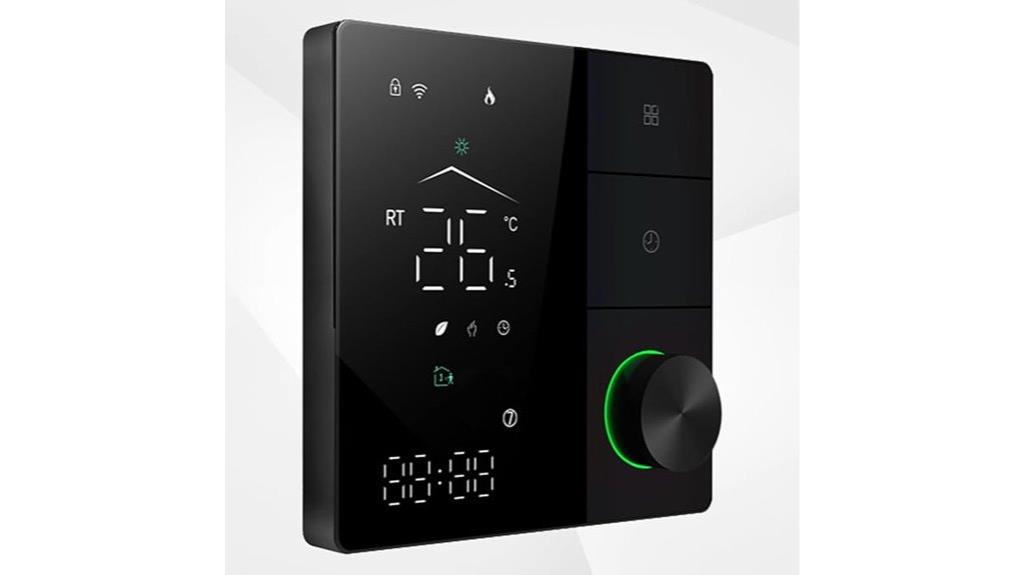
Looking for a smart thermostat that seamlessly integrates with your existing smart home ecosystem? This programmable model supports Matter protocol, making it compatible with Apple HomeKit, Alexa, Google Assistant, and the Tuya app. It’s designed for electric heating systems like baseboard heaters, radiators, and electric floors, handling up to 16A at 95-240V. With a 7-day schedule and six stages per day, it boosts energy efficiency by around 35%. You can control it remotely via app, voice, or touch screen, plus enjoy features like weather forecasts, child lock, and auto-reconnection. Installation is straightforward, perfect for DIYers aiming for smarter, more efficient home heating.
Best For: homeowners seeking a versatile, energy-efficient smart thermostat that easily integrates with popular smart home platforms and supports electric heating systems.
Pros:
- Supports Matter protocol for broad compatibility with Apple HomeKit, Alexa, Google Assistant, and Tuya app.
- Offers a customizable 7-day schedule with 6 stages per day, enhancing energy savings by approximately 35%.
- Easy DIY installation with user-friendly instructions and features like auto-reconnection and local sharing for multi-terminal control.
Cons:
- Designed specifically for electric heating systems; may not be suitable for gas or other fuel types.
- Requires Wi-Fi for remote control and smart features, which may be a limitation in areas with unstable internet.
- Some compatibility issues with junction boxes can occur, although they can often be resolved with a converter.
Honeywell Wi-Fi Smart Color Thermostat

Are you searching for a versatile thermostat that seamlessly integrates with your existing heating system? The Honeywell Wi-Fi Smart Color Thermostat fits the bill with its customizable color touchscreen and intuitive interface. It supports various systems like gas, oil, electric forced air, hot water, steam, and heat pumps with electric backup—though it doesn’t work with electric baseboard heat. With smart features like energy reports, alerts, voice control, and weather updates, it helps optimize comfort and efficiency. Easy to install with a C-wire, it offers remote management via mobile apps and compatibility with Alexa and Google Home. It’s a reliable, Energy Star-certified choice for modern smart home heating control.
Best For: homeowners seeking a customizable, energy-efficient smart thermostat compatible with a variety of heating systems and integrated voice control options.
Pros:
- Supports multiple heating systems including gas, oil, electric, hot water, steam, and heat pumps with electric backup.
- Features a bright, customizable color touchscreen with intuitive operation and weather updates.
- Enables remote control and monitoring via mobile app, compatible with Alexa and Google Home.
Cons:
- Requires a C-wire for installation, which may not be available in all homes.
- Does not support electric baseboard heating (120-240V).
- Limited to systems with forced air, hot water, steam, or heat pumps with electric backup—unsuitable for electric baseboard heat.
Cadet F Series Double Pole Built-In Thermostat
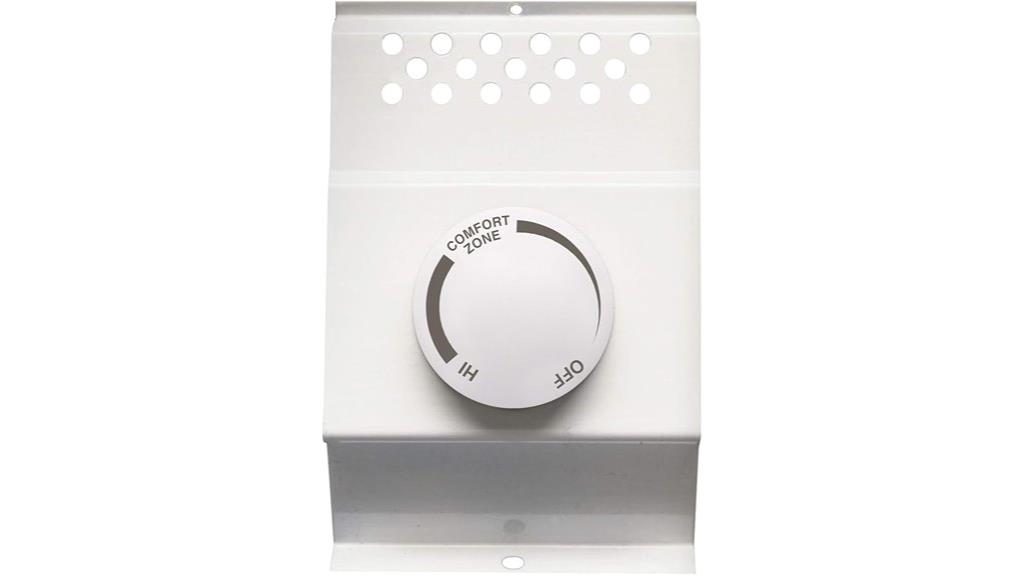
If you’re installing a Cadet F series electric baseboard heater and want reliable manual control, the Cadet F Series Double Pole Built-In Thermostat is an excellent choice. It supports up to 22 amps and fits seamlessly onto either end of the heater, making installation straightforward without extra wiring. The large twist dial allows easy adjustment from 45°F to 80°F, giving you precise temperature control. Its durable alloy steel construction matches the heater’s aesthetics, and no batteries are needed for operation. Compatible with various voltages, it’s a dependable, long-lasting option for traditional baseboard heating, ensuring comfort and simplicity in your home.
Best For: homeowners or installers seeking a reliable, manual thermostat control for Cadet F series electric baseboard heaters that is easy to install and adjust.
Pros:
- Supports up to 22 amps and multiple voltage options for versatile use
- Easy installation by mounting on either end of the heater without extra wiring
- Durable alloy steel construction with a simple, large twist dial for precise temperature control
Cons:
- Manual control may lack the programmability of smart thermostats
- Limited to controlling Cadet F series baseboard heaters only
- No digital display or advanced features, which might be a drawback for tech-savvy users
Factors to Consider When Choosing a Baseboard Heater Thermostat Smart Control

When selecting a smart thermostat for your baseboard heater, I consider compatibility with my existing system to avoid issues later on. I also look for features like easy installation, flexible programming, and energy monitoring to make my life easier and save money. Understanding these factors helps me choose a control that fits my needs and maximizes efficiency.
Compatibility With Heating System
Choosing a compatible smart thermostat for your baseboard heater depends on understanding your heating system’s voltage and wiring setup. Most electric baseboard heaters operate on 120V or 240V, so it’s essential to select a thermostat that matches these voltages. Since these systems are line voltage, you’ll need a thermostat designed for high-voltage control—low-voltage models won’t work. Some thermostats require a neutral or additional wires, often needing at least four wires for proper function, so check your wiring before buying. It’s also crucial to confirm the thermostat is specifically made for electric baseboard heaters, not hydronic or central systems. Finally, verify that the wattage and amperage ratings meet or exceed your heater’s specifications for safe, reliable operation.
Smart Connectivity Features
Smart connectivity features markedly enhance the convenience and control of your baseboard heater thermostat. With remote access via smartphone apps, I can adjust temperatures from anywhere, saving time and effort. Integration with voice assistants like Alexa, Google Assistant, or Apple HomeKit means I can control my heating hands-free with simple voice commands. Wi-Fi-enabled thermostats support scheduling, automation, and real-time energy monitoring, helping me optimize comfort and save on energy bills. Compatibility with home automation platforms allows my thermostat to coordinate with other smart devices or sensors based on occupancy or temperature changes. To guarantee reliable operation and security, I look for thermostats with secure wireless protocols and regular firmware updates. These features collectively make managing home comfort more seamless and efficient.
Ease of Installation
Installing a smart baseboard heater thermostat doesn’t have to be complicated if you consider a few key factors beforehand. First, check that the thermostat supports standard wiring configurations, usually requiring at least four wires, including a neutral or second live wire. Look for models with clear, step-by-step instructions or video guides—they make DIY setup much easier. Opt for thermostats designed for simple installation, featuring plug-and-play wiring and minimal tools. Make sure the thermostat is compatible with your electrical system, supporting your voltage (120V, 208V, or 240V) and heater type. Finally, choose models with user-friendly controls and straightforward mounting options to reduce time and effort during installation. Being prepared ensures a smooth setup process without unnecessary frustration.
Programming Flexibility
When selecting a baseboard heater thermostat with smart controls, programming flexibility is a key feature to contemplate. A flexible thermostat lets you create customized schedules for different times of the day and week, helping you save energy while maintaining comfort. Many models support multiple daily temperature periods like wake, leave, arrive, and sleep, allowing precise control over heating patterns. Advanced features like geo-fencing automatically adjust settings based on your location, and vacation modes make managing extended absences easier. The ability to modify or override schedules via app or voice commands adds convenience, giving you control on the fly. Some thermostats even learn your habits over time with seasonal or adaptive scheduling, making your heating system smarter and more responsive to your lifestyle.
Energy Monitoring Capabilities
Energy monitoring capabilities are an essential feature to contemplate because they give you real-time and historical data on your heating energy use. With this information, I can better understand how much energy my heater consumes and identify patterns that may be inefficient. Accurate energy reports help me fine-tune settings to lower costs and improve efficiency. Some thermostats even offer detailed insights per room or zone, making it easier to target specific areas for savings. Integration with energy monitoring can enable automated adjustments based on consumption data, promoting more sustainable heating habits. Additionally, tracking energy use helps me stay on top of my energy-saving goals and can qualify me for utility rebates or incentives. Overall, these features support smarter, more cost-effective heating management.
Voice Assistant Integration
Integrating voice assistants with your baseboard heater thermostat can substantially boost convenience and ease of use. Make sure the thermostat is compatible with popular voice platforms like Alexa, Google Assistant, or Apple Siri for seamless control. Check if it supports voice commands for turning the heater on or off, adjusting the temperature, or setting schedules through these platforms. It’s also important to verify that firmware or app updates continue to support voice integration, ensuring ongoing functionality. Consider whether the system allows multi-room or multi-user control, which enhances accessibility for everyone in your home. Some thermostats may require specific skills or apps to enable voice commands—confirm these are compatible with your existing smart home ecosystem to avoid surprises later.
Frequently Asked Questions
How Do Smart Thermostats Improve Energy Efficiency for Baseboard Heating?
Smart thermostats improve energy efficiency for baseboard heating by allowing me to set precise schedules and control temperatures remotely. They learn my habits over time, adjusting heating patterns to avoid unnecessary energy use. I can also monitor energy consumption through apps, which helps me identify ways to save. Overall, they optimize comfort while reducing waste, making my home more efficient and my bills lower.
Are Smart Thermostats Compatible With All Types of Electric Baseboard Heaters?
Smart thermostats aren’t compatible with all electric baseboard heaters. I’ve found that most modern models work well, especially those designed for line-voltage systems. However, older or specialized heaters might need specific controls or may not be compatible at all. Before I buy, I always double-check the manufacturer’s specifications or consult an electrician to make sure my heater will work seamlessly with a smart thermostat.
Can Smart Thermostats Be Controlled Remotely via Smartphones?
Back in the day, we’d get up to adjust the thermostat—talk about a chore! Now, yes, I can control my smart thermostats remotely with my smartphone. I love how I can tweak the temperature from anywhere, whether I’m at work or on vacation. It’s super convenient and saves energy, making home comfort effortless. If you haven’t tried it yet, you’re missing out on a game-changer!
What Security Features Are Included in Wi-Fi-Enabled Thermostats?
Wi-Fi-enabled thermostats include security features like encrypted data transmission, ensuring your information stays private. They often have secure login protocols and two-factor authentication to prevent unauthorized access. Many also offer regular firmware updates to patch vulnerabilities. I feel confident using these because they prioritize my home’s security while giving me convenient control. Just make sure to choose models with strong security features and keep your passwords unique and updated.
How Do Smart Thermostats Integrate With Home Automation Systems?
Smart thermostats seamlessly integrate with home automation systems by connecting to your Wi-Fi network, allowing you to control them via apps or voice commands. I love how they sync with devices like smart lights and security systems, creating a unified experience. You can set automation routines, like lowering the temperature when you leave, and receive real-time updates. This integration makes managing your home’s comfort both effortless and intuitive.
Conclusion
Choosing the right smart thermostat for your baseboard heaters is like finding the key to effortless comfort. With options like Mysa, meross, and Honeywell, you’re equipped to tailor your home’s warmth seamlessly. Remember, the perfect control isn’t just about features but how it fits into your lifestyle. So, take your pick—your ideal climate awaits, waiting patiently like a whisper of warmth just beyond reach.