When selecting the best native perennial plants, it’s essential to consider adaptability, bloom time, and regional suitability. The Maximilian Sunflower Seeds stand out for attracting pollinators and resilience, making it an excellent choice for most gardens. For those seeking a pollinator-friendly mix, the BBB Seed Honey Bee Wildflower Seed Mix offers diverse blooms that support local ecosystems. However, tradeoffs include maintenance needs and regional compatibility—what thrives in one area might struggle in another. Continue reading for a full breakdown of these options and how to choose the best native perennials for your garden.

Get garden gear delivered free — and shop member deals
- Fast, free delivery on millions of items
- Access to Prime Big Deal Days deals on October 6–7
- Prime Video, Amazon Music and more included
Complete the kit


Key Takeaways
- Top picks balance regional adaptability with pollinator support, ensuring plants thrive locally and benefit wildlife.
- The highest-rated options often combine ease of growth with long bloom periods, reducing maintenance efforts.
- Diverse seed mixes provide a broader appeal but may require more careful site preparation and care.
- Guides and reference books like Armitage’s Native Plants help gardeners identify the best species for their specific climate zones.
- Cost-effective seed packs can be a great entry point, but premium plants often offer better longevity and resilience.




More Details on Our Top Picks
20,000+ Magic Blue Creeping Thyme Seeds – Pack of 2
This seed pack stands out for its sheer volume, offering over 20,000 tiny seeds that enable extensive ground cover in gardens or landscapes. Compared with the more curated seed mixes like BBB Seed Honey Bee Wildflower Seed Mix, this option prioritizes quantity and coverage, making it ideal for creating a lush, low-maintenance carpet of thyme. The tradeoff is that germination is slow and delicate; it requires patience, consistent moisture, and cool conditions for successful sprouting. Handling such small seeds can be challenging without proper tools or techniques, and germination may take 3 to 4 weeks. Nevertheless, this pack makes sense for gardeners seeking a resilient, perennial ground cover that spreads naturally and requires minimal care once established.
Pros:- Enormous quantity of seeds for large planting areas
- Suitable for indoor seed-starting or direct outdoor sowing
- Hardy, perennial ground cover with low maintenance
Cons:- Seeds germinate slowly and need specific conditions
- Tiny seeds are difficult to handle without proper tools
Best for: Gardeners planning extensive ground cover or erosion control projects who are comfortable with seed starting challenges.
Not ideal for: Homeowners looking for quick results or beginners unwilling to manage slow germination or tiny seeds.
- Plant Type:Perennial
- Germination Days:21-30 days
- Maturation Days:60 days
- Made in:USA
- Quantity:2 packs
Our verdict“This seed pack best suits experienced gardeners aiming for extensive, resilient ground cover with patience for slow germination.”
BBB Seed Honey Bee Wildflower Seed Mix, Pollinator Flowers, 4 oz (2 Pack)
This wildflower seed mix excels at attracting native pollinators, including honeybees, solitary bees, and bumblebees, making it an excellent choice for ecological gardens. Compared with Armitage’s Native Plants book, which offers detailed guidance, this seed mix provides a practical, immediate way to support local bee populations through diverse bloomers. The main tradeoff is that the 4 oz packs may be insufficient for large areas, requiring multiple purchases for extensive planting. Proper planting conditions—such as soil preparation and timing—are essential for success, and results depend heavily on environmental factors. Still, for those aiming to boost pollinator activity and garden biodiversity, this mix offers a straightforward, impactful solution.
Pros:- Supports native pollinator populations with nectar-rich flowers
- Includes a variety of annual and perennial wildflowers
- Comprehensive planting instructions included
Cons:- Limited to 4 oz packs; may need multiple for larger areas
- Requires proper soil and timing for best germination
Best for: Home gardeners or conservation-minded landscapers seeking to promote native pollinator health and biodiversity.
Not ideal for: Gardeners seeking quick, showy flowering displays or larger coverage without multiple purchases.
- Weight:4 oz per pack
- Quantity:2 packs
- Type:Wildflower seed mix
- Purpose:Pollinator attraction
Our verdict“This seed mix is ideal for environmentally conscious gardeners who want to foster native pollinator habitats on a manageable scale.”
Armitage’s Native Plants for North American Gardens
This book offers an in-depth overview of native plants suitable for North American gardens, making it invaluable for gardeners seeking to build biodiversity sustainably. Unlike the seed-focused options, it provides detailed information on selecting, planting, and caring for native species, which helps ensure successful integration into your landscape. However, it lacks specific editions or publication details, which might affect its currency or depth. While it doesn’t replace hands-on planting, this resource complements seed purchases by offering guidance on native plant choices, making it ideal for those wanting a well-informed, sustainable approach to native gardening.
Pros:- Provides detailed guidance on native North American plants
- Supports sustainable and biodiversity-friendly gardening
- Serves as a comprehensive reference for native plant selection
Cons:- No specific edition or publication details
- Requires additional effort to translate guidance into planting
Best for: Gardeners interested in sustainable landscaping and detailed native plant knowledge to inform planting decisions.
Not ideal for: Beginners looking solely for quick planting solutions without wanting to read extensive guidance.
Our verdict“This book is perfect for gardeners who want to deepen their understanding of native plants for sustainable landscapes.”
The Midwest Native Plant Primer: 225 Plants for an Earth-Friendly Garden
This guide offers a curated list of 225 native plants ideal for Midwest gardens, emphasizing eco-friendly landscaping. Compared with Armitage’s broader North American focus, this book zooms in on regional specifics, helping local gardeners select plants that thrive with less water and maintenance. Its practical advice on care and planting makes it a valuable resource, although it doesn’t list detailed product specs or specific plant characteristics. For Midwest residents committed to sustainability and supporting local ecosystems, this primer provides actionable recommendations. However, those outside the Midwest or seeking a more extensive plant catalog may find it limiting.
Pros:- Focused on 225 native plants suited for Midwest gardens
- Promotes eco-friendly, sustainable gardening practices
- Provides practical advice tailored to regional conditions
Cons:- Limited to Midwest-specific plants
- Lacks detailed plant specifications in the description
Best for: Midwest homeowners interested in native, eco-conscious gardening and regional plant selection.
Not ideal for: Gardeners outside the Midwest or those seeking a broad, national native plant guide.
Our verdict“This book is best for Midwest gardeners dedicated to region-specific, sustainable native plant gardening.”
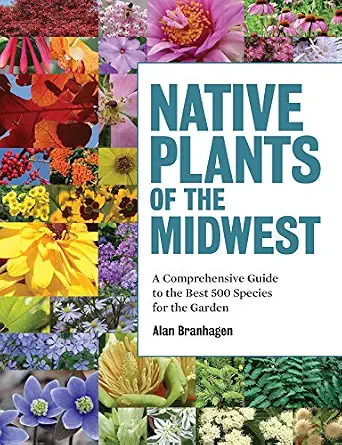
Native Plants of the Midwest: A Comprehensive Guide to the Best 500 Species for the Garden
This extensive guide covers 500 native plants ideal for Midwest gardens, offering detailed descriptions and planting tips that suit both novice and experienced gardeners. Compared with the more region-specific The Midwest Native Plant Primer, this book provides a broader range of species and more comprehensive information, making it a valuable resource for those wanting an expansive native plant palette. The downside is that it doesn’t list specific prices or customer ratings, which can be a drawback for budget-conscious buyers. For gardeners seeking a deep dive into native flora with detailed guidance, this book offers unmatched breadth and depth.
Pros:- Includes 500 native plant species for diverse landscapes
- Offers detailed descriptions and planting tips
- Excellent resource for sustainable and biodiverse gardening
Cons:- No specific price or customer ratings listed
- May be overwhelming for beginners seeking simple guidance
Best for: Gardeners wanting a large, detailed resource for native plants across the Midwest, with extensive planting advice.
Not ideal for: Casual gardeners or those seeking a quick reference without a focus on detailed plant descriptions.
Our verdict“This book is ideal for dedicated native plant enthusiasts seeking a comprehensive, detailed resource for Midwest gardening.”
Cultivating Native Plants for Pollinators: A Comprehensive Guide to Attracting Birds, Bees, and Butterflies
This book stands out for its thorough coverage of native plant cultivation across all U.S. regions, making it an essential resource for gardeners focused on supporting pollinators. Unlike specific plant guides, it emphasizes sustainable practices and offers ecological insights, but lacks detailed plant profiles or specific product recommendations. Its broad approach makes it ideal for those interested in creating a pollinator-friendly landscape from scratch. However, because it is a guidebook rather than a plant-specific resource, it doesn’t provide concrete planting instructions for individual species. Best suited for eco-conscious gardeners seeking a comprehensive, region-wide strategy to support bees, butterflies, and birds.
Pros:- Comprehensive guide for native plant gardening
- Focus on attracting pollinators like birds, bees, and butterflies
- Suitable for all U.S. regions, offering broad ecological insights
Cons:- No specific plant profiles or detailed species information
- Lacks practical planting instructions for individual plants
- No price or customer ratings available to gauge popularity
Best for: Gardeners interested in sustainable, pollinator-focused native plant strategies across diverse environments
Not ideal for: Beginners looking for specific plant lists or detailed planting instructions, as it lacks concrete plant profiles
- Region Coverage:All U.S. regions
- Focus:Pollinator attraction and sustainable gardening
- Format:Guidebook
Our verdict“This guide is best for experienced gardeners aiming to design a pollinator-friendly landscape with an ecological focus.”
Native Plants for New England Gardens
This book makes the most sense for gardeners in New England who want tailored, region-specific plant recommendations with detailed care instructions. Compared with broader guides like the pollinator book, it provides localized advice that boosts success rates in native plant gardening. Its focus on sustainable practices and detailed planting tips helps gardeners create eco-friendly landscapes, but it’s limited to New England and offers no information on plants outside that region. Additionally, the lack of customer reviews or detailed specs might make it harder to evaluate its practical value. Ideal for regional gardeners seeking a focused, actionable native plant guide for their landscape.
Pros:- Provides region-specific native plant recommendations
- Includes detailed planting and care instructions
- Promotes sustainable gardening practices
Cons:- Limited to New England, not suitable for other regions
- No detailed specifications or reviews available
- Lacks broad applicability for diverse climates
Best for: Homeowners in New England aiming to establish native, eco-friendly gardens with tailored plant advice
Not ideal for: Gardeners outside New England or those seeking a broad, national guide, as it’s region-specific and less versatile
- Region:New England
- Focus:Native plants and sustainable gardening
- Format:Guidebook
Our verdict“This book is perfect for New England residents committed to sustainable native gardening with regionally tailored advice.”
Got Sun?: 200 Best Native Plants for Your Garden
This book makes the most sense for gardeners seeking a curated list of native plants that thrive in sunny conditions, making it ideal for full-sun gardens. Unlike the region-specific book for New England, it offers a broad selection suitable for various locations but focuses primarily on sun-loving species, which might limit options for shaded areas. Its helpful gardening tips support sustainable landscaping, but the lack of detailed specifications or reviews means it’s more of a starting point than a comprehensive resource. Best suited for those wanting a quick reference to native plants that flourish in bright, open spaces.
Pros:- Comprehensive selection of native plants for sunny gardens
- Provides helpful gardening tips for sustainable landscaping
- Simple, easy-to-use plant profiles
Cons:- Limited to sun-loving native species, not suitable for shady areas
- No detailed specs or customer reviews
- Lacks information on flowering periods or maintenance specifics
Best for: Gardeners creating sunny, native landscapes who want a curated plant list and basic care guidance
Not ideal for: Shaded garden owners or those wanting detailed planting instructions for less common native species, as it emphasizes sun-tolerant plants
- Number of Plants:200
- Native Region:North America
- Focus:Sun-loving native plants
Our verdict“This book is best for gardeners seeking a curated list of native plants optimized for sunny conditions with straightforward guidance.”
Maximilian Sunflower Seeds – Attracts Bees and Butterflies – Perennial Sunflower Native to North America – Pack of 2 (Approx. 600 Seeds)
This seed pack offers approximately 600 Maximilian sunflower seeds, making it an economical choice for gardeners wanting to quickly establish a dense, pollinator-friendly thicket. Compared with the plant-focused books, it provides a direct method to grow native perennials from seed, which can be more cost-effective and rewarding for dedicated native plant enthusiasts. The tall growth height (up to 90 inches) supports pollinator activity but may require staking or support structures. Its dense root system aids erosion control, yet sowing directly into soil demands some gardening experience, and limited flowering period details might challenge planning. Ideal for budget-minded gardeners who want to grow native perennials from seed and support local pollinators.
Pros:- Attracts bees and butterflies, supporting pollinators
- Native North American perennial with dense, erosion-control growth
- Cost-effective with approximately 600 seeds per pack
Cons:- Requires direct sowing into soil, which may be challenging for beginners
- Tall growth may need staking or support
- Limited information on flowering period or bloom size
Best for: Native plant enthusiasts with outdoor space for direct sowing and an interest in large, pollinator-attracting perennials
Not ideal for: Urban gardeners or those preferring container gardening, as sowing directly into soil and tall growth may be impractical
- Quantity:2 packs of 600 seeds
- Plant Type:Perennial
- Native Region:North America
- Growth Height:36″ – 90″
- GMO:Non-GMO
- Neonicotinoid-Free:Yes
Our verdict“This seed pack is great for budget-conscious gardeners wanting to grow native, pollinator-friendly sun perennials from seed, provided they have space and patience for direct sowing.”
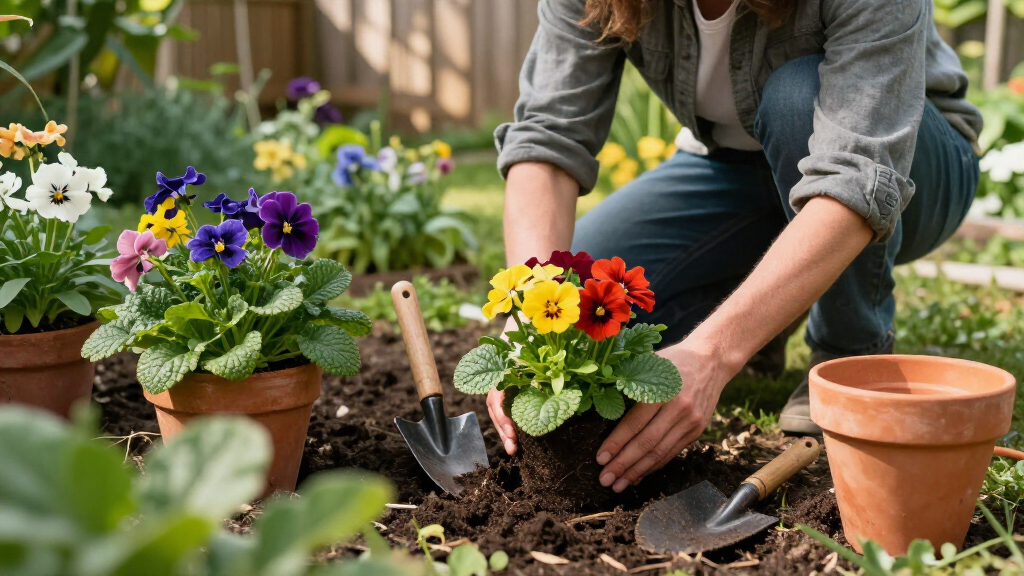
How We Picked
To determine the best native perennial plants, I evaluated each option based on factors like regional adaptability, ease of growth, pollinator support, and overall value. I prioritized products that offer clear benefits for specific garden types and regions, considering user-friendliness for beginners and advanced gardeners alike. Seed quality, variety, and documented success in North American gardens also played a role. The ranking reflects a balance between affordability, ecological benefit, and ease of planting, aiming to help a wide range of gardeners find suitable options.Factors to Consider When Choosing Best Native Perennial Plants
Choosing the best native perennial plants involves more than just selecting attractive flowers. Consider your local climate, soil conditions, and garden goals to make informed decisions. Each factor influences how well a plant will perform and how much effort you’ll need to keep it thriving. Understanding these considerations helps avoid common mistakes, like planting species that are not suited to your region or ignoring maintenance needs that can lead to disappointment.Regional Adaptability and Climate Compatibility
Native plants are best suited to your local climate, so selecting species adapted to your region reduces the risk of failure. Be sure to check USDA hardiness zones and soil preferences. Planting species that are not resilient in your area can lead to poor growth or the need for excessive care, defeating the purpose of choosing natives. Local native plant guides or regional seed mixes can help you identify the best options for your garden’s specific conditions.
Bloom Time and Seasonal Interest
Consider how the plants will perform across the seasons. A diverse selection that blooms at different times ensures continuous color and ecological support. Some native perennials bloom early spring, while others peak in mid or late summer. Balancing bloom times can also benefit pollinators throughout the growing season. Avoid planting a single-flower species if you want sustained visual appeal and ecological impact.
Ease of Maintenance and Growth Habit
Some native perennials require minimal upkeep once established, making them ideal for low-maintenance gardens. Others may need regular pruning, division, or specific watering. Understanding the growth habit—whether the plant spreads via rhizomes or grows upright—helps plan your garden layout effectively. Choosing species suited to your maintenance comfort level ensures long-term satisfaction with your native plant garden.
Ecological Benefits and Wildlife Support
Native plants support local pollinators, birds, and butterflies, which is often a key reason for planting them. Select species known for attracting a broad range of wildlife to maximize ecological benefits. However, some plants may be more effective at attracting specific species, so match your goals—whether pollinator support or bird habitat—to your plant choices. Keep in mind that planting a diverse mix often yields the best ecological results.
Cost and Availability
Seed packs offer affordability and variety, but their success depends on proper planting and site preparation. Established plants or plugs tend to be more expensive but offer quicker results and higher survival rates. Consider your budget and timeline when choosing between seeds and nursery-grown plants. Also, check local suppliers for native species to ensure authenticity and better adaptation in your garden.
Frequently Asked Questions
Are native perennial plants easier to care for than non-native species?
Native perennial plants generally require less care because they are adapted to local conditions, reducing the need for supplemental watering, fertilizing, or pest control. They tend to be more resilient, drought-tolerant, and resistant to local pests, which simplifies ongoing maintenance. However, they still need proper planting and some initial care to establish strong roots. Once established, many native perennials thrive with minimal intervention, making them an excellent choice for sustainable gardening.
Can I mix native perennial plants with non-native species in my garden?
Mixing native and non-native plants is possible, but to maximize ecological benefits, native plants should form the core of your planting scheme. Non-native species might add visual interest or specific traits, but they often don’t support local wildlife as effectively. For a balanced garden, prioritize native perennials for ecological health and include non-natives only if they complement your design without overshadowing native species or disrupting local ecosystems.
What’s the best way to ensure native plants succeed in my garden?
Preparation is key when planting native perennials. Start with site assessment—check soil type, drainage, and sunlight—and amend if necessary. Choose species suited to your climate zone to reduce stress and maintenance. Proper planting depth, watering during establishment, and mulching help ensure survival. Patience is essential, as native plants often take a season or two to fully establish and reach their flowering potential.
Are seed mixes a good choice for beginners?
Seed mixes can be a cost-effective way to introduce native perennials, especially for those with large planting areas or limited budgets. However, they require patience, proper site preparation, and sometimes more maintenance to ensure successful germination and growth. For beginners, starting with a few established plants or plugs might yield faster, more predictable results. If you choose seed mixes, research regional options and follow recommended sowing instructions carefully.
How do I choose native plants that will attract pollinators?
Look for native species with a reputation for attracting bees, butterflies, and hummingbirds, often indicated on seed packets or plant tags. Plants with bright, nectar-rich flowers and extended bloom periods are especially effective. Diversity is important—different species bloom at different times to provide continuous food sources. Native plants adapted to your region naturally support local pollinators better than non-native alternatives, making your garden both beautiful and ecologically beneficial.
Conclusion
For most gardeners seeking a reliable, low-maintenance choice that supports local wildlife, the Maximilian Sunflower Seeds stand out as a versatile, resilient option. Beginners aiming for quick results should consider starting with established plants, while experienced gardeners might enjoy experimenting with seed mixes like the BBB Seed Honey Bee Wildflower Seed Mix. If ecological benefits are your priority, prioritize native plants that bloom across seasons and attract diverse pollinators. Budget-conscious gardeners will find seed packs appealing, but investing in proven, hardy plants can pay off long-term for a thriving native garden.
Fall Picks
fall essentials
As an affiliate, we earn on qualifying purchases.