
The best grass alternatives for lawns depend on whether you want less mowing, a clover-rich surface, a fragrant flowering ground cover, or a lawn blend designed for a specific use. I rank Earthwise Low-Grow No-Mow Alternative Lawn Seed as the best overall choice for readers seeking a lower-growing lawn-style mix, while Outsidepride Perennial White Dutch Clover stands out for a clover-focused planting and Earthwise PetLawn for its pet-oriented blend. The main tradeoffs are appearance, foot traffic, establishment needs, and how much mowing or upkeep you are willing to accept. Seed mixes and single-species covers behave differently, so matching the plant to your site matters as much as the label. Read on for the full comparison, selection criteria, and advice for choosing a lawn alternative that fits your yard.

Get garden gear delivered free with Prime
- Fast, free delivery on millions of items
- Prime Video, Amazon Music and more included
- Member-only deals all year
Complete the kit


Key Takeaways
- Earthwise Low-Grow No-Mow Alternative Lawn Seed leads for a lawn-like, lower-growing mix, while the clover and ground-cover seeds serve more specialized goals.
- White Dutch clover and mini clover are not interchangeable by label alone: compare the package details and intended coverage before choosing between the two Outsidepride options.
- Single-species choices involve a clearer tradeoff: creeping thyme and dichondra can create a distinct ground-cover look, but they are less like a conventional mixed lawn.
- PetLawn and X-Seed Microlawn target different blend priorities: one pairs tall fescue with Dutch clover, while the other combines grass seed and microclover.
- Package weight is not a reliable measure of suitability: seed type, planting area, site conditions, and the product’s coverage directions matter more than comparing pounds alone.
| Earthwise Low-Grow No-Mow Alternative Lawn Seed, 1 lb |  | Best Overall Low-Mow Blend | Seed blend: Fine fescue and clover | Weight: 1 lb (16 oz) | Coverage: Up to 1,000 sq ft for overseeding; 400 sq ft for bare areas | VIEW LATEST PRICE | See Our Full Breakdown |
| Outsidepride Perennial White MiniClover Seed, 1 lb |  | Best for a Clover-Only Lawn | Seed type: Perennial white clover (Trifolium repens) | Weight: 1 lb (16 oz) | Expected plant height: 4–6 inches | VIEW LATEST PRICE | See Our Full Breakdown |
| Outsidepride Perennial White Dutch Clover Seed, 2 lb, Nitrocoated and Inoculated |  | Best for Larger or Mixed-Use Areas | Seed type: Perennial white Dutch clover | Weight: 2 lb (32 oz) | Treatment: Nitrocoated and inoculated | VIEW LATEST PRICE | See Our Full Breakdown |
| Creeping Thyme Seeds (Thymus serpyllum), 10 g (0.35 oz) |  | Best for Sunny Paths and Garden Edges | Scientific name: Thymus serpyllum | Seed quantity: 20,000+ seeds | Net weight: 10 g (0.35 oz) | VIEW LATEST PRICE | See Our Full Breakdown |
| Outsidepride Perennial Dichondra Repens Seeds – 1 lb Dense Green Low-Maintenance Ground Cover |  | Best for Warm, Partly Shaded Yards | Plant: Dichondra repens | Expected plant height: 2 inches | USDA hardiness zones: 8–11 | VIEW LATEST PRICE | See Our Full Breakdown |
| Earthwise EcoSeed Alternative Lawn Seed, 5 lb |  | Best for Shaded Lawns | Seed blend: Creeping red fescue, Chewings fescue, sheep fescue | Weight: 5 lb | Coverage: Up to 1,000 sq ft | VIEW LATEST PRICE | See Our Full Breakdown |
| Earthwise PetLawn Alternative Lawn Seed, Tall Fescue and White Dutch Clover, 1/2 lb |  | Best for Pet Yards | Seed blend: Tall fescue and White Dutch Clover | Weight: 1/2 lb (8 oz) | Coverage: Up to 500 sq ft for overseeding; 200 sq ft for bare areas | VIEW LATEST PRICE | See Our Full Breakdown |
| X-Seed Microlawn Grass Seed and Microclover Mix, 5 lb |  | Best for High-Traffic Areas | Seed blend: Tall fescue, perennial ryegrass, and microclover | Weight: 5 lb (80 oz) | Sunlight exposure: Full sun to partial shade | VIEW LATEST PRICE | See Our Full Breakdown |
| grass alternatives for lawn | Weight | USDA hardiness zones | Expected plant height | Seed blend |
|---|---|---|---|---|
| Earthwise Low-Grow No-Mow Alte | 1 lb (16 oz) | 6–9 | — | Fine fescue and clover |
| Outsidepride Perennial White M | 1 lb (16 oz) | 3–10 | 4–6 inches | — |
| Outsidepride Perennial White D | 2 lb (32 oz) | 3–10 | Conflicting listings: 4 inches and 8–12 inches | — |
| Creeping Thyme Seeds | — | 4–11 | 3 inches | — |
| Outsidepride Perennial Dichond | — | 8–11 | 2 inches | — |
| Earthwise EcoSeed Alternative | 5 lb | — | — | Creeping red fescue, Chewings fescue, sheep fescue |
| Earthwise PetLawn Alternative | 1/2 lb (8 oz) | — | — | Tall fescue and White Dutch Clover |
| X-Seed Microlawn Grass Seed an | 5 lb (80 oz) | — | 4 inches | Tall fescue, perennial ryegrass, and microclover |
More Details on Our Top Picks
Earthwise Low-Grow No-Mow Alternative Lawn Seed, 1 lb
For homeowners who want a lawn-like surface without frequent mowing, this blend combines fine fescue and clover into a soft, dense cover that stays under 7 inches. Compared with Outsidepride Perennial White MiniClover Seed, it offers a more grass-like mix rather than a clover-only planting, while the clover can add blooms for pollinators. The stated coverage stretches farther for overseeding than for bare ground, so match the amount to your starting point. Full coverage may take one to two seasons, and germination is listed at 2–5 weeks; this is not a quick fix for a worn lawn. It also calls for full sun and moderate watering, so shaded, dry sites may need extra care as the planting establishes.
Pros:- Fine fescue and clover create a soft, dense cover with a more lawn-like character than clover alone.
- Designed to reduce mowing and watering after establishment.
- Clover blooms can provide forage for bees and other beneficial insects.
- Covers up to 1,000 sq ft for overseeding or 400 sq ft for bare areas.
Cons:- Full coverage may take one to two seasons to develop.
- Germination is listed at 2–5 weeks, so results are not immediate.
- Listed for full sun, with moderate watering needs during establishment.
Best for: Homeowners in zones 6–9 replacing a conventional lawn who want a soft, mixed ground cover and fewer mowing sessions once it is established.
Not ideal for: Anyone needing fast, uniform coverage, or gardeners with mostly shaded yards or sites outside the listed zones who cannot provide establishment care.
- Seed blend:Fine fescue and clover
- Weight:1 lb (16 oz)
- Coverage:Up to 1,000 sq ft for overseeding; 400 sq ft for bare areas
- Growth height:Under 7 inches
- USDA hardiness zones:6–9
- Sunlight:Full sun
- Germination time:2–5 weeks
- Planting period:Fall or early spring
Our verdict“Choose this blend for a soft, mixed lawn alternative in a sunny zone 6–9 yard if you can wait for it to fill in.”
Outsidepride Perennial White MiniClover Seed, 1 lb
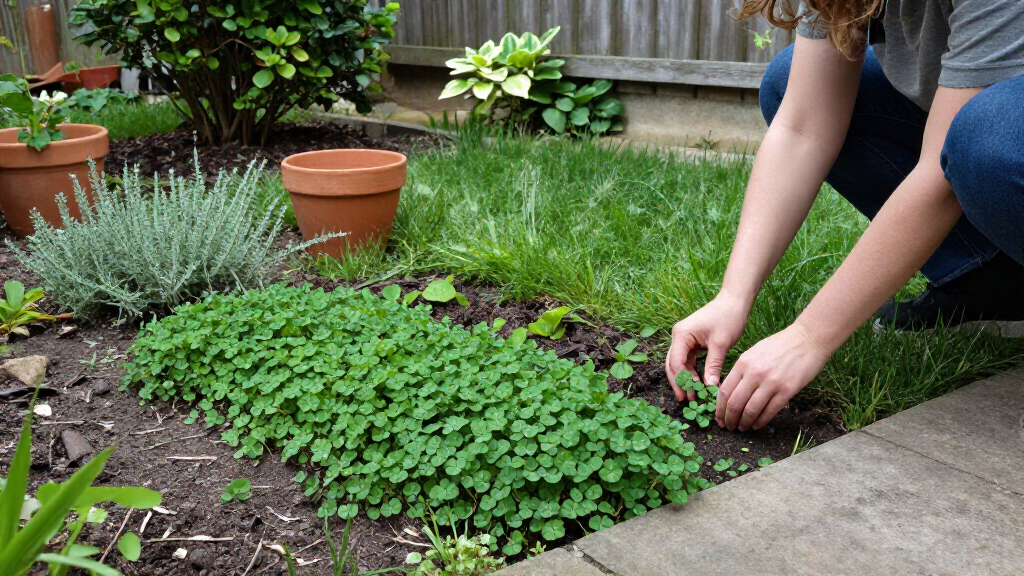
This pick suits buyers who want clover itself to be the ground cover, either across a lawn area or mixed into existing grass. Its small leaves and spreading stolons help form a low carpet, while nitrogen-fixing roots can add nitrogen to the soil. Compared with the Earthwise Low-Grow blend, MiniClover avoids fine fescue and makes clover the main event; it is also listed for the broader range of zones 3–10. That simplicity brings a tradeoff: plants can reach 4–6 inches, and unmowed summer flowers may attract bees and butterflies. Flowering is described as lasting about a month, so this is a less tidy choice for people who want a uniformly green surface or need to limit pollinator activity in areas of frequent foot traffic.
Pros:- Can be sown as a lawn alternative, ground cover, or addition to grass seed.
- Spreading stolons and small leaves support a low-growing cover.
- Roots fix nitrogen, adding it to the soil.
- Listed as drought tolerant and suitable for zones 3–10.
Cons:- Flowering plants may attract bees and butterflies.
- Unmowed summer flowers are described as appearing for about one month.
- At 4–6 inches, it may look taller and less like a conventional lawn than creeping thyme.
Best for: Gardeners in zones 3–10 who want a clover-forward lawn or a nitrogen-fixing cover to mix with existing grass.
Not ideal for: Households seeking a grass-like appearance without flowers, or those who prefer to keep bees away from play areas and busy paths.
- Seed type:Perennial white clover (Trifolium repens)
- Weight:1 lb (16 oz)
- Expected plant height:4–6 inches
- Blooming period:Summer
- USDA hardiness zones:3–10
- Watering needs:Moderate
- Special feature:Drought tolerant
- Outdoor use:Yes
Our verdict“Pick MiniClover if you want a versatile, clover-only cover and are comfortable with seasonal flowers and pollinator visits.”
Outsidepride Perennial White Dutch Clover Seed, 2 lb, Nitrocoated and Inoculated
The larger 2 lb bag and broad-use positioning make this Dutch clover a practical choice for buyers covering more than a small lawn patch, including ground cover or erosion-control areas. Its nitrocoated, inoculated seed is intended to support germination and nitrogen fixation, and the listed zone range spans 3–10 with full sun to partial shade. Compared with Outsidepride Perennial White MiniClover, this option comes in twice the weight and is framed for wider applications, but it is less clear about the final look: the product information gives both a 4-inch height and an 8–12-inch height. The germination estimate of within 14 days applies at 65–70°F, while the soil must stay continually moist during establishment. That care requirement tempers the low-watering claims.
Pros:- Two-pound quantity suits broader coverage than the 1 lb MiniClover option.
- Nitrocoated and inoculated seed is intended to support germination and nitrogen fixation.
- Listed for zones 3–10 and full sun to partial shade.
- Can serve lawn, ground-cover, erosion-control, pasture, and food-plot uses.
Cons:- Product information conflicts on expected height, listing both 4 inches and 8–12 inches.
- Soil should remain continually moist during establishment.
- The listed germination timing depends on temperatures of 65–70°F.
Best for: Buyers in zones 3–10 seeding larger lawn or erosion-control areas who want inoculated clover and can keep soil moist while it establishes.
Not ideal for: Anyone who needs a reliably short, uniform lawn or cannot water consistently during germination; the listed height information conflicts.
- Seed type:Perennial white Dutch clover
- Weight:2 lb (32 oz)
- Treatment:Nitrocoated and inoculated
- USDA hardiness zones:3–10
- Sun exposure:Full sun to partial shade
- Expected plant height:Conflicting listings: 4 inches and 8–12 inches
- Germination time:Within 14 days at 65–70°F
- Planting period:Spring or fall
Our verdict“Choose this larger, treated clover seed for broad or mixed-use plantings if you can manage moist soil and accept uncertainty about mature height.”
Creeping Thyme Seeds (Thymus serpyllum), 10 g (0.35 oz)
Creeping thyme is the most ornamental option here: it forms a fragrant, roughly 3-inch ground cover suited to paths, patios, and garden spaces, with purple summer-to-fall blooms. Unlike the Earthwise Low-Grow blend or either clover seed, it is a herbaceous, flowering carpet rather than a conventional lawn-like mix. That makes it appealing for sunny, sandy or poor-soil spots where a decorative, spreading cover matters more than a uniform green surface. The listed 10 g packet contains 20,000+ seeds, but it is still a small weight, so buyers should plan around the area they need to sow rather than assume broad lawn coverage. It also requires full sun and moderate watering, narrowing its fit for shaded yards or owners seeking a low-input replacement across a large lawn.
Pros:- Fragrant spreading growth suits paths, patios, and garden spaces.
- Listed to thrive in full sun and sandy soil.
- Purple flowers can attract bees and butterflies.
- Low, 3-inch growth offers a distinct alternative to taller clover covers.
Cons:- Requires full sun, limiting use in shaded yards.
- Moderate watering is listed, so it is not a no-water option.
- The 10 g packet may be a limiting quantity for buyers covering a large lawn.
Best for: Gardeners filling sunny paths, patio margins, or small garden areas with fragrant, flowering ground cover in zones 4–11.
Not ideal for: Homeowners replacing a large lawn, or those with shaded sites who want a plain, grass-like surface and minimal watering.
- Scientific name:Thymus serpyllum
- Seed quantity:20,000+ seeds
- Net weight:10 g (0.35 oz)
- Expected plant height:3 inches
- USDA hardiness zones:4–11
- Sunlight:Full sun
- Soil type:Sandy soil
- Blooming period:Summer to fall
Our verdict“Use creeping thyme for smaller, sunny areas where fragrance and flowers matter more than a uniform, full-size lawn replacement.”
Outsidepride Perennial Dichondra Repens Seeds – 1 lb Dense Green Low-Maintenance Ground Cover
Dichondra repens offers a low, carpet-like alternative for warm-climate yards where grass struggles with partial shade. At about 2 inches tall, it stays lower than the Earthwise Low-Grow blend and both clover options, while its spreading growth can help cover slopes and reduce erosion. The product is listed for zones 8–11 and partial sun, which gives it an advantage over full-sun creeping thyme in suitable warm locations. Its limits are just as clear: it is not a broad-climate choice, and a very low cover may not hold up as the main surface for heavy foot traffic. Despite the low-maintenance description, moderate watering and well-drained loam are listed, so it is not a fit for every dry or clay-heavy site.
Pros:- Very low, approximately 2-inch growth creates a carpet-like look.
- Tolerates partial sun and heat in listed warm-climate zones.
- Spreading roots can help control erosion on slopes.
- Can provide an alternative where full-sun creeping thyme is a poor match.
Cons:- Listed for zones 8–11, excluding colder-climate yards.
- The low growth habit may not suit high-traffic lawn use.
- Moderate watering and well-drained loam are listed; heavy clay can be a problem.
Best for: Homeowners in zones 8–11 seeking a very low ground cover for partly shaded areas, slopes, or warm-climate lawn sections.
Not ideal for: Gardeners in colder zones or families needing a resilient surface for frequent running and heavy foot traffic.
- Plant:Dichondra repens
- Expected plant height:2 inches
- USDA hardiness zones:8–11
- Sunlight exposure:Partial sun
- Expected planting period:Spring
- Soil type:Loam
- Soil moisture needs:Moderate watering
- Material features:GMO-free, heirloom
Our verdict“Choose dichondra for a warm-zone, partly shaded site where a very low cover matters more than cold tolerance or heavy-traffic durability.”
Earthwise EcoSeed Alternative Lawn Seed, 5 lb
Earthwise EcoSeed is the strongest fit here for a cool-season lawn that struggles with shade or difficult growing conditions. Its blend of creeping red, Chewings, and sheep fescue is aimed at dense coverage, while the stated coverage of up to 1,000 sq ft gives it a broader planting area than the smaller Earthwise PetLawn packet. Once established, it needs less water and mowing, making it a practical alternative for owners seeking a simpler routine rather than a clover-forward look.
The tradeoff is its climate and establishment window: seed needs steady moisture as it germinates, and the blend is best suited to cooler seasons. Although the product information lists USDA zones 3–7 and also 6–9, that range is inconsistent, so I would verify local suitability before buying. It may tolerate full sun in cooler climates, but it is not the most flexible pick for hot, sunny sites.
Pros:- Fescue blend is designed to form dense cover in shaded and difficult areas.
- Needs less mowing once established than a conventional lawn approach.
- Water needs drop after establishment, with drought tolerance noted.
- Up to 1,000 sq ft coverage per 5 lb bag.
Cons:- Requires consistent moisture during its 7–14 day germination period.
- Best suited to cooler seasons and may tolerate full sun only in cooler climates.
- Product information gives conflicting USDA zone ranges.
Best for: Homeowners in cooler climates with shaded or hard-to-grow lawn patches who want a fescue-based cover that needs less mowing and water after establishment.
Not ideal for: Buyers in hot, sunny regions or anyone unable to keep the soil consistently moist during germination; the listed zone ranges are also inconsistent.
- Seed blend:Creeping red fescue, Chewings fescue, sheep fescue
- Weight:5 lb
- Coverage:Up to 1,000 sq ft
- USDA zones:Listed as 3–7; product information also lists 6–9
- Sun exposure:Partial sun to shade; tolerates full sun in cooler climates
- Germination time:Typically 7–14 days with consistent moisture
- Planting period:Fall or early spring
- Water needs:Moderate during establishment; low once established
Our verdict“Choose EcoSeed for a cool-climate, shade-prone lawn where dense fescue cover matters more than broad climate flexibility.”
Earthwise PetLawn Alternative Lawn Seed, Tall Fescue and White Dutch Clover, 1/2 lb
Earthwise PetLawn is the most targeted choice in this group for a yard that sees pets and regular activity. Tall fescue supplies the grass component, while White Dutch Clover can help fill thin spots and fix nitrogen naturally. That makes the mix a different proposition from Earthwise EcoSeed, which is better aimed at shaded, cool-season areas than at a pet-focused planting. PetLawn is also untreated, organic, and non-GMO, with no pesticides or pesticide coating listed.
The small 1/2 lb package is designed for up to 500 sq ft of overseeding or 200 sq ft of bare ground, so it suits repairs and modest areas more than a full lawn replacement. Germination takes consistent, light moisture, and Zone 6 performance is said to benefit from irrigation. Buyers seeking a pure clover ground cover should compare it with the roundup’s standalone clover options; this blend keeps grass in the mix.
Pros:- Blend is designed for pet traffic and active outdoor spaces.
- Clover can help fill bare spots and naturally fix nitrogen.
- Untreated, organic, non-GMO seed with no pesticides or pesticide coating.
- Drought-tolerant blend once established.
Cons:- Small 1/2 lb quantity covers only up to 200 sq ft of bare areas.
- Soil must stay lightly moist during establishment.
- Zone 6 performance is stated to be best with irrigation.
Best for: Pet owners who need to overseed worn patches or cover a modest active yard and prefer an untreated, non-GMO grass-and-clover blend.
Not ideal for: People planting a large bare lawn, buyers who want a clover-only ground cover, or Zone 6 gardeners without access to irrigation during establishment.
- Seed blend:Tall fescue and White Dutch Clover
- Weight:1/2 lb (8 oz)
- Coverage:Up to 500 sq ft for overseeding; 200 sq ft for bare areas
- Suitable zones:Zones 1–7; Zone 6 performs best with irrigation
- Germination time:Typically 7–14 days under ideal conditions
- Seed type:Organic, non-GMO, untreated
- Pesticides:None
Our verdict“Pick PetLawn for small pet-worn areas when you want grass and clover together, not a large-scale or clover-only planting.”
X-Seed Microlawn Grass Seed and Microclover Mix, 5 lb
X-Seed Microlawn combines tall fescue and perennial ryegrass with microclover, giving it a grass-forward profile for yards that need to handle activity while gaining some of clover’s soil benefits. Its stated fit for full sun to partial shade is broader than Earthwise EcoSeed’s emphasis on shaded, cooler-season sites, and its 5 lb bag is a more substantial option than Earthwise PetLawn’s small packet. The mix can be sown traditionally or by hydroseeding, which gives buyers more than one installation route.
That flexibility comes with a few limits. The product lists sandy soil and moderate watering, and seed needs light, frequent moisture until germination; it is not a plant-it-and-forget-it solution at the start. The stated hardiness zone is only Zone 2, so buyers outside that listing should verify regional suitability. Microclover may reduce fertilizer needs by enriching soil, but this remains a mixed lawn rather than a low-growing clover-only alternative.
Pros:- Mix is designed for drought tolerance and high-traffic areas.
- Microclover enriches soil and may reduce fertilizer needs.
- Suitable for full sun to partial shade.
- Can be applied through traditional seeding or hydroseeding.
Cons:- Needs light, frequent watering until germination.
- Product data lists sandy soil, which may not match every lawn site.
- The listed USDA hardiness zone is limited to Zone 2.
Best for: Homeowners with sunny to lightly shaded, high-use areas who want a grass-and-microclover mix and may use traditional seeding or hydroseeding.
Not ideal for: Buyers who cannot water frequently during germination, have soil unlike the listed sandy-soil preference, or want a pure, low-growing ground cover.
- Seed blend:Tall fescue, perennial ryegrass, and microclover
- Weight:5 lb (80 oz)
- Sunlight exposure:Full sun to partial shade
- Drought tolerant:Yes
- Expected plant height:4 inches
- USDA hardiness zone:Zone 2
- Planting period:April to fall
- Soil and watering:Sandy soil; moderate watering, with light, frequent watering until germination
- Coating:50% ProNitro
Our verdict“Choose Microlawn for an active, sun-exposed yard if its soil and zone specifications fit and you can keep the seed moist while it germinates.”
How We Picked
I compared these eight options as lawn replacements, not as interchangeable seed bags. The ranking favors products with a clear fit for common lawn goals, such as reducing mowing, establishing a clover-based surface, or choosing a named ground cover. I also weighed how easily a buyer can understand the product’s role from its formulation and whether it offers a useful alternative to the other picks.
Versatility and decision clarity put the low-grow mix first: it is the strongest match for readers who still want a lawn-style planting. The clover-only options rank well for buyers specifically seeking clover, while thyme and dichondra rank as more specialized ground covers rather than all-purpose lawn substitutes. The two larger mixed-seed bags and the pet-oriented blend are useful for distinct preferences, but a blend name alone cannot promise performance on every site. Because the supplied product details do not establish planting rates, climate suitability, or traffic tolerance across all eight items, I avoid treating package size or marketing claims as proof of those results; buyers should check the label and match it to local conditions.
| grass alternatives for lawn | Seed blend | Planting period |
|---|---|---|
| Earthwise Low-Grow No-Mow Alte | Fine fescue and clover | Fall or early spring |
| Outsidepride Perennial White M | — | — |
| Outsidepride Perennial White D | — | Spring or fall |
| Creeping Thyme Seeds | — | — |
| Outsidepride Perennial Dichond | — | — |
| Earthwise EcoSeed Alternative | Creeping red fescue, Chewings fescue, sheep fescue | Fall or early spring |
| Earthwise PetLawn Alternative | Tall fescue and White Dutch Clover | — |
| X-Seed Microlawn Grass Seed an | Tall fescue, perennial ryegrass, and microclover | April to fall |
Factors to Consider When Choosing Best Grass Alternatives For Lawns
Before choosing a seed, decide what you need the planted area to do. A low-growing lawn, a clover planting, and a flowering or foliage-focused ground cover can all replace turf in some yards, but they do not offer the same look or use. These checks can help prevent a mismatch that no seed blend can fix after planting.
Decide Whether You Need a Lawn or a Ground Cover
Start by naming the job: play space, a path edge, a sunny slope, or a less formal planted area. A mixed low-grow seed is the closer fit when you want a lawn-like surface, while thyme or dichondra represents a more distinct ground-cover approach. Clover sits between those categories for buyers who want a legume-based planting rather than a conventional grass lawn. A common mistake is choosing a plant for its appearance in a product name without checking whether the result suits the way people use that patch. If the area needs regular, hard foot traffic, verify the plant’s suitability with local growing guidance before buying. Treat the label as a starting point, not a guarantee that every lawn alternative can serve as a play lawn.
Match the Seed to Your Site Conditions
Sun exposure, soil, drainage, and local climate can shape establishment more than the bag’s size or blend name. Check the product instructions for its recommended conditions, sowing period, and any soil preparation steps, then compare those directions with your yard. Do not assume that two products called clover seed will perform identically, or that a named ground cover will suit every region. If your site has heavy shade, compacted soil, standing water, or steep slopes, seek advice from a local extension service or garden professional before committing the full area. For a large lawn, testing a small patch can reveal whether the plant fits your site and your preferred appearance. This step reduces the risk of having to replant an entire yard after a poor match.
Read Coverage and Sowing Directions Before Comparing Bag Sizes
A five-pound bag is not automatically better value or a better match than a one-pound bag. Different seed types and blends can call for different sowing rates, and the listed coverage area is a more useful comparison than weight alone. Look for directions on seeding rate, whether the product is intended for new planting or overseeding, and how to prepare the ground. Avoid spreading extra seed as a shortcut; crowding can interfere with establishment, while too little seed may leave gaps. If the label does not clearly state coverage for your project, ask the seller or manufacturer before ordering. Calculate your area first so you can choose a quantity based on instructions rather than guesswork.
Set Expectations for Establishment and Ongoing Care
Replacing turf does not mean the planting will need no care, especially while seeds establish. The first weeks may call for attention to watering, soil contact, and competing weeds, with exact steps depending on the product instructions and local weather. A no-mow or low-grow label speaks to a desired growth habit, not necessarily to zero maintenance. Clover and ground-cover plantings may also change in appearance through the seasons, so consider whether flowers, mixed foliage, or a less uniform surface suit your household. Ask what upkeep you are willing to do during establishment before choosing the option that promises less mowing later. Skipping early care can undermine the reason you chose an alternative in the first place.
Account for Pets, Children, and Foot Traffic
A product marketed for pets is a useful shortlist signal, but it is not a substitute for checking the planting’s intended use and care instructions. Pet paths and play areas may experience repeated wear that a decorative ground cover is not meant to handle. Consider whether the yard needs a durable route, a soft lounging area, or mostly visual coverage; those are different requirements. Keep children and pets away from freshly seeded ground as directed on the label, and check any local guidance about plants that flower or attract pollinators. For mixed-use yards, separating a high-traffic zone from a lower-use planted area may work better than asking one seed choice to do everything. This can make a specialized cover more practical without sacrificing the whole lawn’s function.
Pay for a Specific Fit, Not a Bigger Promise
A higher-cost or larger-format product only makes sense when its formulation and coverage fit your project. A specialized blend may be worth choosing when you specifically want its stated combination, while a single-species option may better match a deliberate ground-cover plan. Compare ingredient or species information, coverage directions, and planting instructions rather than relying on broad claims such as low maintenance. Be cautious about treating “eco,” “pet,” or “no-mow” wording as a complete description of performance; those labels do not tell you every detail about site fit or establishment. If you are new to lawn alternatives, buy for a manageable test area first when the package instructions permit it. That lets you judge the look and upkeep before planning a larger planting.
Frequently Asked Questions
Which option is the closest fit if I still want a lawn-like surface?
Earthwise Low-Grow No-Mow Alternative Lawn Seed is the most direct match in this roundup for someone seeking a lawn-style planting with a lower-growing focus. It differs from the clover-only products and the thyme or dichondra options, which point toward more specific planting styles. Check the package details for species, site conditions, and coverage before ordering. If you need a surface for frequent play or heavy traffic, confirm that the blend suits that use rather than inferring durability from “lawn” in the name. A small trial area can help you judge the finished look before committing the whole yard.
Should I choose white Dutch clover or mini clover?
Choose based on the product’s stated seed details, coverage directions, and the look and use you want—not just the word “clover.” This roundup includes Outsidepride Perennial White MiniClover and a separate Perennial White Dutch Clover product, so compare their labels for sowing rates and intended applications. The Dutch Clover listing specifies that its seed is nitrocoated and inoculated; that is a product distinction, not proof that it will suit every yard better. If you cannot find clear coverage or planting guidance, ask the seller or manufacturer before choosing. Local growing conditions should also guide the decision.
Are creeping thyme or dichondra good replacements for a whole lawn?
They may fit some lawn-replacement projects, but they are more specialized than a mixed low-grow lawn seed. Creeping thyme and dichondra are single-species ground-cover choices in this lineup, so their appearance and site fit differ from a grass-and-clover blend. Before using either across a large area, check regional guidance for climate, sun, soil, and foot-traffic suitability. Consider starting with a small section if you are unsure how the cover will look or how it will establish in your yard. A ground cover that works well in a low-use spot may not meet the needs of a family play area.
Does a no-mow or low-maintenance seed mean I can stop caring for the lawn?
No. Those descriptions point to a product’s intended growth or maintenance profile, not a promise of zero work. Seeded areas still need appropriate preparation and establishment care, and the exact instructions vary by product and site. Weeds, weather, soil conditions, and foot traffic can also affect the result. Read the label for watering, sowing, and follow-up directions before planting, and plan for upkeep during establishment. If reducing mowing is your main goal, also check how the mature planting should be managed in your local climate.
How can I choose the right bag size for my lawn?
Measure the area and use the product’s stated coverage and sowing rate rather than comparing package weights across different seed types. This roundup ranges from small packages to five-pound blends, but more seed by weight does not automatically cover more ground. Check whether the directions apply to a new planting or overseeding, since those uses may call for different amounts. If coverage information is missing or unclear, contact the manufacturer before buying. Buying to the label’s coverage guidance helps avoid both a shortage and unnecessary surplus.
Conclusion
For most readers who want a lawn-style planting with a lower-growing focus, I would start with Earthwise Low-Grow No-Mow Alternative Lawn Seed as the best overall pick. For a clover-first plan, Outsidepride Perennial White Dutch Clover is the clearest specialized choice, while the mini clover option gives buyers another clover formulation to compare by label and coverage. I would point beginners toward a manageable planting area and clear package directions rather than assume any seed is effortless. Earthwise EcoSeed and X-Seed Microlawn are worth comparing for buyers who want a named lawn blend, and Earthwise PetLawn is the specific pick for shoppers drawn to its tall fescue and white Dutch clover combination. Choose creeping thyme or dichondra when you want a distinct ground cover and have confirmed its fit for the site; those are not my first choices for a conventional, high-traffic lawn. For best value, compare coverage and sowing directions on the clover and mixed-seed bags rather than choosing by package weight alone.