Finding the best prairie plant seeds involves balancing native plant appeal, ease of growth, and ecological benefits. The Everwilde Farms 2000 Prairie Sage Native Wildflower Seeds stands out as the top overall choice for its high germination rate and native authenticity. For those seeking vibrant blooms, the Native Prairie Sunflower Seeds offers striking color, while the Mountain Valley Seed Co Wildflower Mix provides a versatile blend suitable for large areas. Keep in mind that tradeoffs often include seed quality, diversity, and price. Continue reading for a detailed breakdown of each option and how they compare.

Get garden gear delivered free — and shop member deals
- Fast, free delivery on millions of items
- Access to Prime Big Deal Days deals on October 6–7
- Prime Video, Amazon Music and more included
Complete the kit


Key Takeaways
- Native species and ecological compatibility are the primary factors that distinguish top prairie seed mixes.
- Seed diversity varies widely, with some mixes offering broad wildflower blends and others focusing on specific plants like blazing star or prairie smoke.
- Price and seed quantity are often inversely related; larger bulk packs tend to be more cost-effective but may include less curated varieties.
- Seed quality and germination rates are critical; premium brands tend to offer better success, especially for beginners.
- Drought tolerance and maintenance needs vary, making some mixes better suited for naturalized landscapes or low-water conditions.
| Everwilde Farms 2000 Prairie Sage Native Wildflower Seeds – Gold Vault Seed Packet |  | Best for Native Prairie Plantings and Emergency Seed Vaults | Type: Native Wildflower Seeds | Quantity: 2000 seeds | Storage: Triple layer Mylar gold foil vault | VIEW LATEST PRICE | See Our Full Breakdown |
| Native Prairie Sunflower Seeds (Helianthus petiolaris) – 1 Pack |  | Best for Pollinator Gardens and Prairie Restoration | Type: Sunflower Seeds | Plant Height: 2-4 feet | Bloom Time: July to October | VIEW LATEST PRICE | See Our Full Breakdown |
| Mountain Valley Seed Co Wildflower Seed Bulk – Midwestern Wildflower Mix |  | Best for Diverse Garden and Farm Plantings | Varieties Included: Multiple native wildflowers | Seeds Count: 40,000+ | Coverage: ~125 sq ft | VIEW LATEST PRICE | See Our Full Breakdown |
| Purple Prairie Clover Seeds for Planting – 1 Pack |  | Best for Prairie Restoration and Xeriscaping | Type: Native North American Prairie Clover | Seeds per Pack: 1 pack | Germination Rate: High | VIEW LATEST PRICE | See Our Full Breakdown |
| Dense Blazing Star Seeds for Planting – Gayfeather Wildflower (1 Pack) |  | Best for Pollinator Attraction and Summer Blooms | Plant Type: Perennial | Bloom Color: Purple | Expected Blooming Period: Summer | VIEW LATEST PRICE | See Our Full Breakdown |
| Indiangrass Seeds for Planting, Sorghastrum nutans – 1 Pack |  | Best Overall for Native Prairie Restoration | Type: Indiangrass Seeds | Quantity: 1 Pack | Planting Zones: USDA zones 4-9 | VIEW LATEST PRICE | See Our Full Breakdown |
| 300 Prairie Blazing Star Heirloom Flower Seeds, Liatris Pycnostachya |  | Best for Bright, Pollinator-Attracting Flower Displays | Type: Heirloom Flower Seeds | Plant Height: 48 inches | Flower Color: Pink-purple | VIEW LATEST PRICE | See Our Full Breakdown |
| 50+ Perennial Prairie Smoke Seeds for Planting – Non-GMO Wildflower Seeds |  | Best for Unique, Low-Maintenance Native Wildflowers | Type: Perennial Prairie Smoke Seeds | GMO: Non-GMO | Quantity: 50+ seeds | VIEW LATEST PRICE | See Our Full Breakdown |
| 10 Queen of the Prairie Pink Meadowsweet Flower Seeds |  | Best for Fragrant, Large Blooms in Moist Native Gardens | Quantity: 10 seeds | Bloom Size: 5-8 inches | Bloom Time: June to July | VIEW LATEST PRICE | See Our Full Breakdown |
| Queen of The Prairie Seeds – 10 Seeds to Grow – Filipendula rubra |  | Best for Rare, Endangered Native Wildflowers | Quantity: 10 Seeds | Plant Type: Wildflower | Sunlight: Full Sun | VIEW LATEST PRICE | See Our Full Breakdown |
| Native Prairie Mix (2oz) Wildflower Seeds – Low-Maintenance, Pollinator-Friendly, Year-Round Blooms |  | Best Overall for Versatile Prairie Gardening | Package Size: 2oz | Seed Type: Wildflower mix | Planting Conditions: Full sun to partial shade | VIEW LATEST PRICE | See Our Full Breakdown |
| Mix Prairie Smoke Seeds for Planting – 100+ Geum Triflorum Seeds, Rare Native Perennial Wildflower, Drought Tolerant, Non-GMO Heirloom for Rock Garden & Naturalized Landscape |  | Best for Drought-Resistant Native Perennials | Seed Count: 100+ seeds | Plant Type: Perennial wildflower | Growth Zone: USDA zones 3-8 | VIEW LATEST PRICE | See Our Full Breakdown |
| CarpetC Prairie Smoke Seeds for Planting, Geum triflorum, Native Perennial with Pink Plumes | 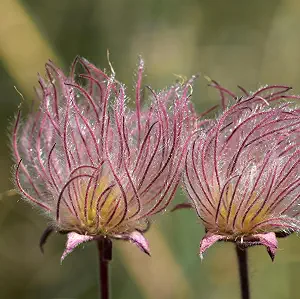 | Best for Unique Ornamental Prairie Features | Plant Type: Native Perennial | Height: 12-18 inches | Zones: 4-9 | VIEW LATEST PRICE | See Our Full Breakdown |
| Burpee Wildflower 25,000 Bulk Seed Mix – 18 Varieties of Non-GMO Flower Seeds for Hummingbirds and Butterflies |  | Best for Large-Scale Pollinator Gardens | Seed Count: 25,000 seeds | Varieties: 18 flower types | Coverage: Up to 1,000 sq ft | VIEW LATEST PRICE | See Our Full Breakdown |
| Everwilde Farms 2000 Old Field Goldenrod Native Wildflower Seeds – Gold Vault Seed Packet |  | Best for Supporting Native Prairie Ecosystems | Type: Native Wildflower Seeds | Quantity: 2000 seeds | Packaging: Gold Vault Seed Packet | VIEW LATEST PRICE | See Our Full Breakdown |
More Details on Our Top Picks
Everwilde Farms 2000 Prairie Sage Native Wildflower Seeds – Gold Vault Seed Packet
This seed packet stands out for its focus on long-term storage and native prairie sage, making it ideal for conservation projects or those wanting a reliable seed bank. Compared to the Mountain Valley Seed Co Wildflower Seed Bulk mix, it offers a more targeted approach, but it requires specific soil and sunlight conditions for best results. The durable gold foil packaging ensures seed viability over time, and detailed planting instructions help even beginners succeed. However, the seeds’ success depends heavily on matching soil and climate conditions, and germination rates are not specified, which could lead to disappointment. This pick makes the most sense for dedicated native prairie restorers or seed collectors who prioritize storage quality over immediate large-scale planting.
Pros:- Long-term storage with durable, resealable gold foil packaging
- Includes detailed planting instructions and online resources
- Ideal for native prairie restoration and seed banking
Cons:- Seeds may need specific soil and sunlight conditions for optimal growth
- Germination rate information is not provided
Best for: Native plant enthusiasts and conservation-minded gardeners seeking a reliable seed vault and detailed planting guidance
Not ideal for: Casual gardeners looking for quick results or low-maintenance flowers, as this requires specific planting conditions and patience
- Type:Native Wildflower Seeds
- Quantity:2000 seeds
- Storage:Triple layer Mylar gold foil vault
- Usage:Outdoor, late summer to early fall
- Sunlight:Full Sun
- USDA Hardiness Zone:3-9
Our verdict“This seed vault is best suited for native prairie restorers and dedicated seed collectors who value storage longevity and detailed guidance.”
Native Prairie Sunflower Seeds (Helianthus petiolaris) – 1 Pack
This pack of native prairie sunflower seeds makes an excellent choice for supporting pollinators and creating naturalized wildflower areas. Unlike the Mountain Valley Seed Co Wildflower Seed Bulk mix, which offers a diverse variety for vibrant displays, these seeds focus on one species that attracts bees, butterflies, and hummingbirds with its cheerful yellow blooms. They are drought-tolerant and low-maintenance, thriving in poor soil and full sun, but their aggressive spreading habit in optimal conditions could become a concern for some gardeners. This makes them ideal for those prioritizing native pollinator support and erosion control, but less suitable for small or heavily landscaped gardens where containment matters.
Pros:- Supports native pollinators like bees and butterflies
- Drought-tolerant and low-maintenance
- Self-seeds for naturalized growth
Cons:- Requires full sun and poor soil conditions
- May spread aggressively and be hard to contain
Best for: Gardeners seeking to enhance pollinator habitats and restore prairie landscapes with minimal upkeep
Not ideal for: Urban gardeners with limited space or those wanting a diverse flower palette, as these are species-specific and tend to spread
- Type:Sunflower Seeds
- Plant Height:2-4 feet
- Bloom Time:July to October
- Germination Rate:High
- Grown In:USDA zones 3-10
- Seed Type:Heirloom, non-GMO
Our verdict“This sunflower seed is ideal for native pollinator gardens and prairie restorations focused on wildlife support.”
Mountain Valley Seed Co Wildflower Seed Bulk – Midwestern Wildflower Mix
This diverse wildflower mix offers a broad array of 8 varieties, making it suitable for those wanting a colorful, pollinator-friendly landscape. Compared with the Purple Prairie Clover Seeds, which focus on a single species, this mix provides more visual variety and ecological benefits but requires larger planting areas and patience, as germination can take 10-30 days. Covering roughly 125 square feet with over 40,000 seeds, it’s well-suited for farms, large gardens, or restoration projects. However, the broad variety may not be ideal for gardeners seeking a specific native species or a more controlled display. Its success depends on proper spring or fall planting and moderate watering.
Pros:- Includes 8 flower varieties for vibrant, natural displays
- Supports pollinator health and ecological restoration
- Coverage of approximately 125 sq ft with over 40,000 seeds
Cons:- Requires specific planting seasons (spring or fall)
- Germination may take up to 30 days, requiring patience
Best for: Large-scale plantings, farms, or garden projects that benefit from a mix of native wildflowers and pollinator support
Not ideal for: Small urban gardens or those seeking a single-species native plant due to its diversity and planting requirements
- Varieties Included:Multiple native wildflowers
- Seeds Count:40,000+
- Coverage:~125 sq ft
- GMO Free:Yes
- Planting Time:Spring, Fall
- Germination Time:10-30 days
Our verdict“This wildflower mix is best for large-scale restorations or gardens where diversity and pollinator support are priorities.”
Purple Prairie Clover Seeds for Planting – 1 Pack
This heirloom, non-GMO Purple Prairie Clover seeds excel in prairie restoration and xeriscape gardens due to their drought tolerance and attractive deep purple flowers. Compared to the Native Prairie Sunflower Seeds, which draw pollinators in a summer bloom, these clover seeds bloom from June to August, providing early-season color and nitrogen fixation that benefits soil health. They are deer resistant and self-seeding, which helps establish a sustainable native plant presence, but their vigorous self-seeding can lead to overgrowth if not managed carefully. This makes them a solid choice for larger, low-water landscapes but less ideal for small, contained garden beds where control is needed.
Pros:- Supports native pollinators and beneficial insects
- Drought-tolerant and deer resistant
- Suitable for prairie and xeriscape projects
Cons:- Requires full sun for best growth
- May self-seed aggressively and be hard to control
Best for: Native plant restorers and xeriscape gardeners aiming for drought-tolerant, pollinator-friendly plants
Not ideal for: Gardeners seeking low-maintenance plants with minimal self-seeding or those with limited space, due to their aggressive spread potential
- Type:Native North American Prairie Clover
- Seeds per Pack:1 pack
- Germination Rate:High
- Zones:3-8
- Bloom Period:June to August
- Height:1-3 feet
Our verdict“This seed is best for large, low-water native landscapes and prairie restorations where self-seeding is manageable.”
Dense Blazing Star Seeds for Planting – Gayfeather Wildflower (1 Pack)
This heirloom, non-GMO Liatris spicata seeds produce striking purple flowers that bloom from July to September, making them a favorite for attracting bees, monarchs, and hummingbirds. Compared with the Native Prairie Sunflower Seeds, which favor summer and fall, these grow taller—up to 6 feet—and add vertical interest to prairie or rain gardens. They require full sun and regular watering, and their size may necessitate staking, which could be a drawback for some. Still, their long-lasting blooms and pollinator appeal make them an excellent choice for gardeners seeking a show-stopping perennial that supports native wildlife and adapts well to prairie-style landscapes.
Pros:- Supports native pollinators including bees, monarchs, and hummingbirds
- Produces vibrant purple blooms from July to September
- Drought-tolerant and low-maintenance once established
Cons:- Requires full sun and regular watering
- Can grow up to 6 feet tall, needing staking for stability
Best for: Gardeners wanting a tall, summer-blooming perennial to support pollinators and add vertical color
Not ideal for: Small gardens or container plantings where height and staking might be impractical or where full sun is limited
- Plant Type:Perennial
- Bloom Color:Purple
- Expected Blooming Period:Summer
- USDA Hardiness Zone:3-9
- Expected Plant Height:6 feet
- Soil Type:Loam
Our verdict“This tall, summer-blooming perennial is ideal for pollinator gardens and prairie restorations that can accommodate its height and staking needs.”
Indiangrass Seeds for Planting, Sorghastrum nutans – 1 Pack
This pick makes the most sense for gardeners seeking a quintessential native grass that supports local pollinators and offers striking fall color. Compared with the Prairie Smoke seeds, Indiangrass provides a tall, dramatic presence with minimal maintenance, supported by its drought tolerance and high germination rate. However, it requires full sun and can self-seed aggressively, which could lead to invasiveness in smaller gardens. Its ability to create a naturalistic prairie habitat makes it ideal for restoration projects or xeriscaping, especially for those prioritizing wildlife benefits.
Pros:- Supports native bees, butterflies, and birds
- Drought-tolerant with low water needs
- Creates attractive tallgrass prairie habitat
- Easy to grow with detailed planting instructions
Cons:- Requires full sun for optimal growth
- Self-seeds readily, which may be invasive in some areas
Best for: Gardeners focused on native prairie restoration, wildlife support, and low-water landscaping
Not ideal for: Urban gardeners with limited space or those seeking slow-growing plants that won’t self-seed extensively
- Type:Indiangrass Seeds
- Quantity:1 Pack
- Planting Zones:USDA zones 4-9
- Plant Height:6 feet
- Color:Golden bronze plumes, blue-green foliage
- Water Needs:Low
Our verdict“This is the best choice for those wanting a tall, native grass that supports local ecosystems and needs minimal watering.”
300 Prairie Blazing Star Heirloom Flower Seeds, Liatris Pycnostachya
This option excels for gardeners wanting tall, vibrant flowers that draw hummingbirds, bees, and butterflies. Its tall, pink-purple flower spikes add vertical interest and work well in cut flower arrangements, making it more ornamental than the grass options like Indiangrass. Compared to Prairie Smoke, the blazing star’s appeal is its striking color and pollinator appeal, though it requires patience: germination takes 3-4 weeks post-stratification, and first blooms appear in the second year. Its suitability for moist, sunny sites makes it ideal for those with well-drained yet consistently moist soil, emphasizing its ornamental and wildlife value.
Pros:- Attracts bees, butterflies, and hummingbirds
- Tall, striking pink-purple flower spikes
- Suitable for cut flowers and floral arrangements
- Deer resistant and adaptable to moist, well-drained soils
Cons:- Requires cold stratification for successful germination
- Germination may take 3-4 weeks, requiring patience
- First blooms typically in the second year
Best for: Flower gardeners and wildlife enthusiasts looking for tall, colorful perennials with pollinator benefits
Not ideal for: Gardeners seeking quick results or those with dry, shaded spaces, as it needs stratification and moist conditions
- Type:Heirloom Flower Seeds
- Plant Height:48 inches
- Flower Color:Pink-purple
- Germination Time:3-4 weeks after stratification
- Stratification Period:About 60 days
- Zone Compatibility:USDA zones 3-9
Our verdict“This seed pack is perfect for those seeking a show-stopping, pollinator-friendly perennial with vertical height and color.”
50+ Perennial Prairie Smoke Seeds for Planting – Non-GMO Wildflower Seeds
This pick appeals to gardeners who want a delicate, ornamental native wildflower with minimal upkeep. Its bell-shaped flowers and fluffy seed heads add a unique visual element, especially suitable for rock gardens or native landscapes. Unlike the tallgrass options, Prairie Smoke is a slow-growing perennial that thrives in well-drained soil, but it demands direct sowing in specific seasons and may require light for germination. While not as showy as the blazing star, its subtle charm and low maintenance make it a thoughtful choice for native plant enthusiasts.
Pros:- Unique and attractive bell-shaped flowers
- Low maintenance once established
- Suitable for various garden styles and native landscapes
- Non-GMO and eco-friendly
Cons:- Requires direct outdoor sowing in specific seasons
- Seeds need light exposure for germination
- Growth depends heavily on soil conditions
Best for: Native garden lovers and rock garden enthusiasts seeking low-maintenance, drought-tolerant wildflowers
Not ideal for: Gardeners seeking quick, easy-to-germinate flowers or those with poor soil drainage
- Type:Perennial Prairie Smoke Seeds
- GMO:Non-GMO
- Quantity:50+ seeds
- Planting Season:Late fall or early spring
- Soil Requirements:Well-drained soil
Our verdict“This is a great choice for native garden fans wanting distinctive, easy-to-maintain wildflowers with minimal fuss.”
10 Queen of the Prairie Pink Meadowsweet Flower Seeds
This product appeals to those wanting large, fragrant pink flowers that attract pollinators, especially in moist, full-sun settings. The tall, up to 60-inch stems produce large blooms from June to July, adding height and scent to perennial beds. Compared to Prairie Smoke, Queen of the Prairie offers a more dramatic floral display but requires moist soil and full sun, which limits its placement options. Its native status and appeal to bees and butterflies make it particularly suitable for naturalistic gardens emphasizing pollinator support.
Pros:- Large, fragrant pink flowers attract pollinators
- Native and threatened species support biodiversity
- Suitable for zones 3-8 with moist, full sun conditions
- Tall, dramatic floral presence
Cons:- Requires moist soil and full sun for best performance
- Planting may need fall sowing or cold stratification
- Tall stature may be too prominent for small gardens
Best for: Gardeners with moist soil and full sun, seeking large, fragrant blooms that attract pollinators
Not ideal for: Small gardens with limited space or gardeners with dry or shaded sites, as it needs moist conditions and height clearance
- Quantity:10 seeds
- Bloom Size:5-8 inches
- Bloom Time:June to July
- Plant Height:48-60 inches
- Hardiness Zones:3-8
- Soil:Moist
Our verdict“Ideal for gardeners in moist, sunny locations who want striking, fragrant blooms that support native pollinators.”
Queen of The Prairie Seeds – 10 Seeds to Grow – Filipendula rubra
This choice is suited for dedicated native plant collectors and naturalists aiming to grow a rare, endangered wildflower with bold pink flower clusters. Its large, lobed leaves and striking blooms make it a standout in naturalized meadows, supporting pollinators like bees and butterflies. Compared to the more common prairie grasses and wildflowers, Queen of the Prairie is slow to germinate and may be semi-aggressive, requiring patience and space. Its rarity and beauty make it a meaningful addition for conservation-minded gardeners committed to native species.
Pros:- Attracts bees and butterflies, supporting pollinators
- Beautiful pink flower clusters and large lobed leaves
- Suitable for naturalizing in moist, sunny areas
- Supports native and threatened species
Cons:- Seeds are very small and require stratification
- May be slow to germinate and reach maturity
- Semi-aggressive roots can spread in small gardens
Best for: Conservation-minded gardeners seeking to cultivate rare native wildflowers with high pollinator value
Not ideal for: Casual gardeners or those with limited patience, as germination is slow and plants can spread aggressively in small areas
- Quantity:10 Seeds
- Plant Type:Wildflower
- Sunlight:Full Sun
- Soil Preference:Moist to wet soils
- Height:Up to 5 feet
- Germination:Slow and may be difficult
Our verdict“This is best suited for experienced native plant enthusiasts aiming to grow a rare and pollinator-friendly wildflower with patience.”
Native Prairie Mix (2oz) Wildflower Seeds – Low-Maintenance, Pollinator-Friendly, Year-Round Blooms
This native prairie seed mix stands out for its diverse blend of wildflowers that bloom throughout the growing season, attracting pollinators like bees, butterflies, and hummingbirds. Compared to specialized options like the Mix Prairie Smoke Seeds, it offers a broader ecological appeal, supporting both annual and perennial varieties for continuous color. While this mix excels in low-maintenance and water-efficient planting, it may require patience for full establishment, especially since results depend heavily on proper planting conditions. The inclusion of multiple species makes it versatile across different environments, but the variety could lead to uneven growth if conditions are not ideal.
Pros:- Diverse wildflower mix with continuous blooms
- Attracts beneficial pollinators like bees and butterflies
- Low-maintenance and water-efficient for sustainable gardening
- Suitable for various planting environments
Cons:- May require some patience for full growth
- Results depend on proper planting conditions
- Annuals may need replanting each year
Best for: Gardeners seeking a low-maintenance, sustainable solution that attracts pollinators and blooms year-round in various environments.
Not ideal for: Experienced native plant enthusiasts looking for highly specialized or region-specific species with precise control over composition.
- Package Size:2oz
- Seed Type:Wildflower mix
- Planting Conditions:Full sun to partial shade
- Features:Resealable pouch, attracts pollinators, low-maintenance, water-efficient, annual & perennial
Our verdict“This mix makes the most sense for gardeners wanting a sustainable, pollinator-friendly prairie that adapts to many settings with minimal fuss.”
Mix Prairie Smoke Seeds for Planting – 100+ Geum Triflorum Seeds, Rare Native Perennial Wildflower, Drought Tolerant, Non-GMO Heirloom for Rock Garden & Naturalized Landscape
This packet of over 100 Non-GMO Geum triflorum seeds appeals to those focused on hardy, drought-tolerant native plants. Unlike the Everwilde Farms 2000 Old Field Goldenrod, which emphasizes fall planting and supporting pollinators, this prairie smoke is more suited for rocky, dry soils and offers a striking ornamental feature with its pink bell-shaped flowers and feathery seed plumes. Its slow establishment, however, means growers need patience, especially since germination can take 3-6 weeks and requires cold stratification. It’s perfect for xeriscaping and native plantings but less ideal for gardeners seeking quick results or those in colder zones outside USDA zones 3-8.
Pros:- Drought tolerant and low-maintenance
- Unique two-season ornamental display
- Resistant to deer and rabbits
- Suitable for poor soils and rocky landscapes
Cons:- Plants spread slowly, requiring patience
- Limited to USDA zones 3-8
- Requires full sun for optimal growth
Best for: Native plant enthusiasts and xeriscapers planting in rocky, dry soils with patience for slow germination.
Not ideal for: Gardeners seeking fast-growing or high-density ground cover plants or those in zones outside USDA 3-8.
- Seed Count:100+ seeds
- Plant Type:Perennial wildflower
- Growth Zone:USDA zones 3-8
- Soil Preference:Well-drained, sandy, gravelly, rocky
- Drought Tolerance:Yes
- GMO Status:Non-GMO
Our verdict“Ideal for those wanting a resilient, low-maintenance native perennial with striking aesthetic appeal in dry, rocky landscapes.”
CarpetC Prairie Smoke Seeds for Planting, Geum triflorum, Native Perennial with Pink Plumes
This Prairie Smoke seed offering emphasizes its distinctive pink seed heads that resemble drifting smoke, adding a captivating focal point to any dry garden. Compared with the Mix Prairie Smoke Seeds for Planting, it is more compact and suited for smaller spaces, with a height of 12-18 inches and slow spreading via rhizomes. While it is drought-tolerant and returns reliably in zones 4-9, germination can be slow, requiring cold stratification, and the plant’s slow spread may limit rapid coverage. It’s a perfect choice for rock gardens, meadows, or native plantings where visual interest is a priority over quick establishment.
Pros:- Unique feathery pink seed heads
- Drought-tolerant and low-maintenance
- Returns year after year in suitable zones
- Ideal for xeriscaping and dry gardens
Cons:- Requires cold stratification for germination
- Slow spreading from rhizomes
- Germination takes 3-6 weeks at 65-70°F
Best for: Gardeners wanting a low-maintenance, visually striking perennial for dry, well-drained soils with an interest in native plant aesthetics.
Not ideal for: Those seeking fast coverage or planting in zones outside 4-9, where germination or growth may be less reliable.
- Plant Type:Native Perennial
- Height:12-18 inches
- Zones:4-9
- Soil:Well-drained, sandy or loamy
- Sunlight:Full sun to partial shade
- Growth Habit:Low-growing, spreads slowly via rhizomes
Our verdict“This seed is best for gardeners who value ornamental appeal and native resilience over rapid plant establishment.”
Burpee Wildflower 25,000 Bulk Seed Mix – 18 Varieties of Non-GMO Flower Seeds for Hummingbirds and Butterflies
This extensive seed mix offers 18 varieties designed to attract hummingbirds and butterflies across a broad area—up to 1,000 square feet. Unlike the more specialized Everwilde Farms 2000 Prairie Sage, which targets specific native species, this mix emphasizes volume and diversity, making it perfect for creating vibrant, pollinator-friendly landscapes quickly. While the high seed count and 35% higher germination rate than industry standards are appealing, success depends heavily on soil conditions and consistent sunlight. Its focus on annuals and perennials means some plants may need replanting over time, and it’s best suited for sunny, well-prepared soils.
Pros:- Attracts hummingbirds and butterflies
- Contains 18 flower varieties for continuous blooms
- High germination rate exceeds industry standards
- Covers large areas efficiently
Cons:- Germination rate varies with soil conditions
- Requires sunny area for best results
- Some seeds may take time to establish
Best for: Large-scale gardeners wanting a diverse, colorful, pollinator-attracting display that covers extensive areas with minimal effort.
Not ideal for: Small or highly specialized native plant projects, or gardens with shaded or poor soils where germination may be hindered.
- Seed Count:25,000 seeds
- Varieties:18 flower types
- Coverage:Up to 1,000 sq ft
- GMO Status:Non-GMO
- Bloom Seasons:Spring, Summer, Fall
Our verdict“This bulk mix suits gardeners seeking a vibrant, pollinator-rich garden on a large scale with diverse flowering options.”
Everwilde Farms 2000 Old Field Goldenrod Native Wildflower Seeds – Gold Vault Seed Packet
This hardy goldenrod seed packet emphasizes its role in supporting native prairie ecosystems, especially for fall planting. Compared to the Native Prairie Mix, which provides a broad spectrum of wildflowers, this single-species seed is ideal for those focused on a specific native wildflower that offers fall pollen for honeybees and potential medicinal uses. Its high seed quantity and durable resealable packaging make it a practical choice for long-term projects. However, its focus on a single species means less visual diversity, and planting is best done in fall, which might not suit gardeners looking for spring results or quick coverage. It fits well in native prairie restorations or as part of a pollinator habitat.
Pros:- Supports native prairie ecosystems
- Large seed quantity in durable packaging
- Provides fall pollen for honeybees
- Suitable for poor, dry soils
Cons:- Requires fall planting for best results
- Limited germination information
- Less suitable for non-native or shaded areas
Best for: Native prairie restorers and pollinator advocates who prioritize ecosystem support and fall planting in zones 3-10.
Not ideal for: Gardeners seeking quick visual impact or planting in non-native or shaded conditions.
- Type:Native Wildflower Seeds
- Quantity:2000 seeds
- Packaging:Gold Vault Seed Packet
- Storage Life:3X Longer than paper or plastic
- Planting Period:Fall
- Sunlight Exposure:Full Sun
Our verdict“This seed packet is best for native prairie projects aiming to bolster ecosystem health and pollinator activity in suitable zones.”
How We Picked
I evaluated these prairie plant seeds based on several key criteria: germination success, native plant authenticity, seed diversity, price per seed, and user reviews. I prioritized brands with transparent sourcing and high germination rates, recognizing that quality directly impacts planting success. The selection also considers ecological benefits, ease of planting, and suitability for different landscape goals. The ranking reflects a balance between value and performance, ensuring each option serves a specific gardener or project need effectively.Factors to Consider When Choosing Best Prairie Plant Seeds
Choosing the best prairie plant seeds requires understanding several factors that influence planting success and landscape integration. Beyond price, consider the native origin of seeds, the diversity of species included, and the ecological benefits. Selecting seeds suited for your climate and soil type can significantly improve germination and growth. Additionally, be mindful of seed quality and germination guarantees, especially when buying in bulk. Recognizing these broader considerations helps avoid common pitfalls like poor germination or invasive species issues.Native Species and Ecological Compatibility
Opting for native prairie seeds ensures better adaptation to your local climate and soil, resulting in healthier growth and greater ecological benefits. Native plants support local pollinators, birds, and beneficial insects. Be cautious of mixes that contain non-native or invasive species, which can disrupt local ecosystems. Always check the seed description for native status and regional suitability to maximize your landscape’s sustainability and success.
Seed Diversity and Composition
A diverse seed mix can create a vibrant, resilient prairie that blooms over a longer season. However, too many species can make maintenance more complex, especially for beginners. Focus on mixes that balance diversity with compatibility—such as a core group of native grasses and wildflowers suited to your region. Think about your landscape goals: if you want a colorful display, choose mixes with flowering plants like sunflowers and blazing star, but if you prefer a natural look, prairie grasses may be more appropriate.
Germination Rates and Seed Quality
High-quality seeds with proven germination rates lead to more successful planting experiences. Cheaper seeds often have lower viability, which can result in sparse or uneven growth. Reputable brands typically provide germination guarantees and detailed planting instructions. Investing in higher-quality seeds can save time and money in the long run, especially if you’re establishing a large native prairie area or want quick results.
Price, Quantity, and Value
Bulk packs generally offer better value per seed, making them suitable for larger projects. However, they may include a broader or less curated selection, which might not meet specific aesthetic or ecological goals. Smaller packages often contain premium, carefully selected seeds with higher success rates but at a higher cost per seed. Consider your project size and budget when choosing, balancing cost with seed quality and diversity.
Climate and Soil Compatibility
Matching seed choices to your local climate—such as drought-prone or wet areas—improves establishment and longevity. Some prairie seeds are drought-tolerant, ideal for xeriscaping, while others prefer moist soils. Understanding your soil type and water availability helps select mixes that will thrive naturally, reducing the need for supplemental watering or fertilization. Always check the seed descriptions for environmental preferences before purchasing.
Frequently Asked Questions
How do I know if prairie seeds are suitable for my region?
To determine suitability, look for seeds labeled as native to your specific region or soil zone. Many reputable seed companies specify the native range of their products, which helps ensure the plants will adapt well to your climate. Consulting local native plant societies or extension services can provide additional guidance. Choosing regionally appropriate seeds improves germination success and long-term landscape health.
Can I plant prairie seeds in a small backyard garden?
Absolutely. Many prairie seed mixes are adaptable to smaller spaces, especially those designed for gardens or flower beds. Focus on mixes with species suited to your soil and sun exposure. Keep in mind that prairie plants generally need space to spread and grow naturally, so plan for minimal disturbance and avoid overcrowding. This approach creates a naturalistic look and supports local pollinators even in limited areas.
How long does it take for prairie seeds to establish and bloom?
Most prairie seeds will germinate within a few weeks if conditions are right, but full establishment and flowering typically take one to three years. Perennials may take longer to reach their mature size. Patience is key—establishing a prairie landscape is a gradual process, especially with native species that have adapted to long-term growth cycles. Proper site preparation and consistent moisture during early stages can speed up establishment.
Are there any common mistakes to avoid when planting prairie seeds?
Common errors include planting seeds at the wrong depth, not preparing the soil properly, or choosing mixes incompatible with your climate. Skipping site prep, such as clearing weeds or tilling lightly, can hamper germination. Overwatering or planting during unsuitable seasons can also reduce success rates. Reading the seed supplier’s instructions carefully and matching seed choices to your environment helps prevent these issues.
Should I start prairie plants from seed or transplants?
Starting from seed is generally more cost-effective and authentic for establishing a prairie landscape. Many native prairie plants are well-suited to direct sowing, especially grasses and wildflowers. Transplants can be useful for specific species with slow seed germination or for fast establishment in small areas. However, seed-based planting usually offers more diversity and a natural growth pattern, provided you follow proper sowing techniques.
Conclusion
For most home gardeners and landscape enthusiasts, the Everwilde Farms 2000 Prairie Sage Native Wildflower Seeds offers a well-rounded balance of native authenticity and high germination success, making it the best overall choice. Those seeking the best value can turn to bulk mixes like the Mountain Valley Seed Co Wildflower Seed Bulk, which provides extensive variety at a lower price per seed. Beginners should consider trusted brands with germination guarantees, such as the Native Prairie Mix, to ensure a smoother start. For specialized projects, such as drought-tolerant landscapes, selecting mixes with native grasses like Indiangrass can deliver tailored results. Ultimately, your choice depends on your landscape goals, regional conditions, and budget.
As an affiliate, we earn on qualifying purchases.Fall yard work Picks
leaf blowers