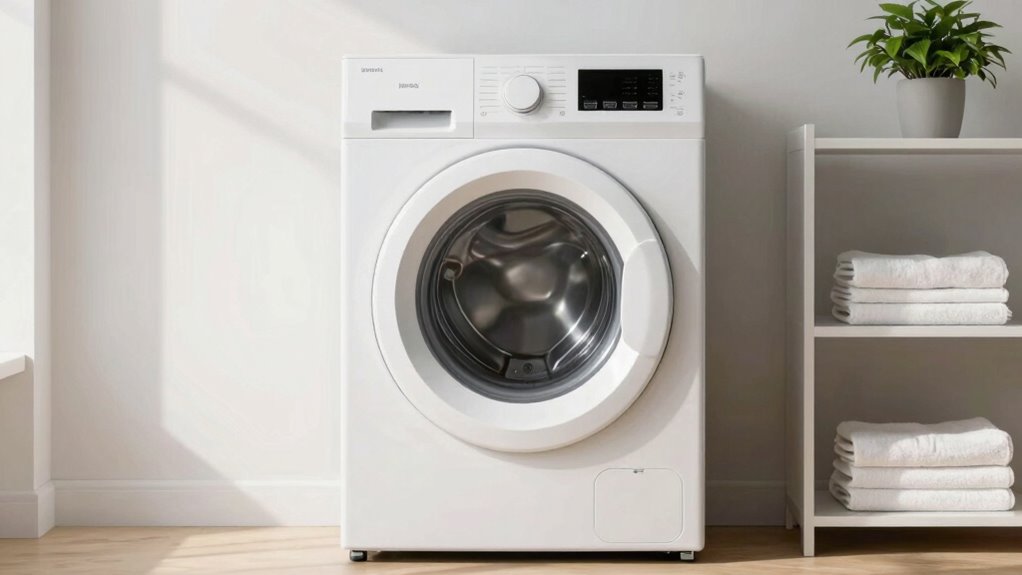
Ventless laundry systems change your room conditions in surprising ways by improving energy efficiency and reducing noise, making your space quieter and more comfortable. They prevent cold spots and maintain consistent temperatures by avoiding ducting, which also helps keep your room warmer during winter. Plus, they improve air quality by preventing dust and mold buildup in vents. If you want to discover more about how these systems enhance your home environment, keep exploring the benefits they offer.
Play games included with Prime
Start a Prime free trial and play with Amazon Luna on your devices.
As an affiliate, we earn on qualifying purchases.
Key Takeaways
- Ventless dryers improve room temperature stability by preventing heat loss associated with traditional venting.
- They maintain balanced humidity levels, reducing dampness and mold growth in the laundry area.
- Silent operation minimizes noise disruptions, creating a more peaceful living environment.
- Enhanced air quality is achieved by eliminating dust and mold buildup in external ducts.
- Compact design allows flexible placement, optimizing space and overall room condition.

Many homeowners are turning to ventless laundry systems because they eliminate the need for external exhausts, making installation easier and more versatile. This shift in laundry technology doesn’t just simplify setup; it also markedly impacts your room’s conditions in unexpected ways. One of the biggest advantages of ventless systems is their enhanced energy efficiency. Unlike traditional dryers that constantly draw in heated air and exhaust it outside, ventless models recycle air within the unit. This recycling process reduces the workload on the heating element, meaning your machine uses less energy to dry clothes. Over time, this efficiency can lead to noticeable savings on your utility bills, all while maintaining effective drying performance. Since these systems don’t rely on ducting, they also minimize heat loss, helping your room stay warmer during the winter months and reducing overall energy consumption.
In addition to saving energy, ventless laundry units are known for their noise reduction capabilities. Conventional dryers often produce a loud, constant hum that can be disruptive, especially in open-plan living spaces or small apartments. Ventless models operate more quietly because they eliminate the need for a noisy exhaust fan and ductwork. The drying process involves condensation or heat pump technology, which runs smoothly and silently. This quieter operation transforms your laundry room into a more peaceful part of your home. You might even find that doing laundry no longer feels like a noisy chore but instead becomes a less intrusive, more manageable task. Additionally, the absence of external vents can prevent the formation of cold spots, creating a more consistent and comfortable environment. Without vents and ductwork, you also eliminate the typical buildup of dust, mold, or mold spores that can sometimes accumulate in traditional exhaust systems. This cleaner air quality benefits your room’s overall conditions and can be especially advantageous if anyone in your household suffers from allergies or respiratory issues. Moreover, ventless systems often feature advanced moisture control, which helps maintain a balanced humidity level in your living space, further enhancing room comfort. Furthermore, since ventless systems are designed to be more compact and versatile, they can easily fit into various home layouts without requiring major modifications.
As an affiliate, we earn on qualifying purchases.
Frequently Asked Questions
Do Ventless Washers Use More Energy Than Traditional Models?
Ventless washers generally use less energy than traditional models because they don’t require hot air for venting, which reduces heat loss. This makes them more energy-efficient and environmentally friendly. You’ll find that they often consume less electricity and water, lowering your utility bills and environmental impact. So, switching to a ventless washer can be a smart choice for saving energy and reducing your carbon footprint while still effectively cleaning your clothes.
How Often Should Ventless Dryers Be Maintained?
You should maintain your ventless dryer every 3 to 6 months to guarantee peak performance. While some worry about the effort involved, proper maintenance actually prolongs your unit’s lifespan and saves energy. Keep an eye on ventilation requirements, like cleaning lint filters and checking seals regularly. Following the recommended maintenance frequency prevents issues, keeps your laundry room safe, and maintains efficient drying, making your appliance last longer and work better.
Can Ventless Laundry Appliances Handle Large Loads Effectively?
Yes, ventless laundry appliances can handle large loads effectively. They’re designed with energy efficiency in mind, making them a great choice for busy households. Their space-saving design means you don’t need a bulky venting system, freeing up room for other uses. Keep in mind, though, that while they manage large loads well, it’s essential to follow the manufacturer’s guidelines to guarantee peak performance and longevity.
Are Ventless Washers Suitable for All Types of Clothing?
Yes, ventless washers are suitable for most clothing types, but you should consider fabric compatibility and stain removal. They work well with delicate fabrics, reducing wear and tear, and handle everyday garments effectively. However, heavy fabrics like thick towels or bulky bedding might not clean as thoroughly. For stain removal, pre-treat stubborn spots, since ventless systems rely more on gentle cleaning methods, ensuring your clothes come out fresh and spotless.
How Do Ventless Systems Impact Indoor Humidity Levels?
Imagine your indoor air as a delicate dance floor; ventless systems act like a skilled DJ, controlling humidity levels smoothly. These washers release moisture directly into the room, raising indoor humidity levels if not managed properly. This impacts humidity control, potentially making the air feel damp or musty. To maintain comfort, you might need a dehumidifier or increased ventilation, ensuring the dance floor stays just right.
Conclusion
Switching to ventless laundry might surprise you with changes in your room’s humidity and air quality. Imagine doing laundry on a humid summer day, and suddenly, the air feels thicker and more stuffy. Without proper ventilation, your space can quickly become uncomfortable or even damp. By choosing ventless options, you take control of your environment, creating a fresher, more comfortable space—making laundry day less of a hassle and more of a breeze.
Fall yard work Picks
leaf blowers
As an affiliate, we earn on qualifying purchases.