
TL;DR
The Good Trade says more than 300 readers responded to a survey about shopping habits and favorite sustainable brands. Nearly 75% said at least half of their purchases come from sustainable brands, while readers highlighted secondhand shopping and kitchen products among their priorities.
The Good Trade has shared results from a survey of more than 300 readers about their shopping habits and favorite sustainable brands, reporting that nearly 75% of respondents said at least half of their purchases come from sustainable brands. The outlet’s findings also point to strong interest in secondhand shopping and sustainable kitchen and household products, offering a snapshot of priorities among its own readership—not a measure of shoppers overall.

Get garden gear delivered free with Prime
- Fast, free delivery on millions of items
- Prime Video, Amazon Music and more included
- Member-only deals all year
The publication said respondents ranged in age from 18 to 75 and older, with an average age of about 40. Most lived in North America, though The Good Trade also heard from readers elsewhere. The outlet did not give a full survey methodology or say how the respondents were selected, so the results describe the participating community rather than a representative sample of consumers.
Nearly three-quarters of respondents said at least half their purchases were from sustainable brands, compared with 61% in the previous year’s survey, according to The Good Trade. The source does not provide the survey’s exact field dates, respondent counts for each year, or other details needed to assess how directly the two results can be compared. It also said most respondents shopped for sustainable alternatives only once or twice a month, a pattern the outlet linked to buying fewer items more deliberately.
Readers described buying only products they expect to use, shopping directly from brand websites, and seeking out local shops or secondhand goods. The Good Trade said vintage and thrift shopping appeared frequently in write-in responses. One reader said they thrift or buy most things vintage at antique shops and try to make other items themselves; another described shopping at local markets for seasonal produce, locally made spirits and gifts, while avoiding new purchases where possible.
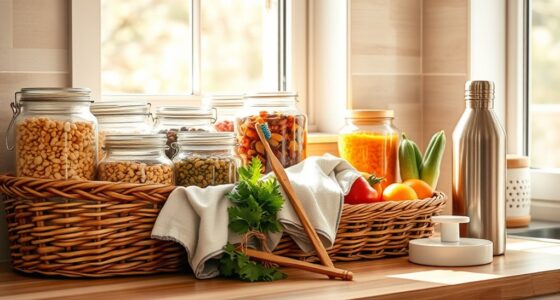
The survey’s product recommendations were especially focused on the kitchen. The Good Trade reported reader mentions of Lodge cookware, stainless steel and cast iron, along with supplements from Garden of Life, MaryRuth Organics and Thorne. Thrive Market was named as a source for organic groceries, while Grove Collaborative and homemade options such as baking soda and vinegar were mentioned for cleaning. These are reader recommendations reported by the publication, not independent product assessments in the survey findings.
What readers buy sustainably
The Good Trade surveyed its readers about shopping habits and favorite sustainable brands. The results describe this community, not shoppers overall.
What Readers Prioritize at Home
The results suggest that sustainability, for the readers who took part, is often expressed through everyday purchasing choices: buying secondhand, shopping locally, choosing durable cookware and limiting purchases to items they expect to use. That matters to readers looking for practical examples of how others approach more considered consumption, particularly as holiday shopping approaches.
The findings also show that sustainable shopping is not limited to clothing or personal care. Respondents emphasized kitchen goods, cleaning products and groceries, and mentioned saving for larger purchases such as bedding, mattresses and furniture. Those items can involve higher upfront costs, so the survey points to a mix of lower-cost habits, such as buying used, and longer-term purchases that readers may plan for over time.
Still, the survey cannot establish whether the reported habits are widespread beyond The Good Trade’s audience. The publication itself acknowledged barriers to thrifting, including limited options for plus-size shoppers and people in rural areas, as well as higher prices in some locations. Those limits help frame the recommendations: access and affordability affect which choices are available to different shoppers.
Popular right now

De'Longhi Classic Signature Espresso Machine with Adjustable Milk Frother

Bose QuietComfort True Wireless Earbuds with Active Noise Cancellation, Bluetooth 5.3, USB-C Charging, and IPX4 Water Resistance

iRobot Roomba 105 Combo Robot Vacuum & Mop with AutoEmpty Dock
As an affiliate, we earn on qualifying purchases.
A Reader Survey on Shopping
The Good Trade said it contacted subscribers to its The Daily Good newsletter a few weeks before publishing the findings. It asked how readers felt about shopping in 2026 and what they were considering for the holiday season. The article presents the responses as community insights and recommendations, rather than as a formal study of the retail market.
In discussing the results, the outlet said the share reporting that at least half of their purchases came from sustainable brands had risen from 61% a year earlier to nearly 75% in the latest responses. It also referred to a Business of Fashion report when saying sustainability appeared less prominent for fashion executives than topics such as artificial intelligence. That comparison is the publication’s framing; the supplied survey findings do not independently measure corporate priorities or explain the cited report’s methodology.
The article’s disclosure says The Good Trade editors recommend products they have personally researched, tested and liked, and directs readers to information about its methodology and business model. Its brand list should be read in that editorial and survey context: names reflect reader responses and the outlet’s coverage, not a ranking based on disclosed scoring criteria.
“I try to buy only what I need and know I will use.”
— A Daily Good reader, quoted by The Good Trade
Limits of the Survey Results
The Good Trade did not publish a full account of how it recruited respondents, the survey questions, response rate, or the exact dates when responses were collected. It also did not provide detailed demographic breakdowns beyond age range, average age and the statement that most respondents were in North America. Without those details, it is not possible to determine how representative the findings are or to make firm conclusions about shoppers more broadly.
The publication compared the latest result with the 61% figure from the prior year but did not include the earlier survey’s sample size or methodology in the supplied material. It is unclear whether the two respondent groups and question wording were comparable. The article also begins to identify Patagonia as readers’ favorite sustainable brand, but the supplied source ends before giving supporting counts, ranking details or additional brand findings. Those details cannot be confirmed from the available material.
Further Brand Findings Awaited
The Good Trade said it plans to continue publishing sustainability, slow-living and self-care content for its audience as 2026 approaches. The source material does not give a publication schedule for additional survey analysis or say whether the outlet will release the full questionnaire, response totals by question or a detailed ranking of reader-favorite brands.
For now, the reported figures and recommendations are a snapshot of responses from the publication’s community. Any fuller assessment of year-to-year changes would require more information about the survey samples and methods, while the brand preferences would need supporting counts to clarify how readers ranked their choices.
Key Questions
How many people responded to The Good Trade survey?
The Good Trade said it heard from more than 300 readers. It did not provide a more exact total in the supplied material.
What did respondents say about sustainable purchases?
Nearly 75% said at least half of their purchases came from sustainable brands, according to the publication. The article compares that with 61% in the previous year’s survey but does not provide enough methodological detail to assess the comparison fully.
Which product areas stood out in the responses?
Readers most often prioritized the kitchen for organic, nontoxic or sustainable goods, with the bathroom also receiving attention. Respondents mentioned cookware, groceries, supplements, cleaning supplies and personal-care products.
Did the survey establish Patagonia as the top sustainable brand?
The supplied article text says Patagonia was readers’ favorite sustainable brand, but it ends before giving the survey counts, ranking method or supporting details. The claim is therefore attributable to The Good Trade, and its basis is not clear from the available material.
Can these results be applied to all shoppers?
No. The survey reflects The Good Trade’s participating readers, most of whom the publication said were in North America. The outlet did not provide a sampling method or other information showing that respondents represent the wider population.
Source: thegoodtrade.com