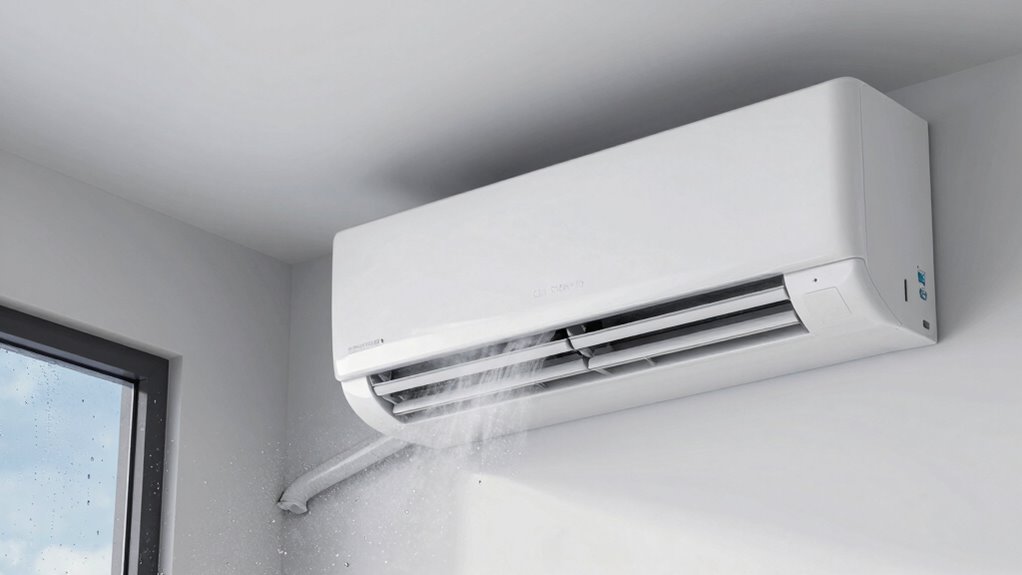

Controlling humidity is essential because it directly impacts your indoor air quality, comfort, and your home’s health. Too much moisture can cause mold, musty odors, and aggravate allergies, while dry air leads to skin dryness and sinus irritation. Proper humidity management also makes your cooling system more efficient, saving energy and extending its lifespan. If you want to understand why balancing humidity matters more than just cooling your space, keep exploring these significant benefits.

Get garden gear delivered free with Prime
- Fast, free delivery on millions of items
- Prime Video, Amazon Music and more included
- Member-only deals all year
Key Takeaways
- Proper humidity control prevents mold growth and allergens, which cooling alone cannot fully address.
- Maintaining balanced humidity enhances comfort and respiratory health beyond temperature regulation.
- Humidity management reduces energy costs by allowing lower cooling settings and improving system efficiency.
- Controlling indoor moisture protects structural integrity and prevents costly mold-related damages.
- Combining humidity regulation with cooling creates healthier, more comfortable indoor environments year-round.
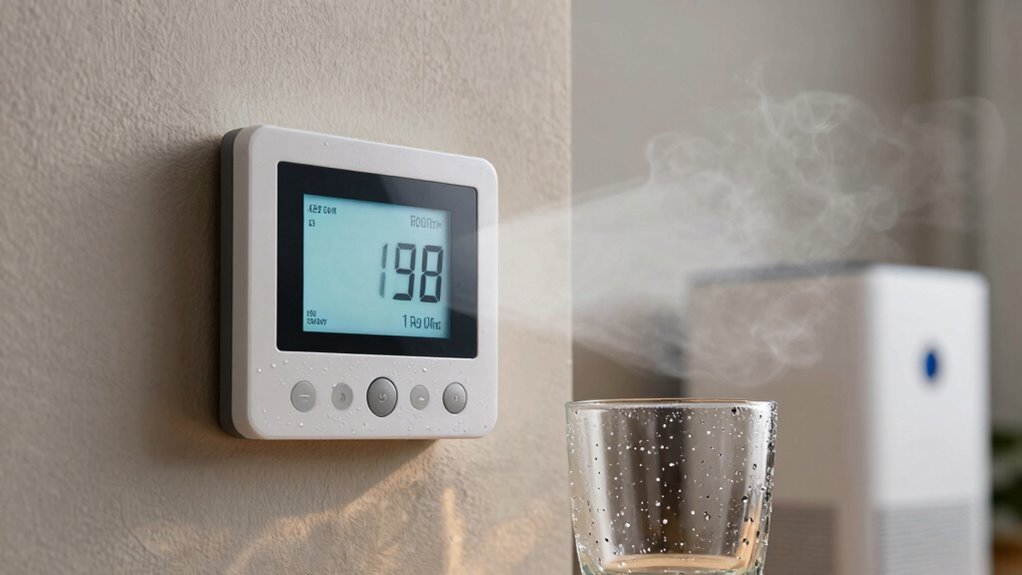
When it comes to creating a comfortable indoor environment, many people focus solely on cooling their space. They turn on the air conditioner, set the thermostat, and assume that’s enough to keep things comfortable. But temperature isn’t the only factor that affects how you feel inside your home. Humidity levels play a crucial role, impacting indoor air quality and energy efficiency more than you might realize. Proper humidity control doesn’t just make the air more pleasant; it also helps prevent issues like mold, dust mites, and respiratory discomfort, all of which can compromise indoor air quality.
Controlling humidity levels can significantly improve your comfort. When the air is too dry, you might notice dry skin, irritated sinuses, and static shocks. On the other hand, overly humid air can make your home feel stuffy and lead to mold growth, which is harmful to your health and can damage your property. By managing humidity, you create a more balanced environment where you feel comfortable without constantly adjusting the thermostat or fighting off dryness or dampness. This balance enhances your overall indoor air quality, making breathing easier and reducing allergens that thrive in high-humidity environments. Additionally, humidity regulation can help prevent the growth of mold and dust mites, which are common contributors to indoor allergies and respiratory issues. Maintaining proper indoor climate also supports the health of your home’s structure and reduces the need for costly repairs.
Moreover, humidity control directly influences energy efficiency. When humidity levels are properly managed, your cooling system doesn’t have to work as hard to maintain a comfortable temperature. High humidity makes the air feel warmer than it actually is, prompting you to lower the thermostat to achieve relief. This extra cooling effort consumes more energy and increases your utility bills. Conversely, when humidity is kept in check, your air conditioner can operate more efficiently, reducing energy consumption and extending the lifespan of your cooling system. This efficiency not only saves you money but also lessens your environmental footprint. Proper ventilation can also help maintain balanced humidity levels and improve air circulation, further supporting energy savings. Regularly monitoring and adjusting indoor humidity is an essential part of an energy-conscious home.
Incorporating humidity control into your climate regulation strategy ensures that your home remains comfortable and healthy year-round. Using a humidifier or dehumidifier as needed can fine-tune indoor humidity levels, complementing your cooling system. This approach minimizes the strain on your air conditioner, saving energy and reducing costs. Plus, it creates a healthier environment by preventing mold growth and reducing airborne allergens. When you prioritize humidity control alongside cooling, you’re taking a smarter, more effective step toward a comfortable, energy-efficient home that promotes better indoor air quality.
humidifier with humidity control
As an affiliate, we earn on qualifying purchases.
As an affiliate, we earn on qualifying purchases.
Frequently Asked Questions
How Does Humidity Affect Indoor Air Quality?
Humidity affects indoor air quality by influencing indoor allergens and air circulation. When humidity levels are high, mold, dust mites, and bacteria thrive, worsening allergies and respiratory issues. Low humidity can dry out airways, causing discomfort. Proper humidity control guarantees better air circulation, reducing allergens and maintaining a healthier environment. You can improve indoor air quality by balancing humidity, making your space more comfortable and less prone to airborne health risks.
Can Humidity Control Reduce Energy Costs?
Controlling humidity can greatly reduce your energy costs. Did you know that up to 30% of cooling energy is used to remove excess moisture? By maintaining ideal humidity levels, you improve equipment efficiency, meaning your HVAC system doesn’t have to work as hard. This leads to energy savings, lower utility bills, and increased equipment lifespan. So, managing humidity isn’t just about comfort — it’s a smart way to save money too.
What Are the Health Benefits of Proper Humidity Levels?
Maintaining proper humidity levels helps reduce airborne pathogens, lowering your risk of respiratory infections. It also keeps your skin hydrated, preventing dryness and irritation. When humidity is well-controlled, you breathe easier, and your skin stays healthier. This balance supports overall well-being, especially during seasonal changes or in dry environments. So, by managing humidity, you create a healthier indoor space that benefits both your respiratory health and skin hydration.
How Does Humidity Impact Mold Growth?
You might not realize it, but humidity plays a sneaky role in mold growth. When moisture levels stay high, mold spores thrive, lurking silently in your environment. Proper moisture regulation is your best defense, preventing mold before it starts. By controlling humidity, you cut off the moisture source mold needs to develop, effectively safeguarding your space. Stay vigilant—mold prevention hinges on keeping humidity in check.
Is Humidity Control Necessary in All Climates?
Humidity control isn’t necessary in all climates, but it’s essential for climate adaptation and managing regional differences. In humid areas, controlling moisture prevents mold and structural issues. Conversely, in dry climates, humidity regulation can improve comfort and air quality. You should evaluate your local climate and environment to determine if humidity control benefits your space, as it can markedly impact health, comfort, and building longevity.
Conclusion
You might think cooling alone keeps you comfortable, but controlling humidity can make a real difference. When you manage humidity levels, you prevent mold, reduce allergens, and improve air quality—all of which boost your overall comfort and health. Sometimes, less emphasis on just lowering temperature reveals the truth: balance is key. By prioritizing humidity control, you create a space that’s not only cooler but healthier and more comfortable—proving that sometimes, less is more.
Fall yard work Picks
leaf blowers
As an affiliate, we earn on qualifying purchases.