
Maintaining a household inventory gives you a clear picture of what’s in your pantry, fridge, and cabinets, so you avoid buying duplicates. It helps you see exactly what items are already available, preventing unnecessary purchases. With organized information, you can plan better and only buy what you truly need. This saves money and reduces clutter. Keep exploring to find out how a well-maintained inventory can make your household more efficient and sustainable.
Key Takeaways
- Household inventories provide real-time visibility of available items, preventing unnecessary repurchases.
- Organized inventories help identify duplicates before shopping, reducing redundant purchases.
- Clear inventory data ensures accurate shopping lists, minimizing impulse buys of already owned goods.
- Categorizing and labeling items highlight existing supplies, avoiding overbuying of similar products.
- Maintaining an inventory promotes awareness of stock levels, leading to smarter, cost-effective shopping decisions.

Keeping a household inventory can be a game-changer when it comes to shopping efficiently. When you have a clear system for inventory organization, you instantly know what’s in your pantry, fridge, and cabinets. This knowledge helps you avoid purchasing items you already have, which is the main reason you often buy duplicates. Instead of guessing or relying on memory, you can see at a glance what needs restocking and what’s still plentiful. As a result, your shopping list becomes more accurate and streamlined, focusing only on the essentials you truly need. This process of shopping list optimization ensures you’re not wasting money on unnecessary items or ending up with multiple versions of the same product.
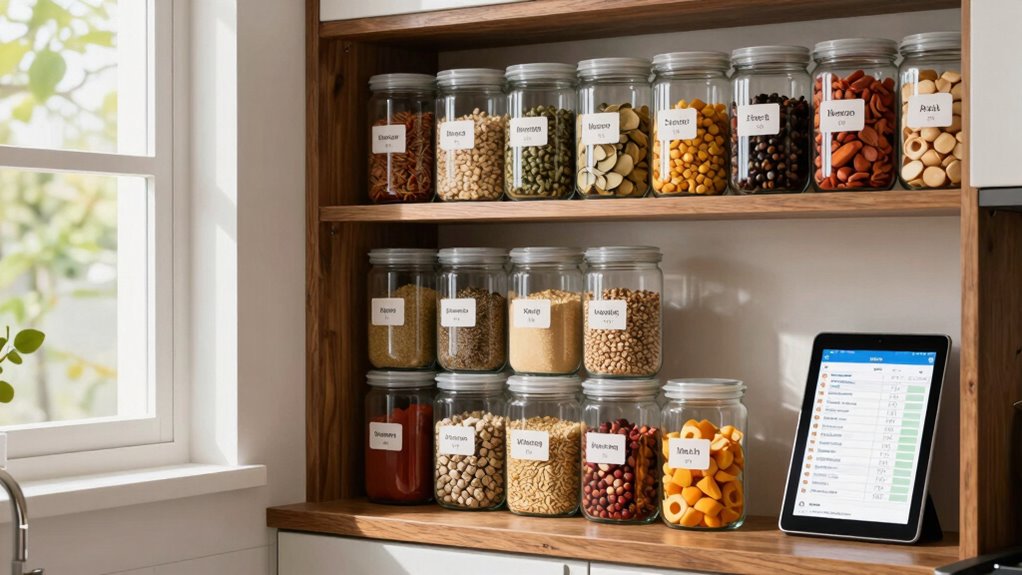
When you keep your inventory organized, it’s easier to plan meals and manage supplies. You won’t find yourself buying ingredients you already have because you’ve taken extra steps to categorize and label your items. For example, grouping canned goods, spices, and snacks separately makes it simple to assess quantities and spot shortages. This level of inventory organization not only prevents duplicate buying but also reduces impulse purchases, saving you money and time. When your shopping list is based on an accurate inventory, you’re less likely to forget what you need or buy extras just to be safe. Instead, you go into the store with confidence, knowing exactly what to look for.
A well-maintained household inventory also helps you spot patterns in your buying habits. Maybe you notice you’re consistently purchasing more than you need of certain items, which could lead to waste or clutter. By analyzing your inventory, you can adjust your shopping list and habits, avoiding overbuying in the future. It encourages smarter purchasing decisions, where you only buy what complements your current stock rather than duplicates. Additionally, understanding inventory management can help you maintain a balanced and efficient household supply. Proper inventory tracking also helps prevent food waste by making sure you use items before they expire or spoil, further reducing unnecessary expenses. Recognizing the importance of organized storage can maximize space and improve your overall household management. Implementing effective inventory control practices can also streamline your shopping process and reduce stress during busy times. This practice aligns with the principles of sustainable living by minimizing waste and conserving resources. Over time, this reduces both waste and unnecessary expenses, making your household budget more sustainable.
In essence, keeping an organized household inventory directly impacts how you shop. It sharpens your shopping list optimization, prevents duplicate buying, and ensures you’re only purchasing what you truly need. This simple habit not only saves money but also minimizes clutter and waste. It transforms grocery shopping from a chaotic chore into a strategic activity. By maintaining clarity about what you have and what you need, you make smarter choices and keep your household running smoothly without unnecessary overlaps or expenses.
As an affiliate, we earn on qualifying purchases.
Frequently Asked Questions
How Often Should I Update My Household Inventory?
You should update your household inventory at least every three to six months to guarantee accurate storage organization and avoid duplicate buying. Regular inventory frequency helps you track what you already have, identify expired or unused items, and plan better shopping trips. Make it a habit to review your inventory whenever you notice changes in your household’s needs, so your storage remains organized and your shopping smarter.
What Tools Are Best for Creating an Effective Inventory?
Imagine you’re organizing your pantry, and a simple app like Sortly helps you track items with clear product categorization. Using digital tools like spreadsheets or inventory management apps streamlines inventory organization, making it easy to see what you have and avoid duplicates. These tools allow you to update your household inventory quickly, ensuring accuracy and saving money by preventing unnecessary purchases.
Can Household Inventories Help With Insurance Claims?
Yes, household inventories can considerably assist with insurance claims. By providing detailed insurance documentation, your inventory makes the claim process smoother and faster. It helps verify what was lost or damaged, ensuring you receive the appropriate compensation. Having a current record of your belongings makes it easier to navigate the claim process, reducing stress and potential disputes. Keep your inventory updated to streamline insurance claims whenever needed.
How Do Inventories Prevent Overstocking Household Items?
Think of your household inventory as a map guiding your shopping trips. It helps you track products, preventing you from buying duplicates and overstocking. By knowing what you already have, you optimize storage space, avoiding clutter and waste. This smart product tracking guarantees you only buy what you need, making your household run smoothly and efficiently. It’s like having a personal assistant keeping your supplies in perfect harmony.
Are Digital Inventories More Effective Than Paper Ones?
Digital inventories are more effective than paper ones because they enable you to use digital organization tools, making updates quick and easy. You can access your inventory from anywhere, avoiding forgotten items or overstocking. Paper tracking, while simple, is less efficient and prone to errors or physical damage. By switching to digital, you streamline your household management, reduce duplicate purchases, and keep better control over your supplies.
Conclusion
By keeping a household inventory, you’re like a skilled conductor orchestrating a harmonious balance in your shopping symphony. It prevents you from wandering into the maze of duplicate purchases, saving your resources and sanity. With a clear list of what you own, you turn chaos into a well-tuned melody, ensuring every dollar and item hits its perfect note. Ultimately, your inventory becomes the maestro guiding you toward smarter, more mindful buying habits.