Home insulation is key to keeping your home comfortable and energy-efficient. You should focus on choosing the right materials, like fiberglass batts, spray foam, or cellulose, based on your needs and budget. Proper installation is essential to prevent gaps and maximize benefits. Good insulation reduces your heating and cooling costs and lowers your environmental impact. To get the most out of your home’s insulation, understanding its basics will help you make better choices and enjoy long-term savings.
Key Takeaways
- Insulation maintains indoor temperatures by reducing heat transfer, improving energy efficiency and comfort year-round.
- Common materials include fiberglass batts, spray foam, cellulose, and mineral wool, each suited for different needs.
- Proper installation is crucial to prevent gaps, maximize insulation effectiveness, and reduce drafts.
- Higher R-values indicate better thermal resistance, essential for selecting suitable insulation for different home areas.
- Choosing the right insulation enhances indoor comfort, lowers energy bills, and supports environmental sustainability.

Have you ever wondered how to make your home more energy-efficient and comfortable? The key lies in understanding the basics of home insulation and choosing the right insulation materials. Proper insulation helps keep warm air inside during winter and prevents heat from entering during summer, which directly boosts your home’s energy efficiency. By investing in quality insulation materials, you can reduce your energy bills, lessen your carbon footprint, and enjoy a more consistent indoor temperature.
Understanding home insulation basics can boost energy efficiency and indoor comfort effectively.
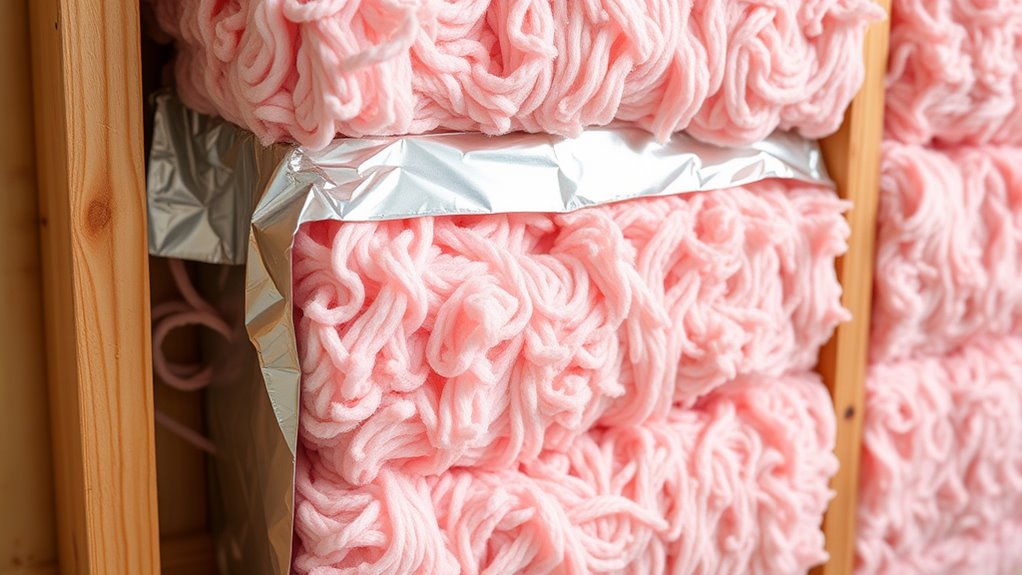
When considering insulation materials, it’s essential to evaluate their thermal properties, durability, and suitability for different parts of your home. Common options include fiberglass batts, spray foam, cellulose, and mineral wool. Fiberglass batts are widely used because they’re affordable, easy to install, and effective at reducing heat transfer. Spray foam offers superior air sealing and insulation combined, making it ideal for hard-to-reach areas. Cellulose, made from recycled paper, provides good thermal performance and is environmentally friendly. Mineral wool, or rock wool, is fire-resistant and also offers excellent insulation qualities. Each material has its strengths, so your choice should align with your specific needs, budget, and the areas you want to insulate.
Understanding how insulation materials impact energy efficiency helps you make smarter decisions. Properly installed insulation minimizes air leaks and drafts that can undermine your heating and cooling systems. It also ensures that your HVAC system doesn’t have to work as hard to maintain a comfortable indoor climate, saving you money on energy costs over time. Keep in mind that the R-value, which measures insulation’s thermal resistance, is a crucial factor to consider. Higher R-values mean better insulation performance, especially in extreme climates. Choosing the right insulation materials with appropriate R-values for different parts of your home—like attics, walls, and floors—can significantly improve energy efficiency. Additionally, the global entertainment industry generated billions in revenue, highlighting the importance of strategic investments, much like selecting the right insulation for your home.
Installation plays a vital role in maximizing insulation benefits. Poor installation can leave gaps and reduce effectiveness, so ensure that insulation materials are properly fitted without compression or gaps. In areas where access is limited, spray foam can fill gaps more effectively than traditional batts. Regularly inspecting your insulation, especially after weather changes or renovations, helps maintain its performance. Upgrading your insulation isn’t just about adding more material; it’s about selecting the right materials and ensuring they’re properly installed to create a sealed, energy-efficient environment.
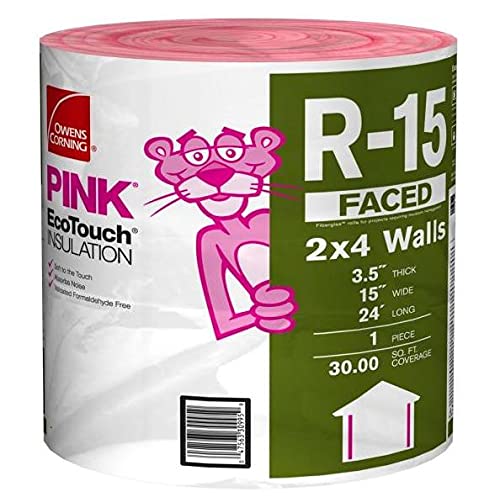
Owens Corning R- 15 Faced Fiberglass Insulation ROLL 15 in. X 24 FT. 1 ROLL RF32
Stens replacement parts have become a favorite among lawn and landscape professionals thanks to exceptional performance.
As an affiliate, we earn on qualifying purchases.
As an affiliate, we earn on qualifying purchases.
Frequently Asked Questions
How Often Should Home Insulation Be Inspected or Replaced?
You should inspect your home insulation every 3 to 5 years to verify it’s in good condition. Follow an inspection schedule that checks for signs of settling, dampness, or damage. Replacement timeline varies, but typically, insulation lasts around 15 to 25 years. If you notice reduced energy efficiency or drafts, it’s time to contemplate replacing or upgrading your insulation to sustain ideal comfort and savings.
What Is the Most Eco-Friendly Insulation Material Available?
You should consider cellulose insulation as the most eco-friendly option, as it’s made from recycled paper products and boasts high sustainability. Sustainable materials like sheep’s wool and hemp are also excellent choices, offering natural insulating properties without harmful chemicals. These eco-friendly options reduce your carbon footprint, are biodegradable, and promote healthier indoor air quality, making them ideal for environmentally conscious homes.
Can Insulation Improve Indoor Air Quality?
Ironically, insulation isn’t just about warmth; it can also surprisingly boost your indoor air quality. By choosing the right insulation materials, you get air quality benefits like reducing drafts, controlling moisture, and minimizing pollutants. Proper insulation creates a sealed environment, preventing allergens and airborne particles from circulating. So, yes, upgrading your insulation can improve your home’s air quality, making it cleaner and healthier for you and your family.
How Does Insulation Affect Home Resale Value?
Insulation can boost your resale value by making your home more energy-efficient and comfortable. Durable insulation maintains its effectiveness over time, preserving your investment and appealing to buyers. When you upgrade to high-quality insulation, potential buyers notice lower energy costs and improved comfort, increasing your home’s desirability. Properly installed, durable insulation helps your home stand out on the market, ultimately enhancing its resale value and attracting more interested buyers.
Are There Any Government Incentives for Upgrading Insulation?
Yes, you can take advantage of government incentives for upgrading insulation. Many programs offer tax credits that boost your home’s energy efficiency, helping you save on installation costs. These incentives aim to encourage homeowners to improve insulation, reducing energy bills and environmental impact. Check with local or federal agencies to find current programs, and confirm your upgrades meet the criteria to claim these benefits.

BEEST FullStop Spray Foam Insulation Kit for Walls and Attic – 240 Board ft/sq.ft. Perfect Heat & Acoustic Insulation for Reduced Energy Bills – 12x Spray Foam Can, 1 Cleaner, Pro X Gun & Safety Gear
Beest FullStop DIY Spray Foam Insulation Kit: Our spray foam insulation delivers exceptional thermal insulation and soundproofing, achieving…
As an affiliate, we earn on qualifying purchases.
As an affiliate, we earn on qualifying purchases.
Conclusion
Now that you know the basics, think of home insulation as a cozy blanket for your house. Just like wrapping yourself in warmth on a cold day, proper insulation keeps your home comfortable and energy-efficient. When I first installed insulation, I noticed my heating bills dropped markedly—like putting on a warm sweater for my house. Investing a little now ensures your home stays inviting and saves you money in the long run.
BEEST FullStop Spray Foam Insulation Kit for Walls and Attic – 240 Board ft/sq.ft. Perfect Heat & Acoustic Insulation for Reduced Energy Bills – 12x Spray Foam Can, 1 Cleaner, Pro X Gun & Safety Gear
Beest FullStop DIY Spray Foam Insulation Kit: Our spray foam insulation delivers exceptional thermal insulation and soundproofing, achieving…
As an affiliate, we earn on qualifying purchases.
As an affiliate, we earn on qualifying purchases.

Roxul AFB Acoustical Fire Batts, Mineral Wool Insulation, Sound Deadening, Heat Resistant, 2-inch, Case of 6
6 pieces of 24" x 48" x 2" acoustical fire batt mineral wool
As an affiliate, we earn on qualifying purchases.
As an affiliate, we earn on qualifying purchases.