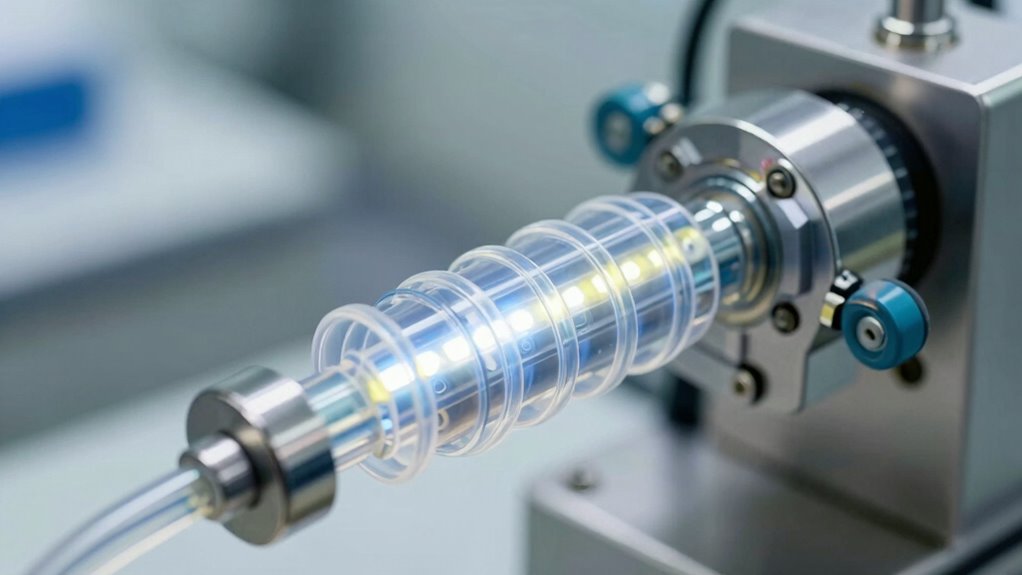

Peristaltic pumps work by compressing flexible tubing with a rotating rotor, creating a gentle, pulse-free flow that moves fluids precisely without contamination. As the rotor turns, it pushes the fluid along the tubing, allowing you to control the flow rate by adjusting the rotor speed or changing the tubing size. This reliable mechanism is perfect for automated nutrient dosing, ensuring nutrients are delivered accurately and consistently—if you want to understand how it all comes together, keep exploring further.

Get garden gear delivered free — and shop member deals
- Fast, free delivery on millions of items
- Access to Prime Big Deal Days deals on October 6–7
- Prime Video, Amazon Music and more included
Key Takeaways
- Peristaltic pumps use rotor compression of flexible tubing to move fluids without contamination or pulsation.
- The flow rate is controlled by adjusting rotor speed or selecting tubing with different sizes.
- Calibration measures the fluid dispensed per cycle, ensuring dosing accuracy and compensating for tubing wear.
- They deliver pulse-free, gentle flow ideal for sensitive environments like aquariums and hydroponic systems.
- Maintenance involves only replacing or cleaning the tubing, simplifying upkeep and preventing contamination risks.
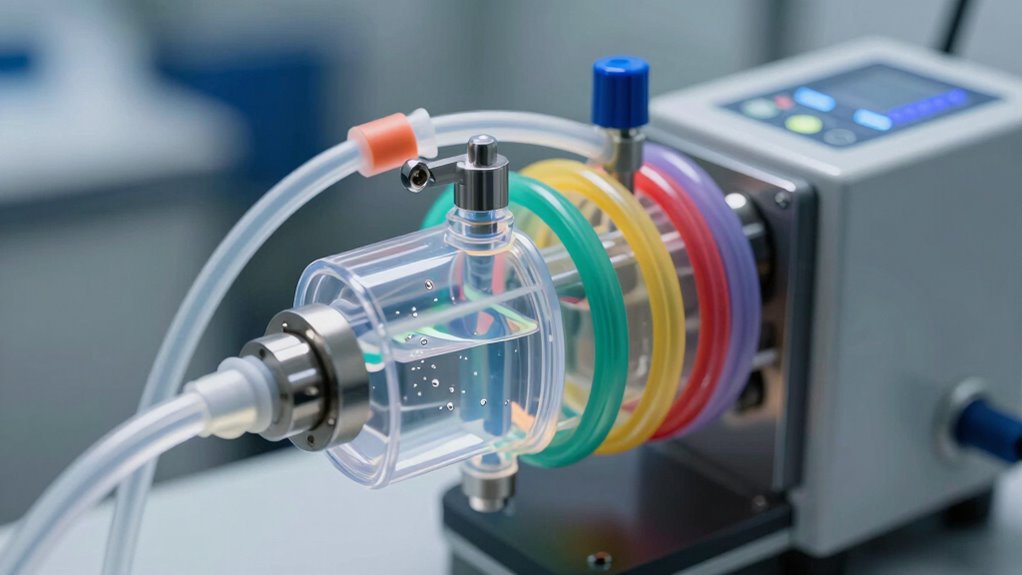
Automated nutrient dosing systems are transforming how growers and aquarists maintain ideal water quality. These systems rely on peristaltic pumps to deliver precise amounts of nutrients, ensuring your tanks or hydroponic setups stay balanced without constant manual intervention. The key to their effectiveness lies in pumping precision, which allows you to control exactly how much fluid is dispensed over time. With highly accurate dosing, you can prevent overfeeding or underfeeding, both of which can harm aquatic life or crop yields. To achieve such accuracy, proper fluid calibration is essential. This process involves setting the pump to deliver a specific volume per cycle, accounting for factors like fluid viscosity and tubing wear. When calibrated correctly, the pump moves fluid consistently, making your nutrient management predictable and reliable.
Peristaltic pumps operate through a simple yet effective mechanism. As the rotor turns, it compresses a flexible tube, pushing the fluid forward in a controlled manner. When the rotor moves away, the tube re-expands, drawing in more fluid from the reservoir. This cyclical action allows for gentle, pulse-free flow, which is ideal for sensitive aquatic environments or precise hydroponic systems. The design eliminates contamination risks since the fluid only contacts the tubing, not the pump’s internal components. This feature makes maintenance straightforward and reduces the need for frequent cleaning. Plus, the pump’s flow rate can be easily adjusted by modifying the rotation speed or changing the tubing size, giving you flexible control over dosing volumes. Additionally, understanding the importance of flow rate accuracy is essential for maintaining consistent nutrient levels.
Peristaltic pumps deliver pulse-free, contamination-free flow by compressing flexible tubing for precise, gentle fluid transfer.
Achieving ideal pumping precision begins with proper calibration. You’ll typically run a calibration process by measuring the amount of fluid dispensed over a set time or number of pump rotations. Adjustments are then made to match your desired flow rate, ensuring each cycle delivers the correct volume. This calibration process should be repeated periodically, especially if you notice inconsistencies or if you change tubing. Fluid viscosity can vary with temperature or fluid composition, impacting flow accuracy, so recalibration keeps your system reliable. When combined with electronic controllers, these pumps can be programmed to deliver nutrients at scheduled intervals, maintaining a stable environment with minimal effort on your part.
In essence, understanding fluid calibration and maintaining pumping accuracy are fundamental to harnessing the full potential of peristaltic pumps in automated nutrient dosing. They offer a high degree of control, consistency, and dependability, making them invaluable tools for anyone committed to maintaining optimal water conditions. Whether you’re cultivating healthy aquatic plants, managing delicate reef tanks, or growing crops hydroponically, these pumps help you deliver nutrients accurately and efficiently, simplifying your routine and supporting healthier results.
peristaltic pump for nutrient dosing
As an affiliate, we earn on qualifying purchases.
As an affiliate, we earn on qualifying purchases.
Frequently Asked Questions
How Accurate Are Peristaltic Pumps in Nutrient Dosing?
Peristaltic pumps are quite accurate in nutrient dosing if you maintain proper calibration, ensuring minimal flow rate variability. You’ll find they deliver consistent amounts when calibrated regularly, but fluctuations can occur due to tubing wear or pressure changes. To keep accuracy high, monitor calibration accuracy frequently and replace tubing as needed. Overall, with proper maintenance, peristaltic pumps can provide reliable, precise nutrient dosing for your system.
What Maintenance Is Required for Peristaltic Pumps?
You need to regularly perform tube replacement and follow calibration procedures to keep your peristaltic pump working accurately. Replace the tubing when it shows signs of wear or cracks to prevent dosing errors. Additionally, calibrate the pump periodically to ensure precision in nutrient delivery. Maintaining these components helps avoid malfunctions, extends the pump’s lifespan, and guarantees consistent, accurate nutrient dosing for your system.
Can Peristaltic Pumps Handle Viscous Nutrient Solutions?
Sure, your peristaltic pump can handle viscous fluid—if you enjoy watching it struggle, that is. These pumps excel with thin liquids, but when it comes to thick, sticky nutrients, their capacity gets tested. Expect reduced flow rates and increased wear, as the pump’s capacity is challenged by the viscosity. So, unless you’re aiming for a slow, dramatic dance of the pump fighting the viscous challenge, it’s not the best choice.
How Do Environmental Factors Affect Pump Performance?
Environmental factors like temperature fluctuations and electrical interference can substantially impact your peristaltic pump’s performance. Temperature changes may cause tube expansion or contraction, affecting flow accuracy. Electrical interference can disrupt the control signals, leading to inconsistent dosing. To guarantee ideal operation, keep the pump in a stable environment, shield it from interference sources, and regularly calibrate it. This way, you maintain precise nutrient delivery and prolong your pump’s lifespan.
Are There Limitations on Dosing Frequency With Peristaltic Pumps?
Ever wondered if there’s a limit to how often you can dose with a peristaltic pump? Yes, there are dosing limitations, mainly to avoid overworking the pump and shortening its lifespan. Frequent dosing can cause wear on the tubing and motor, reducing durability. To maximize performance, you should balance dosing frequency with maintenance schedules, ensuring your pump operates efficiently without risking damage or costly replacements.
Conclusion
Understanding how peristaltic pumps work transforms your approach to automated nutrient dosing. With their precise, rhythmic squeezing, they act like tiny, dependable hearts, delivering nutrients smoothly and reliably. When you grasp their mechanics, you’ll see how these pumps keep your system balanced, like a well-choreographed dance. Mastering this technology puts you in control, ensuring your plants get exactly what they need—no more, no less—making your aquarium or hydroponic setup thrive with confidence.
Fall Picks
fall essentials
As an affiliate, we earn on qualifying purchases.