
To save energy and water when doing laundry, switch to energy-efficient detergents that work well in cooler water, and choose water-saving washing machines with sensors that adjust water levels. Wait until you have a full load, use quick cycles for small loads, and consider air-drying clothes to cut energy use further. These simple steps not only lower bills but also help protect the environment—keep exploring to discover more eco-friendly laundry tips.
Key Takeaways
- Use energy-efficient detergents formulated for lower temperatures to clean effectively without hot water.
- Choose water-saving washing machines with sensors that adjust water levels based on load size.
- Opt for full loads and quick wash cycles to maximize efficiency and reduce water and energy use.
- Utilize high-speed spin cycles and air-drying to minimize energy consumption and drying time.
- Incorporate sustainable practices like waiting for full loads and air-drying clothes to further conserve resources.
Doing laundry doesn’t have to waste energy or water. With a few simple choices, you can make your laundry routine more eco-friendly without sacrificing cleanliness. One of the easiest ways to do this is by switching to energy efficient detergents. These detergents are specially formulated to work effectively in lower temperatures, so you can wash your clothes in cooler water without worrying about dirt or stains not coming out. Using cold water detergents reduces the energy needed to heat water, which accounts for a significant portion of laundry energy consumption. Pairing this with water saving washing machines amplifies your savings. These machines are designed to use less water per load while still providing a thorough clean. They often have sensors that adjust water levels based on load size, ensuring you’re not wasting water on small loads or overusing it on larger ones.
When you opt for water saving washing machines, you’re not only conserving water but also decreasing your electricity bill, since less hot water needs to be heated. Many models now feature quick wash cycles that are optimized for smaller loads, which further saves both water and energy. It’s worth investing in these appliances because they often come with features like high-speed spin cycles that remove more water from clothes, reducing drying time and energy use in your dryer. Additionally, using eco-friendly detergents in these machines ensures that you’re not introducing harmful chemicals into the environment, making your laundry routine safer for both your family and the planet.
Choosing appliances with energy-efficient features can further enhance your environmental impact, helping you save money while reducing your carbon footprint. You can maximize these benefits by washing full loads whenever possible. Running smaller loads wastes water and energy that could be saved by waiting until you have enough laundry to fill the machine. Also, consider air-drying your clothes whenever feasible, as this uses no additional energy. For clothes that need to be dried quickly, using a dryer with moisture sensors can prevent over-drying, saving energy and extending the life of your garments.
Incorporating these habits into your laundry routine makes a real difference. Switching to energy efficient detergents and water saving washing machines isn’t just about saving money; it’s about reducing your environmental impact and making responsible choices that benefit future generations. Every small step counts, and with these simple upgrades, you’re taking a significant step toward a more sustainable lifestyle.

Laundry Detergent Liquid Professional Strength – Cold Water Safe Enzyme Powered Concentrated Washing Soap for All Standard Machines, Hard Water Compatible, Lemon Scent by Jasper (128 Ounces)
PROFESSIONAL GRADE – enzyme-powered formula removes both oily and particulate soils from all washable fabrics, delivering superior cleaning…
As an affiliate, we earn on qualifying purchases.
As an affiliate, we earn on qualifying purchases.
Frequently Asked Questions
Can Laundry Detergents Impact Water and Energy Savings?
Yes, your choice of detergent formulation can impact water and energy savings. Eco-friendly detergents often require less water for rinsing and work effectively at lower temperatures, reducing energy use. Additionally, detergents with water softening agents help prevent mineral buildup, making your laundry process more efficient. By selecting the right detergent, you can save both water and energy, contributing to a more sustainable laundry routine.
How Often Should I Wash Clothes to Conserve Resources?
You might be surprised, but washing your clothes too often can actually shorten their lifespan and waste resources. To conserve energy and water, aim for a lower laundry frequency—every 1-2 weeks or when clothes are truly dirty. This not only preserves your clothing but also reduces environmental impact. Think about it: less laundry means fewer washes, less energy used, and longer-lasting garments. It’s a simple change with big benefits.
Do Front-Loading Washers Use Less Water Than Top-Loading Ones?
Yes, front-loading washers generally use less water than top-loading ones. They optimize water usage through better design and require less water for each cycle. To maximize savings, you should perform regular washer maintenance, such as cleaning filters and seals, which helps prevent leaks and inefficiencies. Additionally, look for models with water recycling features, which reuse rinse water, further conserving water and energy during laundry.
Are There Eco-Friendly Laundry Additives That Save Energy?
Yes, there are eco-friendly laundry additives that can help you save energy. Look for eco-friendly additives and energy-saving boosters designed to enhance cleaning efficiency at lower temperatures, reducing the need for hot water and high energy use. These products often contain biodegradable ingredients, so you can keep your laundry fresh and eco-conscious without sacrificing performance. Using them regularly can make a noticeable difference in your energy consumption and environmental impact.
What’s the Best Way to Dry Clothes With Minimal Energy Use?
To dry clothes with minimal energy use, opt for clothes drying methods like air drying or using a clothesline, which require no electricity. If you prefer an appliance, choose energy-efficient drying appliances that have moisture sensors to prevent over-drying. Use these appliances sparingly, and guarantee your dryer is well-maintained for peak efficiency. Combining air drying with energy-efficient appliances helps you save energy while keeping your clothes fresh.

XFYBZN 6501EA1001C 6501EA1001R Washer Water Level Pressure Sensor Switch Assembly for LG Washing Machine WT5001CW WT7200CW WT1101CW WT4970CW Replacement Parts, Replace AP5204365, EBF62754506, 2651052
Fix the Issues: Before purchasing the product, please refer to your repair manual to ensure that you order…
As an affiliate, we earn on qualifying purchases.
As an affiliate, we earn on qualifying purchases.
Conclusion
By choosing energy- and water-efficient laundry habits, you can make a real difference for the environment and your utility bills. Using full loads, cold water washes, and eco-friendly detergents not only saves resources but also extends the life of your clothes. Isn’t it worth taking small steps today to create a more sustainable tomorrow? Start making smarter laundry choices now—you’ll feel good about helping the planet and saving money at the same time.

Omelaza Portable Washing Machine,18 lbs Capacity,Washer and Dryer Combo Machine for Homes & Apartments,Twin Tub Laundry Washer with Spin Cycle
💧 Large Twin-Tub Capacity & Efficient Design Meet your personal laundry solution! The Omelaza portable washer features a…
As an affiliate, we earn on qualifying purchases.
As an affiliate, we earn on qualifying purchases.
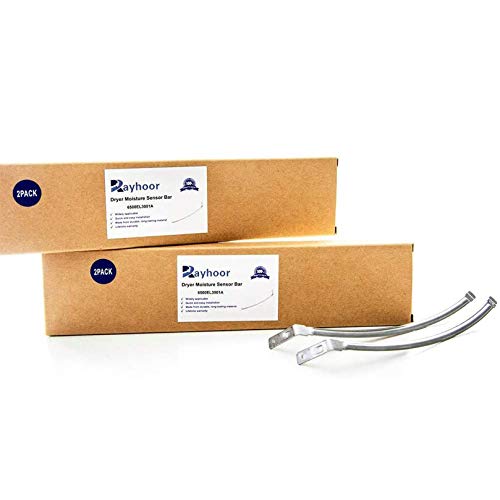
(2 Pack) Rayhoor 6500EL3001A Dryer Moisture Sensor Bar Replacement Part Fit for LG Kenmore – Replaces PD00001914, 1268224, AP4445128, EAP3529161
【Perfect Replacement】 Our 2 Pack 6500EL3001A Dryer Moisture Sensor Bar replaces part numbers: 6500el3001a, pd00001914, 1268224, ap4445128, eap3529161,…
As an affiliate, we earn on qualifying purchases.
As an affiliate, we earn on qualifying purchases.