To start a small garden plot, choose a sunny, accessible spot, clear weeds and debris, and loosen the soil for better growth. Prepare your planting beds with proper spacing, add compost to enrich the soil, and plant vegetables or herbs suited for beginners. Keep weeds down with mulch and watch for pests, using natural controls like beneficial insects or homemade sprays. With proper soil care and pest prevention, your garden will flourish—continue exploring to grow even more successful.
Key Takeaways
- Choose a sunny, accessible spot and prepare the soil by removing weeds and adding compost.
- Design well-drained beds or rows with proper spacing to promote plant health.
- Select pest-resistant plants and regularly inspect for pests, introducing beneficial insects when needed.
- Mulch around plants to conserve moisture, suppress weeds, and reduce pest issues.
- Maintain a tidy garden, monitor plant health, and adjust pest control methods for ongoing success.
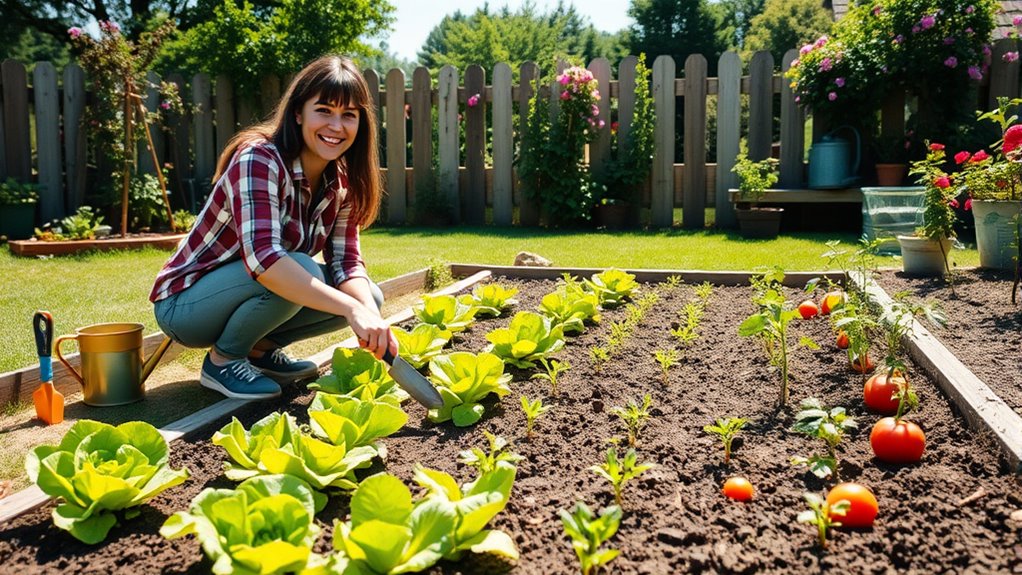
Are you interested in starting your own garden but unsure where to begin? The first step is choosing the right spot and preparing the soil properly. Soil preparation is fundamental to healthy plant growth. You want to start by removing any weeds, grass, or debris from your chosen area. Loosen the soil using a garden fork or tiller to improve aeration and drainage. If your soil feels compacted or poor in nutrients, consider adding compost or organic matter. This enriches the soil, making it more fertile and better suited for your plants. Testing your soil’s pH can also help; most vegetables thrive in slightly acidic to neutral soil (around 6.0 to 7.0). Adjustments can be made with lime or sulfur, depending on the test results. Once your soil is well-prepared, you can create planting beds or rows that make caring for your garden easier. Incorporating portable gardening tools can help streamline your setup process and make garden maintenance more manageable.
Pest control is another essential element to guarantee your plants grow strong and healthy. Start by choosing pest-resistant varieties when possible, especially for common problem crops. Regularly inspect your plants for signs of pests, such as holes in leaves or discolored spots. Early detection is critical because it allows you to take action before infestations become severe. Use natural pest control methods like introducing beneficial insects—ladybugs or praying mantises—that prey on harmful pests. You can also make homemade sprays with ingredients like neem oil or insecticidal soap to keep pests at bay. Keep your garden tidy by removing fallen leaves or plant debris, which can harbor pests and diseases. Proper spacing between plants improves air circulation, reducing the likelihood of mold and pests. Mulching around your plants not only conserves moisture but also acts as a barrier against certain pests. When using any pest control method, always follow the instructions carefully to avoid harming beneficial insects or pollinators.
Getting your soil ready and managing pests from the start will set a solid foundation for your garden’s success. These steps require attention and consistency but pay off with healthier plants and a more enjoyable gardening experience. As you get more comfortable, you’ll learn which pests are common in your area and how to handle them naturally. Remember, gardening is a continuous learning process, and patience is key. With proper soil preparation and vigilant pest control, you’ll be well on your way to growing a thriving small plot that provides fresh vegetables and a peaceful outdoor space. Starting small allows you to focus on these essentials without feeling overwhelmed, making your gardening journey both rewarding and manageable.
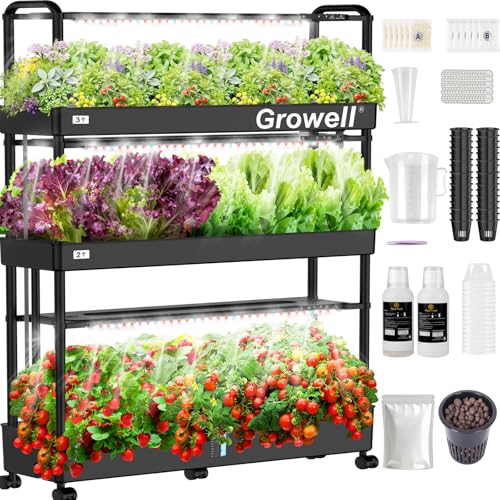
Large Hydroponics Growing System Kit, 48 Pods Vertical Hydroponic Garden, with 48 Large Buckets, 40L Indoor Garden System for Herb Vegetable Fruit, with 2 Light Modes, Auto Circulating Water System
3-Tier Large Hydroponics Growing System: Boasting 48 pods paired with 48 large 3-inch planting buckets. Growell vertical hydroponics...
As an affiliate, we earn on qualifying purchases.
Frequently Asked Questions
What Are the Best Beginner-Friendly Vegetables to Grow?
You should start with easy vegetables like lettuce, radishes, and green beans. These are beginner-friendly and grow quickly. To guarantee healthy growth, practice companion planting by pairing compatible plants, and remember crop rotation to prevent soil depletion and pests. Keep the soil moist, provide enough sunlight, and stay consistent with watering. With patience and care, you’ll enjoy a thriving small vegetable garden in no time.
How Much Sunlight Does a Small Garden Plot Need Daily?
Your small garden needs at least 6 hours of direct sunlight daily to thrive—it’s the golden rule for healthy growth. Make certain your soil is well-prepared with compost, and keep pest control in mind to protect your plants. If sunlight drops below this, consider strategic plant placement or supplemental lighting. With enough light, proper soil prep, and vigilant pest control, your garden will flourish like a lush paradise in no time.
What Tools Are Essential for Starting a Garden?
You need a few essential tools to start your garden, including a trowel, pruning shears, and a garden fork. Make sure to practice garden tool maintenance by cleaning and sharpening your tools regularly. Learning composting basics helps improve your soil, making your garden healthier. With these tools and knowledge, you’ll be well-equipped to nurture your plants and enjoy a thriving small garden plot.
How Often Should I Water My Small Garden?
You should water your small garden when the moisture levels drop below what’s needed for healthy plants, typically about once every 2-3 days. Keep a consistent watering schedule, especially during hot or dry weather, to prevent stress. Check the soil regularly by sticking your finger about an inch deep; if it feels dry, it’s time to water. Adjust frequency based on weather and soil conditions to maintain ideal moisture.
When Is the Ideal Planting Season for Beginners?
You’ll want to plant when your local planting calendar says it’s time—usually spring or early summer. Ignore the calendar at your peril, or risk a bumper crop of disappointment. Seasonal tips suggest starting small and knowing your frost dates. If you follow these, you’ll avoid the agony of planting too early or late, and your garden will reward you with fresh veggies and flowers just when you want them most.

VEVOR Plant Stand with Grow Light, 4-Tier Plant Shelfwith 45W Full Spectrum LED, 3 Mode Plant Light with Timer and Wheel for Seed Starting, Metal Plant Rack for Indoor Plants
Sturdy Plant Growth Rack: This high-density steel plant shelf with grow light boasts excellent rust and oxidation resistance,...
As an affiliate, we earn on qualifying purchases.
Conclusion
Starting your small garden may seem intimidating, but with patience, planning, and passion, you’ll see your efforts flourish. Embrace the learning process, enjoy the growth, and celebrate each success. Keep experimenting, stay curious, and nurture your plants with care. Remember, gardening is about connection, creativity, and perseverance. So dig in, get your hands dirty, and watch your little plot become a thriving oasis of beauty and bounty. Your gardening journey begins now—just plant the seed and grow.

VEVOR Plant Shelf with Grow Light, 6-Tier Indoor Plant Stand, 71 in Tall Plants Display Rack with Wheels & 4/9/14H Timer, 80W T5 LED Full Spectrum Grow Lights, Flower Pot Holder for Seed Starting
5-Tier Plant Stand: Measuring 71 in tall with 5 spacious shelves, the plant stand with grow light is...
As an affiliate, we earn on qualifying purchases.

Woolooloo Large Hydroponics Growing System Kit, 5-Tier Indoor Herb Garden with Smart Climate Control, Auto Misting, Full Spectrum Grow Light, Vertical Hydroponic System for Home or Commercial
5-Tier Large hydroponics growing system kit Growing System: Maximize your indoor gardening with a modular 5-tier hydroponic kit...
As an affiliate, we earn on qualifying purchases.