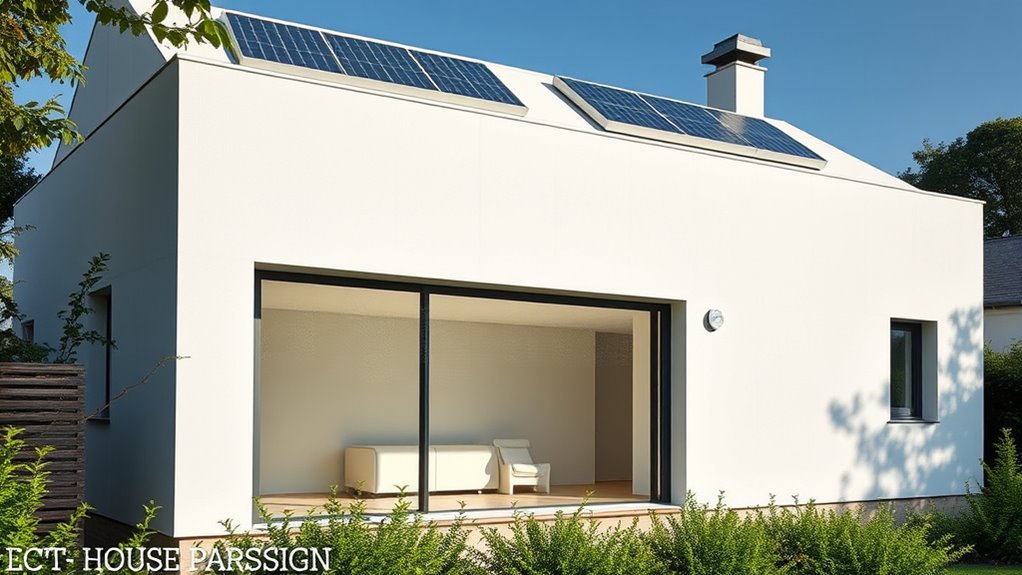

Passive House principles focus on maximizing energy efficiency by using smart insulation and airtight construction to reduce heat transfer and air leaks. You’ll create a building envelope that keeps warmth in during winter and blocks heat in summer, minimizing your reliance on heating and cooling systems. Controlled ventilation with heat recovery systems ensures good indoor air quality while conserving energy. Keep exploring further, and you’ll discover how these techniques work together to create comfortable, eco-friendly homes.
Key Takeaways
- Passive House design maximizes energy efficiency through superior thermal insulation and airtight construction.
- Insulation creates a barrier to heat transfer, maintaining indoor comfort year-round.
- Airtight building envelopes prevent air leaks, enhancing insulation performance and energy savings.
- Controlled ventilation with heat recovery systems ensures fresh air without losing heat.
- Combining insulation and airtightness results in a highly energy-efficient, comfortable, and environmentally friendly building.
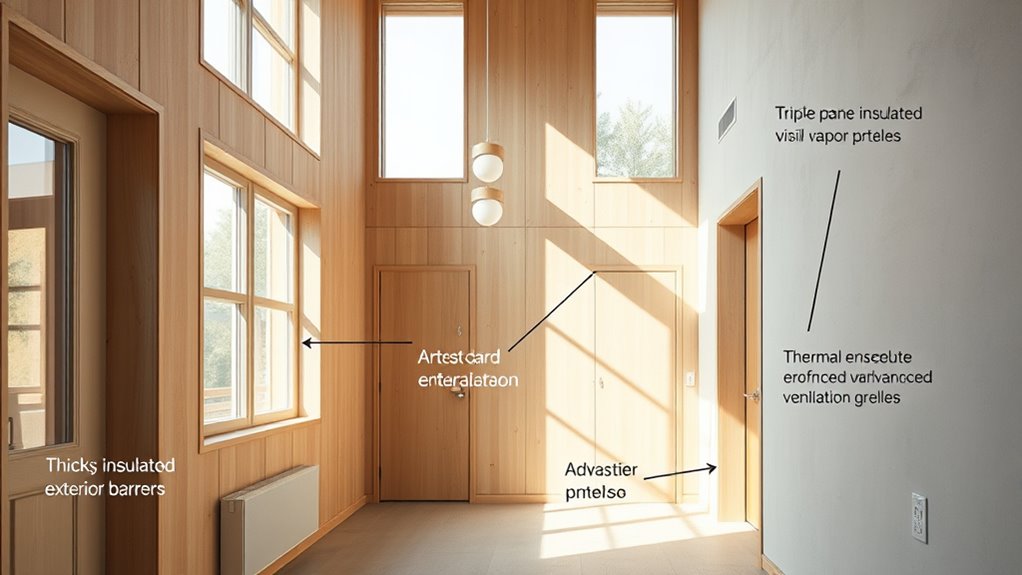
Have you ever wondered how some buildings stay warm in winter and cool in summer without costing a fortune in energy? The secret lies in the principles of passive house design, which focus on maximizing energy efficiency through smart construction techniques. One of the core concepts is thermal insulation. You want to ensure that your walls, roof, and floors are well-insulated to minimize heat transfer. High-quality thermal insulation acts like a cozy blanket, trapping heat inside during winter and blocking heat from entering during summer. This reduces your reliance on heating and cooling systems, saving you money and energy. But insulation alone isn’t enough; it needs to be complemented by airtight construction.
Well-insulated walls and roofs keep your home comfortable year-round efficiently.
Airtightness is essential because even the best insulation can be compromised if air leaks are present. When your building isn’t airtight, warm air can escape in winter, and hot air can seep in during summer, forcing your HVAC systems to work harder. By sealing all gaps, cracks, and openings, you create an airtight envelope that keeps conditioned air inside and prevents drafts. This not only enhances comfort but also improves energy performance considerably. Think of it as wrapping your entire building in a seamless, airtight shell.
Achieving airtight construction involves careful attention to detail. You’ll need to use airtight membranes or tapes on joints and seams, especially around windows, doors, and where different building materials meet. Properly installing these barriers ensures that air cannot infiltrate or escape. Furthermore, this airtight approach allows for controlled ventilation, which is equally essential. Passive houses incorporate heat recovery ventilation systems that provide fresh air while reclaiming most of the warmth from outgoing air. This way, you maintain indoor air quality without sacrificing energy efficiency.
Together, thermal insulation and airtight construction form the backbone of a passive house. They work in tandem to create a building envelope that’s highly resistant to heat flow and air leaks. As a result, your home becomes a thermally stable environment, requiring minimal energy to maintain comfortable temperatures. This sustainable approach not only lowers your utility bills but also reduces your carbon footprint. By focusing on these principles, you’re building a space that’s both environmentally friendly and incredibly comfortable, all while keeping energy costs in check. Proper sealing techniques are crucial for achieving the full benefits of passive house principles.

DGSL Double Reflective Bubble Foil Insulation Foam, 23.6 in X 10 FT Aluminum Foil Thermal Insulation Radiant Barrier for Window, Garage Door, RV, Roof
Reflective Window Insulation: Our rv window insulation is well-made, which is weight of 200 g / 10.76 sqft….
As an affiliate, we earn on qualifying purchases.
As an affiliate, we earn on qualifying purchases.
Frequently Asked Questions
How Cost-Effective Are Passive House Designs Initially?
Passive house designs can be initially more costly than traditional builds, but the cost comparison often favors long-term savings through reduced energy bills. You might also benefit from financial incentives or rebates that offset upfront expenses. While the upfront investment is higher, you save money on heating and cooling over time, making passive house designs a cost-effective choice in the long run, especially with available incentives.
Can Existing Buildings Be Retrofitted to Meet Passive House Standards?
Yes, you can retrofit existing buildings to meet passive house standards. You’ll face some retrofitting challenges like upgrading insulation, sealing leaks, and installing efficient windows. To succeed, focus on renovation strategies such as improving airtightness and adding high-performance insulation. While it may require investment, these upgrades markedly enhance energy efficiency, comfort, and sustainability, making your building more environmentally friendly and cost-effective in the long run.
What Are the Common Challenges Faced During Passive House Construction?
During passive house construction, you often face challenges like construction delays and material availability issues. These can slow progress and increase costs, especially when sourcing specialized, high-performance materials. You need careful planning and flexibility to manage these hurdles effectively. Coordinating closely with suppliers and scheduling construction phases carefully helps ensure the project stays on track. Staying adaptable and proactive allows you to overcome common construction challenges efficiently.
How Does Passive House Impact Indoor Air Quality?
You’ll notice that passive houses markedly improve indoor air quality by using advanced ventilation systems. These systems constantly exchange stale indoor air with fresh outdoor air, filtering pollutants and maintaining a healthy environment. With balanced ventilation, you get consistent airflow, reducing humidity and indoor pollutants. As a result, you experience cleaner, fresher indoor air, which enhances comfort and supports better health for everyone inside your passive house.
Are Passive House Principles Applicable in All Climate Zones?
Think of passive house principles as a versatile toolbox—they can adapt to most climate zones. You’ll just need to tailor regional design strategies for ideal performance. In colder climates, focus on insulation and airtightness, while in warmer areas, prioritize shading and ventilation. Climate adaptability is key, ensuring energy efficiency and comfort regardless of where you build. With thoughtful adjustments, passive house principles are applicable everywhere, like a chameleon blending into its environment.

Vapor Barrier Tape, White Polyethylene Waterproof Seal & Seam Tape For Crawl Spaces, Moisture Barriers, Underlayment Seams, Metal Building Seams, Air Barrier, Insulation Repair & Plastic Liners
Premium Vapor Barrier Seam Tape: 3-inch wide, 180-foot long roll, 9 mil thick engineered for superior moisture, air…
As an affiliate, we earn on qualifying purchases.
As an affiliate, we earn on qualifying purchases.
Conclusion
By applying Passive House principles, you can cut your energy use by up to 90%, markedly reducing costs and environmental impact. Imagine living comfortably in a home that stays warm in winter and cool in summer without excessive energy bills. This innovative approach not only benefits your wallet but also helps combat climate change. Embracing these principles makes your home more sustainable, comfortable, and cost-efficient—turning eco-friendly living into a simple, achievable goal.
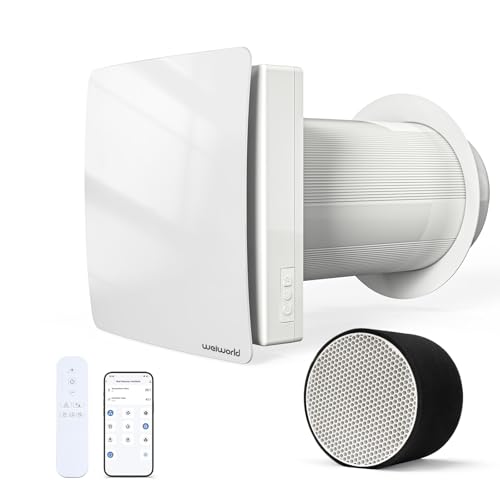
Weiworld Heat Recovery Ventilator with Ceramic Heat Exchanger, Wall-Mounted Fresh Air System with WiFi/Remote Control for Home, Attic, Garage – Supply, Exhaust & Recirculation Ventilation Fan
Heat Recovery Ventilator (HRV) for single room ventilation: Equipped with a high-efficiency ceramic heat exchanger that recovers up…
As an affiliate, we earn on qualifying purchases.
As an affiliate, we earn on qualifying purchases.
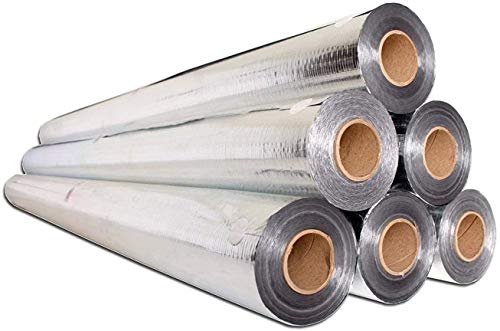
US Energy Products Radiant Barrier Insulation 1000 sqft (4ft Wide) Commercial Grade Perforated No Tear Green Energy Radiant Barrier Reflective Insulation Solar Attic Foil Roof House Wrap SCIF RIFD
1,000 SQUARE FEET PER ROLL: Our insulation foil roll measures 250 feet in length and is 4 feet…
As an affiliate, we earn on qualifying purchases.
As an affiliate, we earn on qualifying purchases.