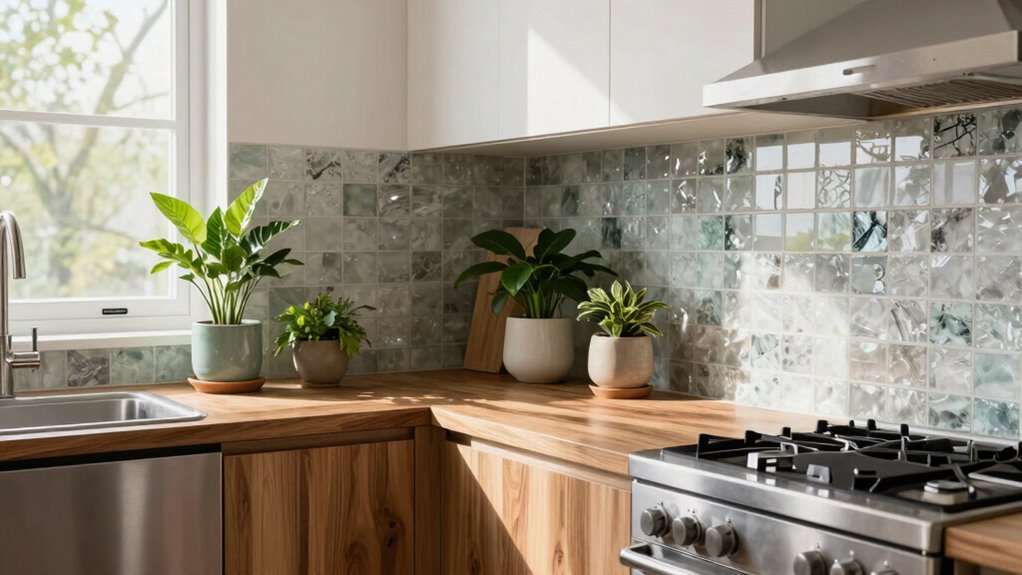

Choosing healthy materials for every remodel makes your home safer, more sustainable, and better for your family’s health. They reduce harmful chemicals like VOCs, improving indoor air quality and supporting those with sensitivities or allergies. Eco-friendly, durable materials also lower your environmental impact and last longer, saving you money over time. By making these conscious choices, you’re creating a space that’s not only healthier but also more responsible—if you keep exploring, you’ll discover even more ways to improve your home’s health and sustainability.
Key Takeaways
- Healthy materials improve indoor air quality, reducing harmful chemical emissions and supporting occupant health.
- They promote environmental sustainability through responsible sourcing and eco-friendly manufacturing practices.
- Using durable, low-VOC materials minimizes waste and the need for frequent replacements.
- Selecting non-toxic, natural options creates safer living spaces for families and sensitive individuals.
- Incorporating sustainable materials aligns with long-term health, safety, and environmental responsibility goals.
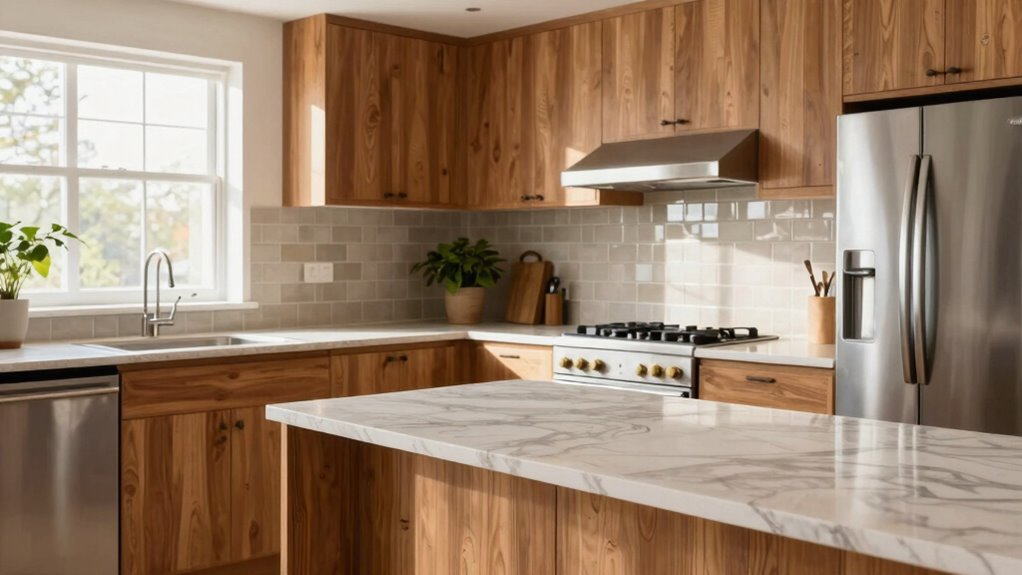
When remodeling your home, choosing healthy materials is essential for creating a safer, more sustainable environment. Your choices directly impact indoor air quality, which plays a crucial role in your overall health and well-being. Using materials that emit fewer volatile organic compounds (VOCs) and other harmful chemicals means you’ll breathe cleaner air every day. This is especially important if you or your family members have allergies, asthma, or sensitivities. Healthy materials help reduce indoor pollution, making your home a safer haven.
In addition to improving indoor air quality, sustainable sourcing ensures your renovation aligns with eco-friendly principles. When you select materials that are responsibly harvested or manufactured, you contribute to reducing environmental impact. Sustainable sourcing involves choosing products made from renewable resources, recycled materials, or those with certifications indicating responsible production practices. This not only benefits the planet but also guarantees that you’re supporting companies committed to ethical standards. Incorporating sustainable materials into your remodel can help lower your carbon footprint and promote a healthier environment for future generations.
You might wonder how to identify these healthy, sustainably sourced materials. Start by researching brands that prioritize transparency and eco-certifications, like FSC or Green Seal. These labels indicate that the materials meet strict environmental and health standards. For example, opting for low-VOC paints and finishes minimizes chemical emissions, while choosing natural fiber carpets and hardwoods from certified sources reduces your exposure to toxins. Furthermore, selecting products made from rapidly renewable resources, such as bamboo or cork, ensures you’re using materials that are replenished quickly and have a smaller environmental impact. Being aware of indoor air quality and its importance can help guide your choices toward healthier remodeling options. Additionally, understanding the emissions from building materials can further inform your decisions to create a healthier living space. Recognizing the significance of material durability** can also help you choose options that last longer and require fewer replacements, supporting both health and sustainability goals. Staying informed about emerging eco-friendly materials** can inspire innovative solutions that benefit both you and the environment.
Making conscious decisions about your materials also involves considering their durability and lifespan. High-quality, sustainable options tend to last longer, reducing the need for frequent replacements and waste. This approach aligns with a more circular, eco-friendly mindset. When you invest in long-lasting, healthy materials, you’re not only protecting indoor air quality but also contributing to a more sustainable future.
Ultimately, your choices during a remodel shape the health and sustainability of your home. Prioritizing healthy materials with sustainable sourcing ensures you create a space that’s safer for your family and kinder to the planet. It’s a proactive step towards a home that supports your well-being while respecting the environment. By making informed decisions now, you pave the way for a healthier, more sustainable living environment for years to come.
As an affiliate, we earn on qualifying purchases.
Frequently Asked Questions
Are Healthy Materials More Cost-Effective Long-Term?
Yes, healthy materials are often more cost-effective long-term. When you compare costs, you’ll see that durable, high-quality materials reduce the need for frequent repairs or replacements. Although they might have a higher upfront cost, their longevity and resistance to wear save you money over time. This cost comparison shows that investing in healthy, durable materials leads to savings, healthier living, and less environmental impact in the long run.
How Do I Identify Genuinely Healthy Building Materials?
Identifying genuinely healthy building materials is like finding a needle in a haystack, but start by checking labels for non-toxic finishes and certifications like GREENGUARD or LEED. Look for products with transparent info on sustainable sourcing, ensuring materials come from environmentally responsible sources. Trust brands committed to health and sustainability, and avoid those with vague claims. Doing your research helps you choose materials that prioritize your health and the planet.
Do Healthy Materials Require Special Installation Techniques?
Healthy materials typically don’t require special installation techniques, but you should pay close attention to installation considerations and material handling. Guarantee proper ventilation during installation to minimize exposure to dust or fumes, and follow manufacturer guidelines for handling delicate or sensitive materials. Using correct tools and techniques helps preserve the integrity of healthy materials, ensuring they perform as intended and maintain their benefits for indoor air quality and overall health.
Can Healthy Materials Improve Indoor Air Quality Immediately?
Healthy materials can bring a gust of fresh air right away, providing immediate impact on your indoor air quality. Think of it as opening a window to a clearer, healthier environment. The air quality benefits are often noticeable quickly, reducing pollutants and VOCs that cause discomfort. By choosing these materials, you actively improve your home’s air quality, making it safer and more comfortable for you and your loved ones from day one.
Are There Eco-Friendly Certifications for Healthy Remodeling Materials?
Yes, eco-friendly certifications exist for healthy remodeling materials. You should look for products with eco label verification that meet strict certification standards, ensuring they’re environmentally responsible and healthier for indoor spaces. These certifications, like LEED or Green Seal, verify that materials are low in harmful chemicals and sustainably sourced. By choosing certified products, you support eco-conscious remodeling while promoting healthier indoor environments for everyone.
Conclusion
Choosing healthy materials for your remodel is like planting seeds for a better future—you nurture your space and your wellbeing at once. By prioritizing non-toxic, sustainable options, you create a home that’s safe, vibrant, and full of life. Remember, every small decision counts, and just like a steady stream shapes a canyon, your choices shape your environment. So, go ahead, make mindful updates—your health and happiness will flourish in the end.