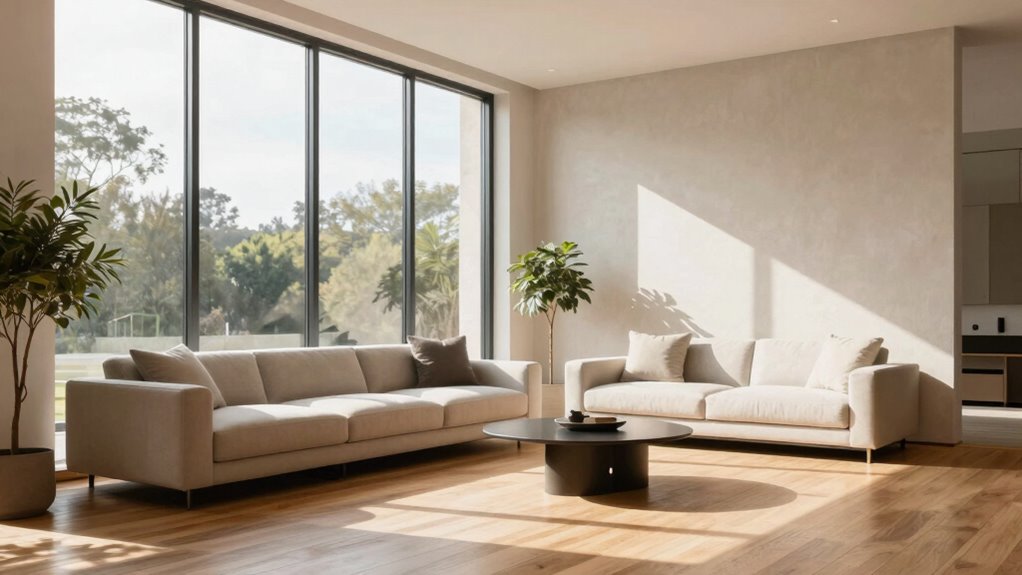

Daylighting can beautifully brighten your space without causing overheating by using strategic design techniques. You can incorporate features like properly placed windows, skylights, and light shelves to direct natural light deep into your rooms. Using high-performance glazing and shading devices helps control heat gain while letting in ample daylight. With thoughtful planning, you’ll enjoy vibrant, inviting environments that stay comfortable all year. If you want to discover more on balancing light and heat, keep exploring.
Key Takeaways
- Properly designed daylighting balances natural light with shading to prevent overheating and glare.
- Strategic placement of windows and skylights maximizes daylight while minimizing heat gain.
- Use of reflective surfaces and light-colored interiors enhances illumination without increasing temperature.
- Incorporating shading devices like overhangs and louvers controls heat while allowing daylight penetration.
- Advanced glazing technology reflects infrared heat, reducing indoor temperature rise without sacrificing natural light.
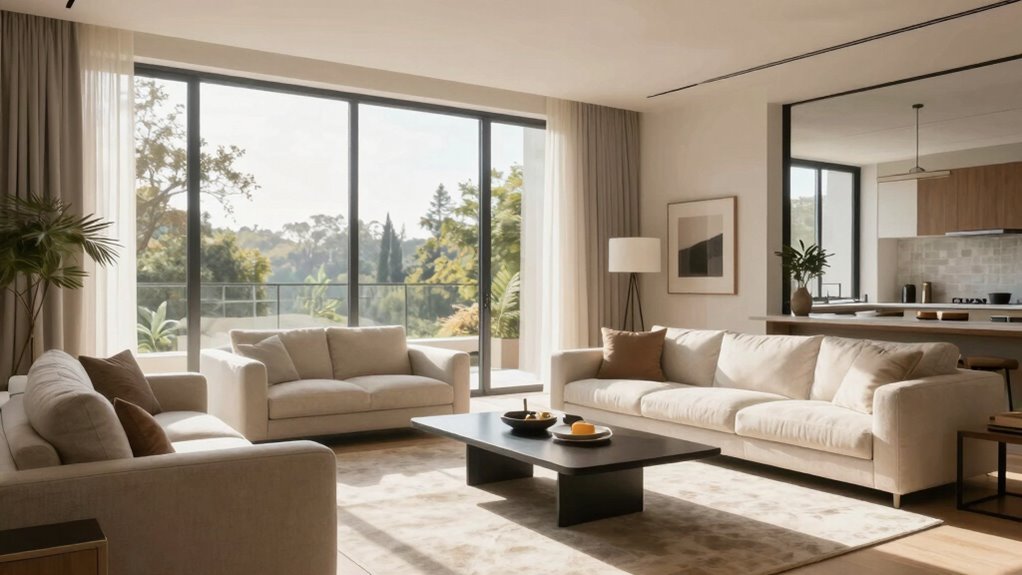
Have you ever wondered how natural light can transform a space? It’s incredible how a well-lit room feels more inviting, vibrant, and alive. Daylighting, which involves maximizing natural light, is a smart way to enhance any environment without sacrificing comfort. When you let in natural light, you not only brighten the space but also improve energy efficiency. By reducing the need for artificial lighting during the day, you cut down on electricity bills and lessen your carbon footprint. But the challenge lies in harnessing natural light without causing overheating, which can make a room uncomfortable and increase cooling costs.
Natural light enhances spaces, boosts energy efficiency, but balancing heat gain is key for comfort and sustainability.
Fortunately, there are effective ways to achieve this balance. You can utilize design techniques like strategically placed windows, skylights, and light shelves that direct sunlight deeper into the space. These elements help distribute natural light evenly, reducing harsh glare and hotspots. Using shading devices such as overhangs, louvers, or adjustable blinds can prevent excessive heat gain during peak sunlight hours. They allow you to enjoy the benefits of daylight while blocking out direct sunlight that leads to overheating. This way, you maintain a comfortable indoor temperature and avoid the energy drain caused by air conditioning.
Another key aspect is glazing technology. High-performance windows with coatings that reflect infrared heat allow natural light to enter but keep heat outside. This improves energy efficiency by maintaining a stable indoor temperature and reducing reliance on cooling systems. Smart placement of windows—like positioning them to face north or south—can also optimize daylight penetration without introducing too much heat. Additionally, interior finishes such as light-colored walls and reflective surfaces help bounce daylight further into the room, enhancing illumination without increasing heat. Incorporating glazing technology can further optimize heat control and daylighting effectiveness. Understanding daylighting strategies can guide you in designing spaces that balance light and temperature effectively. Moreover, the integration of biodiversity principles in design can help create healthier and more sustainable environments that harmonize with natural light and climate considerations. Embracing sustainable design practices ensures that natural light contributes to a healthier indoor environment while respecting ecological balance. Implementing these techniques is crucial for creating sustainable and comfortable environments that honor the principles of biodiversity and sustainable living.
high performance glazing windows
As an affiliate, we earn on qualifying purchases.
As an affiliate, we earn on qualifying purchases.
Frequently Asked Questions
How Does Daylighting Affect Energy Consumption in Buildings?
Daylighting considerably reduces your building’s energy consumption by minimizing the need for artificial lighting. With passive design strategies, you optimize natural light, while daylight harvesting adjusts electric lights based on sunlight levels, saving energy. By using these techniques, you lower electricity use, cutting costs and environmental impact. You benefit from a more sustainable space that stays comfortable without excessive cooling or heating, thanks to smart daylight management.
What Types of Windows Optimize Daylight Without Increasing Heat?
Think of windows as gateways to light, not heat traps. You’ll want windows with specialized coatings that reflect infrared rays while transmitting visible light, keeping spaces bright without overheating. Pair these with shading devices like louvers or external shades, which act as a shield against excessive heat. These combined strategies allow you to optimize daylight, brighten your space, and prevent unwanted warmth, making your environment both cheerful and comfortable.
Can Daylighting Be Integrated Into Existing Structures Easily?
You can integrate daylighting into existing structures relatively easily by making thoughtful modifications that respect historic preservation. Simple solutions like adding skylights, solar tubes, or larger, energy-efficient windows can enhance natural light without extensive structural changes. If necessary, minor structural modifications can be made to optimize light distribution while maintaining the building’s integrity and historic character, ensuring a seamless blend of modern daylighting benefits and preservation standards.
How Does Daylighting Impact Indoor Air Quality?
Daylighting enhances indoor air quality by reducing indoor pollution, as natural light can decrease the need for artificial lighting that often releases pollutants. Additionally, it promotes ventilation enhancement, encouraging fresh air circulation. You’ll notice improved air freshness and fewer pollutants indoors, creating a healthier environment. Properly designed daylighting systems work with natural ventilation, helping you breathe easier and maintain a more comfortable, cleaner indoor space.
Are There Any Safety Concerns With Increased Natural Light?
Yes, there are safety concerns with increased natural light, such as glare management and privacy concerns. You might experience glare that causes eye strain or discomfort, so using shades or diffusers helps. Privacy concerns can also arise if windows are large or face public areas, so strategic placement or window treatments can protect your privacy while maximizing daylight. Proper design guarantees safety and comfort without compromising natural light benefits.
Conclusion
By maximizing natural daylight, you can create brighter, more inviting spaces without the risk of overheating. Studies show that properly designed daylighting can reduce energy consumption for lighting by up to 75%, saving you money and lowering your carbon footprint. When you harness sunlight effectively, you improve comfort and well-being while maintaining a sustainable environment. So, consider strategic window placement and shading techniques—your space will thank you with enhanced ambiance and energy efficiency.