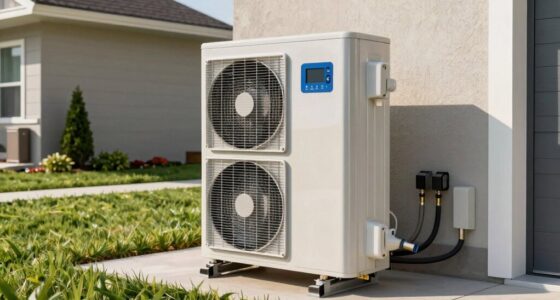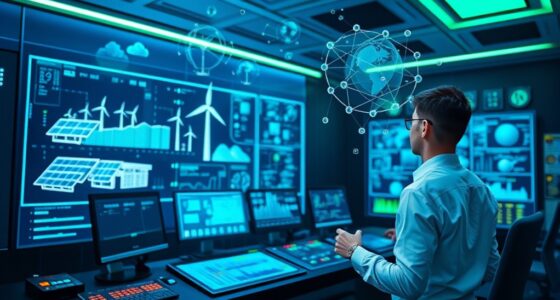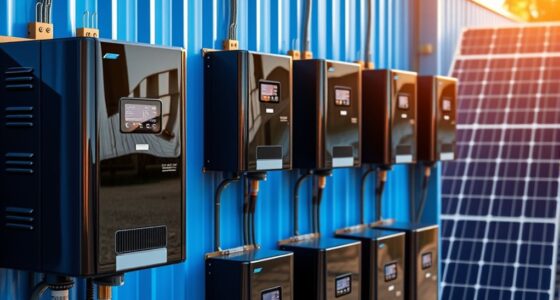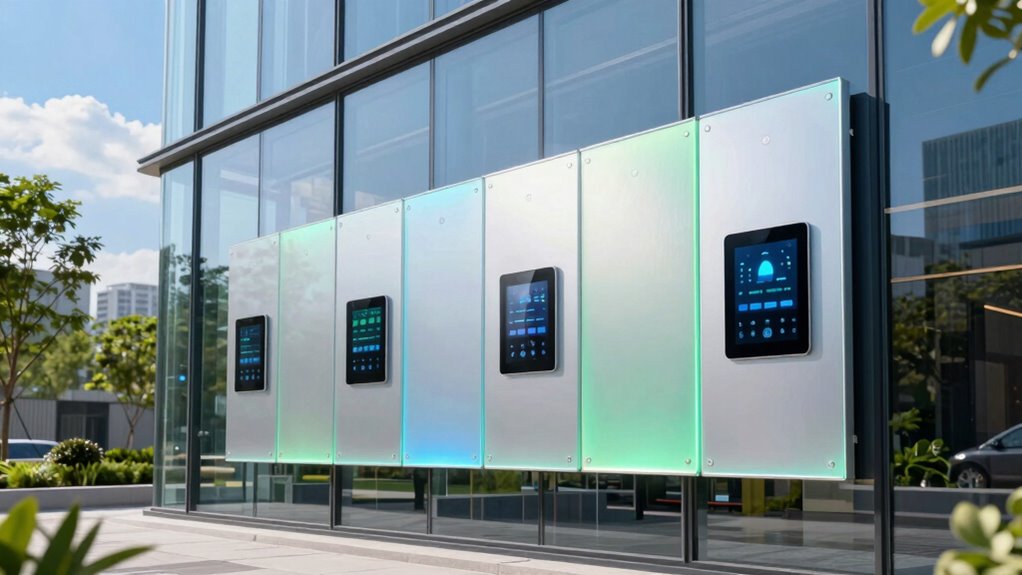

Smart panels improve your energy flexibility by actively managing and adjusting power flow in real-time, helping you respond quickly to changing demands. They seamlessly integrate renewable sources like solar and wind, maximizing clean energy use and reducing reliance on the grid. These panels also support demand response strategies, shifting loads during peak times and storing excess energy for later. To discover how smart panels can make your energy setup more adaptable and sustainable, keep exploring the benefits they offer.

Get garden gear delivered free — and shop member deals
- Fast, free delivery on millions of items
- Access to Prime Big Deal Days deals on October 6–7
- Prime Video, Amazon Music and more included
Key Takeaways
- Enable real-time adjustments to optimize energy flow based on demand and renewable availability.
- Integrate seamlessly with renewable sources to maximize sustainable energy use and reduce reliance on the grid.
- Support demand response by automatically reducing or shifting consumption during peak periods.
- Utilize energy storage to enhance system reliability and manage fluctuations effectively.
- Provide data insights for proactive management and fine-tuning of energy consumption and generation.
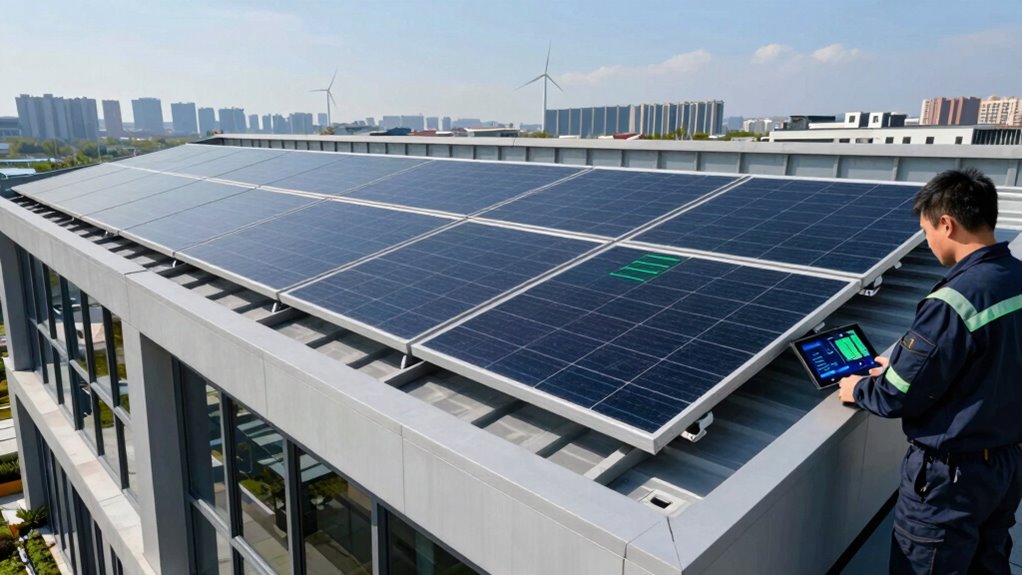
Have you ever wondered how to make your energy use more adaptable and efficient? Smart panels are transforming the way you manage energy by improving flexibility, making it easier to integrate renewable sources and respond to changing demands. These advanced systems give you greater control over your energy flow, enabling you to optimize consumption in real-time. When you harness smart panels, you’re not just passively consuming power—you’re actively shaping how energy moves through your home or business, aligning usage with availability and cost.
Smart panels give you real-time control to optimize energy use and integrate renewable sources seamlessly.
One of the key ways smart panels boost energy flexibility is through renewable integration. As more homes and businesses adopt solar, wind, and other renewable sources, managing these variable inputs becomes vital. Smart panels can seamlessly coordinate with these renewable systems, adjusting their operation based on sunlight or wind conditions. This guarantees you maximize renewable energy usage while reducing reliance on grid power, which often comes with higher costs and carbon footprint. By intelligently balancing the energy from renewables and the grid, smart panels help you create a more sustainable and resilient energy setup.
Demand response is another essential feature that smart panels facilitate. During peak energy times, utility companies often impose higher rates or request reductions in consumption to prevent grid overload. Smart panels enable you to participate in demand response programs by automatically adjusting power usage during these periods. For example, they can temporarily reduce energy consumption from appliances or shift non-essential loads to off-peak hours. This not only saves you money but also contributes to grid stability. You gain the ability to respond swiftly and efficiently to grid needs, making your energy system more adaptable and less wasteful.
Furthermore, smart panels provide real-time data and analytics, giving you clear insights into your energy habits. This information allows you to make informed decisions—whether it’s scheduling high-energy tasks during low-cost periods or fine-tuning your renewable system for maximum performance. With this visibility, you can proactively manage your energy, reducing waste and lowering costs while supporting grid reliability through demand response participation. Incorporating energy management systems can further enhance your ability to optimize energy use and storage. Additionally, these systems can help you understand the importance of biodiversity in sustainable energy solutions by emphasizing the need for environmentally conscious practices.
In addition, these systems leverage energy storage solutions to further enhance flexibility, allowing excess renewable energy to be stored for later use, which maximizes efficiency and reliability. The integration of smart grid technology also plays a crucial role in coordinating energy flow across various sources and loads, improving overall system resilience. This combination of features makes smart panels a comprehensive tool for creating a more flexible, resilient, and sustainable energy system tailored to your needs. By embracing smart panel technology, you’re not just keeping up with the future of energy—you’re actively shaping it to be smarter, greener, and more responsive.
As an affiliate, we earn on qualifying purchases.
Frequently Asked Questions
How Do Smart Panels Detect Energy Demand Changes?
Smart panels detect energy demand changes through advanced detection technology that monitors real-time usage. They constantly analyze electrical flow and consumption patterns, allowing you to see fluctuations instantly. When demand spikes or drops, the panels automatically adjust or send alerts, helping you optimize energy use. This proactive detection guarantees you can respond quickly, reducing waste and enhancing overall energy flexibility.
Can Smart Panels Integrate With Existing Energy Systems?
Yes, smart panels can integrate with your existing energy systems. They seamlessly connect with energy storage solutions and support renewable integration, allowing you to optimize energy use. By syncing with your current setup, smart panels help manage demand, store excess energy, and enhance efficiency. This integration makes your system more flexible, reliable, and capable of adapting to changing energy needs, all while maximizing the benefits of renewable sources.
What Is the Cost of Upgrading to Smart Panels?
Thinking about upgrading? The cost of smart panels varies based on size and features, but generally, you’ll find a cost comparison that balances initial investment with long-term savings. Are budget considerations holding you back? While the upfront expense can seem high, many see energy efficiency gains and reduced operational costs over time. Ultimately, investing in smart panels can boost your energy flexibility and save you money in the long run.
How Secure Are Data Communications in Smart Panels?
You can trust that data communications in smart panels are secure because they use robust cybersecurity measures and data encryption. These panels often implement advanced protocols to protect your information from cyber threats. Regular updates and security patches are also applied to guarantee ongoing protection. By prioritizing cybersecurity, manufacturers help keep your energy data safe from unauthorized access, giving you peace of mind while managing your energy system efficiently.
Do Smart Panels Require Professional Installation or Maintenance?
Smart panels generally require professional installation to guarantee proper setup and safety. You’ll want experts to handle installation requirements, such as wiring and connection to your energy system. Maintenance considerations are usually minimal but may involve periodic inspections or software updates. While some basic checks might be manageable on your own, consulting professionals ensures your smart panel functions efficiently and remains secure, giving you peace of mind.
Conclusion
By integrating smart panels, you can boost your home’s energy flexibility and save money in the long run. These panels can adapt to your energy needs, reducing waste and optimizing usage. Did you know that homes with smart energy systems can cut energy costs by up to 30%? Embracing smart panels puts you in control of your energy consumption, making your home more efficient and environmentally friendly. It’s a smart move toward a sustainable future.
Halloween Picks
halloween
As an affiliate, we earn on qualifying purchases.