Small solar setups support bigger resilience plans by providing an affordable, flexible way to generate your own power and reduce reliance on the grid during outages. They can be installed easily on rooftops or in yards, creating a network that enhances energy independence. Plus, they help lower costs while promoting sustainability. These modular systems can be expanded over time, building a reliable energy infrastructure that prepares you for future disruptions. Keep exploring to discover how they can transform your resilience.

Get garden gear delivered free — and shop member deals
- Fast, free delivery on millions of items
- Access to Prime Big Deal Days deals on October 6–7
- Prime Video, Amazon Music and more included
Key Takeaways
- Small solar setups provide independent power sources, reducing reliance on the grid during emergencies.
- They enable quick deployment and modular expansion, supporting scalable resilience strategies.
- These systems foster energy independence, lowering costs and enhancing overall community resilience.
- They integrate with storage solutions, ensuring reliable power during outages.
- Small solar installations contribute to environmental sustainability and support smart grid integration.
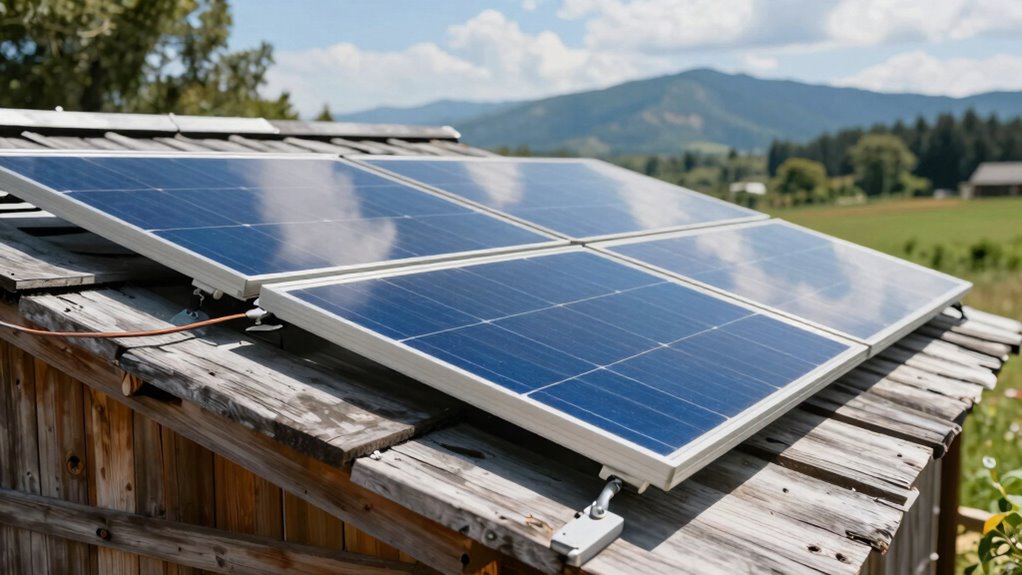
In an era of increasing climate unpredictability and power outages, setting up a resilient solar system becomes essential. Small solar setups might seem modest, but they play a crucial role in supporting larger resilience plans. When you invest in a small-scale solar system, you’re taking a step toward energy independence. You gain the ability to generate your own power, reducing reliance on the grid, especially during emergencies or outages. This independence not only provides peace of mind but also helps you control your energy future. You’re less affected by rising energy costs, which can spike unexpectedly, and you can save money over time. The initial investment in a small solar setup can lead to significant cost savings, lowering your monthly utility bills and protecting you from future rate hikes.
Small solar systems are flexible and easy to install, making them an accessible starting point for building a resilient energy plan. They can be set up on rooftops, in backyards, or on small plots of land, fitting into various spaces without requiring extensive infrastructure. This flexibility allows you to quickly deploy multiple small systems across different locations, creating an interconnected network of renewable energy sources. These decentralized setups mean that if one system encounters issues, others can continue functioning, ensuring that your overall resilience isn’t compromised. They also serve as backup power sources during outages, keeping essential appliances, communication devices, and security systems running smoothly. Biodiversity can also benefit from decentralized energy sources, as they reduce environmental impact and promote a more sustainable ecosystem. Additionally, these small systems can be integrated with energy storage solutions to enhance reliability during prolonged outages. Incorporating modern smart grid technology can further optimize energy distribution and efficiency within these small-scale systems.
Furthermore, small solar setups act as building blocks for larger resilience strategies. By starting small, you can test and optimize your system’s performance, learning what works best for your energy needs. These setups can be expanded over time, adding more panels or battery storage to increase capacity. This modular approach allows for incremental investments, making the transition to complete energy independence more manageable and affordable. Incorporating renewable energy into your resilience plan not only reduces your carbon footprint but also boosts your preparedness for various disruptions. When combined with larger backup systems and energy storage solutions, small solar setups form the foundation of a comprehensive resilience plan that can withstand disruptions.
Ultimately, small solar setups aren’t just about saving money or generating clean energy—they’re about creating a reliable, independent energy source that supports your broader resilience goals. They empower you to take control of your energy supply, mitigate the impacts of outages, and contribute to a more sustainable future. By integrating small-scale solar into your overall plan, you’re building a resilient, adaptable energy system that can weather the uncertainties of tomorrow.
As an affiliate, we earn on qualifying purchases.
Frequently Asked Questions
How Much Does a Small Solar Setup Typically Cost?
A small solar setup typically costs between $1,000 and $3,000, depending on your energy needs and the system’s size. You should do a cost comparison to find the best deal, considering equipment and installation costs. The installation process is usually straightforward and quick, especially for smaller systems. You can save on expenses and time by choosing DIY options or professional installers, ensuring your setup aligns with your resilience plans.
Can Small Solar Systems Power Essential Appliances During Outages?
Think of your small solar system as a beacon of hope during outages. Yes, it can power essential appliances, strengthening your emergency preparedness. By integrating renewable energy, you create a resilient shield against disruptions, ensuring your crucial devices stay running. This small but mighty setup acts as a symbol of independence, helping you weather storms and power through dark times, all while embracing sustainable energy for a brighter, more secure future.
What Maintenance Is Required for Small Solar Setups?
You need to regularly check your small solar setup for battery maintenance, ensuring connections are tight and the electrolyte levels are proper if applicable. Keep your panels clean by gently washing them with water and a soft brush to maximize efficiency. Also, inspect for debris or dirt buildup that can block sunlight. Routine maintenance keeps your system running smoothly, helping you rely on it during outages and supporting your resilience plans.
How Long Do Small Solar Panels Usually Last?
Think of your small solar panel as a steady guardian on your resilience journey. Typically, it lasts 25 to 30 years, but solar panel degradation and battery lifespan are key factors. Over time, efficiency drops, like a fading light, yet with proper maintenance, you extend its service. Batteries may need replacing every 5 to 15 years, ensuring your setup continues to support your bigger resilience plans reliably.
Are Small Solar Setups Expandable for Future Needs?
Yes, small solar setups are often expandable for future needs. They typically have good expandability potential, allowing you to add more panels or batteries as your energy requirements grow. However, consider potential scalability challenges, such as limited space or inverter capacities, which might restrict how much you can expand. Planning ahead guarantees your system can easily adapt, helping you build a more resilient and flexible energy setup over time.
Conclusion
As you harness the gentle glow of small solar setups, imagine a future where your home stands resilient like a sturdy oak, branches reaching out with steady energy despite storms. These tiny suns, flickering softly on your roof, become beacons of hope and independence, weaving a tapestry of strength that supports larger plans. With each sunny day, you’re planting seeds for a resilient, sustainable tomorrow—bright, steadfast, and shining with promise.
Fall yard work Picks
leaf blowers
As an affiliate, we earn on qualifying purchases.